Postinflammatory Hyperpigmentation: Complete Guide For 2025
Understanding causes, prevention, and effective treatments for postinflammatory hyperpigmentation in all skin types.
What is postinflammatory hyperpigmentation?
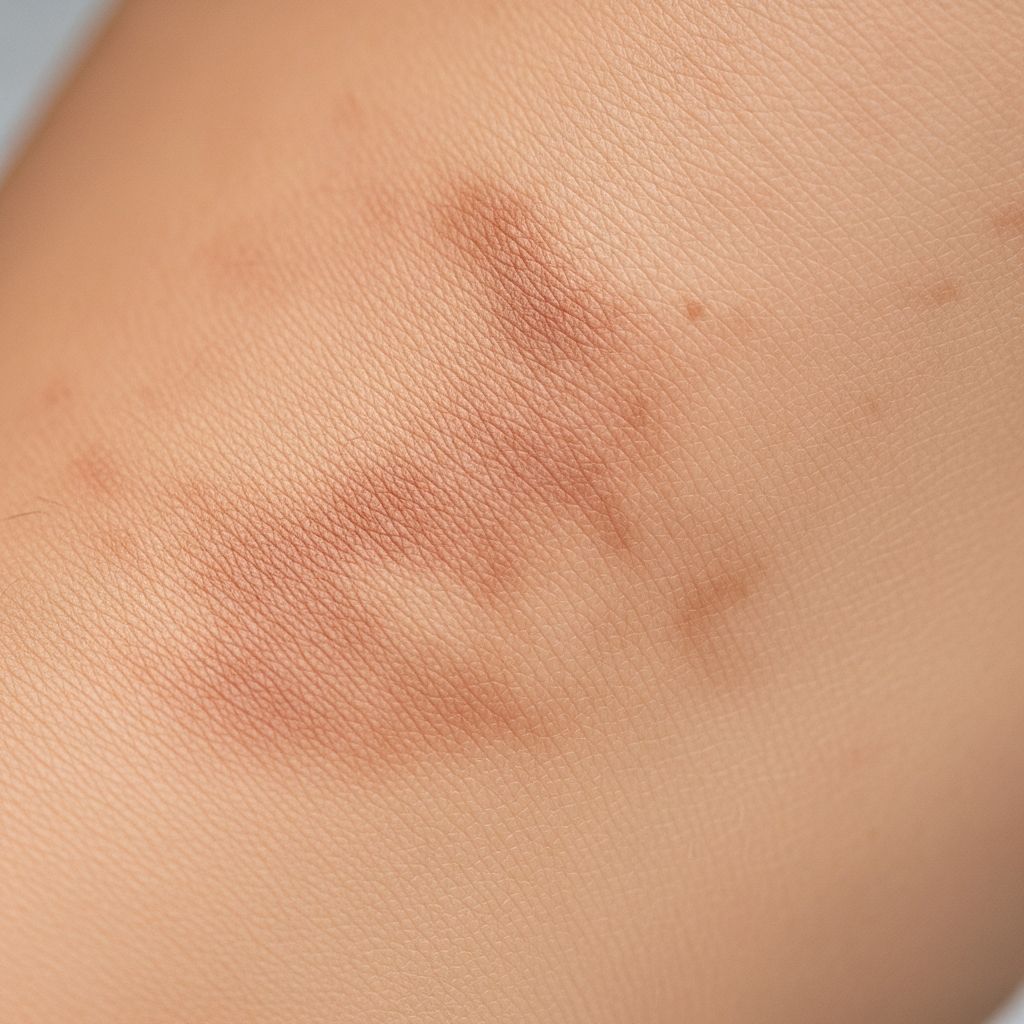
Postinflammatory hyperpigmentation (PIH) is a common acquired skin condition characterized by the development of dark macules or patches at sites of previous inflammation or injury. It arises from increased melanin production and deposition in the skin following damage to the epidermis or dermis. Unlike scarring, PIH primarily affects skin colour without altering texture, manifesting as brown, tan, or blue-gray spots.
PIH can occur in all skin types but is more prevalent and intense in individuals with Fitzpatrick skin types III–VI, particularly those of Asian, Hispanic, African, or Indigenous descent. The condition follows resolution of the initial inflammatory process, with pigmentation persisting for months to years if untreated.
Who gets postinflammatory hyperpigmentation?
PIH affects people across all ages and skin types, though it is far more common and severe in darker skin tones. Up to 50% of individuals with acne may develop PIH, with higher rates observed in ethnic skin. Conditions like atopic dermatitis show PIH in 35% of cases, while psoriasis affects 25% of patients.
Risk factors include:
- Dark skin phototypes (Fitzpatrick III–VI)
- Family history of PIH or melasma
- History of sunburns
- Underlying inflammatory dermatoses such as acne vulgaris, eczema, or psoriasis
What causes postinflammatory hyperpigmentation?
PIH develops when skin inflammation or trauma triggers melanocytes—the pigment-producing cells—to overproduce melanin. This excess melanin is released into surrounding keratinocytes (epidermal cells) or deposited in the dermis. Key triggers include:
- Acne vulgaris: Most common cause, especially inflammatory lesions like papules, pustules, and nodules.
- Atopic dermatitis and other eczemas.
- Psoriasis and lichen planus.
- Fixed drug eruptions.
- Insect bites, burns, and mechanical trauma (e.g., scratches, cuts).
- Dermatological treatments: Lasers, chemical peels, microneedling if they cause inflammation.
- Medications: Antimalarials, clofazimine, tetracyclines, chemotherapy agents like bleomycin and busulfan.
UV radiation exacerbates PIH by stimulating further melanogenesis, making sun protection critical.
What are the clinical features of postinflammatory hyperpigmentation?
PIH presents as asymptomatic macules or patches of increased pigmentation at sites of prior inflammation. Colours range from light brown to dark brown, blue-gray, or black. Common locations mirror underlying conditions:
- Face (acne-related)
- Extensor arms/legs (atopic dermatitis)
- Pressure points (in darker skin)
Two types exist based on depth:
- Epidermal PIH: Brown, tan; resolves faster (months).
- Dermal PIH: Gray-blue; more persistent (years).
Lesions are flat without textural change, distinguishing PIH from scars.
Diagnosis
Diagnosis is clinical, based on history of preceding inflammation and characteristic appearance. Key steps include:
- Patient history: Timing post-injury, skin type, sun exposure.
- Wood lamp examination: Epidermal PIH enhances; dermal does not.
- Dermoscopy: Reveals pigment globules, perifollicular sparing.
Related Stories



Differential diagnoses: Melasma, solar lentigines, drug-induced pigmentation, naevoid conditions. Biopsy rarely needed but shows increased melanin in basal layer (epidermal) or macrophages (dermal).
How is postinflammatory hyperpigmentation treated?
Treatment is stepwise, focusing on resolving active inflammation first, then depigmenting agents plus rigorous sun protection. Patience is required as improvement takes 3–12 months; recurrences are common.
Prevention and general measures
- Avoid picking/scratching lesions.
- Treat underlying inflammation promptly (e.g., acne with benzoyl peroxide).
- Broad-spectrum sunscreen SPF 50+ daily, reapplied every 2 hours; tinted mineral formulas preferred for Fitzpatrick IV–VI.
Topical treatments
First-line therapy uses tyrosinase inhibitors and exfoliants, often combined:
| Agent | Mechanism | Strength/Evidence |
|---|---|---|
| Hydroquinone (2–4%) | Inhibits tyrosinase | Gold standard; 8–12 weeks |
| Azelaic acid (15–20%) | Tyrosinase inhibition, anti-inflammatory | Safe for long-term use |
| Cysteamine (5% cream) | Potent depigmenter | Recent advance; effective in trials |
| Retinoids (tretinoin 0.05%, adapalene) | Cell turnover, dispersion | Combine with hydroquinone |
| Vitamin C (10–20%) | Antioxidant, reduces melanin | Adjunctive |
| Kojic acid (1–4%), niacinamide (4–5%) | Tyrosinase inhibitors | Mild cases, OTC |
Triple combination (hydroquinone + tretinoin + steroid) accelerates results but monitor for irritation.
Procedural treatments
For refractory cases:
- Chemical peels: Glycolic (20–70%), salicylic, TCA (10–25%); superficial for epidermal PIH. Start low strength in dark skin.
- Laser/light: Q-switched Nd:YAG, picosecond lasers; fractional non-ablative. Risk of worsening PIH mandates test spots.
- Microneedling: With topicals for enhanced penetration.
Recent advances
Stabilized cysteamine cream shows superior efficacy in clinical studies for hyperpigmentation disorders. Oral tranexamic acid emerging for severe cases.
What is the outcome for postinflammatory hyperpigmentation?
Epidermal PIH often resolves spontaneously within 3–24 months. Dermal PIH is more persistent, requiring intervention. Early treatment shortens duration; sun avoidance prevents darkening. Relapse occurs with re-injury or UV exposure.
Frequently asked questions
Does PIH go away on its own?
Yes, epidermal PIH fades in months to years, but treatment accelerates resolution and prevents persistence.
Can PIH be permanent?
Rarely; dermal PIH can last years without treatment but responds to therapy.
Is PIH more common in black skin?
Yes, more frequent, intense, and slower to resolve in Fitzpatrick IV–VI skin types.
Can laser treatment cause PIH?
Yes, if settings are aggressive; use cautiously with experienced providers.
How long do treatments take to work?
Visible improvement in 4–8 weeks; full fading 3–12 months.
References
- Postinflammatory Hyperpigmentation – StatPearls — NCBI Bookshelf/NCBI Staff. 2023-07-17. https://www.ncbi.nlm.nih.gov/books/NBK559150/
- Postinflammatory hyperpigmentation — DermNet NZ. 2023. https://dermnetnz.org/topics/postinflammatory-hyperpigmentation
- Postinflammatory Hyperpigmentation: A Review of the Epidemiology, Clinical Features, and Treatment Options in Skin of Color — Journal of Clinical and Aesthetic Dermatology. 2012-07-01. https://jcadonline.com/postinflammatory-hyperpigmentation-a-review-of-the-epidemiology-clinical-features-and-treatment-options-in-skin-of-color/
- Hyperpigmentation — Cleveland Clinic. 2023-09-05. https://my.clevelandclinic.org/health/diseases/21885-hyperpigmentation
- What is Post Inflammatory Hyperpigmentation? — WebMD. 2023. https://www.webmd.com/skin-problems-and-treatments/what-is-post-inflammatory-hyperpigmentation
Similar Articles








Read full bio of Sneha Tete