Postmastectomy Prosthesis: Restoring Confidence After Breast Cancer
Complete guide to breast prostheses: types, benefits, and choosing the right option for you.
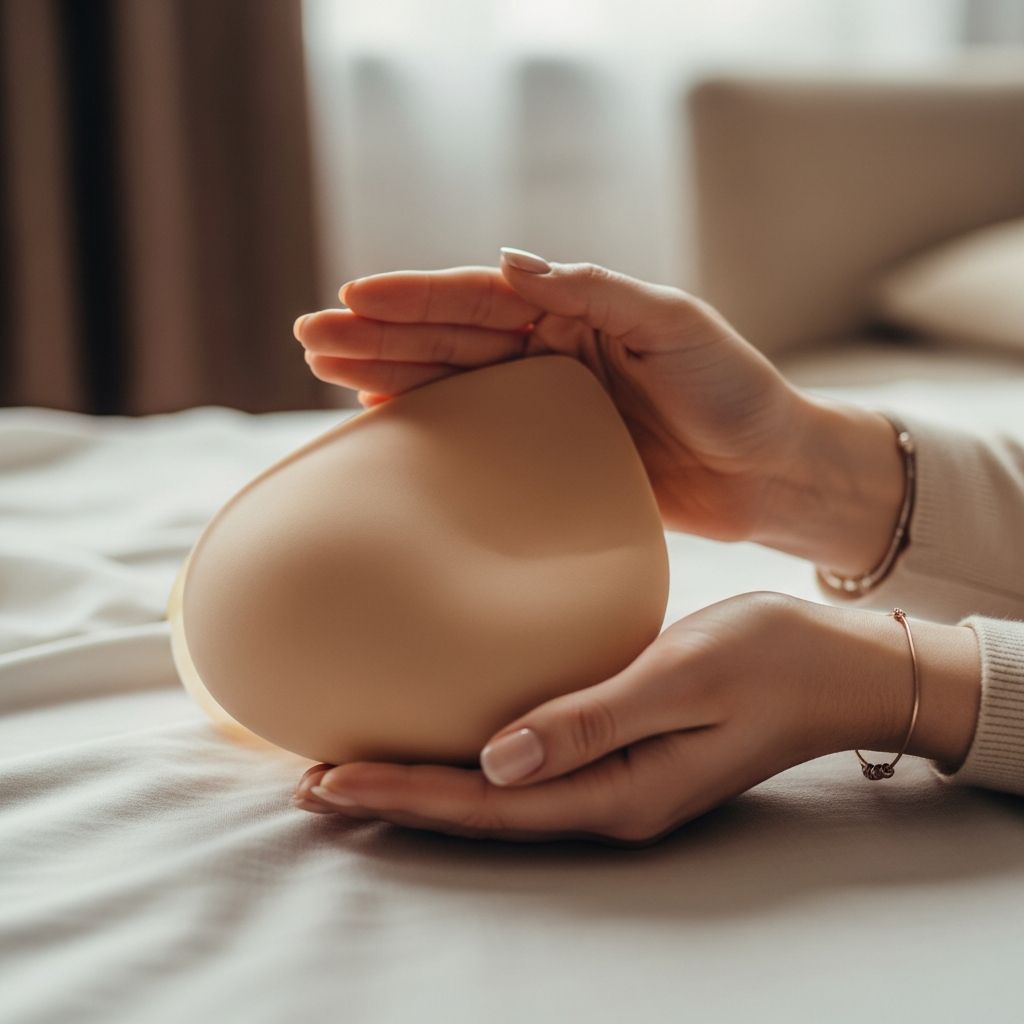
Understanding Postmastectomy Prosthesis
A postmastectomy prosthesis, commonly referred to as a breast form or breast prosthesis, is an external medical device designed to restore the natural appearance of the breast following a mastectomy. These prostheses are custom-fitted devices that replace the volume and contour of the breast tissue removed during surgery. Unlike breast reconstruction surgery, which involves implants placed beneath the chest wall, a prosthesis sits on top of the chest and can be worn inside specially designed bras or, in some cases, attached directly to the skin using medical adhesive. Postmastectomy prostheses are available in various materials, sizes, shapes, and skin tones to match the individual needs and preferences of each patient.
Types of Postmastectomy Prostheses
There are several types of postmastectomy prostheses available, each designed to address different surgical outcomes and personal preferences. Understanding the various options can help you make an informed decision about which prosthesis best suits your lifestyle and comfort needs.
Full or Standard Prostheses
A full prosthesis is designed for women who have had a complete or radical mastectomy, where the entire breast tissue has been removed. These comprehensive breast forms are available in both right and left positions and come in various sizes, shapes, and skin tones to closely match your remaining breast. Full prostheses are matched to replicate the size, shape, and skin tone of your other breast to create a natural, balanced appearance. If you have had both breasts removed, you can select the size you feel most comfortable with. These forms are ideal for restoring symmetry and can help prevent the physical imbalance that many women experience after mastectomy.
Partial or Shaped Prostheses
Partial prostheses are designed for women who have had part of their breast removed during breast-conserving surgery or lumpectomy. These forms are specifically shaped to fill out the breast outline and restore volume to create a more balanced appearance between the two breasts. When tissue removal during lumpectomy creates noticeable asymmetry, or when radiation therapy causes the breast to appear smaller, a partial prosthesis can help restore your natural silhouette. These forms are typically worn inside a bra and are made of the same silicone material as most full prostheses, providing a natural feel and appearance.
Silicone Prostheses
Silicone prostheses are among the most popular options available today. These breast forms are made with full-body silicone and provide a natural look and feel that closely mimics the weight and movement of a natural breast. Silicone prostheses are ideal for everyday wear and can help balance your posture by distributing weight evenly. They typically last between two to three years with proper care. Many silicone prostheses are available in weighted versions to help people feel more balanced after having only one breast removed. Some silicone forms come with a small air pump that allows you to adjust the volume to achieve your desired appearance and comfort level.
Lightweight or Nonsilicone Prostheses
Lightweight prostheses, also called leisure forms, are usually made of foam, fiberfill, polyfill, or beaded materials encased in a cloth or foam shell. These prostheses are designed to be significantly lighter than silicone alternatives, making them an excellent choice for immediate post-surgery use, recovery periods, or activities like swimming. Many women choose to use a lightweight breast form while recovering from mastectomy surgery and then switch to a silicone prosthesis later. Lightweight forms are generally easier to wear and require less maintenance than silicone prostheses. However, they need to be replaced more frequently—typically every six months to one year—compared to silicone forms that last two to three years. These forms can usually be handwashed and air-dried, making them convenient for daily care.
Related Stories



Custom-Made Silicone Prostheses
A custom-made silicone prosthesis is created specifically for your body to provide the most precise fit and natural appearance. To have a custom prosthesis made, you visit a specialized shop that offers this service. A certified mastectomy fitter will scan your chest and upper body using advanced technology to create detailed three-dimensional images. These images are then sent to the manufacturer, who designs a prosthesis that fits the exact shape of your chest wall. If you had a single mastectomy, the prosthesis can be designed to match the size, shape, and weight of your other breast precisely. Custom prostheses also allow you to match your exact skin tone and choose the shape and color of the nipple and areola. While custom prostheses typically cost more than standard options, they provide unparalleled comfort and a natural appearance.
Shapers or Shells
A shaper or shell is a breast form made of foam, fiberfill, or silicone that is worn over part or all of the breast after lumpectomy and/or radiation therapy. These treatments can reduce breast volume, and a shaper can create the appearance of more volume so that both breasts look more balanced. Shapers can also be worn after reconstruction if one breast is smaller than the other following surgery.
Materials Used in Prostheses
The material composition of your prosthesis significantly impacts its comfort, durability, and natural appearance. Here is an overview of common materials:
| Material Type | Characteristics | Durability | Best For |
|---|---|---|---|
| Silicone | Natural look and feel, realistic weight and movement | 2-3 years | Everyday wear, all-day comfort |
| Foam | Lightweight, easy to care for, quick-drying | 6-12 months | Initial recovery, swimming, activities |
| Fiberfill | Soft and lightweight, comfortable alternative to silicone | 6-12 months | Light everyday wear, preferred lightness |
| Beaded Materials | Lightweight, breathable option | 6-12 months | Activities and warm weather |
Benefits of Postmastectomy Prosthesis
Choosing to wear a postmastectomy prosthesis offers numerous physical and emotional benefits that can significantly improve your quality of life following breast cancer surgery.
Physical and Aesthetic Benefits
Postmastectomy prostheses create an external breast mound in the reconstructed area, preventing unwanted disfigurement and helping you maintain a natural appearance under clothing. They help the upper body look and feel more balanced, especially if only one breast was removed. A well-fitted prosthesis can help you wear clothes you already owned before your breast cancer diagnosis, eliminating the need to purchase an entirely new wardrobe. Prostheses also help support proper posture and can make wearing a bra more comfortable by keeping it from shifting. For many women, this physical restoration is crucial to their recovery process.
Protection and Comfort
Breast prostheses act as a protective cushion between your skin and any external contact, helping protect your chest wall and surgical scars. They provide warmth to the area and help reduce physical discomfort during the recovery period. Some prostheses come in weighted versions that help people feel more balanced after having only one breast removed, which can alleviate stress and friction on sensitive areas of the chest wall.
Psychological and Emotional Benefits
Beyond the physical advantages, prostheses help reduce the feeling of physical imbalance following mastectomy surgery, which helps women feel comfortable with their bodies again during treatment and recovery. Many women report improved self-confidence and a greater sense of normalcy when wearing a prosthesis. The ability to choose whether and when to wear a prosthesis provides a sense of control and autonomy in your recovery journey.
Health-Related Benefits
Postmastectomy prostheses help prevent musculoskeletal problems that can develop due to asymmetry or imbalanced weight distribution. By restoring balance to the upper body, a prosthesis can help prevent strain on your neck, shoulders, and back. When custom-made, a prosthesis distributes your weight exactly as needed, which may entirely alleviate stress and friction on sensitive areas of the chest wall.
Why Women Choose Prostheses
Women choose to wear breast prostheses for various personal and medical reasons. Some women decide to go flat after mastectomy but want the appearance of a breast shape under clothes for specific occasions or social situations. Others are delaying reconstruction after mastectomy but want the appearance of a breast shape in the meantime while they consider their long-term options. Some women choose to go flat after having an implant removed due to complications such as painful scar tissue or implant rupture. Going flat and using a breast prosthesis can bring peace of mind for people who are no longer comfortable having an implant in their bodies. If a woman feels unsure about undergoing breast reconstruction, she may choose to go flat after mastectomy to allow more time to decide. Trying out a breast prosthesis can help someone see how they might look with reconstruction before making a permanent surgical decision.
Getting Fitted for Your Prosthesis
Proper fitting is essential to ensure comfort and a natural appearance. A certified mastectomy fitter will measure your torso and assess the volume needed to reconstruct your breast properly. For partial mastectomies, the fitter will determine the exact measurements of the upper or lower breast portion that needs to be replaced. Some women may need an additional form to cover the nipple area when undergoing partial mastectomy. During the fitting process, you can try different prostheses to find the one that feels most comfortable and looks most natural to you. The fitter will also help you select the appropriate skin tone and can discuss options for nipple and areola customization if desired.
Wearing and Caring for Your Prosthesis
Most prostheses slip inside a specially designed pocketed mastectomy bra or can be worn inside a regular bra with a prosthesis pocket insert. Some prostheses can be attached directly to your skin using medical adhesive for a more seamless appearance. Lightweight forms can usually be handwashed and air-dried. Silicone prostheses typically require more careful cleaning and may need professional maintenance periodically. Always follow the manufacturer’s care instructions to ensure your prosthesis lasts as long as possible and maintains its appearance and functionality.
Choosing the Right Prosthesis for You
Selecting the right prosthesis depends on several factors, including the type of surgery you had, your lifestyle, activity level, climate, and personal preferences. Consider whether you prefer the realistic feel and appearance of silicone or the lightweight comfort of foam or fiberfill. Think about how often you plan to wear the prosthesis and whether you need different options for various activities. Discuss your preferences with your certified mastectomy fitter, who can recommend options based on your specific needs and help you find the perfect fit.
Frequently Asked Questions
Q: How long does a breast prosthesis last?
A: The lifespan depends on the material. Silicone prostheses typically last two to three years with proper care, while lightweight foam or fiberfill forms need to be replaced every six to twelve months.
Q: Can I wear a regular bra with a prosthesis?
A: Yes, many women wear prostheses in regular bras with pocket inserts. However, specially designed pocketed mastectomy bras are specifically engineered to hold prostheses securely and comfortably.
Q: Are custom prostheses worth the extra cost?
A: Custom prostheses offer superior fit and comfort since they are made specifically for your body. Many women find the investment worthwhile for the enhanced comfort and natural appearance, though standard prostheses work well for many patients.
Q: Can I wear a prosthesis while swimming?
A: Lightweight foam prostheses are ideal for swimming and water activities. Silicone prostheses are generally not recommended for prolonged water exposure. Some women choose to go without a prosthesis while swimming.
Q: How do I know what size prosthesis I need?
A: A certified mastectomy fitter will measure your torso and assess your needs. For full mastectomies, they will match the size of your remaining breast. For partial mastectomies, they will determine the volume needed based on the tissue removed.
Q: Will insurance cover the cost of a breast prosthesis?
A: Many insurance plans do cover breast prostheses, especially if they are prescribed by your healthcare provider. Contact your insurance company to verify coverage and any requirements for reimbursement.
Q: Can I adjust the volume of my prosthesis?
A: Some silicone prostheses come with a small air pump that allows you to adjust the volume. This feature can be helpful for fine-tuning comfort and appearance to match your other breast.
Q: How should I clean and care for my prosthesis?
A: Care instructions vary by material. Lightweight forms can usually be handwashed and air-dried. Silicone prostheses may require specific cleaning solutions or professional maintenance. Always follow manufacturer guidelines for optimal care.
References
- Using a Breast Prosthesis After a Mastectomy — Living Beyond Breast Cancer (LBBC). Accessed December 2025. https://www.lbbc.org/about-breast-cancer/treatments/breast-reconstruction/using-prosthesis
- Breast Prostheses and Bras for Cancer Patients — Dana-Farber Cancer Institute. Accessed December 2025. https://www.dana-farber.org/patient-family/support-services/friends-place-boutique/services/breast-prostheses-bras
- Types of Breast Prosthesis — Breast Cancer Now. Accessed December 2025. https://breastcancernow.org/about-breast-cancer/life-after-treatment/your-body-after-breast-cancer-treatment/breast-prosthesis/types-of-breast-prosthesis
- Explore Types of Mastectomy Prosthetics Options — Hortons O&P. Accessed December 2025. https://www.hortonsoandp.com/explore-types-of-mastectomy-prosthetics-options/
- Choosing the Right Mastectomy Supplies: A Comprehensive Guide — ThedaCare Home Medical. Accessed December 2025. https://homemedical.thedacare.org/blog/post/choosing-the-right-mastectomy-supplies-a-comprehensive-guide
- Choosing a Prosthesis After Breast Cancer Surgery — Kaiser Permanente Health Encyclopedia. Accessed December 2025. https://healthy.kaiserpermanente.org/health-wellness/health-encyclopedia/he.choosing-a-prosthesis-after-breast-cancer-surgery.abk4220
- Breast Prostheses — Cancer Council NSW. Accessed December 2025. https://www.cancercouncil.com.au/cancer-information/managing-cancer-side-effects/breast-prostheses-and-reconstruction/breast-prostheses/
Similar Articles








Read full bio of medha deb