Postmenopausal Bleeding: 4 Causes, When To See A Doctor
Understand causes, risks, and essential steps for postmenopausal bleeding to protect your health effectively.
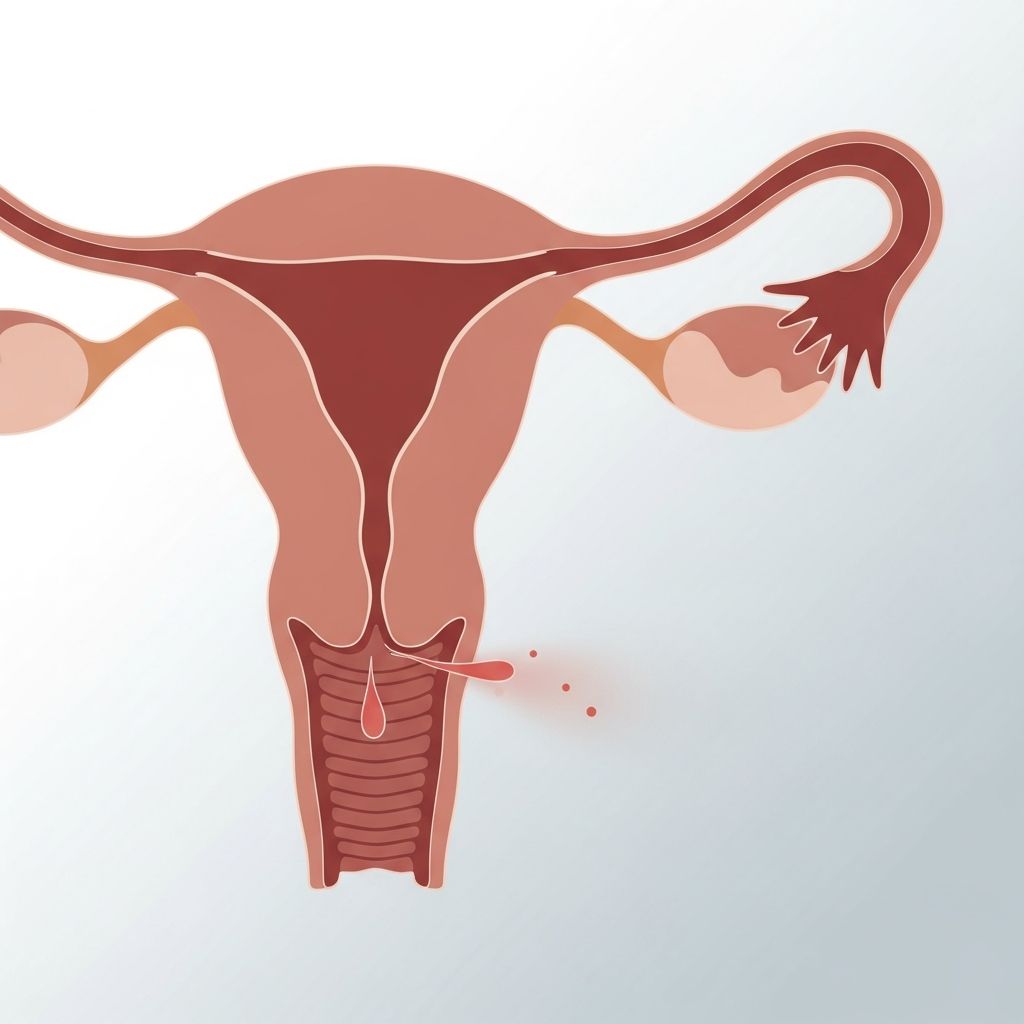
Vaginal bleeding after menopause, defined as 12 months without a menstrual period, is not normal and warrants immediate medical attention. While often benign, it can signal serious conditions like cancer in about 10% of cases.
Defining Postmenopausal Bleeding
Postmenopausal bleeding refers to any vaginal blood loss occurring a year or more after the last menstrual period. It may appear as light spotting, pinkish-gray discharge, or heavier flow resembling a period. This symptom affects women typically over 50 and requires evaluation to rule out malignancy.
Healthcare providers emphasize that even minimal spotting should prompt a visit, as early detection improves outcomes for underlying issues. The bleeding originates from the genital tract but can sometimes be mistaken for urinary or rectal sources.
Common Causes of Bleeding After Menopause
Several factors contribute to this symptom, with atrophy being the leading cause in up to 60% of cases. Below are key contributors:
- Genitourinary atrophy: Low estrogen thins vaginal and uterine linings, causing fragility, dryness, and bleeding, especially after intercourse.
- Polyps: Benign growths on the cervix, uterus, or endometrium that bleed easily due to friction or size.
- Endometrial hyperplasia: Thickened uterine lining from excess estrogen, potentially precancerous if untreated.
- Infections: Vaginitis, cervicitis, or STIs like chlamydia leading to inflammation and spotting.
These account for most instances, but persistent evaluation is essential.
Serious Underlying Conditions
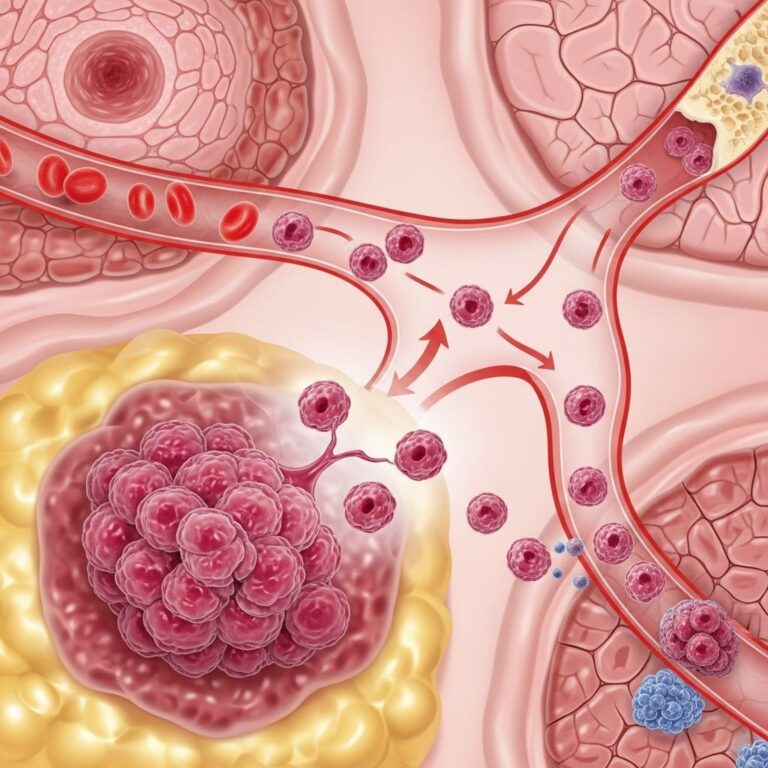
While benign causes dominate, postmenopausal bleeding flags potential cancers. Endometrial cancer presents via bleeding in 90% of cases, making it a critical differential.
| Condition | Description | Risk Level |
|---|---|---|
| Endometrial Cancer | Malignancy of uterine lining; 9-10% of bleeding cases. | High |
| Cervical or Vaginal Cancer | Rare but signaled by postcoital bleeding. | High |
| Endometrial Hyperplasia | Abnormal thickening; can progress to cancer. | Moderate to High |
| Fibroids or Leiomyomas | Benign tumors causing irregular bleeding. | Low |
Obesity, diabetes, and hormone therapy elevate risks for hyperplasia and cancer.
Other Contributing Factors
Medications like tamoxifen, anticoagulants, or HRT can induce bleeding. Thyroid disorders, coagulopathies, or foreign bodies (e.g., forgotten tampons) also play roles. Non-gynecologic sources like urinary tract issues may mimic vaginal bleeding.
When to Contact a Doctor
Seek care immediately for any bleeding post-menopause. Do not dismiss as ‘normal.’ Associated symptoms like pelvic pain, fever, or weight loss heighten urgency. History of HRT, obesity, or family cancer risk necessitates prompt evaluation.
Diagnostic Approaches
Evaluation starts with a detailed history and physical exam, including pelvic assessment for tenderness or masses. Transvaginal ultrasound measures endometrial thickness; stripes over 4mm prompt biopsy.
- Endometrial biopsy: Office procedure sampling uterine lining for abnormalities.
- Hysteroscopy: Camera visualization of uterus for polyps or lesions.
- Saline sonohysterography: Enhanced ultrasound detecting intracavitary issues.
These confirm or exclude malignancy efficiently.
Treatment Options by Cause
Treatments target the root issue:
- Atrophy: Topical estrogen creams restore tissue health.
- Polyps: Hysteroscopic removal.
- Hyperplasia: Progestin therapy or D&C; hysterectomy if atypical.
- Cancer: Surgery, radiation, or chemotherapy per stage.
Follow-up ensures resolution and monitors recurrence.
Prevention and Risk Reduction
Related Stories



Maintain healthy weight, manage diabetes, and discuss HRT risks with providers. Regular gynecologic exams aid early detection. Smoking cessation and balanced diet support hormonal balance.
Frequently Asked Questions (FAQs)
Is postmenopausal bleeding always cancer?
No, only about 10% link to uterine cancer; most stem from atrophy or polyps.
Can exercise cause it?
No, physical stress does not trigger postmenopausal bleeding.
How soon should I see a doctor?
Immediately—delays risk missing treatable conditions.
Does HRT cause bleeding?
It can thicken the endometrium, leading to hyperplasia and bleeding.
What if bleeding is light spotting?
Any amount post-menopause requires evaluation.
Living with Menopause Confidently
Postmenopausal bleeding, though alarming, is manageable with swift action. Routine check-ups and symptom awareness empower women to prioritize health. Consult specialists for personalized guidance.
Expanded insights reveal atrophy’s prevalence due to hypoestrogenic states post-menopause. The endometrium, once hormone-responsive, thins dramatically, fostering microerosions and spotting. Vaginal tissues similarly atrophy, heightening postcoital bleed risk. Polyps, vascular outgrowths, disrupt normal shedding. Hyperplasia arises from unopposed estrogen, common in obesity where adipose converts androgens to estrogen.
Cancer vigilance stems from statistics: 90% of endometrial cases debut with bleeding, underscoring investigation’s imperative. Diagnostic ultrasound’s endometrial stripe metric guides biopsies; thin stripes (<4mm) reassure, thicker ones alarm. Biopsies, though uncomfortable, offer high accuracy for hyperplasia or atypia.
Treatments evolve: low-dose vaginal estrogen revolutionizes atrophy care, minimizing systemic effects. Polypectomies via outpatient hysteroscopy preserve fertility where relevant, though rare post-menopause. Hyperplasia management balances medical (progestins) and surgical options. Oncologic protocols, per NCCN guidelines, stage-direct therapies from hysterectomy to adjuvant radiation.
Risk profiles interlink: PCOS, nulliparity, late menopause heighten odds. Tamoxifen’s estrogenic uterine effects mirror hyperplasia risks, mandating surveillance. Anticoagulants amplify minor bleeds, complicating attribution.
Patient education mitigates anxiety: most resolve benignly, yet vigilance saves lives. Multidisciplinary teams—gynecologists, oncologists—optimize outcomes. Lifestyle interventions like Mediterranean diets curb estrogen excess via weight control.
In summary, postmenopausal bleeding demands respect as a sentinel event. Proactive steps ensure health span extension in later years.
References
- Postmenopausal Bleeding — StatPearls, NCBI Bookshelf, NIH. 2023-07-17. https://www.ncbi.nlm.nih.gov/books/NBK562188/
- Postmenopausal bleeding — NHS. 2023. https://www.nhs.uk/symptoms/post-menopausal-bleeding/
- Bleeding after menopause: A concern? — Mayo Clinic. 2023-10-20. https://www.mayoclinic.org/diseases-conditions/menopause/expert-answers/bleeding-after-menopause/faq-20058396
- Postmenopausal Bleeding: Causes, Diagnosis & Treatment — Cleveland Clinic. 2023-11-01. https://my.clevelandclinic.org/health/diseases/21549-postmenopausal-bleeding
- Bleeding After Menopause Could Be a Problem. Here’s What to Know — ACOG. 2024-02-14. https://www.acog.org/womens-health/experts-and-stories/the-latest/bleeding-after-menopause-could-be-a-problem-heres-what-to-know
Similar Articles








Read full bio of medha deb