Postpartum Depression Symptoms: Signs, Risks, Treatment
Recognize the signs of postpartum depression, distinguish it from baby blues, and learn when to seek help for new mothers.

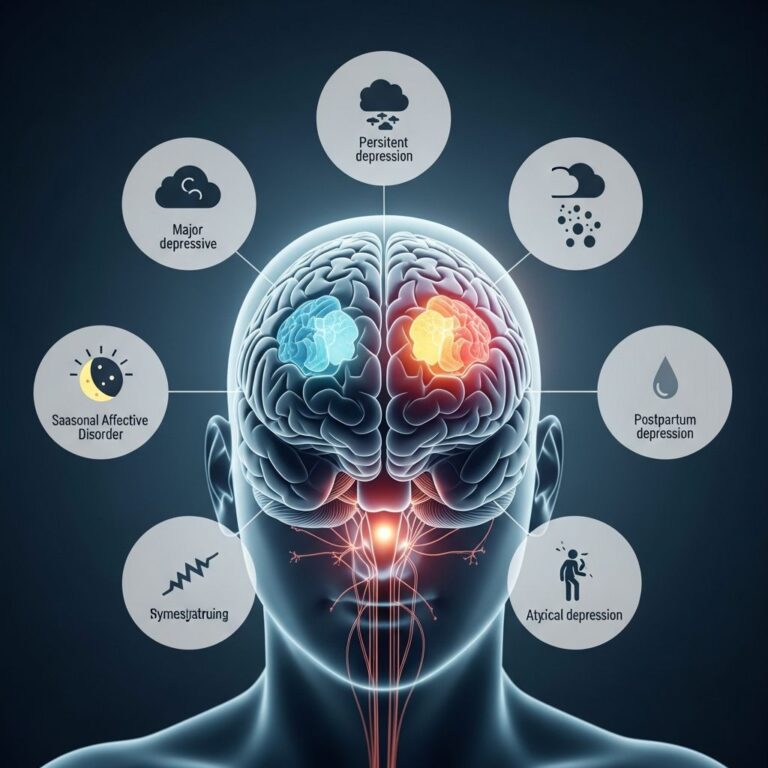
Postpartum depression (PPD) affects up to 15% of new mothers, causing severe sadness, anxiety, and interference with daily life, unlike the milder, short-lived baby blues. Early recognition of symptoms is crucial for effective treatment and supporting both maternal and infant well-being.
What Is Postpartum Depression?
Postpartum depression is a serious mood disorder occurring after childbirth, characterized by persistent feelings of sadness, hopelessness, and disinterest that can last weeks to months if untreated. It impacts about 1 in 7 new moms and requires professional intervention, distinguishing it from the common baby blues that resolve within two weeks. Unlike baby blues, PPD involves more intense emotional lows, physical exhaustion, and potential bonding issues with the baby.
The condition arises from a mix of hormonal shifts post-delivery, sleep deprivation, and psychosocial stressors, making new mothers vulnerable. Symptoms can emerge within the first week or up to a year postpartum, emphasizing the need for ongoing monitoring.
Baby Blues vs. Postpartum Depression
Many new mothers—up to 75%—experience baby blues, starting 2-3 days after delivery with mood swings, crying, anxiety, and sleep issues that fade within 10-14 days. In contrast, postpartum depression features prolonged, severe symptoms like overwhelming fatigue, guilt, and withdrawal.
| Aspect | Baby Blues | Postpartum Depression |
|---|---|---|
| Onset | 2-3 days post-delivery | Within 1 week to 1 year |
| Duration | Up to 2 weeks | Weeks to months or longer |
| Symptoms Intensity | Mild: mood swings, crying | Severe: hopelessness, bonding issues |
| Treatment Needed | Usually self-resolves | Therapy, medication required |
Symptoms of Postpartum Depression
Symptoms vary from mild to severe and must persist for at least two weeks to meet diagnostic criteria, often mirroring major depressive disorder. Common signs include:
- Depressed mood or severe mood swings
- Excessive crying or sadness
- Difficulty bonding with the baby
- Loss of appetite or overeating
- Insomnia or sleeping too much
- Overwhelming fatigue and low energy
- Loss of interest in previously enjoyable activities
- Intense irritability, anger, or restlessness
- Fears of being a bad mother, worthlessness, or guilt
- Hopelessness or suicidal thoughts
- Impaired concentration, decision-making
- Severe anxiety or panic attacks
Physical symptoms like appetite and sleep changes complicate differentiation from newborn care demands; women with PPD often cannot sleep even when the baby does.
Postpartum Psychosis: A Medical Emergency
Postpartum psychosis, rare at 1 in 1,000 births, emerges within the first week post-delivery with severe symptoms like confusion, hallucinations, delusions, paranoia, hyperactivity, and risks of self-harm or infant harm. This requires immediate hospitalization, antipsychotics, and therapy due to life-threatening potential.
Risk Factors for Postpartum Depression
Several factors increase PPD susceptibility:
- Personal or family history of depression
- Prenatal depression or anxiety
- Previous PPD (30% recurrence risk)
- Stressful life events or lack of support
- Sleep deprivation and overwhelming responsibilities
- Relationship problems or unintended pregnancy
- Thyroid disorders or chronic illnesses
- Substance use history
Mothers with multiple risk factors warrant closer screening. Partners face a 4% risk in the first year postpartum.
Effects on Mother, Baby, and Family
Untreated PPD leads to chronic depression, with symptoms potentially improving but persisting up to a year. Mothers may struggle with self-care and bonding, fostering infant emotional issues, cognitive delays, and insecure attachments. Families experience heightened stress; early intervention mitigates these long-term consequences. CDC data shows 7.2% of women have depressive symptoms at 9-10 months postpartum, over half without earlier detection.
When to See a Doctor
Seek help if baby blues persist beyond two weeks, symptoms intensify, or include suicidal thoughts, harm ideation, or psychosis signs. Contact a provider immediately for severe anxiety, withdrawal, or bonding failure. Screening tools like the Edinburgh Postnatal Depression Scale aid diagnosis.
Related Stories



Diagnosis
Healthcare providers assess via interviews, symptom checklists, and ruling out other conditions like thyroid issues. The DSM criteria for major depression apply, adapted for postpartum onset.
Treatment Options
PPD responds well to:
- Psychotherapy: Cognitive behavioral therapy (CBT) addresses negative thoughts
- Medications: SSRIs like sertraline are safe for breastfeeding
- Support Groups: Peer connections reduce isolation
- Lifestyle: Rest, nutrition, exercise
For psychosis, inpatient care with antipsychotics and mood stabilizers is standard. Partners should also seek evaluation.
Prevention and Support Strategies
Preventive measures include prenatal education, social support, and early screening. Loved ones can help by:
- Encouraging professional help without judgment
- Assisting with baby care for rest
- Providing meals and household support
- Listening empathetically
Self-care like short walks, healthy eating, and mindfulness aids recovery.
Frequently Asked Questions (FAQs)
How long do postpartum depression symptoms last?
Symptoms can persist months without treatment but often improve with therapy and medication within weeks.
Can dads get postpartum depression?
Yes, about 4% of partners experience it; seek care for shared symptoms.
Is postpartum depression the same as postpartum anxiety?
No, though overlapping; anxiety emphasizes panic and obsessions, but both need evaluation.
Will postpartum depression affect my baby?
Untreated, yes—potentially causing developmental issues; treatment protects infant outcomes.
How is postpartum depression treated while breastfeeding?
Safe antidepressants like sertraline are commonly prescribed; discuss with your doctor.
References
- Postpartum depression – Symptoms and causes — Mayo Clinic. 2023-10-15. https://www.mayoclinic.org/diseases-conditions/postpartum-depression/symptoms-causes/syc-20376617
- Postpartum Depression: Causes, Symptoms & Treatment — Cleveland Clinic. 2023-11-01. https://my.clevelandclinic.org/health/diseases/9312-postpartum-depression
- Consequences of maternal postpartum depression: A systematic review — PMC (NCBI). 2019-04-01. https://pmc.ncbi.nlm.nih.gov/articles/PMC6492376/
- Postpartum Major Depression — American Academy of Family Physicians (AAFP). 2010-10-15. https://www.aafp.org/pubs/afp/issues/2010/1015/p926.html
- Postpartum depression — Office on Women’s Health. 2023-05-01. https://womenshealth.gov/mental-health/mental-health-conditions/postpartum-depression
- Timing of Postpartum Depressive Symptoms — CDC. 2023-01-01. https://www.cdc.gov/pcd/issues/2023/23_0107.htm
Similar Articles








Read full bio of medha deb