Postpartum Hair Loss: Causes, Timeline, and Solutions
Understanding postpartum hair loss: Why it happens, when to expect it, and how to manage it effectively.
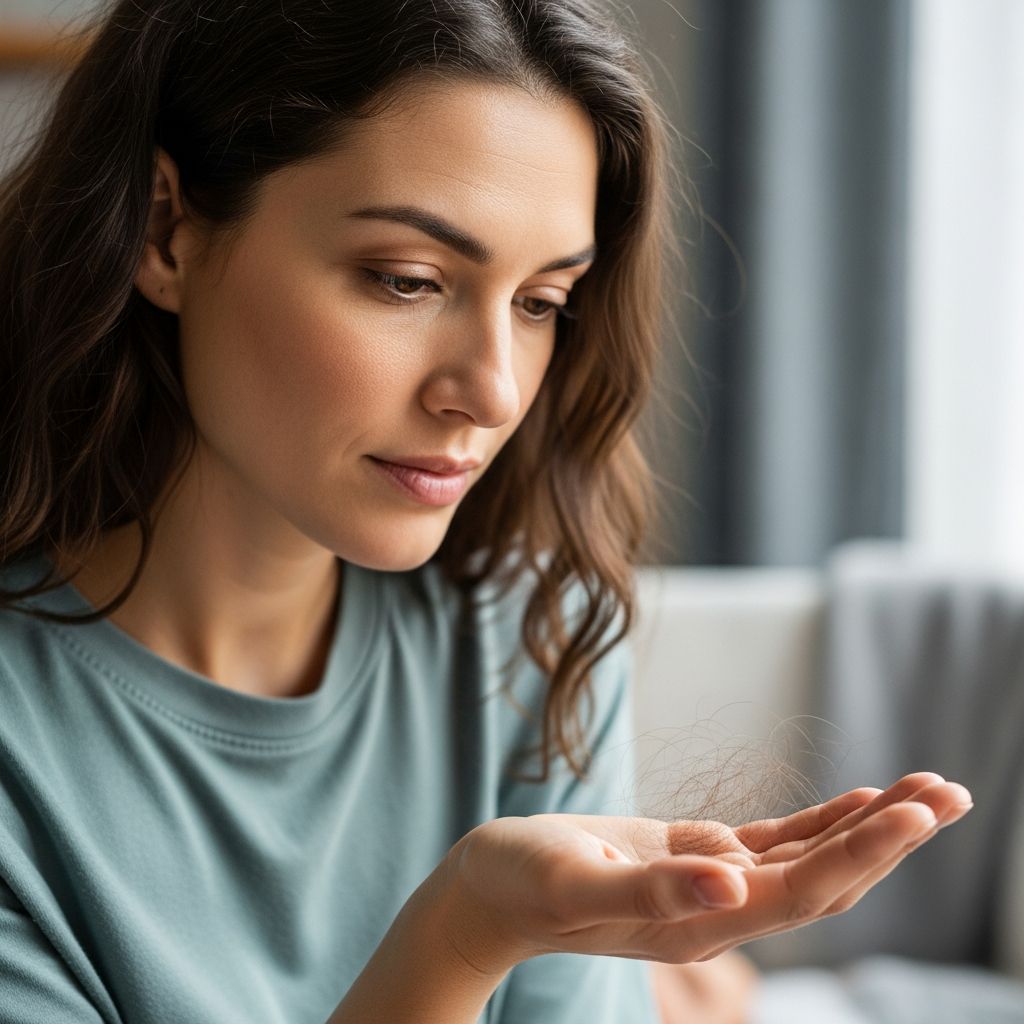
Understanding Postpartum Hair Loss
Postpartum hair loss is a common and temporary condition that affects a significant portion of women following childbirth. Research indicates that approximately 40 to 50 percent of women experience postpartum hair loss, while some studies have found rates exceeding 90 percent among participants. Despite its prevalence, many new mothers feel alarmed when they notice excessive hair shedding in the months following delivery. Understanding this condition—its causes, timeline, and management strategies—can help reduce anxiety and guide appropriate responses to this natural physiological process.
What Is Postpartum Hair Loss?
Postpartum hair loss, medically known as postpartum telogen effluvium, is a form of temporary hair shedding that occurs after pregnancy. Unlike some forms of hair loss that involve permanent follicle damage, postpartum hair loss is a reversible condition where hairs prematurely enter the resting phase of the hair growth cycle and subsequently shed. The hair follicles themselves remain healthy and capable of producing new hair, making this condition self-limiting in most cases.
The Hair Growth Cycle
To understand postpartum hair loss, it helps to understand the normal hair growth cycle. Hair growth occurs in distinct phases: the anagen phase, during which hair actively grows; the catagen phase, a brief transitional period; and the telogen phase, the resting period before the hair is shed. Under normal circumstances, approximately 10 to 15 percent of all hairs on the body are in the resting phase at any given time, and it is completely normal to shed about 50 to 100 hairs per day. However, during and after pregnancy, this cycle becomes disrupted, causing a much larger proportion of hairs to enter the resting phase simultaneously.
Why Postpartum Hair Loss Occurs
Hormonal Changes During Pregnancy
The primary cause of postpartum hair loss is the dramatic shift in hormone levels that occurs after childbirth. During pregnancy, elevated estrogen and progesterone levels extend the active growth phase of hair, resulting in thicker, fuller, and longer hair that many women notice and appreciate during gestation. This hormonal environment essentially keeps more hairs in the growing phase longer than they would normally remain.
Estrogen Decline After Birth
Following delivery, estrogen and progesterone levels drop dramatically and rapidly. This sudden hormonal shift signals a large number of hair follicles to exit the growth phase and enter the resting phase. The research indicates that this hormone-driven transition may be further influenced by other factors, including longer-term breastfeeding and preterm labor, which correlate with more severe postpartum hair loss. The extended breastfeeding may prolong the suppression of estrogen levels, thereby extending the period during which hair loss occurs.
Additional Contributing Factors
Beyond hormonal changes, postpartum hair loss may be precipitated by multiple physiological and psychological stressors. The physical stress of childbirth, including blood and fluid loss, combined with sleep deprivation and the adjustment to caring for a newborn, can all contribute to disrupting the hair growth cycle. Psychological factors, including postpartum depression and anxiety, may also exacerbate hair loss. Additionally, nutritional deficiencies—particularly in iron, zinc, and other micronutrients that may be depleted during pregnancy and lactation—can contribute to more severe hair shedding.
Timeline of Postpartum Hair Loss
Understanding when to expect postpartum hair loss helps new mothers recognize this as a normal process rather than a cause for concern. Research indicates that postpartum hair loss typically follows a predictable timeline:
Related Stories



Onset: Hair loss usually begins between one and six months after childbirth, with most women noticing increased shedding around three to six months postpartum. The average time for the start of hair loss is approximately 2.9 months after delivery.
Peak: The most noticeable hair loss typically occurs around four to five months postpartum, with research indicating an average peak at 5.1 months after delivery. During this period, women may notice significantly more hair in their hairbrush, shower drain, or on their clothing.
Resolution: Hair loss gradually decreases and typically resolves by 8 to 12 months postpartum, with studies showing an average resolution time of 8.1 months. By this time, estrogen levels have stabilized, and the hair growth cycle returns to normal, with most women noting that their hair has returned to pre-pregnancy thickness.
Hair Care Tips During Postpartum Hair Loss
While postpartum hair loss cannot be completely prevented, several practical hair care strategies can help minimize damage and make hair appear fuller during this temporary phase:
Use Volumizing Shampoo: Volumizing shampoos contain proteins that can coat the hair shaft and make individual strands appear thicker, creating the illusion of fuller hair even during periods of increased shedding.
Condition Wisely: Apply conditioner only to the ends of strands rather than the entire head. Conditioning the scalp and roots can weigh down hair, making it appear limp and thin. By focusing conditioner on the ends, you maintain volume at the roots where it matters most for creating a fuller appearance.
Be Gentle When Styling: Avoid tight hairstyles, excessive brushing, and harsh handling of wet hair. Wet hair is more fragile and prone to breakage. Instead, use a wide-toothed comb on wet hair and avoid vigorous brushing when hair is still damp.
Minimize Heat Damage: Reduce the use of hair dryers, curling irons, and straighteners. The heat and mechanical stress can increase hair breakage during a period when hair is already shedding more than normal. Air-drying when possible or using heat-protective products can help preserve remaining hair.
Nutritional Considerations
Adequate nutrition plays a supporting role in hair health during the postpartum period. Several micronutrients are particularly important for hair growth and should be maintained through diet and supplementation:
Iron: Iron deficiency is common postpartum and can contribute to hair loss. Continuing prenatal vitamins or taking specific iron supplements can help maintain adequate iron levels and may minimize hair loss related to deficiency.
Biotin and B Vitamins: Biotin, a B vitamin often promoted for hair health, may help strengthen individual hair strands. However, research suggests that biotin supplementation alone does not significantly reduce postpartum hair loss itself. If considering biotin supplements, consult your healthcare provider, as biotin can interfere with thyroid lab tests.
Zinc and Protein: Adequate protein intake and sufficient zinc are essential for hair growth and maintenance. Ensuring adequate consumption of lean meats, eggs, legumes, nuts, and seeds supports overall hair health.
Prenatal Supplement Continuation: Many healthcare providers recommend continuing prenatal vitamins throughout breastfeeding to prevent micronutrient deficiencies that could exacerbate hair loss.
Medical Treatments for Postpartum Hair Loss
For most women, postpartum hair loss resolves on its own without treatment. However, if hair loss is severe, prolonged, or causing significant psychological distress, several medical treatment options are available:
Topical Minoxidil: Better known by the brand name Rogaine, minoxidil is an over-the-counter topical treatment applied directly to the scalp. This medication works by opening hair follicles and promoting increased blood flow to the scalp, potentially stimulating new hair growth. Results typically take several months to become apparent.
Platelet-Rich Plasma (PRP) Therapy: This advanced treatment involves drawing a small amount of the patient’s own blood, processing it to concentrate platelets, and then injecting the platelet-rich plasma into the scalp. The growth factors in PRP may help repair blood vessels, reduce inflammation, and stimulate hair follicles, potentially promoting regrowth and improving overall scalp health.
Laser Therapy: Low-level laser therapy (LLLT), also called red light therapy, may stimulate hair follicles and improve blood circulation to the scalp. Some dermatologists offer this treatment as an adjunctive therapy for postpartum hair loss, though evidence for its effectiveness specifically in postpartum cases continues to develop.
Hair Growth Supplements: Some clinically-backed supplements, such as those containing a combination of vitamins, minerals, and botanical extracts, target underlying causes of postpartum hair loss including hormonal imbalance and stress. These should be discussed with a healthcare provider before use, particularly if breastfeeding.
When to Consult a Dermatologist
While postpartum hair loss is typically a benign and self-limiting condition, consultation with a dermatologist is advisable in certain circumstances:
Persistent Hair Loss: If hair loss continues beyond 12 months postpartum or worsens over time, medical evaluation is warranted to rule out other causes such as thyroid dysfunction or nutritional deficiency.
Severe Hair Loss: If hair loss is particularly extensive or causing significant distress, a dermatologist can assess your condition and discuss treatment options tailored to your needs.
Underlying Conditions: If you suspect that thyroid problems, nutritional deficiencies, or other medical conditions may be contributing to hair loss, a dermatologist can order appropriate tests and recommend specific interventions.
Early Intervention: For those seeking to minimize hair loss during the postpartum period, early consultation with a dermatologist enables prompt institution of treatments such as topical minoxidil or PRP therapy, which may provide faster, more noticeable results.
The Role of Breastfeeding
Breastfeeding itself does not directly cause hair loss; however, the timing coincides with the postpartum period when hair loss naturally occurs. Research has found that longer-term breastfeeding—extending beyond 12 months—may be associated with more prolonged or severe postpartum hair loss, possibly because extended lactation maintains suppressed estrogen levels. Despite this association, the benefits of breastfeeding substantially outweigh any concerns about postpartum hair loss. Women can help minimize hair loss related to nutritional depletion by continuing prenatal supplements throughout the breastfeeding period.
Psychological Impact and Coping Strategies
For many new mothers, noticing significant postpartum hair loss can be emotionally distressing, particularly if it affects self-image during an already challenging postpartum adjustment period. Recognizing that this condition is temporary, extremely common, and will resolve is the first step in managing the psychological impact. Connecting with other mothers who have experienced postpartum hair loss, maintaining realistic expectations about the timeline for recovery, and focusing on overall health rather than cosmetic concerns can help reduce anxiety. If postpartum hair loss is contributing to postpartum depression or anxiety, professional mental health support should be sought.
Frequently Asked Questions
Q: Is postpartum hair loss permanent?
A: No, postpartum hair loss is temporary and reversible. Hair typically returns to its normal thickness and growth cycle within 8 to 12 months postpartum as hormone levels stabilize. The hair follicles are not damaged and will continue producing new hair.
Q: Can I prevent postpartum hair loss?
A: Postpartum hair loss cannot be completely prevented as it is a natural consequence of hormonal changes after pregnancy. However, maintaining good nutrition, managing stress, being gentle with hair, and continuing prenatal vitamins may help minimize the severity of hair loss.
Q: When should I seek medical help for postpartum hair loss?
A: Most postpartum hair loss resolves without treatment. However, consult a dermatologist if hair loss persists beyond 12 months, is particularly severe, or if you suspect underlying thyroid or nutritional issues. Early intervention can provide faster results if desired.
Q: Does breastfeeding cause postpartum hair loss?
A: Breastfeeding itself does not cause hair loss, but longer-term breastfeeding may be associated with more prolonged hair loss due to continued suppression of estrogen levels. Continuing prenatal supplements while breastfeeding may help prevent hair loss related to nutritional deficiency.
Q: What treatments are available for severe postpartum hair loss?
A: Treatment options include topical minoxidil (Rogaine), platelet-rich plasma (PRP) therapy, laser therapy, and hair growth supplements. A dermatologist can assess your condition and recommend the most appropriate treatment based on severity and individual factors.
Q: Can postpartum hair loss be a sign of a serious condition?
A: While postpartum hair loss is typically benign and temporary, persistent hair loss beyond 12 months may indicate underlying thyroid dysfunction, iron deficiency, or other medical conditions. If hair loss doesn’t resolve as expected, medical evaluation is warranted.
References
- Postpartum Hair Loss: Treatment and More — The Bump. Accessed December 2025. https://www.thebump.com/a/postpartum-hair-loss
- Postpartum Hair Loss: Causes, Treatment & What to Expect — Cleveland Clinic. Accessed December 2025. https://my.clevelandclinic.org/health/diseases/23297-postpartum-hair-loss
- Postpartum Hair Loss: Causes, Diagnosis, and Treatment — GoodRx. Accessed December 2025. https://www.goodrx.com/conditions/hair-loss/postpartum-hair-loss
- Postpartum Hair Loss — Beacon Skin & Surgeries. Accessed December 2025. https://beaconskin.com/postpartum-hair-loss/
- Investigation of exacerbating factors for postpartum hair loss — National Center for Biotechnology Information (NIH). 2024. https://pmc.ncbi.nlm.nih.gov/articles/PMC10846762/
Similar Articles








Read full bio of Sneha Tete