Postpartum Psychosis: Symptoms, Causes, And Emergency Care
Understanding postpartum psychosis: symptoms, causes, urgent treatment, and recovery strategies for new mothers.
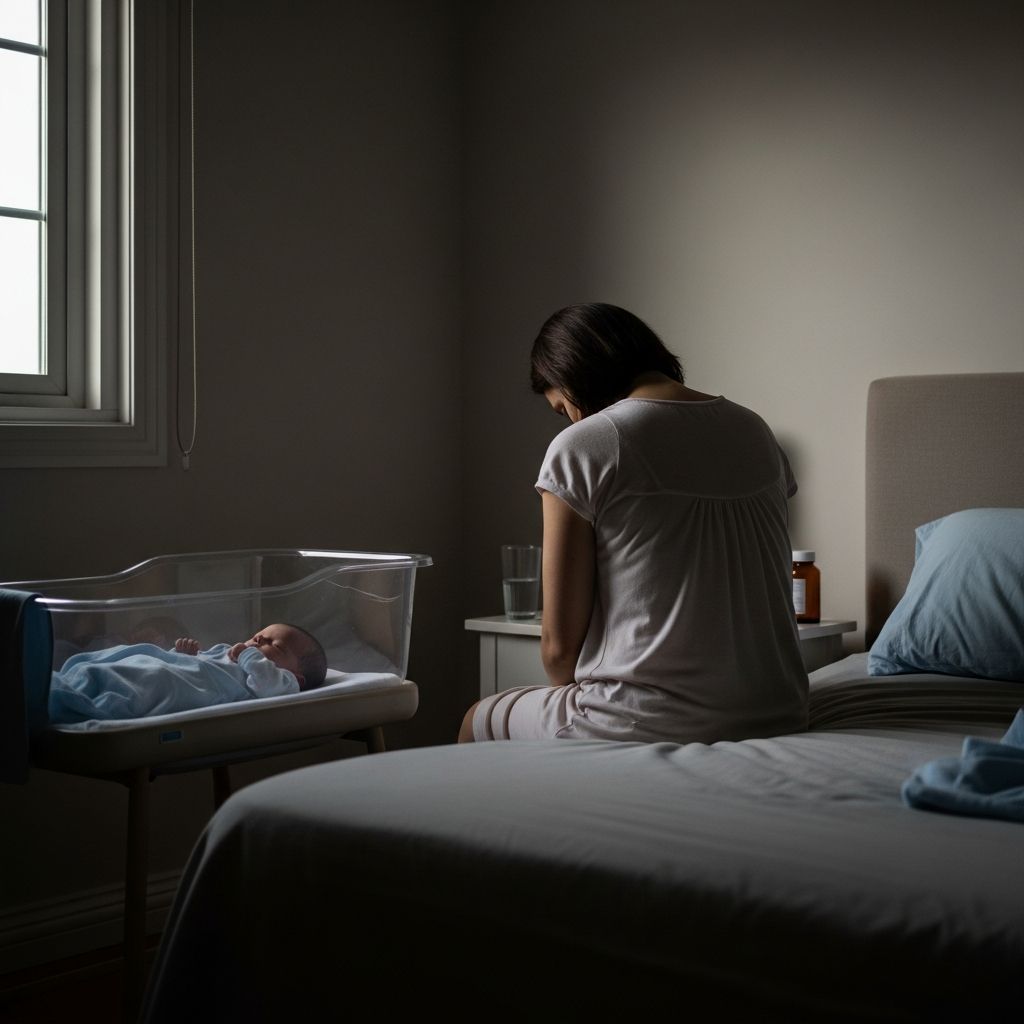
Postpartum psychosis is a rare but severe mental health condition that can develop rapidly in new mothers shortly after childbirth, typically within the first few weeks. It requires immediate medical intervention as it poses significant risks to both the mother and baby.
What is postpartum psychosis?
Postpartum psychosis (PP), also known as puerperal psychosis, is a psychiatric emergency characterized by a sudden onset of symptoms that severely impair a mother’s sense of reality. Unlike postpartum depression, which develops more gradually, PP often emerges within 2-14 days after delivery, affecting approximately 1-2 in 1,000 women. Symptoms include hallucinations, delusions, paranoia, extreme mood swings, and confusion, making it distinct from milder postnatal mood disorders.
The condition disrupts normal thinking, behavior, and emotional regulation, often leading to high energy levels, insomnia, and disorganized thoughts. It is considered a manifestation of bipolar disorder in many cases, triggered by childbirth.
Symptoms
Symptoms of postpartum psychosis appear abruptly and can escalate quickly. Common signs include:
- Hallucinations: Seeing, hearing, or feeling things that aren’t real, such as voices commanding harm to the baby or visions of religious figures.
- Delusions: Fixed false beliefs, like believing the baby is not theirs, is possessed, or that they have special powers.
- Paranoia and confusion: Intense mistrust of others or disorientation about time, place, or identity.
- Mania or high energy: Feeling overly excited, talking rapidly, or engaging in risky behaviors without sleep.
- Mood instability: Rapid shifts from elation to deep despair.
- Sleep disturbance: Inability to sleep despite exhaustion, which can worsen symptoms.
- Thoughts of harm: Rarely, delusions may involve infanticide or suicide, necessitating urgent intervention.
Early warning signs may include restlessness, irritability, or perplexing behavior noticed by family members.
Causes
The exact causes of postpartum psychosis are not fully understood but involve a combination of biological, genetic, and environmental factors. Childbirth triggers massive hormonal shifts, particularly in estrogen and progesterone, alongside sleep deprivation, which can precipitate episodes in vulnerable women.
Key risk factors include:
- Personal or family history of bipolar disorder: Up to 50% of women with PP have bipolar disorder, and a family history increases risk.
- Previous postpartum psychosis: Recurrence risk is 25-50% in subsequent pregnancies.
- Sleep deprivation: Prolonged labor or nighttime delivery heightens vulnerability.
- Primiparity: First-time mothers are at higher risk.
- Other factors: Thyroid dysfunction, autoimmune conditions, or recent stressors.
Unlike postpartum depression, socioeconomic stress or lack of support does not directly cause PP, though it affects recovery.
Risk factors
| Risk Factor | Description | Relative Risk Increase |
|---|---|---|
| Bipolar disorder history | Personal or family | 20-50 fold |
| Previous PP episode | In prior pregnancy | 25-50% recurrence |
| Sleep loss | From labor or caring | Significant trigger |
| First pregnancy | Primiparous women | 2-fold |
| Autoimmune thyroiditis | Pre-existing | Elevated |
Women with these risks should discuss prophylactic treatment with specialists before future pregnancies.
Diagnosis
Diagnosis involves ruling out organic causes like infection, thyroid issues, or substance use through blood tests, imaging, and clinical assessment. A psychiatrist evaluates symptoms against DSM-5 criteria for brief psychotic disorder or bipolar mania with psychotic features in the postpartum period.
Family input is crucial, as mothers may lack insight into their condition. Urgent hospital admission follows confirmation.
Treatment
Treatment is urgent, typically requiring hospitalisation in a specialist mother and baby unit (MBU) to keep mother and infant together, promoting bonding and monitoring. Goals are rapid symptom control and safety.
Medications
Pharmacological treatment combines:
- Antipsychotics: E.g., haloperidol (2-6 mg), olanzapine (10-15 mg) for delusions and hallucinations.
- Mood stabilisers: Lithium (serum 0.8-1.2 mmol/L) to prevent relapse; alternatives like valproate or lamotrigine if contraindicated.
- Antidepressants: For depressive features, alongside stabilisers.
- Benzodiazepines: Lorazepam (0.5-1.5 mg TID) for agitation and insomnia, tapered post-remission.
Medications are monitored for breastfeeding safety; many like SSRIs and short-acting benzodiazepines are compatible. Consult perinatal psychiatrist essential.
Related Stories



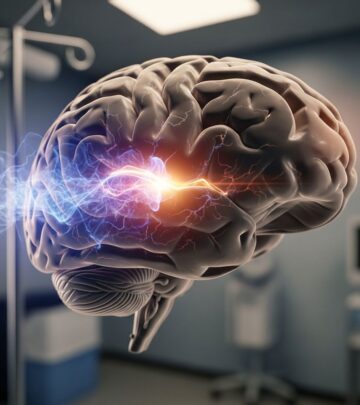
Electroconvulsive therapy (ECT)
ECT is highly effective for severe, treatment-resistant cases, inducing controlled seizures to alter brain chemistry. Safe in postpartum, with rapid improvement in 80-100% of cases.
Psychological therapy
Post-acute CBT helps manage thoughts and behaviors during recovery.
Recovery and aftercare
Most women recover fully within weeks with prompt treatment, but monitoring continues for 9-12 months. Lithium maintenance reduces relapse. Family support and psychoeducation are vital.
Future pregnancies require prophylactic lithium from third trimester.
Mother and baby units
Specialist MBUs allow joint admission, with 24/7 nursing, therapy, and parenting support. This minimises separation trauma and supports breastfeeding.
Who is at risk in future pregnancies?
Women with prior PP face 25-50% recurrence risk; bipolar history elevates it further. Prophylaxis advised.
Where to get help
- Emergency: Call 999 or go to A&E.
- GP or midwife for early signs.
- Specialist perinatal mental health teams.
- Helplines: NHS 111, Postpartum Support International.
Frequently Asked Questions (FAQs)
Q: How quickly does postpartum psychosis develop?
A: Symptoms often start suddenly within 2 weeks postpartum, peaking in days.
Q: Can I breastfeed while on treatment?
A: Yes, with compatible medications; discuss with psychiatrist.
Q: Is postpartum psychosis the same as postpartum depression?
A: No, PP is rarer, more acute, with psychosis; depression lacks hallucinations.
Q: What if I have a history of bipolar disorder?
A: High risk; plan prophylactic treatment preconception.
Q: How long is recovery?
A: Acute phase: 2-4 weeks; full recovery months with follow-up.
Q: Can ECT harm my baby?
A: No, ECT is safe; breastfeeding can continue.
References
- Postpartum depression – Diagnosis and treatment — Mayo Clinic. 2023-10-15. https://www.mayoclinic.org/diseases-conditions/postpartum-depression/diagnosis-treatment/drc-20376623
- Postpartum Psychosis: What It Is, Symptoms & Treatment — Cleveland Clinic. 2023-08-22. https://my.clevelandclinic.org/health/diseases/24152-postpartum-psychosis
- Postpartum psychosis — COPE. 2024-01-10. https://www.cope.org.au/new-parents/postnatal-mental-health-conditions/postpartum-psychosis
- Recognizing and Managing Postpartum Psychosis: A Clinical Guide — PMC (NCBI). 2018-10-01. https://pmc.ncbi.nlm.nih.gov/articles/PMC6174883/
- Postpartum psychosis — NHS. 2023-11-20. https://www.nhs.uk/mental-health/conditions/post-partum-psychosis/
- Postpartum Psychosis — StatPearls (NCBI Bookshelf). 2023-07-17. https://www.ncbi.nlm.nih.gov/books/NBK544304/
- Perinatal/Postpartum Psychosis Help — Postpartum Support International. 2024-02-05. https://postpartum.net/get-help/postpartum-psychosis-help/
Similar Articles








Read full bio of medha deb