Postpartum Recovery: What To Expect In 6 To 8 Weeks
Complete guide to postpartum recovery: understand the stages, symptoms, and healing timeline after childbirth.

Understanding Postpartum: What Happens After Childbirth
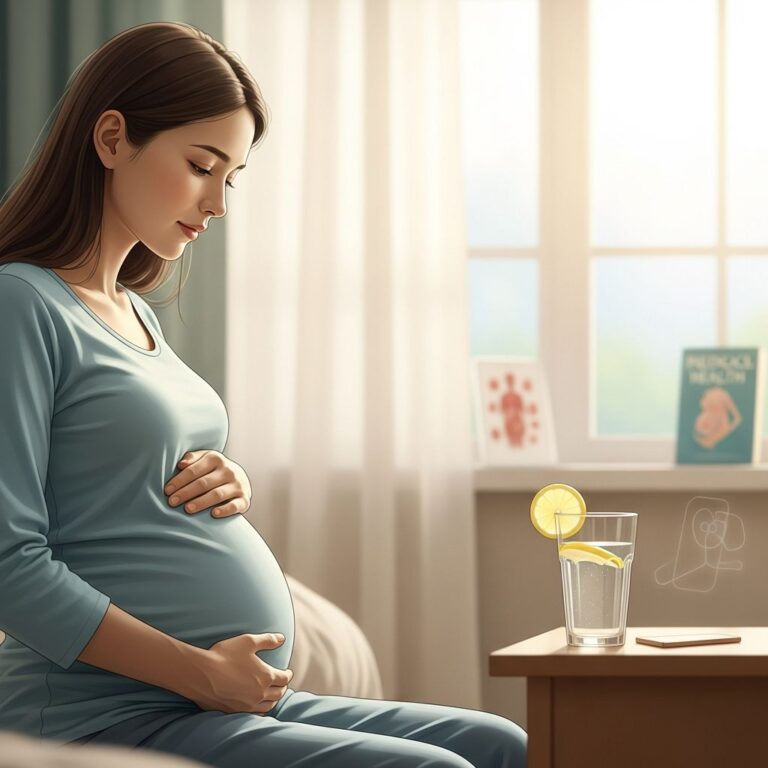
The postpartum period, commonly known as the fourth trimester, begins immediately after you give birth and generally lasts six to eight weeks. During this crucial time, your body undergoes significant physical and emotional changes as it heals from pregnancy and childbirth. While some symptoms resolve within weeks, others may persist for several months. Understanding what to expect during this transformative period can help you prepare for recovery and recognize when professional medical attention may be necessary.
The postpartum recovery process is highly individual and varies based on factors such as delivery method, overall health, and personal circumstances. Whether you delivered vaginally or via cesarean section, your body requires adequate rest, proper nutrition, and attentive self-care to heal properly. Additionally, your healthcare provider will continue monitoring your recovery and healing throughout this period with scheduled postpartum checkups.
The Timeline of Postpartum Recovery
Recovery after childbirth unfolds gradually over the six-week postpartum period. Each week brings different physical sensations and emotional adjustments as your body transitions from pregnancy to its pre-pregnancy state.
Days One Through Two: Hospital Care and Initial Recovery
Your postpartum recovery journey actually begins in the delivery room itself. Hospital staff will check your vital signs and ensure you are stable before transferring you to the postpartum unit. Most women remain hospitalized for 24 to 48 hours following a vaginal delivery. During your hospital stay, nurses continue monitoring your bleeding and vital signs to ensure proper recovery. This initial period is critical for establishing baseline health metrics and identifying any immediate complications.
The First Two Weeks: Taking It Slow
The overarching motto for the first two weeks after birth is to take it slow. Your body requires significant rest as it heals from the physical demands of pregnancy and childbirth. During this time, you may experience afterpains—contractions or cramping as your uterus works to shrink back to its original size. While uncomfortable, afterpains are a normal part of recovery. Your healthcare provider will likely schedule a two- or three-week check-in to assess your healing progress and address any concerns.
Focus during these crucial weeks should be on bonding with your newborn, managing feeding whether breastfeeding or bottle-feeding, and prioritizing rest whenever possible. Avoid pushing yourself into activities too quickly, as your body still requires substantial energy for healing.
Weeks Three Through Six: Gradual Improvement
By the third week postpartum, you should begin feeling like you are returning to a more normal state. Your strength should gradually improve, making light activities like walking around the block feel manageable. However, your body continues repairing itself during this period, so patience remains essential. If you are eager to resume exercise, consult your healthcare provider about appropriate options for your specific situation.
Sexual activity typically can resume around this time, though your vagina may still be healing. Your six-week postpartum check-up represents an important milestone where your healthcare provider can clear you to resume normal activities and discuss any lingering concerns.
Related Stories



Common Physical Changes During Postpartum
Your body experiences numerous physical transformations during the postpartum period. Recognizing these changes as normal helps you navigate recovery with greater confidence and self-awareness.
Uterine Involution and Afterpains
One of the most significant physical changes involves your uterus returning to its pre-pregnancy size—a process called involution. Your uterus contracts and shrinks, which can cause cramping sensations called afterpains. These contractions are actually beneficial, helping your body stop bleeding and return to normal. Afterpains may be more noticeable if you are breastfeeding, as nursing stimulates these contractions.
Lochia and Postpartum Bleeding
You will experience vaginal discharge called lochia as your body sheds the uterine lining. This discharge can be heavy initially, gradually decreasing over the coming weeks. Lochia typically lasts for several weeks postpartum and may contain blood clots. Understanding this normal process helps distinguish expected discharge from signs requiring medical evaluation.
Perineal Discomfort and Healing
Many women experience discomfort in the perineal area after vaginal delivery. This region, which stretches during childbirth, requires time to heal. Tears ranging from minor to severe may occur during delivery. The vagina is remarkably resilient and recovers well even from extensive tears. Most tears are repaired immediately in the labor and delivery room, while more severe third- and fourth-degree tears may require operating room repair and subsequent pelvic floor physical therapy.
Breast Engorgement and Feeding Challenges
Whether you plan to breastfeed or not, your breasts will undergo significant changes during the postpartum period. Breast engorgement—swelling and hardness caused by milk production—commonly occurs in the early postpartum days. This condition can cause discomfort but typically resolves as your body regulates milk supply. Proper feeding techniques and appropriate support can help manage engorgement.
Constipation and Digestive Changes
Many postpartum women experience constipation due to hormonal changes, reduced physical activity, pain medication side effects, and fear of straining after delivery. Staying hydrated, eating fiber-rich foods, and gradually increasing activity can help address this common concern.
Emotional and Mental Health During Postpartum
Beyond physical recovery, the postpartum period brings significant emotional and psychological adjustments. Hormonal fluctuations, sleep deprivation, and major life changes combine to create complex emotional experiences.
Understanding Postpartum Mood Disorders
While some emotional ups and downs are normal during the postpartum period, certain conditions require professional attention. Postpartum mood disorders range from mild to severe and can significantly impact your wellbeing and ability to care for your infant.
Postpartum Depression
Postpartum depression (PPD) is a serious medical condition characterized by extreme sadness, despair, and hopelessness that occurs after giving birth. Unlike temporary “baby blues,” postpartum depression persists and interferes with daily functioning. Symptoms include persistent sadness, anxiety, difficulty bonding with the baby, sleep disturbances beyond newborn care demands, loss of interest in activities, and feelings of worthlessness or guilt. Postpartum depression is highly treatable through medication, psychotherapy, cognitive behavioral therapy, and support groups. Family physicians and mental health professionals can effectively manage this condition, which also affects maternal-infant bonding, breastfeeding success, childhood development, and partner relationships.
Postpartum Anxiety
Postpartum anxiety involves excessive worrying or panic that occurs after having or adopting a baby. Women with postpartum anxiety may experience intrusive thoughts, constant worry about the baby’s safety, physical symptoms like rapid heartbeat or difficulty breathing, and difficulty sleeping despite fatigue. This condition is treatable with medication or behavioral therapy, and early intervention significantly improves outcomes.
Postpartum Rage
Some women experience postpartum rage—intense anger, frustration, or difficulty controlling their temper after giving birth. This condition, often accompanied by irritability and impulsive behavior, can strain relationships and make parenting feel overwhelming. Certain medications and counseling can effectively address postpartum rage, helping you regain emotional equilibrium.
Postpartum Psychosis
Postpartum psychosis represents an extremely severe form of postpartum mood disorder requiring emergency medical attention. This rare condition affects approximately one in 1,000 women after delivery. Symptoms—including severe agitation, confusion, hopelessness, insomnia, paranoia, delusions, hallucinations, hyperactivity, rapid speech, or mania—typically emerge quickly after delivery and may last from weeks to months. Due to increased risks of suicide and harm to the baby, postpartum psychosis necessitates immediate hospitalization, psychotherapy, and medication. Some cases may require electroconvulsive therapy if standard treatments prove ineffective.
When to Seek Medical Attention
While many postpartum symptoms are expected and normal, certain warning signs indicate the need for immediate healthcare provider contact. Do not wait until your postpartum checkup if you experience concerning symptoms.
Signs Requiring Prompt Evaluation
Contact your healthcare provider immediately if you experience:
- Excessive bleeding (soaking through pads faster than one per hour or experiencing large blood clots)
- Severe abdominal pain or cramping beyond normal afterpains
- Signs of infection such as fever, chills, or foul-smelling discharge
- Severe perineal pain or signs of wound infection if you had tearing or episiotomy
- Severe headaches, vision changes, or chest pain
- Difficulty urinating or painful urination
- Severe leg swelling, warmth, or redness suggesting blood clots
- Thoughts of harming yourself or your baby
- Severe mood changes, persistent sadness, or inability to function
- Extreme anxiety or panic symptoms interfering with daily life
- Difficulty bonding with your baby or feeling disconnected
The Importance of Postpartum Checkups
Your healthcare provider will schedule postpartum checkups to monitor your recovery and healing. These appointments are crucial for several reasons: they allow your provider to identify potential complications early, provide opportunity for honest conversations about your health concerns, enable discussion of contraception and family planning, assess your emotional wellbeing, and clear you to resume normal activities like exercise and sexual relations.
Attending all scheduled postpartum appointments ensures comprehensive monitoring of your recovery. Even if you feel well, these checkups allow healthcare professionals to detect problems you might miss on your own.
Supporting Your Postpartum Recovery
Optimal recovery depends on proactive self-care and allowing your body adequate healing time. Prioritize rest, consume nutritious foods supporting healing and energy production, stay hydrated, manage pain appropriately, avoid strenuous activity until cleared by your provider, attend all postpartum checkups, and reach out for emotional support from family, friends, or professionals.
Remember that your care does not end when you leave the hospital. You deserve comprehensive postpartum care during the fourth trimester, with attention to both physical recovery and emotional wellbeing. Listen to your body, be kind to yourself during this adjustment period, and prioritize your health alongside caring for your newborn.
Frequently Asked Questions About Postpartum Recovery
Q: How long does postpartum recovery actually take?
A: While the official postpartum recovery period is six to eight weeks, complete healing takes longer for some women. Physical recovery typically follows the six-week timeline, but emotional adjustments and return to full strength may take several months. Individual recovery varies based on delivery type, overall health, and personal circumstances.
Q: Is it normal to experience afterpains after delivery?
A: Yes, afterpains are completely normal and indicate your uterus is properly contracting and shrinking back to its pre-pregnancy size. These cramping sensations typically subside within the first week or two postpartum. They may feel more noticeable when breastfeeding, as nursing stimulates uterine contractions.
Q: When can I resume exercise after giving birth?
A: Light activity like walking can usually resume around three weeks postpartum as you feel stronger. However, discuss your specific exercise plans with your healthcare provider before beginning any formal exercise routine. Clearance typically comes at your six-week postpartum checkup, though individual circumstances may vary.
Q: How do I know if I have postpartum depression versus baby blues?
A: Baby blues are temporary mood changes lasting a few days to two weeks, involving mild sadness and irritability. Postpartum depression persists beyond two weeks and involves severe sadness, hopelessness, difficulty functioning, and inability to bond with your baby. If symptoms worsen or persist, contact your healthcare provider for evaluation and support.
Q: What should I do if I’m having thoughts of harming myself or my baby?
A: This is a medical emergency. Contact your healthcare provider immediately, call emergency services, or reach out to the National Suicide Prevention Lifeline. These thoughts may indicate postpartum psychosis or severe depression requiring immediate professional intervention. Do not delay seeking help.
Q: Is postpartum depression treatable?
A: Yes, postpartum depression is highly treatable through medication, therapy, support groups, and lifestyle modifications. Family physicians and mental health professionals have effective tools to help you recover and feel like yourself again. Early treatment leads to better outcomes and faster improvement.
Q: When is it safe to resume sexual activity after childbirth?
A: Most healthcare providers recommend waiting until your six-week postpartum checkup before resuming sexual activity. However, individual circumstances vary based on delivery type, perineal healing, and personal readiness. Discuss your specific situation with your healthcare provider for personalized guidance.
References
- Postpartum: Stages, Symptoms & Recovery Time — Cleveland Clinic. 2024-02-27. https://my.clevelandclinic.org/health/articles/postpartum
- What To Expect While Healing After Giving Birth — Cleveland Clinic. https://health.clevelandclinic.org/postpartum-recovery
- Postpartum Depression: Causes, Symptoms & Treatment — Cleveland Clinic. https://my.clevelandclinic.org/health/diseases/9312-postpartum-depression
- Postpartum Anxiety: Symptoms, Diagnosis & Treatment — Cleveland Clinic. 2025-08-27. https://my.clevelandclinic.org/health/diseases/22693-postpartum-anxiety
- Postpartum Rage: Symptoms, Diagnosis & Treatment — Cleveland Clinic. https://my.clevelandclinic.org/health/diseases/24768-postpartum-rage
- Perinatal Depression — Cleveland Clinic Journal of Medicine. 2020. https://www.ccjm.org/content/87/8/456.1
- Pregnancy: Physical Changes After Delivery — Cleveland Clinic. https://my.clevelandclinic.org/health/articles/9682-pregnancy-physical-changes-after-delivery
Similar Articles








Read full bio of medha deb