Potassium And Sodium Balance: Complete Heart Health Guide
Discover how balancing potassium and sodium intake can protect heart health, lower blood pressure, and reduce mortality risks.
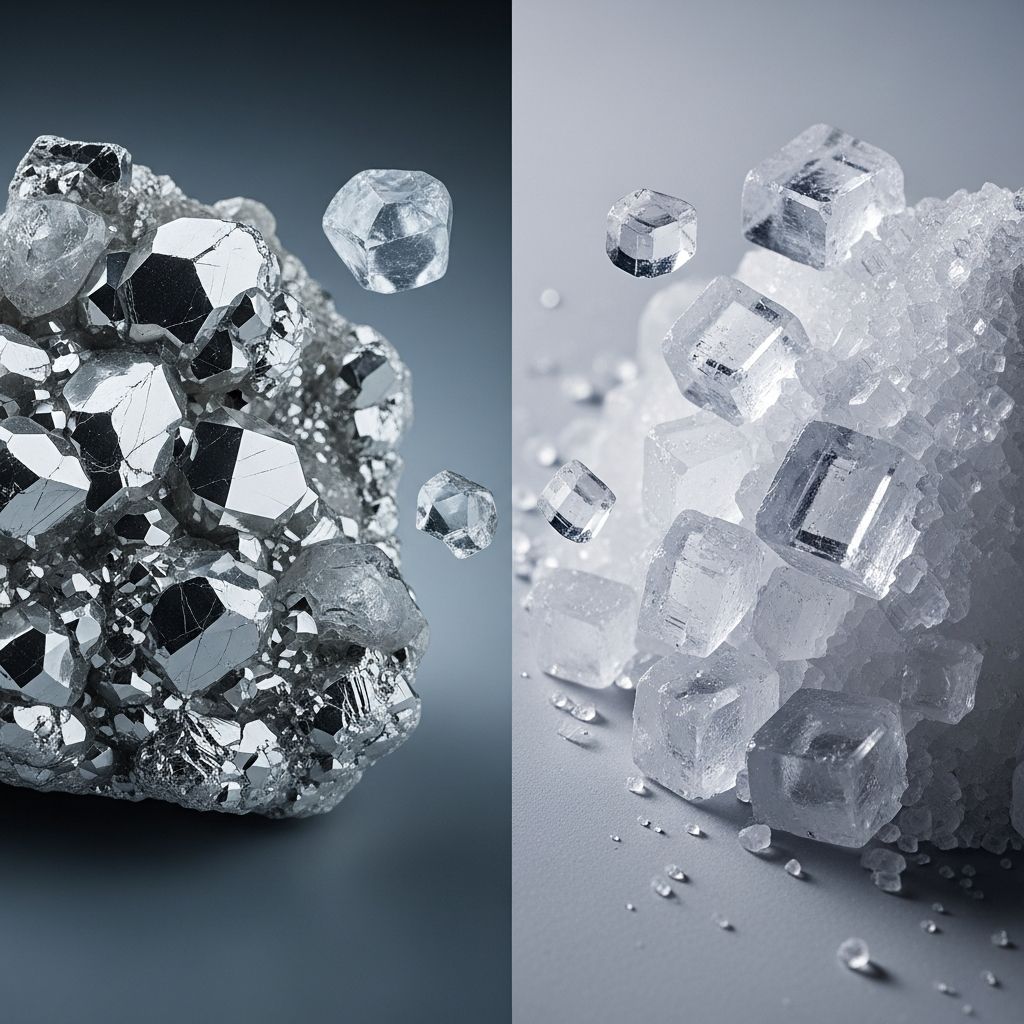
Potassium and sodium are essential electrolytes that work together to regulate fluid balance, nerve signals, and muscle contractions in the body. Maintaining an optimal balance between them is crucial for cardiovascular health, as higher sodium intake is linked to increased all-cause mortality (HR 1.20 per 1000 mg/d), while higher potassium intake reduces mortality risk (HR 0.80 per 1000 mg/d). A higher sodium-to-potassium ratio significantly elevates risks of cardiovascular disease (CVD) and ischemic heart disease (IHD) mortality, with adjusted HRs of 1.46 and 2.15 for the highest versus lowest quartiles.
What Is Potassium?
Potassium is a vital mineral and electrolyte found in every cell, essential for maintaining fluid balance, nerve transmission, and muscle function, including the heartbeat. It counteracts sodium’s effects by promoting vasodilation and supporting healthy blood pressure levels. The body requires potassium for cellular functions, and deficiency can lead to fatigue, muscle cramps, and arrhythmias.
Potassium Benefits
- Lowers Blood Pressure: Increased potassium intake reduces systolic blood pressure by an average of 4.75 mmHg in hypertensives and 1.51 mmHg in normotensives, with greater effects in those with hypertension.
- Protects Heart Health: Higher potassium intake is inversely associated with CVD mortality (HR 0.39 for highest vs. lowest quartile) and all-cause mortality.
- Supports Kidney Function: Potassium helps slow chronic kidney disease progression and reduces stroke risk through blood pressure management.
- Improves Muscle and Nerve Function: It facilitates proper muscle contractions and prevents cramps, especially during exercise.
What Is Sodium?
Sodium, primarily from salt (sodium chloride), is key for fluid balance, nerve impulses, and muscle contractions. However, excess intake stiffens arteries, raises blood pressure, and blocks nitric oxide, increasing hypertension risk. Most Americans exceed recommended levels, consuming high-sodium processed foods.
Sodium Risks
- High Blood Pressure: Excess sodium elevates systolic and diastolic blood pressure, particularly in hypertensives.
- Increased Mortality: Higher sodium intake correlates with 20% greater all-cause mortality risk per 1000 mg/d increment.
- CVD and Stroke: Contributes to endothelial damage and hypertension, leading to heart disease.
- Kidney Strain: Overloads kidneys, promoting chronic disease in susceptible individuals.
Recommended Potassium and Sodium Intake
The Dietary Guidelines for Americans recommend adults limit sodium to under 2,300 mg/day, ideally 1,500 mg for high-risk groups, and aim for 2,600 mg potassium for women and 3,400 mg for men daily. WHO targets sodium below 2 g/day (5 g salt). These levels support blood pressure control and reduce CVD risks.
| Nutrient | Recommended Daily Intake (Adults) | Source |
|---|---|---|
| Sodium | <2,300 mg (ideal <1,500 mg) | AHA, CDC |
| Potassium (Women) | 2,600 mg | Dietary Guidelines |
| Potassium (Men) | 3,400 mg | Dietary Guidelines |
Effects of Potassium and Sodium on Blood Pressure
The sodium-potassium ratio powerfully influences blood pressure. High sodium promotes hypertension via arterial stiffening, while potassium activates nitric oxide for vessel relaxation. Interventions reducing sodium lower BP (moderate evidence from 45 RCTs), and potassium supplements reduce BP in prehypertensives/hypertensives. A balanced ratio (lower Na:K) is more protective than either nutrient alone.
Related Stories



Potassium and Sodium Ratio: Why It Matters
A high sodium-to-potassium ratio is strongly linked to CVD mortality (HR 1.46), IHD mortality (HR 2.15), and all-cause death, independent of individual intakes. This interaction occurs at cellular levels, where potassium mitigates sodium’s harmful effects. Public health strategies should target lowering this ratio via diet.
Top Food Sources of Potassium
Approximately 43% of U.S. potassium comes from low-sodium sources like milk, fruits, and vegetables.
- Fruits: Bananas (422 mg/medium), oranges (250 mg/fruit), avocados (708 mg/half).
- Vegetables: Potatoes (926 mg/medium baked), spinach (558 mg/cup cooked), sweet potatoes (542 mg/medium).
- Dairy: Yogurt (573 mg/cup), milk (366 mg/cup).
- Other: Beans (1,193 mg/cup cooked), salmon (534 mg/3 oz).
Top Food Sources of Sodium
Most sodium (over 70%) comes from processed foods.
- Breads and Rolls: Highest contributor.
- Sandwiches: Deli meats, cheese.
- Soup: Canned varieties.
- Pizza: Processed cheese, sauce.
- Poultry and Meat: Seasoned or processed.
How to Increase Potassium Intake
- Eat more fruits and vegetables daily, aiming for 4-5 servings.
- Choose potassium-rich snacks like bananas or yogurt.
- Cook with fresh ingredients; avoid low-potassium processed foods.
- Incorporate beans, nuts, and leafy greens into meals.
- Consult a doctor before supplements, especially with kidney issues.
How to Reduce Sodium Intake
- Read labels; choose <140 mg/serving low-sodium options.
- Cook at home with herbs, spices instead of salt.
- Avoid processed meats, canned soups, fast food.
- Rinse canned vegetables to cut sodium by 40%.
- Use lemon, vinegar for flavoring.
Potassium and Sodium Deficiency and Excess Symptoms
Potassium Deficiency (Hypokalemia)
- Muscle weakness/cramps.
- Fatigue, constipation.
- Irregular heartbeat.
- High blood pressure.
Potassium Excess (Hyperkalemia)
- Nausea, weakness.
- Heart palpitations (rare in healthy kidneys).
Sodium Deficiency (Hyponatremia)
- Headache, confusion.
- Nausea, seizures (severe).
Sodium Excess (Hypernatremia)
- Thirst, swelling.
- High blood pressure, headache.
Dietary Approaches for Balance: The DASH Diet
The DASH (Dietary Approaches to Stop Hypertension) diet emphasizes fruits, vegetables, whole grains, and low-fat dairy while limiting sodium to 2,300 mg or 1,500 mg. It naturally boosts potassium (4,700 mg target) and lowers Na:K ratio, significantly reducing BP and CVD risk. Studies confirm its efficacy in diverse populations.
Frequently Asked Questions
Why is the sodium-potassium ratio more important than each alone?
Their opposing cellular effects make the ratio a stronger predictor of CVD mortality (HR 1.46-2.15).
Can I get enough potassium from food?
Yes, fruits, vegetables, and dairy provide ample amounts; aim for recommended levels via whole foods.
Is low-sodium intake safe for everyone?
Generally yes, but those with certain conditions should consult doctors; evidence supports reduction for BP control.
How does potassium lower blood pressure?
It relaxes blood vessels via nitric oxide and counters sodium retention.
What if I have kidney disease?
Monitor potassium; high levels can be risky—seek medical advice.
This comprehensive guide underscores the need for a diet low in sodium and rich in potassium to optimize health outcomes, backed by robust evidence from population studies and trials.
References
- Sodium and Potassium Intake and Mortality Among US Adults — JAMA Internal Medicine. 2011-05-23. https://jamanetwork.com/journals/jamainternalmedicine/fullarticle/1106080
- Sodium and Potassium Intake — NCBI Bookshelf, NIH. 2013. https://www.ncbi.nlm.nih.gov/books/NBK519332/
- Association between dietary sodium, potassium, and the sodium-to-potassium ratio and mortality — Frontiers in Nutrition. 2022-11-14. https://www.frontiersin.org/journals/nutrition/articles/10.3389/fnut.2022.1053585/full
- Top Food Category Contributors to Sodium and Potassium Intake — CDC MMWR. 2020-08-14. https://www.cdc.gov/mmwr/volumes/69/wr/mm6932a3.htm
Similar Articles








Read full bio of Sneha Tete