Potassium: Benefits, Deficiency Symptoms, and Food Sources
Discover the vital role of potassium in heart health, muscle function, and blood pressure control with top food sources and deficiency risks.
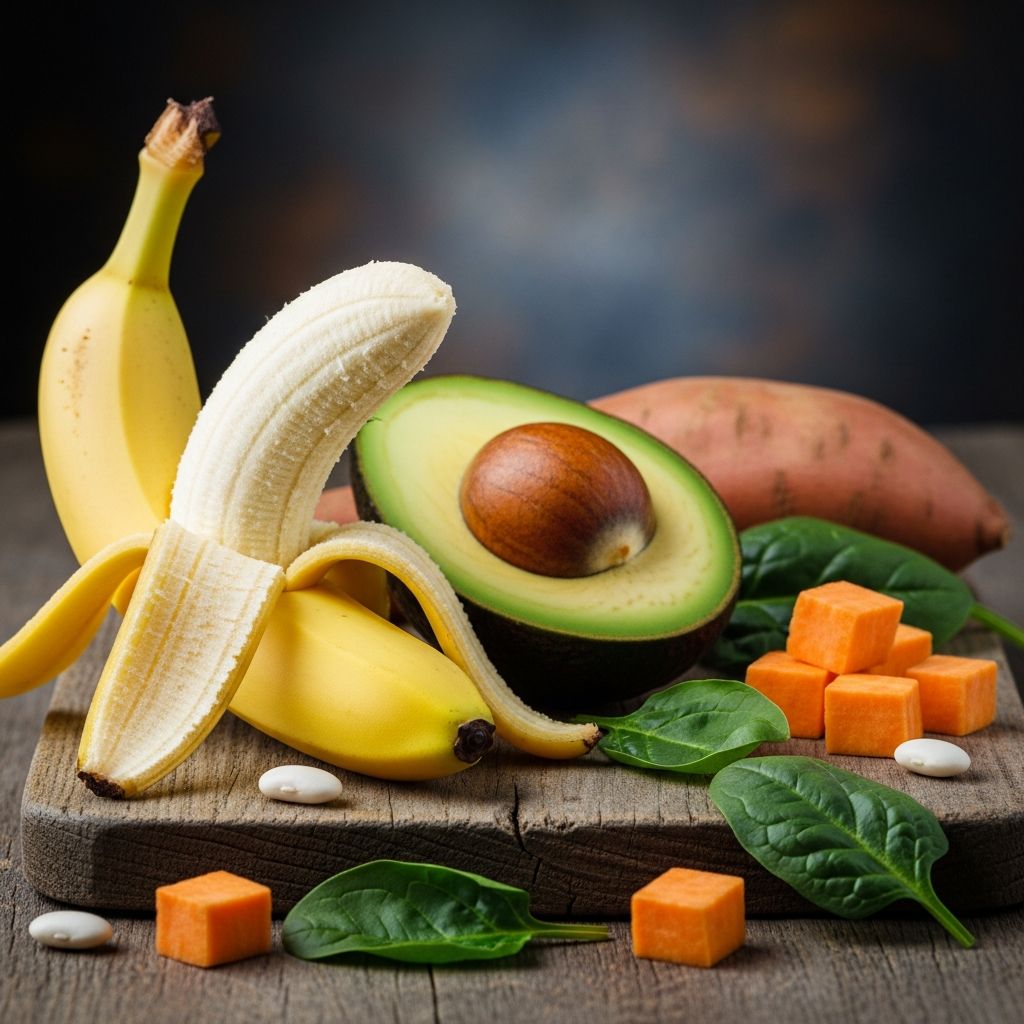
Potassium is the most abundant intracellular cation and an essential mineral that plays a critical role in maintaining fluid balance, nerve signaling, muscle contractions, and heart rhythm. Naturally present in many foods and available as supplements, adequate potassium intake supports overall health, particularly cardiovascular function and blood pressure regulation.
What Is Potassium?
Potassium is a key electrolyte vital for numerous physiological processes. It helps regulate heartbeat, enables muscle contractions including those of the heart, and supports nerve impulses. About 98% of the body’s potassium resides inside cells, where it counterbalances sodium to maintain cellular function.
Diets low in potassium but high in sodium contribute to health issues like hypertension. The Dietary Reference Intakes (DRI) provide guidelines for healthy intake levels, emphasizing food sources over supplements for most people.
Potassium Benefits
Higher potassium intakes from food sources offer multiple health advantages, including reduced blood pressure, lower stroke risk, protection against kidney stones, improved bone health, and better blood glucose control.
Supports Heart Health and Lowers Blood Pressure
Low potassium intake increases hypertension risk, especially alongside high sodium. Higher intakes promote vasodilation and sodium excretion, reducing plasma volume and blood pressure, particularly in salt-sensitive individuals.
Potassium supplements (20-120 mmol/day or 782-4,692 mg/day) for 1-36 months lowered systolic and diastolic blood pressure versus placebo in clinical reviews. A meta-analysis of 11 cohort studies with 247,510 adults showed 1,640 mg/day higher intake linked to 21% lower stroke risk.
Reduces Kidney Stone Risk
Potassium-rich diets decrease kidney stone formation. In the Nurses’ Health Study of over 90,000 women, those averaging >4,099 mg/day had 35% lower risk over 12 years compared to <2,407 mg/day.
Potassium citrate supplementation (30-60 mEq or 1,173-2,346 mg potassium) for 3 years reduced stone formation in patients with hypocitraturia.
Promotes Bone Health
Potassium may protect bones by influencing acid-base balance, countering acidosis from acid-forming foods like meats and grains. Supplementation with potassium citrate (60-90 mmol/day or 2,346-3,519 mg) for 6 months reduced urinary calcium excretion in adults over 55.
Potassium bicarbonate (2,893-4,340 mg/day) for 84 days lowered bone turnover markers and calcium loss in older adults.
Aids Blood Sugar Control
Low urinary potassium correlates with higher type 2 diabetes risk. In a study of 1,066 young adults, lowest quintile levels doubled diabetes risk over 15 years. African Americans with lower intakes faced elevated risk over 20 years.
Potassium-Rich Foods
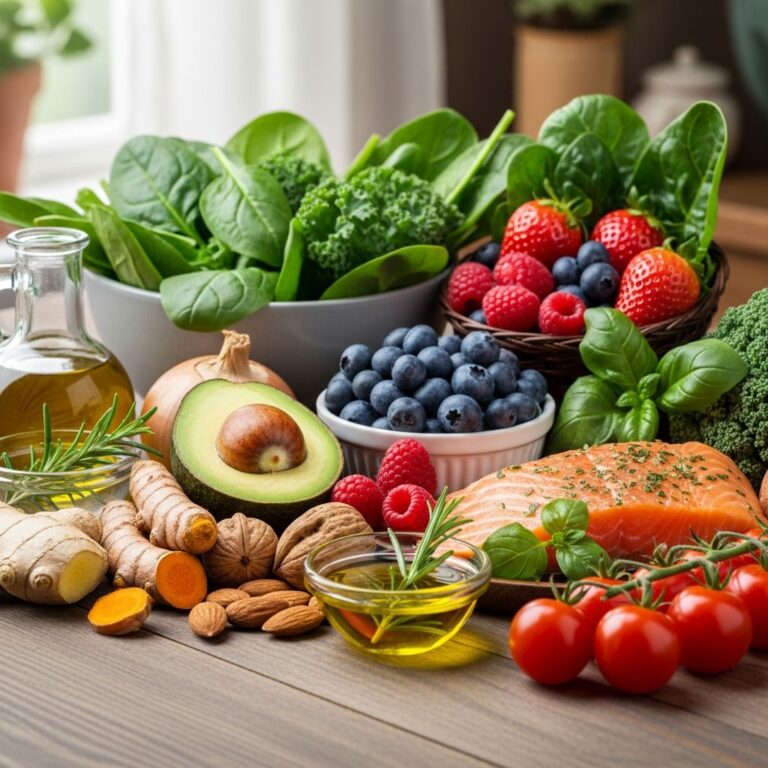
The best way to meet potassium needs is through diverse fruits, vegetables, legumes, and dairy. Aim for a variety to ensure absorption and balance with other nutrients.
- Apricots, dried: 1 cup = 1,711 mg
- Lentils, cooked: 1 cup = 731 mg
- Acorn squash, cooked: 1 cup = 896 mg
- Yogurt, plain nonfat: 8 oz = 573 mg
- Milk, 1%: 1 cup = 366 mg
- Prunes, dried: ½ cup = 699 mg
- Bananas: 1 medium = 422 mg
- Orange juice: 1 cup = 496 mg
- Potatoes, baked with skin: 1 medium = 926 mg
These foods provide bioavailable potassium without supplement risks. Potatoes and squash stand out for high content per serving.
How Much Potassium Do You Need?
The National Academies set Adequate Intake (AI) levels since no RDA exists for potassium. Current AIs are:
Related Stories



| Age | Male (mg/day) | Female (mg/day) | Pregnancy (mg/day) | Lactation (mg/day) |
|---|---|---|---|---|
| Birth to 6 months | 400 | 400 | – | – |
| 7–12 months | 860 | 860 | – | – |
| 1–3 years | 2,000 | 2,000 | – | – |
| 4–8 years | 2,300 | 2,300 | – | – |
| 9–13 years | 2,500 | 2,300 | – | – |
| 14–18 years | 3,000 | 2,300 | 2,600 | 2,500 |
| 19+ years | 3,400 | 2,600 | 2,900 | 2,800 |
Updated 2019 AIs raised adult levels from prior 4,700 mg to emphasize hypertension prevention. NHANES data shows average U.S. intakes below AI: 2,429 mg men, 1,848 mg women.
Signs and Symptoms of Potassium Deficiency (Hypokalemia)
Hypokalemia (serum potassium <3.5 mmol/L) arises from inadequate intake, losses via GI/renal issues, or shifts into cells. Common symptoms include:
- Muscle weakness or cramps
- Fatigue and malaise
- Constipation
- Heart palpitations or arrhythmias
- Abnormal blood pressure
- Excessive urination or thirst
Severe cases risk paralysis, respiratory failure, or cardiac arrest. Risk factors: diuretics, vomiting/diarrhea, eating disorders, low intake.
Potassium Supplements
Supplements add minimal intake (mean 87 mg/day among users). Use cautiously due to hyperkalemia risk, especially with kidney issues or ACE inhibitors. Forms include potassium chloride, citrate, bicarbonate. Consult providers before starting.
Who Should Avoid High-Potassium Foods or Supplements?
- People with kidney disease (impaired excretion raises hyperkalemia risk)
- Those on potassium-sparing diuretics, ACE inhibitors, or NSAIDs
- Individuals with Addison’s disease or tumor lysis syndrome
Hyperkalemia symptoms: muscle weakness, nausea, irregular heartbeat. Monitor levels in at-risk groups.
Frequently Asked Questions (FAQs)
Is it possible to get enough potassium from food?
Yes, a varied diet with fruits, vegetables, legumes, and dairy easily meets needs without supplements for healthy individuals.
Can too much potassium be harmful?
Excess from food is rare and safe due to kidney excretion, but supplements pose hyperkalemia risk in those with kidney dysfunction or certain medications.
Does cooking affect potassium in foods?
Potassium is water-soluble; boiling leaches it into water, but baking, roasting, or microwaving retains more.
Are bananas the best source of potassium?
Bananas provide 422 mg each, but potatoes (926 mg baked), squash, and lentils offer more per serving.
How does potassium affect blood pressure?
It blunts sodium’s hypertensive effects, promotes vessel relaxation, and increases sodium excretion, lowering pressure.
References
- Potassium – Health Professional Fact Sheet — Office of Dietary Supplements, National Institutes of Health. 2023-05-01. https://ods.od.nih.gov/factsheets/Potassium-HealthProfessional/
Similar Articles








Read full bio of Sneha Tete