Potassium Citrate For Cystitis: Expert Guide To Relief
Relieve mild cystitis symptoms with potassium citrate: usage, dosage, side effects, and essential precautions for effective treatment.
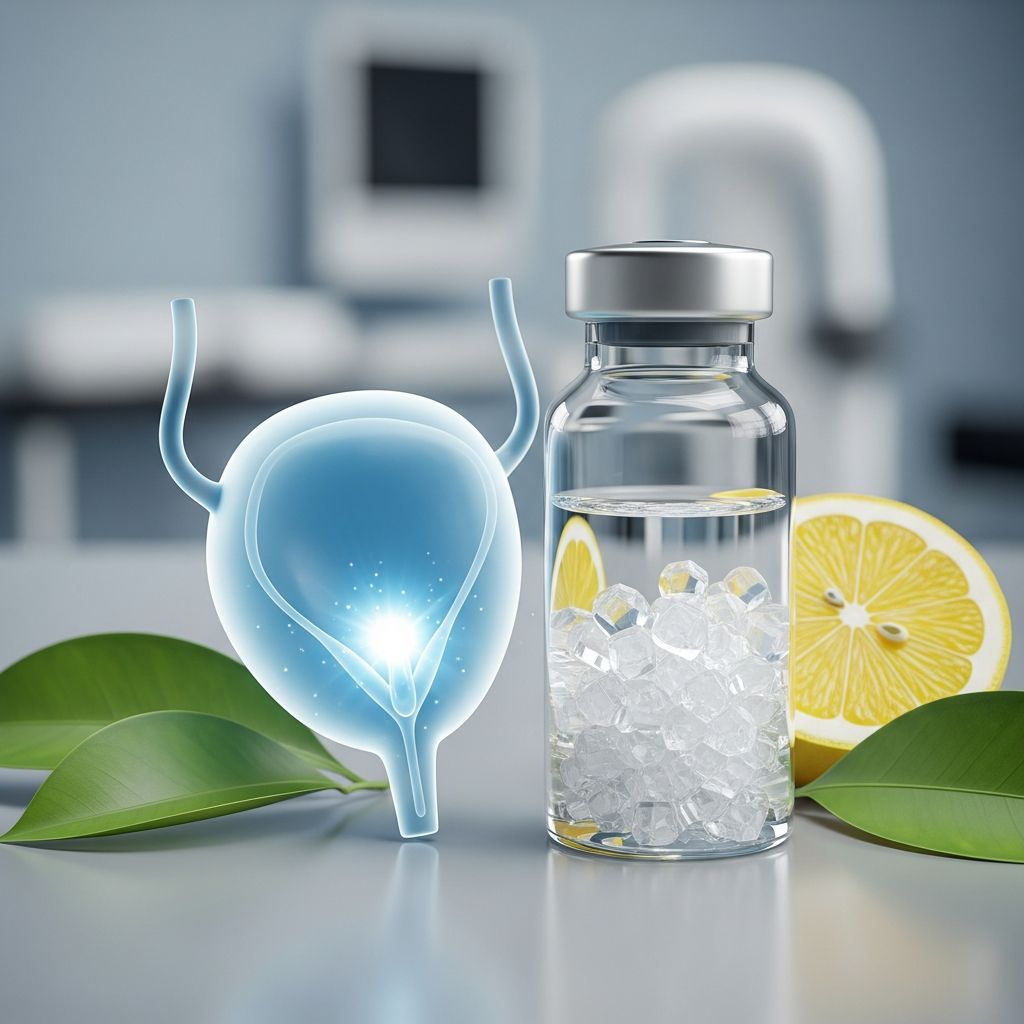
Potassium citrate is an alkalinising agent used to relieve discomfort from mild cystitis by making urine less acidic.
| Type of medicine | An alkalinising agent |
|---|---|
| Used for | Mild urinary tract infections such as cystitis |
| Also called | Cystopurin®, Effercitrate® |
| Available as | Sachets of powder, effervescent tablets, and oral mixture |
About potassium citrate
Cystitis refers to inflammation of the bladder, most commonly triggered by a bacterial urine infection. Common symptoms include a burning sensation or pain during urination, frequent urges to urinate, cloudy or foul-smelling urine, and sometimes lower abdominal discomfort. This condition predominantly affects women due to anatomical factors that facilitate bacterial entry into the bladder, though men, children, and older adults can also experience it.
In many mild cases, the body’s immune system clears the infection naturally within a few days without intervention. However, for symptom relief, healthcare providers or pharmacists may recommend potassium citrate, available over-the-counter as brands like Cystopurin or Effercitrate. This medication works by increasing the pH of urine, rendering it less acidic, which can reduce the stinging pain associated with passing urine during a cystitis episode.
While potassium citrate provides symptomatic relief, evidence supporting its efficacy is limited, and it does not treat the underlying infection. Antibiotics remain the standard for confirmed bacterial infections, particularly in moderate to severe cases or vulnerable populations. Clinical guidelines from sources like the National Institute for Health and Care Excellence (NICE) emphasize targeted antibiotic use to combat antimicrobial resistance, reserving alkalinising agents for adjunctive comfort in uncomplicated cystitis.
Important note: Pregnant individuals, males, or those with underlying health conditions should consult a doctor before self-treating, as they may require antibiotics or further evaluation. Men, in particular, should seek prompt medical attention if symptoms persist beyond a few hours, drinking at least one liter of water in the interim.
Before taking potassium citrate
Ensure potassium citrate is appropriate for your situation by discussing with a doctor or pharmacist if any of the following apply:
- You are pregnant or breastfeeding.
- You have impaired kidney function.
- You have heart disease or other serious medical conditions.
- You are on a low-potassium diet or have conditions like Addison’s disease.
- You are taking other medications, including over-the-counter, herbal, or complementary remedies.
- You have a history of allergic reactions to medications.
Potassium citrate can interact with drugs like ACE inhibitors, potassium-sparing diuretics, or NSAIDs, potentially elevating blood potassium levels (hyperkalemia), which is risky for those with renal impairment. Always read the patient information leaflet (PIL) provided with the product, such as the one for Cystopurin, which details contraindications and warnings.
How to take potassium citrate
Always commence treatment by thoroughly reading the manufacturer’s printed information leaflet included in the packaging. It provides product-specific details on preparation, storage, and usage. Adhere strictly to the dosage instructions on the label, typically taken after meals to minimize stomach upset.
Standard adult dosages vary by formulation:
Related Stories



| Formulation | Dosage |
|---|---|
| Effervescent tablets (Effercitrate®) | Two tablets dissolved in a full glass of water, up to three times daily. |
| Liquid medicine | Two 5 ml spoonfuls stirred into a full glass of water, up to three times daily. |
| Sachets (Cystopurin®) | Contents of one sachet emptied into a full glass of water, stirred well, three times daily. |
Dissolve or mix thoroughly in water before consumption to ensure even distribution and reduce gastrointestinal irritation. Do not exceed recommended doses, and complete the short course (usually 2 days) unless advised otherwise.
Getting the most from your treatment
Monitor your symptoms closely. If no improvement occurs within 48 hours, or if you develop fever, chills, back pain, or blood in urine—indicating possible kidney involvement (pyelonephritis)—contact your doctor immediately for reassessment, potentially including urine testing or antibiotics.
- Pain relief: Pair with over-the-counter analgesics like paracetamol or ibuprofen, as recommended by a pharmacist, to manage dysuria and pelvic pain.
- Hydration: While anecdotal advice promotes copious fluid intake, evidence is weak; excessive drinking may exacerbate frequent, painful urination. Follow label instructions for mixing with water, but otherwise maintain normal hydration.
- Recurrence: Symptoms returning within two weeks warrant medical consultation to investigate underlying issues like recurrent UTIs or anatomical predispositions.
- Lifestyle tips: Urinate after intercourse, practice good genital hygiene, avoid irritants like spermicides, and consider cranberry products for prevention, though evidence varies.
For recurrent cystitis, self-help strategies include staying warm, using hot water bottles for bladder comfort, and over-the-counter alkalinisers promptly at symptom onset.
Can potassium citrate cause problems?
At recommended doses, potassium citrate is generally well-tolerated, with common mild effects including increased urinary frequency and mild nausea or stomach upset due to its alkalinising action.
| Possible side effect | What to do |
|---|---|
| Stomach upset | Take doses diluted in plenty of water, after meals. |
| Increased urination | Usually mild and transient; persists, consult pharmacist. |
Rarely, higher doses or use in contraindicated individuals may cause hyperkalemia (symptoms: muscle weakness, irregular heartbeat), gastrointestinal ulceration, or metabolic alkalosis. Discontinue and seek medical help for severe symptoms like vomiting, severe abdominal pain, or palpitations. No evidence of dependency or withdrawal exists.
How to store potassium citrate
Store in a cool, dry place below 25°C, away from direct sunlight and moisture. Keep sachets, tablets, or liquids in original packaging until use. Effervescent tablets must remain dry to prevent premature fizzing. Discard any unused portion after the expiry date, and keep out of reach of children.
Important information about all medicines
Never share medicines, even if symptoms match. Report suspected side effects via the Yellow Card Scheme (MHRA in the UK). For overdoses, contact emergency services immediately. Vaccines and travel: no specific interactions, but inform healthcare providers of all medications.
Frequently Asked Questions (FAQs)
Q: Is potassium citrate suitable for children?
Effercitrate is approved for children over 6 years; consult a doctor for younger children. Dosages may differ.
Q: Can I use it during pregnancy?
No—always see a doctor, as antibiotics may be needed.
Q: How quickly does it work?
Symptom relief may begin within hours, but full assessment at 48 hours.
Q: Does it cure cystitis?
It relieves symptoms only; not antibacterial. Severe cases need antibiotics.
Q: What if symptoms worsen?
Seek urgent care for fever, vomiting, or loin pain.
This article provides general guidance mirroring patient.info standards. Consult healthcare professionals for personalized advice.
References
- Potassium citrate for cystitis (Cystopurin, Effercitrate) — Patient.info. 2023. https://patient.info/medicine/potassium-citrate-for-cystitis-cystopurin-effercitrate
- Treatment – Effercitrate Tablets — Effercitrate.co.uk. 2023. https://www.effercitrate.co.uk/treatment
- Cystopurin Patient Information Leaflet — Medicines.org.uk (EMC). 2023-05-01. https://www.medicines.org.uk/emc/files/pil.13698.pdf
- Urinary Tract Infections (UTIs) — Patient.info. 2024. https://patient.info/kidney-urinary-tract/urinary-tract-infections
- Potassium Citrate Extended-Release Tablets — Cleveland Clinic. 2024-01-10. https://my.clevelandclinic.org/health/drugs/20148-potassium-citrate-extended-release-tablets
- Potassium Citrate (Oral Route) — Mayo Clinic. 2024. https://www.mayoclinic.org/drugs-supplements/potassium-citrate-oral-route/description/drg-20074773
Similar Articles








Read full bio of medha deb