Potassium Permanganate: 9 Uses, Prep, Safety For Skin
Antiseptic uses, preparation methods, and safety guidelines for treating weeping skin conditions effectively.
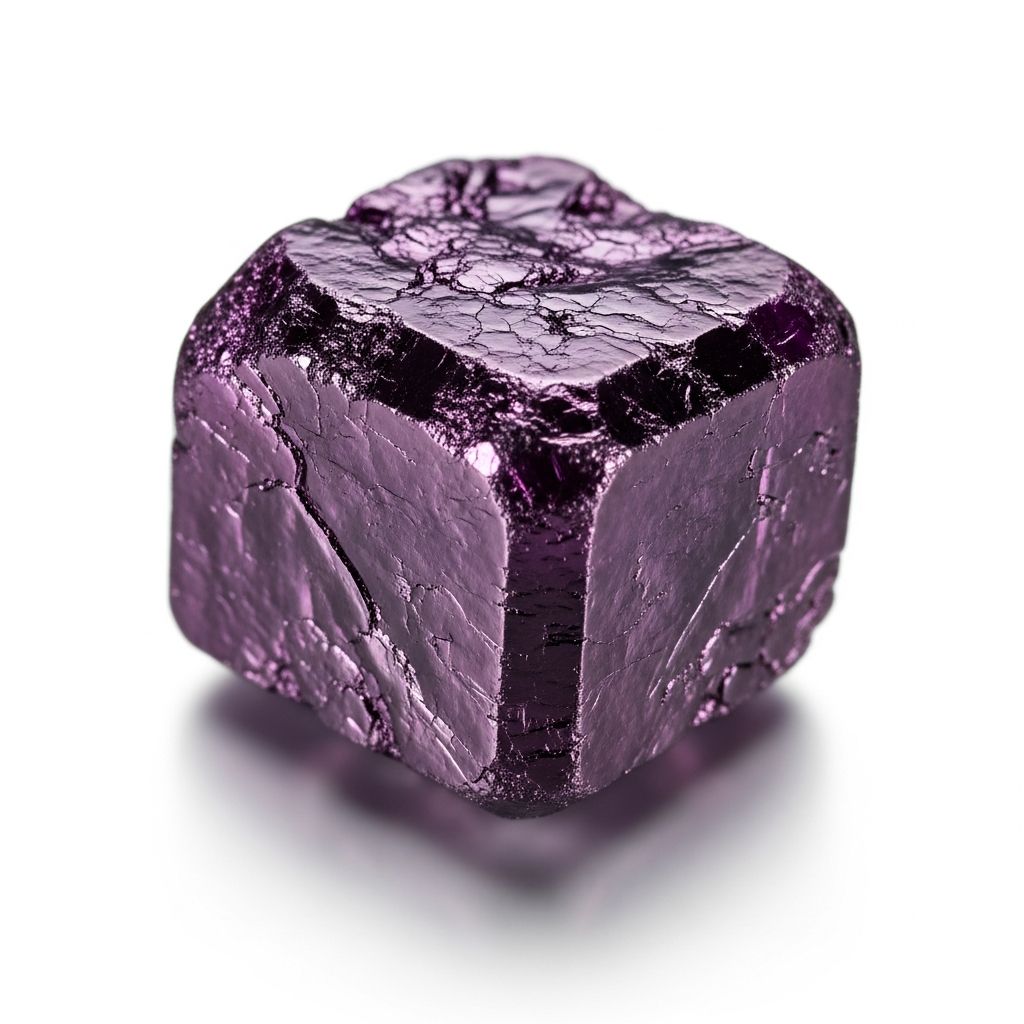
Potassium permanganate (KMnO4) is a powerful oxidizing agent widely used in dermatology as a topical antiseptic and astringent for managing various skin conditions characterized by weeping, oozing, or blistering. Its dark purple crystalline form dissolves in water to produce a vibrant pink to purple solution that releases oxygen upon contact with organic matter, effectively killing bacteria, fungi, and viruses while drying out excessive moisture on the skin. First utilized medicinally in the 19th century, it remains on the World Health Organization’s List of Essential Medicines due to its efficacy in treating exudative dermatoses. This article details its applications, preparation, usage instructions, potential side effects, and safety considerations, drawing from clinical evidence and guidelines.
What is potassium permanganate used for?
Potassium permanganate is primarily indicated for skin conditions that produce significant exudate or discharge, where its astringent and antimicrobial properties help cleanse, dry, and promote healing. It is particularly valuable in community and hospital settings for dermatological and vascular issues.
- Weeping eczema: Reduces moisture in acutely inflamed, oozing atopic or contact dermatitis, preventing secondary bacterial infection.
- Impetiginised eczema: Combats staphylococcal or streptococcal superinfections in eczematous skin.
- Pompholyx (dyshidrotic eczema): Soothes vesicular eruptions on palms and soles by drying blisters.
- Blistering skin conditions: Such as bullous pemphigoid, where it manages widespread blistering and erosion.
- Leg and foot ulcers: Including venous, arterial, or diabetic ulcers with heavy weeping or secondary to cellulitis.
- Fungal infections: Athlete’s foot (tinea pedis) and other superficial mycoses.
- Bacterial infections: Impetigo, tropical ulcers (often combined with procaine benzylpenicillin).
- Superficial wounds: Abrasions, lacerations, or post-surgical sites with pus or discharge.
- Other uses: Anecdotally for Pseudomonas infections in wounds, though evidence is limited.
Clinical studies support its efficacy; for instance, a randomized trial on diabetic foot ulcers (Wagner stages I-II) showed that daily 5% topical application reduced ulcer size by 73% at 21 days versus 38% with standard care alone (P<0.009), with 86% achieving ≥50% reduction (RR 3; NNT 2.18). It eliminates anaerobic microenvironments conducive to pathogens like Clostridia, accelerating healing without antibiotics in some cases.
How to prepare potassium permanganate solution
Correct dilution is critical to balance efficacy and safety; overly concentrated solutions cause burns, while dilute ones are ineffective. Use fresh tap water (not softened) and pharmaceutical-grade crystals or tablets (e.g., Permitabs®).
| Intended Use | Concentration | Preparation Method |
|---|---|---|
| Bath soak (whole body) | 1:10,000 (pale pink) | Dissolve 1 Permitab tablet (400mg) in 4L hot water, then add to bath (total ~40L). Solution should lightly stain skin/bath pink. |
| Local soak/basin (hands, feet, perineum) | 1:10,000 | 1 Permitab in 4L warm water. Ensure even dissolution before immersing affected area 10-20 min. |
| Wet dressing | 1:10,000 | Prepare soak solution; apply to gauze/cotton wool secured with bandage/crepe. Renew 2-4x daily. |
| High-strength topical (ulcers) | 5% (specialist use) | Apply undiluted commercially prepared solution daily to dry ulcer surface; wipe excess from deep ulcers. Not for soaks. |
Petroleum jelly on nails prevents staining. Discard unused solution daily to avoid bacterial overgrowth. The end-point is a pale pink color that turns colorless upon adding hydrogen peroxide (confirming oxidation capacity).
Instructions for use
- Preparation: Wash hands; dissolve tablets fully in hot water first for quick dispersion.
- Application:
- Baths: Soak 10-20 min daily; pat dry gently.
- Local soaks: Immerse area 15-20 min, 1-4x daily; dry thoroughly.
- Dressings: Soak material in solution, wring lightly, apply, cover loosely; change frequently if weeping heavy.
- Duration: Use until weeping resolves (typically 3-7 days); do not exceed 5-7 days without review.
- Post-use: Rinse residue if irritating; moisturize dry skin with emollients.
For tropical ulcers, combine with intramuscular procaine benzylpenicillin for 2-4 weeks. In diabetic foot ulcers, apply 5% solution once daily alongside standard debridement and offloading. Children and adults use similarly, but supervise pediatric baths.
Precautions when using potassium permanganate
- Avoid eyes, mucous membranes, and deep cavities to prevent irritation or chemical burns.
- Do not mix with soaps, detergents, or reducing agents (e.g., glucose) as they inactivate it or cause precipitation.
- Use gloves to prevent hand staining; stains fabrics/clothes irreversibly (remove fresh stains with 3% hydrogen peroxide).
- Ensure good ventilation; ingest accidental crystals cause burns—seek immediate medical help.
- Contraindicated in renal impairment (systemic absorption risk) or known hypersensitivity.
- U.S. FDA advises against crystal/tablet forms due to dosing errors; prefer pre-diluted solutions.
Related Stories



Side effects of potassium permanganate
Generally well-tolerated at proper dilutions, but overuse or high concentrations (>1:1000) risk:
- Local irritation: Dryness, erythema, stinging, or xerosis (common; mitigate with emollients).
- Chemical burns: Necrosis or erythema multiforme-like reactions with over-concentration.
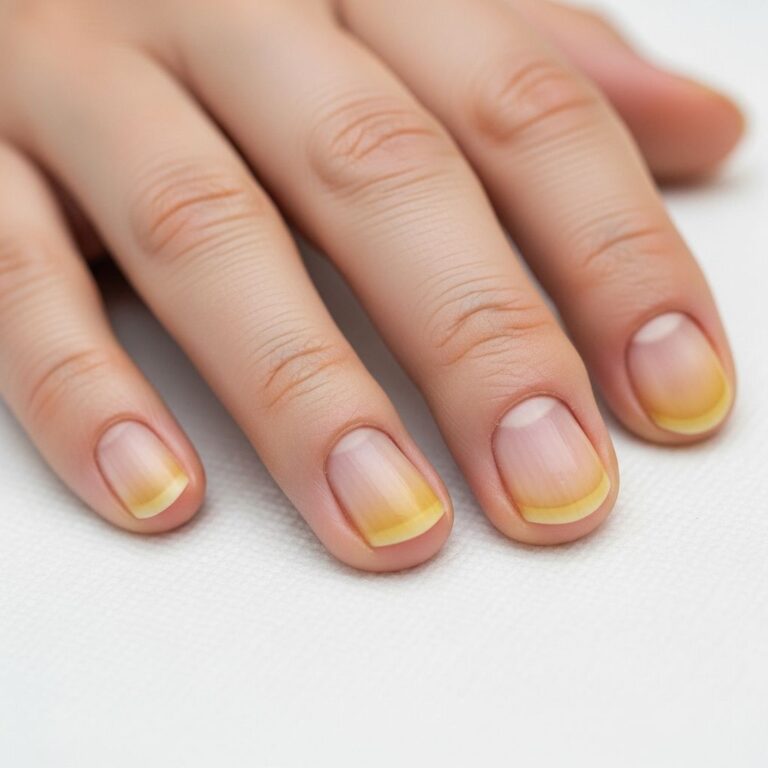
- Staining: Brown-black discoloration of skin (transient, fades 1-2 weeks), nails, hair.
- Rare systemic: Methemoglobinemia, Heinz body hemolytic anemia (from ingestion/swallowing large amounts).
Discontinue if burning or worsening occurs; seek medical advice.
Frequently Asked Questions
Q: Can potassium permanganate be used for infected eczema?
A: Yes, 1:10,000 soaks effectively dry weeping and reduce bacterial load in impetiginized eczema.
Q: Is it safe for children’s baths?
A: Yes, at 1:10,000 dilution under supervision; suitable for pediatric eczema or dermatitis.
Q: How long should I soak for leg ulcers?
A: 15-20 minutes, 2-4 times daily as wet dressings until exudate decreases.
Q: Does it stain permanently?
A: Skin staining is temporary; fabrics are permanent—use old towels.
Q: Can it treat fungal foot infections?
A: Yes, foot soaks help athlete’s foot by its antifungal oxidizing action.
Q: What’s the evidence for diabetic foot ulcers?
A: A study showed 5% solution accelerated healing by 73% ulcer reduction in 21 days vs. standard care.
This FAQ section addresses common patient queries for better accessibility and SEO optimization.
References
- Potassium permanganate (medical use) — Wikipedia (sourced from primary refs). 2023-10-15. https://en.wikipedia.org/wiki/Potassium_permanganate_(medical_use)
- Topical 5% potassium permanganate solution accelerates the healing of diabetic foot ulcers — NIH/PMC (peer-reviewed). 2018-01-01. https://pmc.ncbi.nlm.nih.gov/articles/PMC5778841/
- Using potassium permanganate for skin conditions or wound care — Specialist Pharmacy Service (NHS). 2023-05-12. https://www.sps.nhs.uk/articles/using-potassium-permanganate-for-skin-conditions-or-wound-care/
- Potassium Permanganate Uses and Side Effects for Eczema and More — Healthline (citing clinical guidelines). 2022-11-08. https://www.healthline.com/health/potassium-permanganate-uses
- How to use potassium permanganate soaks — Imperial College Healthcare NHS Trust. 2023-01-20. https://www.imperial.nhs.uk/-/media/website/patient-information-leaflets/pharmacy/how-to-use-potassium-permanganate-soaks.pdf
- Potassium permanganate solution soaks — British Association of Dermatologists. 2024-02-14. https://www.skinhealthinfo.org.uk/condition/potassium-permanganate-solution-soaks/
Similar Articles








Read full bio of medha deb