Potato Vs. Sweet Potato: Nutrition, Benefits, And Verdict
Uncover the nutritional showdown between potatoes and sweet potatoes: which tuber reigns supreme in vitamins, fiber, and health benefits?
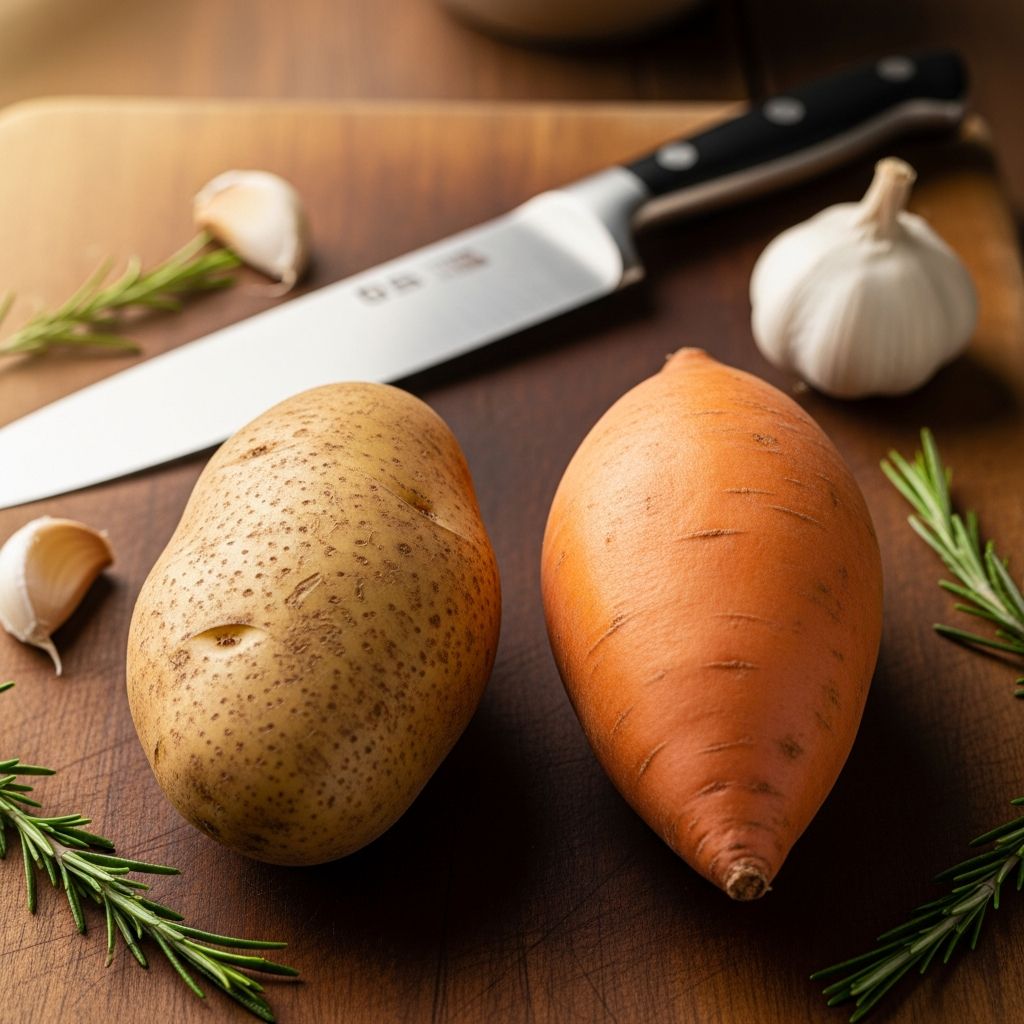
Potatoes and sweet potatoes are staple root vegetables cherished worldwide for their versatility, comforting flavors, and impressive nutrient profiles. While potatoes (Solanum tuberosum) offer a neutral taste perfect for fries and mashes, sweet potatoes (Ipomoea batatas) bring natural sweetness ideal for pies and bakes. But when pitted head-to-head, which one truly wins in the nutrition game? This comprehensive guide breaks down their differences in calories, vitamins, minerals, glycemic impact, and more, drawing from reliable data to help you make informed dietary choices.
Nutritional Comparison: Potatoes vs. Sweet Potatoes
Both tubers are nutrient-dense, low in fat, and provide complex carbohydrates for sustained energy. A medium-sized potato (about 148g, skin-on) and a similar-sized sweet potato (130g) serve as our benchmarks for comparison. Here’s a side-by-side look at key macros and micros per serving, based on USDA data.
| Nutrient (per medium serving) | Potato (baked, skin-on) | Sweet Potato (baked, skin-on) | % Daily Value Winner |
|---|---|---|---|
| Calories | 161 | 112 | Sweet Potato (lower cal) |
| Carbohydrates | 37g | 26g | Potato (more energy) |
| Protein | 4g | 2g | Potato |
| Fiber | 4g (15% DV) | 4g (15% DV) | Tie |
| Vitamin C | 27mg (30% DV) | 20mg (22% DV) | Potato |
| Vitamin A (as beta-carotene) | 2mcg (0% DV) | 1,403mcg (156% DV) | Sweet Potato |
| Potassium | 925mg (20% DV) | 542mg (12% DV) | Potato |
| Vitamin B6 | 0.3mg (18% DV) | 0.3mg (18% DV) | Tie |
White potatoes edge out in potassium and vitamin C, crucial for heart health and immunity, while sweet potatoes dominate in vitamin A, supporting vision and skin health. Both rank high on the FDA’s Top 20 Raw Vegetables list for their potassium, vitamin C, and B6 content, with similar calories and carbs.
Health Benefits of Potatoes
Don’t underestimate the humble potato. Rich in potassium—more than a banana per serving—it helps regulate blood pressure and muscle function. Its high vitamin C content bolsters collagen production and antioxidant defenses. Potatoes provide resistant starch when cooled after cooking, promoting gut health and blood sugar stability. Studies link regular potato consumption to lower risks of hypertension and improved exercise performance due to their electrolyte balance.
- Heart Health: Potassium counters sodium’s effects, reducing stroke risk.
- Immune Boost: Vitamin C enhances white blood cell activity.
- Digestion: Skin-on potatoes deliver insoluble fiber for regularity.
- Athlete’s Ally: Quick-digesting carbs replenish glycogen stores post-workout.
White potatoes are complex carbs, contrary to myths, offering steady energy without spikes.
Health Benefits of Sweet Potatoes
Sweet potatoes shine with beta-carotene, converting to vitamin A in the body. This antioxidant combats oxidative stress, potentially lowering cancer and heart disease risks. Their fiber aids satiety and cholesterol management. Anthocyanins in purple varieties add anti-inflammatory perks. Sweet potatoes support eye health, warding off age-related macular degeneration.
- Vision Protection: Beta-carotene maintains retinal health.
- Anti-Inflammatory: Polyphenols reduce chronic disease markers.
- Weight Management: High fiber promotes fullness on fewer calories.
- Blood Sugar Control: Lower glycemic load than white potatoes for diabetics.
Glycemic Index: Which Has a Lower GI?
Related Stories



Glycemic index (GI) measures carb impact on blood sugar. Boiled potatoes have a medium GI (78), while baked sweet potatoes score lower (46-61), making them preferable for glycemic control. Factors like cooking method matter: Cooling potatoes post-boiling lowers effective GI via resistant starch formation. Neither is ‘bad’—pair with proteins and fats for balance.
Which Is Healthier: Potato or Sweet Potato?
Neither reigns supreme; both are nutritious powerhouses. Potatoes excel in potassium (925mg vs. 542mg) and vitamin C, while sweet potatoes lead in vitamin A and fiber. Media often favors sweet potatoes, but experts like those at Potatoes USA emphasize their similarity: ‘Regular and sweet potatoes are remarkably similar nutritionally.’ Eat a variety for comprehensive benefits—variety ensures broad nutrient intake, combating deficiencies in the average diet where vegetable consumption lags.
Cooking and Preparation Tips
Maximize nutrition by keeping skins on—most fiber and minerals reside there. Bake or boil over frying to preserve vitamins and cut fat. For potatoes: Roast with herbs for crispiness. Sweet potatoes: Microwave for speed or air-fry for low-oil sweetness.
- Storage: Cool, dark place; avoid refrigeration to prevent starch conversion.
- Versatile Recipes: Potato hash browns, sweet potato fries, loaded bakes.
- Portion Tip: One medium tuber per meal pairs perfectly with lean proteins and greens.
Common Myths Debunked
Myth: Sweet potatoes are always healthier. Fact: Potatoes match or exceed in key nutrients like potassium and C. Myth: Potatoes spike blood sugar wildly. Fact: Preparation and pairings moderate GI. Myth: Only sweet potatoes count as veggies. Fact: Both boost veggie intake, vital as most Americans fall short.
Recipes to Try
Loaded Baked Potato
Top with Greek yogurt, chives, and broccoli for a 400-calorie meal packed with 50% DV potassium.
Sweet Potato Black Bean Bowl
Mix roasted cubes with quinoa, avocado, and salsa—vitamin A explosion in a plant-based dish.
Frequently Asked Questions (FAQs)
Are sweet potatoes more nutritious than white potatoes?
No, they are comparable. White potatoes have more potassium and vitamin C, while sweet potatoes offer more vitamin A and fiber.
Which has more calories, potato or sweet potato?
A medium baked potato has about 161 calories vs. 112 for sweet potato, but both are low-cal options.
Can potatoes be part of a weight loss diet?
Yes, their fiber and water content promote satiety; opt for boiled or baked preparations.
Do sweet potatoes help with blood sugar control?
Their lower GI (46-61) makes them slightly better, but cooled potatoes also form resistant starch.
Should I eat the skin on both?
Absolutely—skins double fiber and add minerals like iron and magnesium.
References
- Setting the Record Straight: Sweet vs. White Potatoes — Potatoes USA. 2023-10-15. https://potatoesusa.com/setting-record-straight-sweet-vs-white-potatoes/
- FoodData Central: Potatoes, baked, flesh and skin — United States Department of Agriculture (USDA). 2024-05-01. https://fdc.nal.usda.gov/fdc-app.html#/food-details/170027/nutrients
- FoodData Central: Sweet potato, cooked, baked in skin, flesh — United States Department of Agriculture (USDA). 2024-05-01. https://fdc.nal.usda.gov/fdc-app.html#/food-details/168483/nutrients
- International Tables of Glycemic Index and Glycemic Load Values: 2008 — University of Sydney Glycemic Index Research Service. 2008-07-01. https://academic.oup.com/ajcn/article/111/5/1027/5739734
- Dietary Guidelines for Americans, 2020-2025 — U.S. Department of Agriculture (USDA) and U.S. Department of Health and Human Services. 2020-12-01. https://www.dietaryguidelines.gov/sites/default/files/2020-12/Dietary_Guidelines_for_Americans_2020-2025.pdf
Similar Articles








Read full bio of Sneha Tete