POTS: Diagnosing and Treating This Dizzying Syndrome
Understanding POTS symptoms, diagnosis methods, and effective treatment strategies for autonomic dysfunction.

Postural Orthostatic Tachycardia Syndrome, commonly known as POTS, is a condition that affects the autonomic nervous system—the part of the nervous system responsible for regulating automatic bodily functions like heart rate, blood pressure, and digestion. While POTS is not life-threatening, it can significantly impact a person’s quality of life and daily functioning. Understanding this syndrome, recognizing its symptoms, and knowing available treatment options can help patients manage their condition more effectively and reduce the burden it places on their everyday activities.
What is POTS?
POTS is a common autonomic nervous system disorder characterized by an excessively fast heart rate and symptoms of lightheadedness upon standing. The condition develops when the body struggles to regulate blood flow and control heart rate while a person is upright. This dysfunction can lead to reduced blood flow to the brain and an exaggerated “fight or flight” response from the sympathetic nervous system, creating a cascade of uncomfortable and sometimes debilitating symptoms.
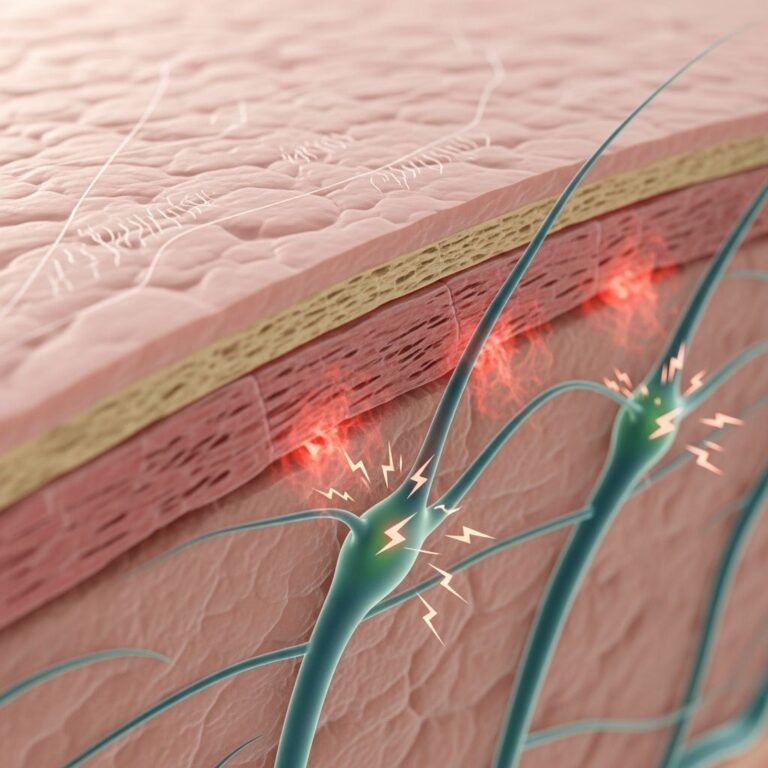
The underlying mechanism of POTS involves an imbalance in the autonomic nervous system. Many POTS patients have hypovolemia (low blood volume) and high levels of plasma norepinephrine while standing, reflecting increased sympathetic nervous system activation. Additionally, approximately 50% of POTS patients have small fiber neuropathy that impacts their sudomotor nerves, which are responsible for regulating sweat production and temperature control.
Recognizing POTS Symptoms
POTS presents with a wide variety of symptoms that can vary significantly from person to person. These symptoms typically occur immediately or within a few minutes after standing up or sitting up, and often improve when lying down. The diversity of symptoms contributes to delayed diagnosis and patient frustration, as many symptoms overlap with other conditions.
The hallmark symptom of POTS is a rapid heartbeat when standing, known as tachycardia. Patients commonly experience palpitations, which is the sensation of feeling the heart beating irregularly or too forcefully. Beyond heart-related symptoms, individuals with POTS often report:
- Dizziness and lightheadedness upon standing
- Fainting or near-syncope episodes
- Fatigue and persistent tiredness that worsens with standing or activity
- “Brain fog” or difficulty concentrating and maintaining mental clarity
- Headaches and migraines
- Nausea and gastrointestinal disturbances including bloating, irregular bowel movements, and abdominal pain
- Tremulousness or shaking
- Shortness of breath and chest pain
- Exercise intolerance—difficulty performing physical activities that were previously manageable
- Temperature regulation problems, including feeling excessively hot or cold with temperature fluctuations
- Sensory issues such as tingling, numbness, and coldness in extremities
- Blurred vision or tunnel vision
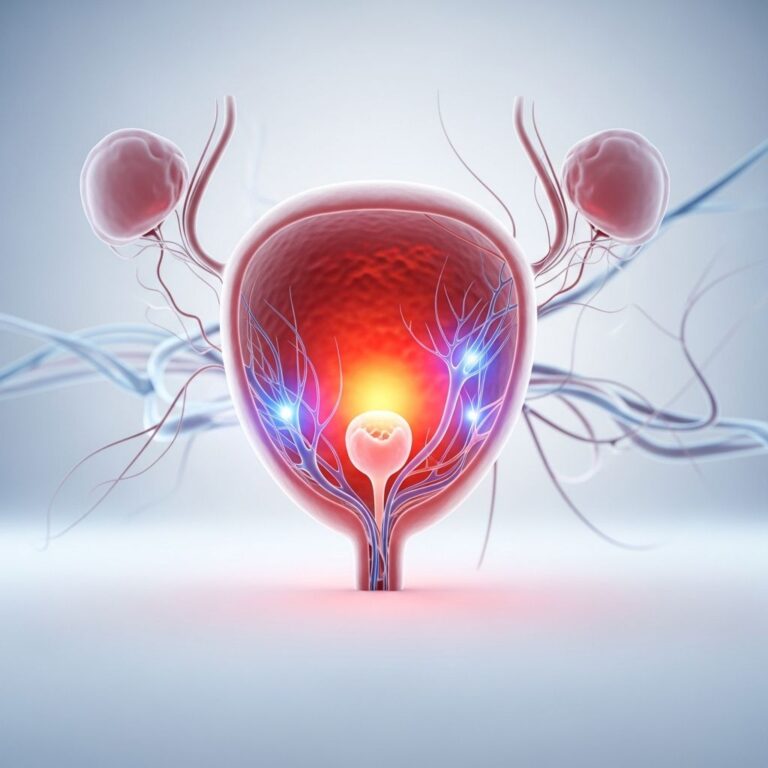
- Bladder problems including increased urinary frequency or urgency
The constellation of non-specific symptoms means POTS is often misdiagnosed or dismissed as anxiety, depression, or psychosomatic illness. This mischaracterization can lead to significant frustration among patients who struggle to receive appropriate care and validation for their medical condition.
The Diagnostic Journey
Diagnosis of POTS is frequently delayed because the clinical presentation includes such a broad range of non-specific symptoms. Patients often require multiple physician visits and subspecialty referrals before receiving a confirmed diagnosis. The diagnostic process requires both clinical assessment and specialized testing.
Clinical Evaluation
A complete history and physical examination form the critical foundation of POTS diagnosis. Healthcare providers should focus on several key areas: the chronicity of symptoms, potential triggers that worsen symptoms, family history of autonomic disorders or related conditions, patient diet and exercise history, and factors that modify symptom severity. Initial workup should include orthostatic blood pressure and heart rate measurements taken at 2-minute, 5-minute, and 10-minute intervals, along with a comprehensive physical examination that assesses for lower extremity venous pooling and joint hypermobility.
Related Stories



Diagnostic Criteria
The current diagnostic criteria for POTS is a heart rate increase of 30 beats per minute or more, or a heart rate exceeding 120 beats per minute, within the first 10 minutes of standing, in the absence of orthostatic hypotension (abnormal drop in blood pressure upon standing). This relatively straightforward definition belies the complexity of accurately diagnosing the condition, as many variables can affect heart rate measurements.
Advanced Testing Methods
When initial clinical assessment is inconclusive or when a specialist evaluation is necessary, several adjunct tests can provide additional diagnostic information:
- Tilt Table Testing: Often considered the gold standard for POTS diagnosis, this test measures how the body responds to positional changes in a controlled environment
- 24-Hour Holter Monitor (ECG): Records heart rhythm continuously over 24 hours to identify arrhythmias and heart rate patterns
- Ambulatory Blood Pressure and Heart Rate Monitoring: Tracks vital signs during normal daily activities
- Implantable Loop Recorders: Used when arrhythmias are suspected but not captured on standard monitoring
- Echocardiography: Ultrasound imaging of the heart to assess structural and functional issues
- Exercise ECG: Electrocardiogram performed during exercise to evaluate cardiac response to physical exertion
Understanding POTS Subtypes
Not all POTS cases are identical. Research has identified distinct subtypes based on the underlying physiological mechanisms, which helps guide more targeted treatment approaches.
Hyperadrenergic POTS
Approximately 30-60% of POTS patients have symptoms consistent with the “hyperadrenergic POTS” subtype. This variant is characterized by palpitations, tremulousness, and gastrointestinal symptoms. Patients with this subtype have elevated standing plasma norepinephrine concentrations causing increased sympathetic activation. This elevated norepinephrine is thought to result from a loss of function of the norepinephrine transporter, leading to impaired norepinephrine clearance from neuron synapses.
Associated Conditions
POTS frequently coexists with other medical conditions, and recognizing these associations is important for comprehensive treatment. Mast Cell Activation Syndrome (MCAS) occurs alongside POTS in many patients, with laboratory values consistent with MCAS (elevated prostaglandins and histamine markers) associated with diverse symptoms including allergies and gastrointestinal issues. Small Fiber Neuropathy (SFN) represents another common association, with studies showing improved POTS symptoms in patients with SFN after specific treatments. Migraines are frequently reported among POTS patients, though the exact mechanism linking these conditions remains incompletely understood, possibly involving central sensitization and activation of brain regions controlling autonomic regulation. Chronic Fatigue Syndrome (CFS) and POTS overlap significantly, with POTS prevalence in CFS reaching rates as high as 50% depending on diagnostic criteria used.
Treatment Approaches for POTS
Treatment regimens for POTS are extremely patient-specific and primarily focus on symptom improvement and gradual improvement in exercise tolerance. There is no one-size-fits-all approach, as individual responses to various interventions vary considerably.
Lifestyle Modifications
Managing POTS starts with lifestyle changes, which are often the most important part of care. These foundational strategies can help stabilize symptoms and improve daily functioning:
- Increased Fluid and Salt Intake: Boosting fluid and salt consumption helps expand blood volume and improve circulation. Most POTS patients benefit from increasing daily fluid intake to 2-3 liters or more, combined with adequate salt intake
- Dietary Adjustments: Eating small, frequent meals low in refined carbohydrates can prevent blood sugar fluctuations that may worsen symptoms
- Compression Garments: Wearing compression stockings or full-body compression suits helps prevent blood pooling in the lower extremities when upright
- Gradual Exercise Programs: Carefully planned, progressive exercise programs—including recumbent cycling, swimming, and other low-impact activities—can gradually improve exercise tolerance and symptom severity
- Temperature Management: Avoiding triggers that exacerbate temperature regulation problems and using environmental controls to maintain comfortable temperatures
- Sleep Optimization: Ensuring adequate sleep and maintaining consistent sleep schedules supports autonomic function
- Positional Strategies: Elevating the head of the bed and avoiding prolonged standing can reduce symptom triggers
Pharmacological Interventions
When lifestyle modifications alone prove insufficient, various medications can help manage POTS symptoms:
Fludrocortisone: This mineralocorticoid helps increase blood volume by promoting salt and fluid retention in the body, addressing the hypovolemia common in POTS patients.
Beta-Blockers: Although the non-selective beta-blocker propranolol is most commonly prescribed, research demonstrates that both propranolol and bisoprolol, a beta-1-adrenergic receptor-selective antagonist, effectively improve quality of life and reduce depressive symptoms in POTS patients. Beta-blockers help control heart rate and reduce symptoms like palpitations and tachycardia.
Ivabradine: This heart rate-reducing medication acts through a different mechanism than beta-blockers. Studies have found that numerous POTS symptoms, including palpitations, lightheadedness, syncope, fatigue, brain fog, and shortness of breath, improve after ivabradine use.
Pyridostigmine: This medication inhibits acetylcholinesterase, increasing the availability of acetylcholine at ganglionic nicotinic receptors and postganglionic muscarinic receptors. This mechanism increases parasympathetic and cardiovagal tone, resulting in reduced heart rate and improved autonomic balance.
Additional Medications: Depending on associated conditions, other medications such as antihistamines for allergic reactions or medications for gastrointestinal symptoms may be prescribed to help manage specific symptoms associated with POTS.
When to Seek Specialist Care
While many primary care physicians can diagnose and manage straightforward POTS cases, specialist care becomes important when the diagnosis is uncertain or when initial treatments prove unsuccessful. Neurologists, cardiologists, and electrophysiologists are often familiar with evaluating symptoms like rapid heart rate, dizziness, and fatigue. Specialized autonomic nervous system clinics, staffed by multidisciplinary teams including neurologists certified in autonomic disorders, offer comprehensive, personalized care grounded in the latest research.
Living Well with POTS
While POTS cannot be cured, the combination of appropriate diagnosis, personalized treatment, and lifestyle management can significantly improve quality of life. Many patients experience substantial symptom improvement with consistent adherence to treatment plans. The key to successful POTS management involves:
- Working closely with knowledgeable healthcare providers to establish an individualized treatment plan
- Maintaining consistency with lifestyle modifications and medication regimens
- Gradually increasing activity levels as tolerated to improve exercise capacity
- Monitoring symptoms and adjusting treatments as needed
- Seeking support from POTS communities and patient organizations
Frequently Asked Questions (FAQs)
Q: Is POTS life-threatening?
A: No, POTS is not life-threatening. However, it can greatly interfere with daily living and tasks. The good news is that a variety of treatments and strategies can help improve symptoms and restore quality of life.
Q: Can POTS develop suddenly?
A: Yes, you can develop POTS suddenly, or it can develop gradually over time. Some patients notice symptoms appearing acutely following a viral illness or traumatic event, while others experience gradual symptom onset.
Q: How is POTS different from regular dizziness?
A: POTS-related dizziness is specifically triggered by positional changes and is accompanied by a measurable increase in heart rate meeting diagnostic criteria. Regular dizziness may have many different causes and doesn’t necessarily involve abnormal heart rate responses.
Q: Can children have POTS?
A: Yes, POTS can affect people of all ages, including children and adolescents. However, diagnosis in younger patients may be more challenging due to differences in heart rate norms by age.
Q: Does exercise help POTS?
A: Yes, carefully designed and gradually progressive exercise programs can help improve POTS symptoms and exercise tolerance. However, exercise should be approached cautiously and typically under professional guidance to avoid symptom exacerbation.
References
- Postural Orthostatic Tachycardia Syndrome (POTS) — Dysautonomia International. https://www.dysautonomiainternational.org/page.php?ID=30
- Postural Orthostatic Tachycardia Syndrome — Cleveland Clinic. https://my.clevelandclinic.org/health/diseases/16560-postural-orthostatic-tachycardia-syndrome-pots
- Postural Tachycardia Syndrome (PoTS) — National Health Service (NHS). https://www.nhs.uk/conditions/postural-tachycardia-syndrome/
- Postural Orthostatic Tachycardia Syndrome (POTS) Clinic — Brigham and Women’s Hospital. https://www.brighamandwomens.org/neurology/autonomic-neurology/postural-orthostatic-tachycardia-syndrome
- POTS-associated Conditions and Management Strategies — USC Journal of Medicine. https://www.uscjournal.com/articles/narrative-review-postural-orthostatic-tachycardia-syndrome-associated-conditions-and
- Living with POTS — Australian POTS Foundation. https://potsfoundation.org.au/living-with-pots/
- Managing PoTS — PoTS UK. https://www.potsuk.org/managingpots/
Similar Articles








Read full bio of medha deb