POTS: Lightheadedness and a Racing Heart
Understanding POTS: Symptoms, causes, and effective management strategies for postural orthostatic tachycardia syndrome.
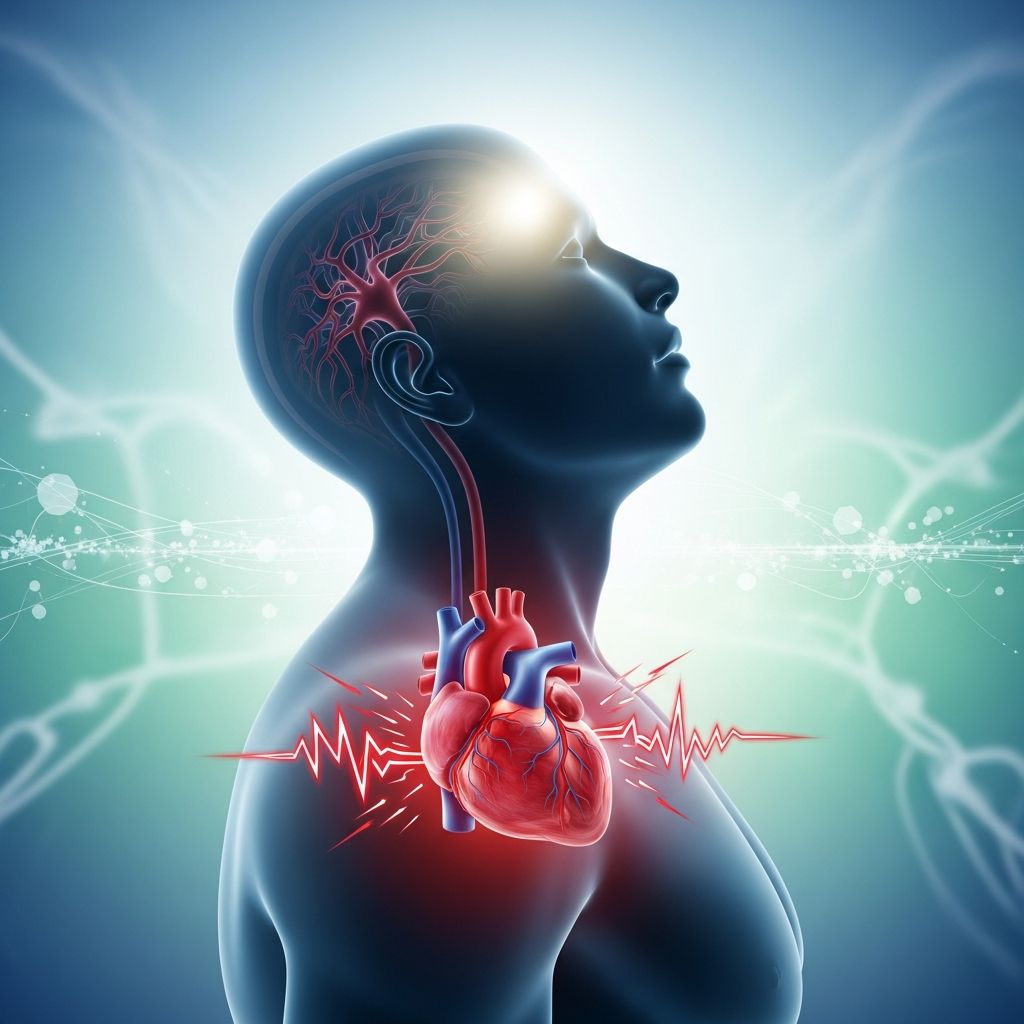
Understanding Postural Orthostatic Tachycardia Syndrome (POTS)
Postural Orthostatic Tachycardia Syndrome, commonly known as POTS, is a condition that affects the autonomic nervous system—the part of your nervous system responsible for regulating involuntary bodily functions like heart rate, blood pressure, and digestion. When someone with POTS stands up after sitting or lying down, their heart rate increases significantly—typically by more than 30 beats per minute—while their blood pressure remains relatively stable or even drops slightly. This abnormal response creates a cascade of symptoms that can be both uncomfortable and disruptive to daily life.
POTS is characterized by a dysfunction in how the body regulates blood flow and cardiovascular response to position changes. The condition often involves a lower blood volume and elevated levels of norepinephrine, a neurotransmitter that triggers the “fight or flight” response. This physiological imbalance makes it difficult for the body to maintain adequate blood flow to the brain and other vital organs when standing upright.
Recognizing the Symptoms of POTS
The symptoms of POTS can vary significantly from person to person, but understanding what to look for is crucial for early recognition and management. Many individuals with POTS experience a cluster of symptoms that typically worsen when standing and improve when lying down.
Common Symptoms Include:
Lightheadedness and Dizziness: One of the hallmark symptoms of POTS is feeling dizzy or lightheaded, particularly when transitioning from a sitting or lying position to standing. This sensation occurs because blood pools in the lower body, reducing blood flow to the brain.
Heart Palpitations and Racing Heart: Patients often experience a noticeable increase in heart rate accompanied by a sensation of heart palpitations. The heart may feel like it is pounding, fluttering, or racing irregularly.
Fatigue and Exhaustion: Many POTS patients report profound fatigue that extends beyond normal tiredness. This exhaustion can persist throughout the day and significantly limit physical activities.
Fainting and Near-Fainting Episodes: Some individuals with POTS may experience syncope (fainting) or presyncope (feeling like they might faint), especially after prolonged standing or physical exertion.
Cognitive Difficulties: Often referred to as “brain fog,” patients frequently report difficulty concentrating, memory problems, and impaired mental clarity. This cognitive impairment can affect work performance and daily functioning.
Additional Symptoms: Other common symptoms include headaches, shortness of breath, chest pain, nausea, trembling or shaking, muscle weakness, and difficulties with temperature regulation leading to coldness in extremities. Exercise intolerance is also prevalent, with patients finding that physical activity triggers or worsens symptoms.
Understanding the Underlying Causes and Mechanisms
The exact cause of POTS remains an area of ongoing research, but scientists have identified several contributing factors. In many POTS patients, hypovolemia—a condition of reduced blood volume—plays a significant role. With less blood circulating through the body, the heart must work harder and beat faster to maintain adequate blood flow, particularly when standing.
Related Stories



The autonomic nervous system dysfunction in POTS leads to excessive activation of the sympathetic nervous system when upright. This results in higher levels of norepinephrine, causing blood vessels to constrict abnormally and contributing to the racing heart sensation. Additionally, approximately 50% of POTS patients have small fiber neuropathy affecting their sudomotor nerves, which can impair the body’s ability to regulate blood flow and temperature.
POTS can develop suddenly or gradually, and it may be triggered by various factors including viral infections, prolonged bed rest, pregnancy, or physical deconditioning. The condition affects individuals of all ages, though it is more common in women and young adults.
Diagnostic Approach to POTS
Diagnosing POTS typically involves a thorough medical history and physical examination performed by a healthcare provider experienced in autonomic disorders. The key diagnostic criterion is an increase in heart rate of 30 beats per minute or more within three minutes of assuming an upright posture, in the absence of orthostatic hypotension (a drop in blood pressure that would indicate a different condition).
Healthcare providers may perform a tilt table test, where you lie on a special table that gradually tilts upright while monitoring your heart rate and blood pressure. Blood tests may also be ordered to check for underlying conditions and to measure norepinephrine levels during the standing position, which are typically elevated in POTS patients.
Non-Pharmacological Management Strategies
The foundation of POTS management typically begins with lifestyle modifications and non-medication approaches, which are often the most effective and have the fewest side effects.
Hydration and Increased Salt Intake:
One of the most effective treatments involves increasing fluid and salt consumption to expand blood volume. Healthcare providers typically recommend drinking 2 to 3 liters of water daily and increasing salt intake to 8,000 to 10,000 mg per day, sometimes using salt tablets under medical supervision. Proper hydration helps maintain adequate blood volume, which reduces the compensatory mechanisms that cause symptoms. However, this approach must be carefully monitored to ensure blood pressure remains within a normal range.
Compression Garments:
Medical compression stockings are highly effective for POTS management. These specially designed garments apply graduated pressure to the legs, preventing blood from pooling in the lower extremities and helping push blood back toward the heart. This reduces the heart’s workload and decreases the compensatory heart rate increase when standing. Compression garments should be fitted properly for optimal effectiveness.
Exercise and Physical Conditioning:
Regular, low-impact exercise is crucial for POTS management. Reclined or semi-reclined exercises such as rowing, recumbent cycling, and swimming are particularly beneficial because they avoid the upright position that triggers symptoms while still providing cardiovascular conditioning. Research has shown that graded exercise training increases the renin-angiotensin-aldosterone system response when standing, which helps blunt the orthostatic tachycardic response without requiring medications. Over time, regular exercise strengthens the cardiovascular system and improves overall blood flow regulation.
Dietary Modifications:
Maintaining a healthy diet with small, frequent meals is important for POTS management. Eating small meals low in refined carbohydrates helps prevent blood sugar fluctuations, which can exacerbate symptoms. Large meals should be avoided as they can cause blood to pool in the digestive system, worsening symptoms.
Positional Strategies:
Simple positional modifications can significantly help. Raising the head of the bed by 10 to 20 degrees helps conserve blood volume during sleep. When sitting, keeping the legs elevated when possible helps prevent blood pooling. Some patients benefit from performing counter-pressure maneuvers, such as crossing the legs and tensing leg muscles when standing, to maintain blood pressure and reduce symptoms.
Breathing Physiotherapy:
Specialized breathing techniques and breathing physiotherapy have shown promising results in managing breathlessness, one of the more burdensome symptoms. In one study, 97% of patients who committed to breathing physiotherapy reported improvements in symptom burden with improved respiratory rates and increased breath-hold times after just three sessions.
Pharmacological Treatment Options
When non-pharmacological approaches alone are insufficient to manage symptoms, medications can be added to the treatment plan. It is important to note that medication selection is highly individualized and may require trying several different medications or combinations to find what works best for each patient.
First-Line Medications:
Beta-Blockers: Propranolol is commonly prescribed and has shown effectiveness in reducing heart rate and symptom burden. Low-dose propranolol has been found to achieve symptom control within two hours, demonstrating that even lower doses can be effective.
Desmopressin: This medication can help conserve blood volume and has been shown to significantly lower standing heart rate and improve symptom burden in patients with hypovolemic POTS. However, it requires close monitoring for potential side effects like hyponatremia (low sodium levels).
Second-Line Medications:
Midodrine: This medication constricts blood vessels and increases blood pressure, helping maintain adequate circulation when standing. It is particularly useful for patients with significant orthostatic symptoms.
Pyridostigmine: This cholinergic agent improves vascular tone and has demonstrated significant improvements in symptom burden within four hours without affecting blood pressure. However, it can cause gastrointestinal side effects including diarrhea.
Additional Medication Options:
Selective Serotonin Reuptake Inhibitors (SSRIs): Some patients benefit from SSRIs, which can help regulate autonomic function and improve symptoms.
Steroids: In select cases, low-dose steroids may be prescribed to help expand blood volume and manage symptoms.
It is crucial to recognize that medications used for POTS are not without potential side effects. For example, both midodrine and pyridostigmine can potentially worsen symptoms in patients with hyperadrenergic POTS. Any medication adjustments should be made in consultation with a healthcare provider experienced in treating autonomic disorders.
Long-Term Outlook and Prognosis
Currently, there is no cure for POTS. However, with appropriate management and treatment, the majority of patients can effectively control their symptoms and maintain an active, fulfilling life. Researchers believe that some patients may experience improvements in symptoms over time, particularly with consistent management strategies.
While POTS is not life-threatening, it can significantly interfere with daily living, work performance, and quality of life if left unmanaged. The good news is that a variety of treatment approaches exist, and most patients respond well to individualized treatment plans that combine non-pharmacological and pharmacological interventions.
Creating Your Personalized Treatment Plan
Because POTS affects everyone differently, creating an effective treatment plan requires close collaboration with a healthcare provider who has experience in treating autonomic disorders. Your treatment plan should be tailored to your specific symptoms, severity, and individual response to various interventions.
Most patients find that a combination approach works best, starting with lifestyle modifications and adding medications as needed. It may take time to find the right combination of therapies that provides optimal symptom relief with minimal side effects. Regular follow-up appointments with your healthcare provider are important to monitor your progress and adjust your treatment plan as needed.
Frequently Asked Questions About POTS
Q: Is POTS life-threatening?
A: No, POTS is not life-threatening. However, it can significantly impact quality of life and daily functioning if not properly managed. With appropriate treatment strategies, most people with POTS can manage their symptoms effectively and live active lives.
Q: Can POTS be cured?
A: Currently, there is no cure for POTS. However, symptoms can be effectively managed through a combination of lifestyle modifications and medications. Some patients may experience improvement in symptoms over time with consistent management.
Q: How long does it take for treatments to work?
A: The timeline for treatment effectiveness varies among individuals. Some interventions like breathing physiotherapy may show results within a few sessions, while others like exercise conditioning may require weeks or months of consistent effort. It’s important to work with your healthcare provider to find the most effective approach for your situation.
Q: Can I exercise with POTS?
A: Yes, regular low-impact exercise is actually recommended for POTS management. Reclined or semi-reclined exercises such as rowing, recumbent cycling, and swimming are particularly beneficial. These activities strengthen the cardiovascular system without triggering the symptoms associated with upright exercise.
Q: How much salt should I consume daily?
A: Healthcare providers typically recommend increasing salt intake to 8,000 to 10,000 mg per day, sometimes using salt tablets. This must be carefully monitored with your healthcare provider to ensure your blood pressure remains in a normal range.
Q: Are compression stockings effective for POTS?
A: Yes, medical compression stockings are highly effective for managing POTS symptoms. They prevent blood pooling in the legs and help push blood toward the heart, reducing the compensatory heart rate increase when standing. Proper fitting is essential for optimal effectiveness.
Q: What should I do if I feel faint while standing?
A: If you feel faint, immediately sit or lie down to restore blood flow to your brain. Performing counter-pressure maneuvers such as crossing your legs and tensing leg muscles before standing can help prevent fainting episodes. Always consult with your healthcare provider about appropriate management strategies for your specific situation.
References
- Postural Orthostatic Tachycardia Syndrome (POTS) — Sports and Performance Cardiology. 2024. https://sportsandperformancecardiology.com/services/postural-orthostatic-tachycardia-syndrome-pots/
- Postural Orthostatic Tachycardia Syndrome — Dysautonomia International. 2024. https://dysautonomiainternational.org/page.php?ID=30
- Management of Postural Orthostatic Tachycardia Syndrome — National Institutes of Health, PubMed Central. 2021. https://pmc.ncbi.nlm.nih.gov/articles/PMC8313187/
- Postural Orthostatic Tachycardia Syndrome (POTS) — Cleveland Clinic. 2024. https://my.clevelandclinic.org/health/diseases/16560-postural-orthostatic-tachycardia-syndrome-pots
- Postural Tachycardia Syndrome (PoTS) — National Health Service (NHS). 2024. https://www.nhs.uk/conditions/postural-tachycardia-syndrome/
- Postural Orthostatic Tachycardia Syndrome (POTS) Clinic — Brigham and Women’s Hospital. 2024. https://www.brighamandwomens.org/neurology/autonomic-neurology/postural-orthostatic-tachycardia-syndrome
Similar Articles








Read full bio of Sneha Tete