The Power of the Placebo Effect: Science Behind Mind-Body Healing
Discover how placebos trigger real physiological changes and revolutionize modern medicine.
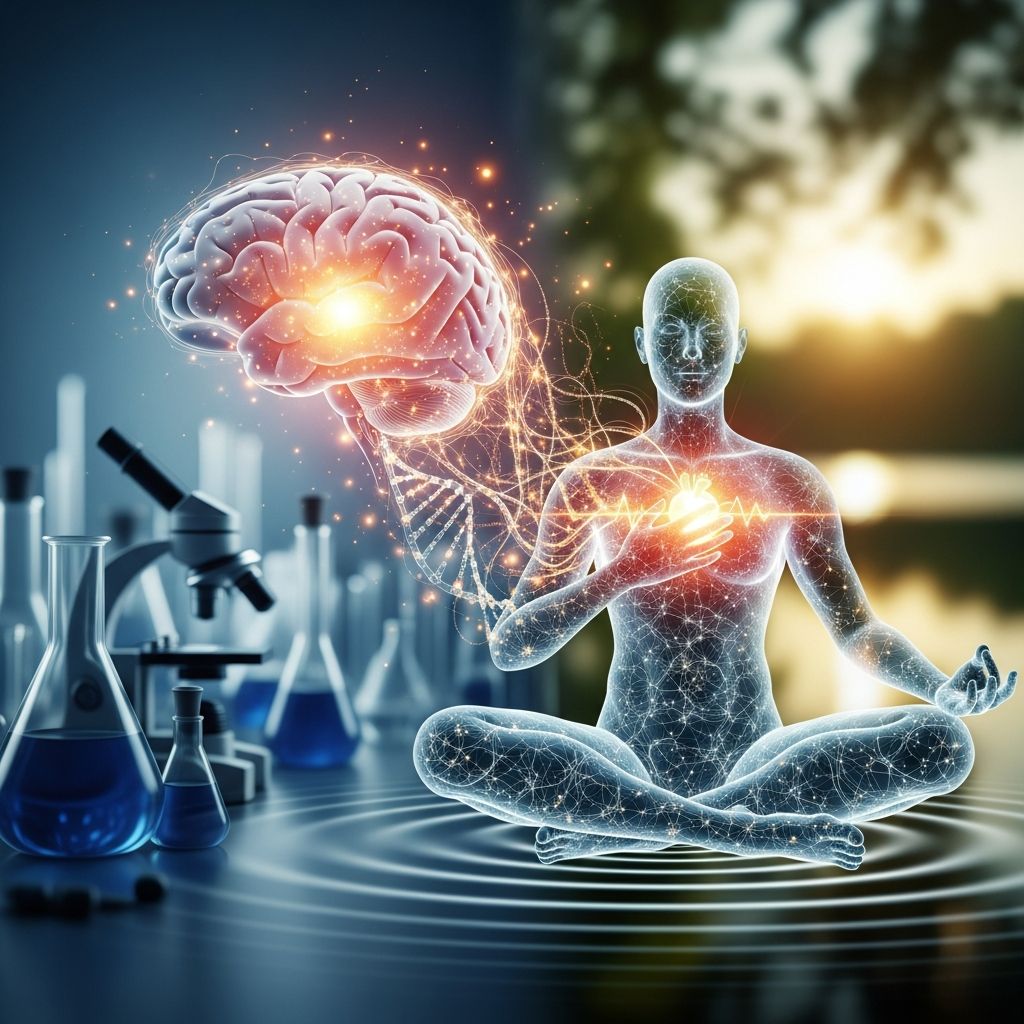
The Power of the Placebo Effect: Understanding Mind-Body Healing
The placebo effect represents one of the most fascinating and paradoxical phenomena in modern medicine. For decades, researchers dismissed placebos as mere psychological tricks—ways in which patients deceived themselves into feeling better. However, groundbreaking research from leading medical institutions has fundamentally transformed our understanding of how inert substances and ritualistic treatments can produce measurable, physiological improvements in human health. This shift in perspective has profound implications for how we approach treatment, doctor-patient relationships, and the very nature of healing itself.
Dr. Ted Kaptchuk, an associate professor of medicine at Harvard Medical School, has been at the forefront of placebo research for decades. His pioneering work demonstrates that placebos are far more than psychological illusions. Rather, they represent a complex interplay of biological, psychological, and social factors that can trigger genuine healing responses in the human body. Understanding the placebo effect is not merely an academic exercise—it has practical applications that can enhance patient outcomes across numerous medical conditions.
What Is the Placebo Effect?
The placebo effect refers to the improvement in symptoms that occurs after receiving a treatment with no active pharmacological ingredients. This might involve taking sugar pills, receiving sham injections, or undergoing fake surgical procedures. The critical element is that patients believe they are receiving real treatment, even when the intervention itself contains no therapeutic agents.
Importantly, Dr. Kaptchuk emphasizes that placebos have clear limitations. “Sham treatment won’t shrink tumors or cure viruses,” he states, clarifying that the placebo effect operates within specific domains. However, research has consistently shown that placebo treatments can produce real physiological responses in conditions involving pain, depression, anxiety, fatigue, and certain symptoms of neurological disorders like Parkinson’s disease.
The placebo effect is not a single phenomenon but rather a constellation of multiple effects woven together, some more powerful than others. This complexity is precisely what makes it so interesting to researchers and clinically relevant to practitioners.
The Neurobiological Mechanisms Behind Placebos
Modern neuroscience has revealed that placebo effects involve measurable changes in brain chemistry and brain structure. When patients experience placebo treatments, specific neurotransmitters are activated, producing genuine biological effects.
Brain Chemistry and Neurotransmitters
Research conducted by neuroscientist Fabrizio Benedetti at the University of Turin has demonstrated that numerous neurotransmitters are involved in placebo responses, including chemicals that utilize the same neurological pathways as opium and marijuana. This discovery suggests that placebos can activate endogenous pain-relief systems similar to those triggered by pharmaceutical opioids.
Additional studies have shown that placebos increase dopamine—a neurotransmitter that affects emotions, sensations of pleasure, and reward—in the brains of Parkinson’s patients. Patients with depression who received placebos showed measurable changes in electrical and metabolic activity across several different brain regions. These findings provide concrete evidence that placebo effects involve real neurochemical changes, not mere imagination.
Brain Structure and Regional Activation
Laboratory experiments administering painful stimuli followed by placebo treatment have documented measurable biochemical changes, including increased endorphins and dopamine, along with identifiable changes in specific brain regions such as the rostral anterior cingulate cortex and right anterior insula. These neuroanatomical correlates demonstrate that placebo responses have objective neural substrates.
Related Stories



Interestingly, nocebo effects—the negative counterpart to placebos, where expectations of harm produce actual symptoms—activate different brain regions, including the hippocampus, which is associated with memory and anxiety. This distinction reveals that different types of expectations engage distinct neural pathways.
The Components of Placebo Response
One of Dr. Kaptchuk’s most important contributions to medical science was demonstrating that the placebo effect comprises multiple separable components, each contributing to the overall therapeutic response.
The Dose-Dependent Response Study
In a landmark study, Kaptchuk and his colleagues recruited 262 adults with irritable bowel syndrome (IBS) and divided them into three groups. The first group received no treatment and was told they were on a waiting list. The second group received sham acupuncture with minimal interaction from the practitioner. The third group received sham acupuncture accompanied by extensive attention from the practitioner, including at least 20 minutes of compassionate engagement with statements like “I’m so glad to meet you” and “I know how difficult this is for you.” Practitioners were also instructed to touch patients’ hands or shoulders and spend at least 20 seconds in thoughtful silence.
The results were striking: patients who received the most care experienced the greatest symptom relief. More importantly, this study was among the first to demonstrate a “dose-dependent response” for placebo effects—the more attentive care patients received, the better their outcomes, even when that care involved fake treatments. This finding has profound implications for healthcare delivery in an era of rushed doctor’s visits and crowded waiting rooms.
The Open-Label Placebo Discovery
Perhaps the most surprising finding in placebo research emerged from a study published in PLOS ONE in 2010. Kaptchuk’s team investigated whether placebo effects could work even when patients were fully informed that they were receiving inert substances. One group of IBS patients received no treatment, while another group was given bottles clearly labeled “placebo pills” and told that placebos often produce healing effects.
The results shocked the investigators themselves: even patients who knew they were taking placebos experienced real improvement, reporting twice as much symptom relief as the no-treatment group. This difference was so significant that it rivaled the improvement seen in trials for the best FDA-approved IBS medications. This discovery fundamentally challenged assumptions about how placebos work—it appears that conscious awareness of receiving a placebo does not necessarily eliminate its therapeutic effects.
The Role of Patient-Practitioner Relationships
Perhaps the most clinically actionable finding from placebo research concerns the importance of the therapeutic relationship. Healthcare is not simply about delivering medications or procedures; the manner in which care is delivered profoundly influences outcomes.
The quality of the patient-practitioner interaction emerged as a critical component of the placebo response. When practitioners demonstrated genuine care, spent adequate time with patients, made physical contact, and engaged in attentive listening, patients experienced significantly better outcomes. This “augmented” relationship component appeared to be dose-dependent—more attention correlated with better results.
These findings suggest that doctors could potentially be more transparent with patients about treatment options while still leveraging the therapeutic power of the patient-practitioner relationship. Rather than dismissing placebos as deceptive, the research suggests incorporating them thoughtfully into clinical practice.
The Nocebo Effect: When Expectations Harm
The flip side of the placebo effect is the nocebo effect—where negative expectations produce harmful symptoms. Research on vaccine trials provides illuminating evidence of how powerful nocebo effects can be.
In a study published in JAMA Network Open, researchers found that nearly a third of placebo recipients reported adverse events following injections, with headache and fatigue being most common. After the first injection, over 35 percent of placebo recipients experienced systemic adverse events—symptoms affecting the entire body such as fever—with headache and fatigue reported in 19.3 percent and 16.7 percent of participants, respectively. Sixteen percent reported local adverse events like injection site pain or swelling.
The analysis revealed that nocebo responses accounted for 76 percent of systemic adverse events in the vaccine group and nearly 25 percent of local events. After the second dose, these percentages changed to approximately 52 percent of systemic adverse events and 16 percent of local events, suggesting that participants anticipated more adverse effects the second time based on their first experience.
These findings demonstrate that negative expectations can produce physiologically real symptoms—the headaches, nausea, insomnia, and fatigue reported are not imaginary but represent genuine suffering. Understanding nocebo effects is essential for healthcare providers seeking to minimize adverse outcomes through careful communication and expectation management.
Unconscious Placebo Activation
Recent research has extended our understanding of placebos even further, revealing that placebo responses can occur at unconscious levels. A study published in the Proceedings of the National Academy of Sciences demonstrated that images flashed on a screen too quickly for conscious recognition could trigger placebo responses—but only if patients had previously learned to associate those images with healing. This suggests that the mind may automatically activate healing associations in environments containing medical equipment or other contextual cues.
This discovery implies that simply entering a doctor’s office, with its familiar medical equipment and established associations with feeling better, may trigger unconscious placebo responses. The physical environment and contextual cues surrounding treatment appear to play a more significant role than previously appreciated.
Placebos and Asthma: Subjective Versus Objective Outcomes
Harvard research published in the New England Journal of Medicine revealed an interesting distinction between objective and subjective outcomes in placebo response. In a study comparing responses to albuterol—an effective bronchodilator—with placebos in asthmatic patients, the medication outperformed placebo on objective measures of airway function. However, when patients reported their subjective symptoms and perceived improvement, albuterol and placebos performed equally well.
This finding suggests that placebos may be particularly effective at modulating the patient’s experience of symptoms and subjective sense of well-being, even when they do not alter the underlying objective pathology. This has implications for conditions where subjective suffering significantly impacts quality of life.
Clinical Applications and Future Directions
Understanding placebo mechanisms opens new possibilities for medical practice. Rather than viewing placebos as deceptive, physicians might consider incorporating them thoughtfully into treatment protocols, particularly for conditions where subjective experience is paramount.
The research suggests several practical applications: maintaining adequate time for patient visits, demonstrating genuine care and attention, creating therapeutic rituals that reinforce expectations of healing, and carefully managing patient expectations to minimize nocebo effects. These elements cost nothing beyond time and attention yet produce measurable improvements in outcomes.
Frequently Asked Questions
Q: Can placebos actually cure serious diseases like cancer?
A: No. While placebos can produce real physiological changes in pain, depression, anxiety, and certain neurological symptoms, they cannot shrink tumors or cure viral infections. Placebos work best for conditions involving subjective experience and symptoms rather than objective pathology requiring pharmaceutical or surgical intervention.
Q: How can placebos work if patients know they’re receiving fake treatment?
A: Groundbreaking research shows that even when patients are fully informed they’re receiving placebos, significant therapeutic effects persist. One study found that informed placebo recipients experienced twice as much IBS symptom relief compared to no-treatment controls—a magnitude comparable to approved medications.
Q: What role does the doctor-patient relationship play in placebo effectiveness?
A: The relationship is crucial. Research demonstrates a dose-dependent response where greater practitioner attention, compassion, and engagement correlate with better placebo outcomes. Even simple interventions like physical touch and attentive listening significantly enhance therapeutic effects.
Q: Can nocebo effects be prevented?
A: Yes, through careful communication and expectation management. Healthcare providers can minimize nocebo effects by being thoughtful about how they discuss potential side effects and by maintaining supportive, reassuring communication patterns with patients.
Q: What brain chemicals are involved in placebo responses?
A: Multiple neurotransmitters participate in placebo effects, including endorphins, dopamine, and chemicals utilizing the same pathways as opioids. Different conditions may involve different neurochemical systems and brain regions.
References
- The Placebo Phenomenon — Harvard Magazine. 2012-12. https://www.harvardmagazine.com/2012/12/the-placebo-phenomenon
- Power of Placebo — Harvard Medical School. 2022. https://hms.harvard.edu/news/power-placebo
- Placebos and Patients’ Experiences in a Randomized Controlled Trial — National Center for Biotechnology Information. https://pmc.ncbi.nlm.nih.gov/articles/PMC2716443/
- Putting the Placebo Effect to Work — Harvard Health Letter. https://programinplacebostudies.org/wp-content/uploads/2012/04/Harvard-Health-3.12-placebo-only.pdf
Similar Articles








Read full bio of medha deb