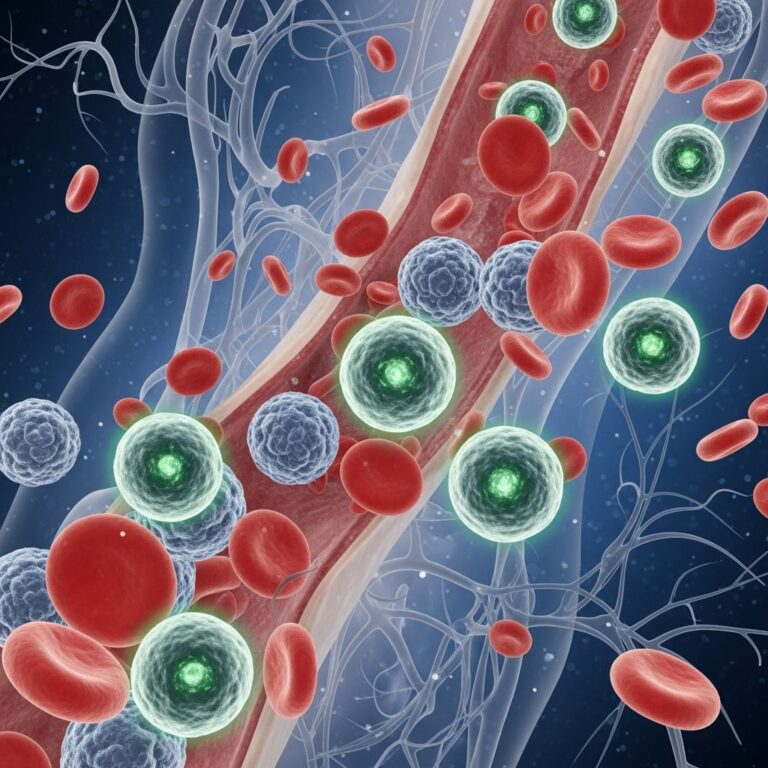
Prader-Willi Syndrome: 3 Essential Management Strategies
Comprehensive insights into causes, symptoms, diagnosis, and lifelong management strategies for Prader-Willi syndrome.

Prader-Willi syndrome (PWS) represents a complex genetic condition that profoundly influences physical, cognitive, and behavioral development from infancy through adulthood. Characterized by low muscle tone at birth, feeding difficulties, and later an unrelenting drive to eat, PWS requires vigilant, lifelong management to mitigate obesity-related complications and support overall well-being.
The Genetic Roots of Prader-Willi Syndrome
PWS arises from the absence of expression of specific genes on the paternal chromosome 15q11-q13 region, due to mechanisms like deletions, uniparental disomy, or imprinting defects. This genomic imprinting disorder, first recognized for its genetic uniqueness, disrupts normal hypothalamic function, leading to the syndrome’s hallmark features.
Unlike typical inheritance, only the father’s copy of these genes functions properly; maternal copies are silenced. Incidence rates hover around 1 in 15,000 to 25,000 live births, affecting all ethnicities and genders equally.
Clinical Phases: From Infancy to Adulthood
PWS manifests in distinct phases, evolving from early hypotonia to hyperphagia-driven obesity.
Neonatal and Infant Period (Birth to Age 2)
Newborns often present as ‘floppy’ infants with severe hypotonia, weak cry, and poor suck reflex, necessitating special feeding techniques or tubes. Failure to thrive is common due to inadequate caloric intake despite efforts. Distinct facial traits include almond-shaped eyes, a narrow forehead, and small mouth.
- Hypotonia persisting beyond infancy
- Developmental delays in motor milestones like rolling or sitting
- Sleep disturbances and temperature regulation issues
Childhood Transition (Ages 2-8)
A pivotal shift occurs around ages 3-8, when hypotonia lessens and hyperphagia emerges—an obsessive hunger without satiety signals. Without strict controls, rapid weight gain ensues, centering obesity around the trunk.
- Short stature from growth hormone deficiency
- Small hands and feet (acromicria)
- Early signs of scoliosis or hip dysplasia
Adolescence and Beyond
Into teenage years and adulthood, hypogonadism leads to incomplete puberty, infertility, and osteoporosis risk. Behavioral issues intensify, including temper outbursts, compulsions, and skin-picking. Cognitive abilities stabilize at mild intellectual disability levels.
| Age Group | Key Physical Features | Behavioral Traits |
|---|---|---|
| Infancy | Hypotonia, poor feeding | Minimal, sleep-related |
| Childhood | Hyperphagia, obesity risk | Food obsession, tantrums |
| Adulthood | Hypogonadism, short stature | OCD-like behaviors, anxiety |
Neurological and Behavioral Dimensions
Beyond physical traits, PWS profoundly affects the brain. Hypothalamic dysfunction underlies endocrine issues like growth hormone (GH) and gonadotropin deficiencies, with rarer adrenal impacts. Cognitive profiles show relative strengths in visual-spatial tasks and puzzle-solving, but weaknesses in sequential processing, math, and short-term memory.
Behavioral hallmarks include hyperphagia as part of broader food fixation, alongside rigidity, poor impulse control, and social deficits. Psychiatric concerns like anxiety or psychosis may emerge in adolescence. High pain tolerance complicates illness detection.
Diagnostic Approaches
Diagnosis combines clinical suspicion with genetic testing. Key indicators prompt methylation-specific PCR or microarray analysis to confirm paternal gene silencing. Early newborn screening via methylation tests enhances outcomes.
Related Stories



- Methylation analysis: First-line, detects 99% of cases
- FISH or array CGH: Identifies deletions (65-75% of cases)
- SNP array: Detects uniparental disomy (20-30%)
Prenatal diagnosis is possible via amniocentesis if familial risk exists.
Multidisciplinary Treatment Strategies
Managing PWS demands a team approach involving endocrinologists, dietitians, therapists, and psychologists. Core goals: control weight, boost development, and address behaviors.
Nutritional and Weight Control
Hyperphagia necessitates 24/7 food supervision, calorie-restricted diets (often 50-75% of peers’ needs), and locked environments. Daily exercise—60 minutes minimum—builds muscle and prevents obesity comorbidities like diabetes or sleep apnea.
Pharmacological and Hormonal Interventions
Growth hormone therapy, started early (often age 2+), improves height, body composition, and motor skills. Sex steroids may induce puberty. Medications target behaviors: topiramate for hyperphagia, SSRIs for anxiety.
Therapeutic Supports
Physical therapy counters hypotonia, enhancing strength and mobility. Speech and occupational therapies aid feeding, communication, and daily skills. Behavioral interventions use positive reinforcement for adaptive habits.
Potential Health Complications
Untreated PWS elevates risks for:
- Obstructive sleep apnea and respiratory failure
- Cardiovascular disease from obesity
- Scoliosis requiring bracing or surgery
- Osteoporosis and fractures
- Gastrointestinal issues like constipation or choking
Daily Living and Long-Term Outlook
With proactive care, individuals with PWS can achieve fulfilling lives, including supported employment and independent living. Family education, respite care, and advocacy groups like PWSA are vital. Lifespan approaches normalcy with obesity prevention, though vigilance against sudden crises (e.g., gastric rupture) remains essential.
Frequently Asked Questions (FAQs)
What causes the insatiable hunger in PWS?
Damage to hypothalamic satiety centers impairs fullness signals, driving constant food-seeking.
Can growth hormone therapy reverse short stature?
Yes, when initiated early, it significantly boosts final height and lean mass.
Are there cures for PWS?
No cure exists, but symptom management markedly improves quality of life.
How do I manage food access at home?
Implement locked cabinets, meal planning, and distraction activities.
What behavioral therapies work best?
Cognitive-behavioral approaches and ABA (Applied Behavior Analysis) reduce compulsions.
Building a Support Network
Connect with specialized clinics, like those offering comprehensive PWS care, for coordinated services. Parent guides and MDT clinics facilitate transitions from pediatric to adult care.
In summary, while PWS poses lifelong hurdles, evidence-based interventions foster independence and health. Early diagnosis and holistic support are paramount.
References
- Prader-Willi syndrome: A primer for clinicians — PMC/NCBI. 2011-11-15. https://pmc.ncbi.nlm.nih.gov/articles/PMC3217845/
- PWS Medical Issues A-Z — Prader-Willi Syndrome Association USA. 2025. https://www.pwsausa.org/resources/medical-issues-a-z/
- Physical Therapy Guide to Prader-Willi Syndrome — Choose PT. 2024. https://www.choosept.com/guide/physical-therapy-guide-prader-willi-syndrome
- Prader–Willi syndrome: guidance for children and transition into… — BSPED. 2024. https://www.bsped.org.uk/media/c0aonzqa/ec-ec-24-0091.pdf
- Prader-Willi Syndrome Comprehensive Clinic – Overview — Mayo Clinic. 2025. https://www.mayoclinic.org/departments-centers/prader-willi-syndrome-comprehensive-clinic/overview/ovc-20583758
Similar Articles








Read full bio of medha deb