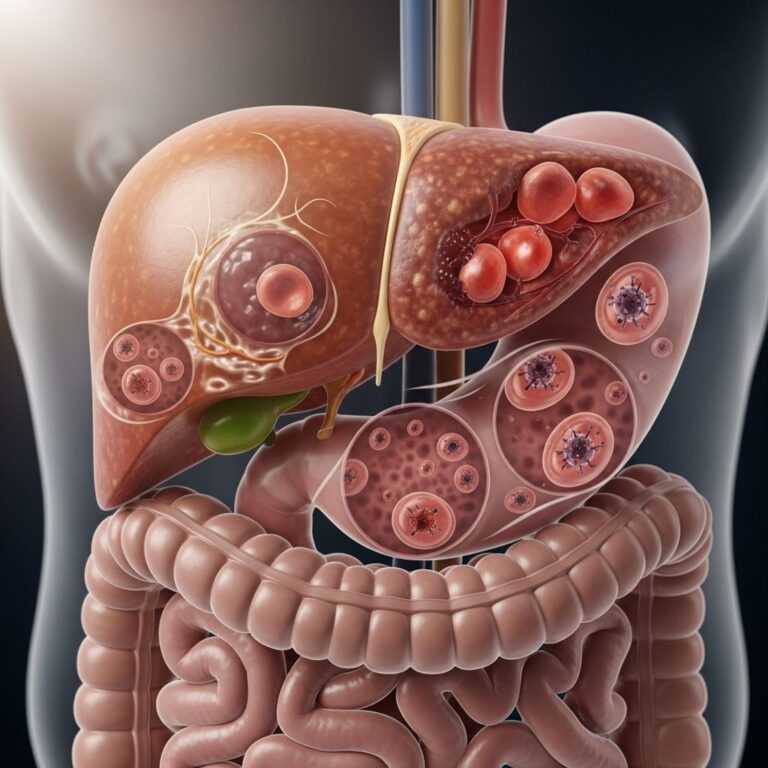
Prandial Glucose Regulators: Key Insights for Post-Meal Control
Learn about prandial glucose regulators for type 2 diabetes management, their rapid action, usage, benefits, and side effects.

Prandial glucose regulators, also known as
glinides
ormeglitinides
, are oral medications designed to managetype 2 diabetes
by targeting post-meal blood sugar spikes. These drugs, primarilyrepaglinide
(brand name Prandin), stimulate rapid insulin release from the pancreas, offering flexible control for irregular meal patterns.How do prandial glucose regulators work?
Prandial glucose regulators function similarly to
sulphonylureas
by binding to ATP-sensitive potassium channels on pancreatic beta cells, prompting quick insulin secretion to lower blood glucose levels after meals. Unlike longer-acting sulphonylureas, they have arapid onset
(within 15-30 minutes) and short duration (2-4 hours), minimizing prolonged exposure and reducing hypoglycaemia risk.This
prandial glucose regulation
approach focuses on postprandial hyperglycaemia, a key factor in type 2 diabetes complications. Clinical studies show repaglinide superior to glibenclamide in post-meal control, with equivalent or better overall glycaemic outcomes (HbA1c reduction). For instance, repaglinide synchronizes insulin release with glucose intake, supporting flexible lifestyles.In combination therapies, repaglinide enhances insulin sensitivity when paired with metformin or provides bedtime coverage with NPH insulin, achieving comparable HbA1c to twice-daily NPH but with fewer hypos.
Who can take prandial glucose regulators?
Adults over 18 with
type 2 diabetes
who need better postprandial control are suitable candidates, especially if metformin alone is insufficient. They serve as monotherapy or in combination with metformin, targeting those above NICE targets (e.g., HbA1c >6.5%).- Not for type 1 diabetes or diabetic ketoacidosis (DKA); discontinue if DKA develops.
- Caution in
kidney disease
: Dose adjustments for mild-moderate impairment; avoid in severe cases. - Contraindicated in
severe liver disease
. - Safe for elderly with no routine adjustment, though titration is advised.
- Ideal for irregular eaters due to meal-tied dosing.
Repaglinide’s profile supports broad use, including combo with troglitazone or insulin for intensive regimens.
How do you take prandial glucose regulators?
Take
repaglinide tablets
2-4 mg up to three times daily, immediately before or 30 minutes prior to main meals. Skip if meal is missed to avoid hypoglycaemia.| Dose | Timing | Notes |
|---|---|---|
| 0.5-4 mg per meal | Pre-meal (0-30 min) | Titrate based on glucose; max 16 mg/day |
| Start: 0.5-1 mg | With main meals | Adjust per response; monitor FPG |
| Skip dose | If no meal | Prevents hypo |
Follow your healthcare team’s advice and Patient Information Leaflet. Combine with diet/exercise for optimal results.
Your prescription
Repaglinide requires a prescription; your doctor assesses suitability based on diabetes control, kidney/liver function, and lifestyle. Available as tablets (0.5 mg, 1 mg, 2 mg). Discuss combinations like repaglinide/metformin for enhanced secretion and sensitivity, or repaglinide/NPH for basal-prandial coverage.
Regular monitoring ensures targets (e.g., FPG <7.0 mmol/L) are met; titrate from 1 mg/meal upward.
Prandial glucose regulators side effects
Common side effects mirror sulphonylureas but are less frequent due to short action:
- **Hypoglycaemia** (blood sugar <4 mmol/L): Higher risk if meals skipped or alcohol consumed; symptoms include shakiness, sweating.
- **Gastrointestinal**: Stomach pain, diarrhoea, nausea.
- **Weight gain**: Mild, from insulin promotion.
- Rare: Allergic reactions, liver enzyme elevation.
Repaglinide/NPH shows fewer hypos than twice-daily NPH despite similar HbA1c. Report persistent issues to your team; benefits often outweigh risks for postprandial control.
More information and support
Consult Diabetes UK, NICE guidelines, or your healthcare team for personalized advice. Track blood sugar, maintain diet/exercise, and attend reviews.
Related Stories



Repaglinide improves quality of life via flexible dosing and satisfaction scores in trials. For advanced cases, it integrates into multi-therapy (e.g., with metformin, insulin).
Frequently Asked Questions (FAQs)
What is a prandial glucose regulator?
A fast-acting oral drug like repaglinide that boosts meal-time insulin to control postprandial glucose in type 2 diabetes.
Who cannot take repaglinide?
Those with type 1 diabetes, DKA, severe liver/kidney disease, or sulpha allergy (though rare).
Can I take it with other diabetes meds?
Yes, effectively with metformin or bedtime NPH insulin for better control without excess hypos.
What if I miss a meal?
Skip the dose to avoid hypoglycaemia.
Does it cause weight gain?
Possible mild gain; monitor diet.
How quickly does repaglinide work?
Onset in 15-30 minutes, peaks in 1 hour, lasts 2-4 hours.
References
- Repaglinide: prandial glucose regulation in clinical practice — PubMed/NCBI. 2001-02-23. https://pubmed.ncbi.nlm.nih.gov/11225759/
- Prandial glucose regulator — Diabetes UK. Accessed 2026. https://www.diabetes.org.uk/about-diabetes/looking-after-diabetes/treatments/tablets-and-medication/prandial-glucose-regulator
- Repaglinide/Bedtime NPH Insulin Is Comparable to Twice-Daily NPH Insulin — Diabetes Care/American Diabetes Association. 2005-07. https://diabetesjournals.org/care/article/28/7/1789/28077/Repaglinide-Bedtime-NPH-Insulin-Is-Comparable-to
- Glinides- Usage, Benefits, and Side Effects — Specialty Care Clinics. Accessed 2026. https://specialtycareclinics.com/online-prescriptions/diabetes-medication/glinides/
- Repaglinide (oral route) — Mayo Clinic. Accessed 2026. https://www.mayoclinic.org/drugs-supplements/repaglinide-oral-route/description/drg-20067881
- Repaglinide — MedlinePlus/NIH. Accessed 2026. https://medlineplus.gov/druginfo/meds/a600010.html
Similar Articles








Read full bio of Sneha Tete