Pravastatin Tablets (Lipostat): Uses, Dosage & Side Effects
Complete guide to pravastatin (Lipostat): how it works, dosage, side effects, and heart disease prevention.
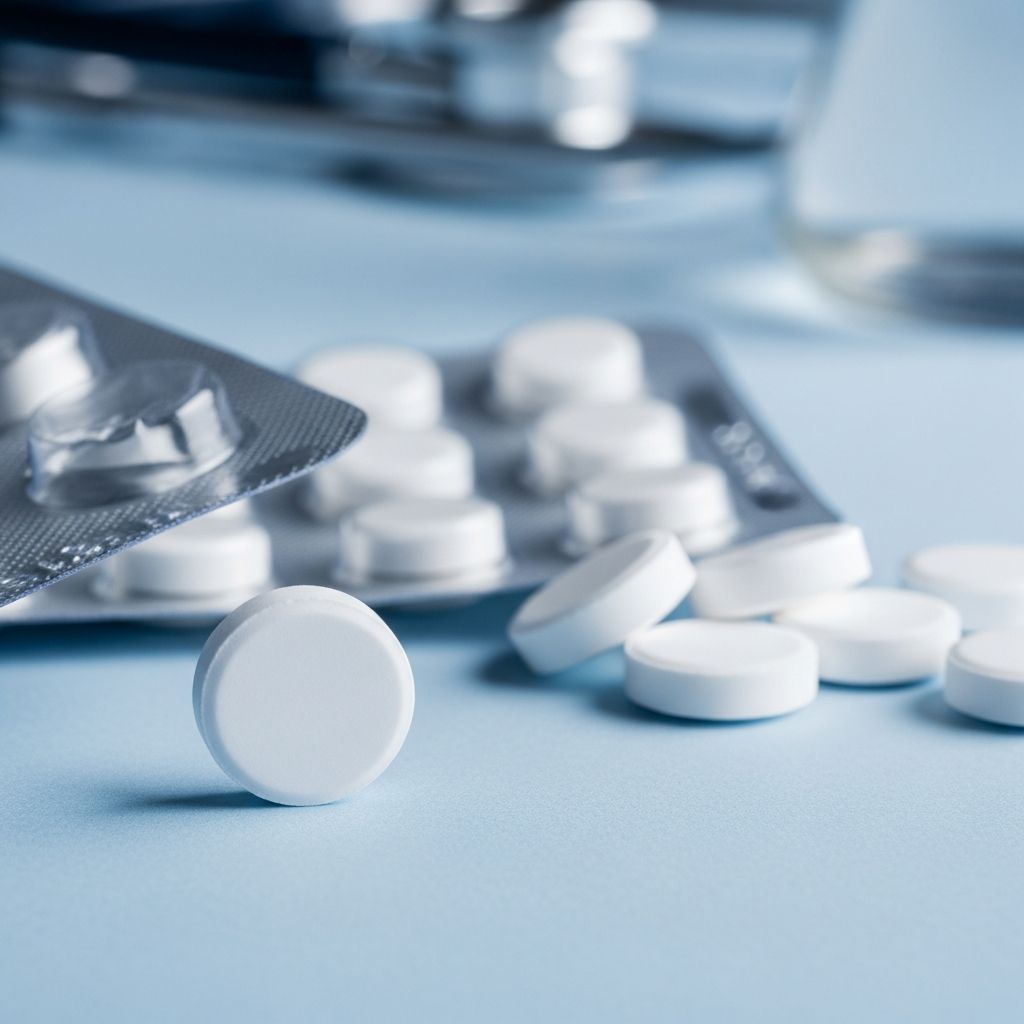
About Pravastatin
Pravastatin is a lipid-regulating medicine, commonly known as a statin or HMG-CoA reductase inhibitor. The brand name Lipostat contains pravastatin sodium as its active ingredient. This medication is used to lower cholesterol and other lipids in the blood, helping to reduce your risk of heart and blood vessel disease.
Pravastatin works by blocking the action of an enzyme needed to make cholesterol in your body. By reducing the amount of cholesterol and other lipids your body produces, this medicine helps protect you from serious cardiovascular events. It is particularly effective when combined with lifestyle changes such as eating a healthy diet low in fat.
| Attribute | Details |
|---|---|
| Type of Medicine | Lipid-regulating medicine (statin) |
| Active Ingredient | Pravastatin sodium |
| Available Form | Tablets |
| Requires Prescription | Yes |
Why You May Be Taking Lipostat
Lipostat is prescribed for several important health conditions. Your doctor may recommend this medication if you have high blood cholesterol levels (medically called hypercholesterolaemia). The medicine is also used to treat people who have experienced a heart attack or an episode of unstable angina, as it can reduce the risk of further heart disease and the possibility of needing a bypass operation.
Additionally, pravastatin can reduce your risk of having a stroke. In people with heterozygous familial hypercholesterolaemia (a genetic condition affecting cholesterol levels), pravastatin is used in children and adolescent patients aged 8 years and older as an adjunct to diet and lifestyle changes.
Importantly, pravastatin can be beneficial even if your cholesterol levels are normal, particularly if you have had a previous heart attack or unstable angina. Studies show that pravastatin decreases low-density lipoprotein (LDL) cholesterol in a dose-dependent manner, with doses ranging from 5 mg to 160 mg showing reductions of 18.3% to 35.3% in LDL cholesterol.
How Pravastatin Works
Pravastatin is a specific inhibitor of hepatic HMG-CoA reductase, an enzyme that plays a crucial role in cholesterol biosynthesis. By inhibiting this enzyme, pravastatin reduces the amount of cholesterol your liver produces. This mechanism of action is highly effective because HMG-CoA reductase activity is an early-limiting step in cholesterol production.
The medication produces multiple beneficial effects on your lipid profile:
- Significantly reduces total cholesterol and LDL cholesterol
- Modestly reduces triglycerides and very low-density lipoprotein (VLDL) cholesterol
- Increases high-density lipoprotein (HDL) cholesterol, often called “good cholesterol”
- Reduces apolipoprotein B levels
Before Taking Pravastatin
Before starting pravastatin treatment, it is essential to read the manufacturer’s printed information leaflet from inside the pack. This leaflet provides comprehensive information about the medicine and a full list of potential side effects.
Women taking pravastatin must avoid getting pregnant, as this medication may harm an unborn child. Ensure you have discussed with your doctor which types of contraception are suitable for you and your partner.
Related Stories



Inform your doctor if you are allergic to pravastatin sodium or any other ingredients in Lipostat. The medication contains lactose as a potential allergen, though it is gluten and sucrose free.
How to Take Pravastatin
Take pravastatin exactly as prescribed by your doctor. The standard dosing schedule is once daily, taken in the evening. Several tablet strengths are available, so your doctor will determine which strength is appropriate for your condition and health needs.
Swallow the tablet whole with a drink of water. The tablet can be taken either before or after food, making it convenient to incorporate into your daily routine.
Treatment with pravastatin is usually long-term unless you experience an adverse effect that prevents you from continuing. Continue taking the tablets as directed unless your doctor advises you to stop.
Getting the Most From Your Treatment
Lifestyle modifications are crucial for maximizing the benefits of pravastatin therapy. Your doctor will provide advice about essential lifestyle changes:
- Eating a healthy diet low in saturated fat
- Stopping smoking
- Avoiding excessive alcohol consumption
- Reducing salt intake in your diet
- Taking regular physical exercise
Following this lifestyle advice alongside your medication will significantly help reduce your risk of developing heart and blood vessel disease. The combination of pravastatin and healthy lifestyle choices provides the most comprehensive protection against cardiovascular events.
Possible Side Effects of Pravastatin
Like all medicines, pravastatin can cause unwanted side effects, although not everyone experiences them. Many side effects tend to be mild and improve as your body adjusts to the new medication. However, it is important to be aware of potential effects and contact your doctor or pharmacist if you have concerns.
Common Side Effects
Common side effects associated with pravastatin include:
- Muscle aches, pains, weakness, or tenderness: Although usually not serious, inform your doctor about these symptoms as there is a rare but serious side effect involving severe muscle inflammation
- Headache: Drink plenty of water and ask your pharmacist to recommend a suitable painkiller. If headaches persist, inform your doctor
- Constipation: Eat a well-balanced diet and drink plenty of water daily
- Diarrhoea: Drink plenty of water to replace lost fluids
- Nausea, stomach ache, indigestion, or wind: Stick to simple meals and avoid rich or spicy foods
- Blurred or double vision, dizziness, or tiredness: Do not drive or use tools or machines until symptoms resolve
- Disturbed sleep, sexual problems, itchy rash, hair thinning, or increased urination at night: Speak with your doctor if these become troublesome
Serious Side Effects
Although serious side effects are very rare, contact your doctor immediately if you experience any of the following:
- Muscle cramps or pains, particularly in your legs, especially if accompanied by feeling unwell or having a high temperature (fever)
- Shortness of breath or an unexplained cough, as pravastatin may rarely cause a disease called interstitial lung disease
- Allergic reactions such as swelling around your mouth or face, or a skin rash
- The whites of your eyes or skin turning yellow, which may indicate liver problems
Pravastatin, like other HMG-CoA reductase inhibitors, has been associated with myalgia (muscle pain), myopathy (muscle disease), and very rarely, rhabdomyolysis (severe muscle breakdown). If you develop any unusual cramps or pains in your muscles, contact your doctor for advice as soon as possible.
How to Store Pravastatin
Store your pravastatin tablets according to the instructions provided in the manufacturer’s information leaflet. Proper storage helps maintain the medication’s effectiveness and safety.
Important Information About All Medicines
Keep all medicines out of the reach of children. Do not take this medicine if you are allergic to any of the ingredients listed on the packaging. If you are unsure about any aspect of your treatment, speak to your doctor or pharmacist for further advice.
Frequently Asked Questions
Q: What is the maximum licensed dose of pravastatin?
A: The maximum licensed dose of pravastatin is 80 mg per day.
Q: Can pravastatin be taken with food?
A: Yes, pravastatin tablets can be taken either before or after food, making it flexible to fit into your daily routine.
Q: How long does it take for pravastatin to work?
A: Studies evaluating pravastatin efficacy typically assessed effects within a treatment period of three to 12 weeks. However, individual response times may vary.
Q: Is pravastatin suitable for children?
A: Pravastatin is used to treat heterozygous familial hypercholesterolaemia in children and adolescents aged 8 years and older as an adjunct to diet and lifestyle changes.
Q: Can women of childbearing age take pravastatin?
A: Women taking pravastatin must avoid getting pregnant. Discuss suitable contraception options with your doctor before starting treatment.
Q: What should I do if I forget to take a dose?
A: If you forget a dose, take your next dose at the usual time. Do not take a double dose to make up for a missed dose. Consult your pharmacist or doctor for specific guidance.
References
- Lipostat Tablets — National Prescribing Service (NPS) Medicine Wise. 2024. https://www.nps.org.au/medicine-finder/lipostat-tablets
- Pravastatin Tablets – Lipostat — Patient.info. 2024. https://patient.info/medicine/pravastatin-tablets-lipostat
- Pravastatin for Lowering Lipids — Adams, S.P. et al. PubMed Central (NIH). 2023. https://pmc.ncbi.nlm.nih.gov/articles/PMC10506175/
- LIPOSTAT Consumer Medicine Information — National Prescribing Service (NPS) Medicine Wise. 2024. https://www.nps.org.au/assets/medicines/a2891faa-ee71-4a28-a0fe-a53300fed1a4.pdf
- Pravastatin: Uses, Interactions, Mechanism of Action — DrugBank. 2024. https://go.drugbank.com/drugs/DB00175
- Summary of Product Characteristics – Pravastatin — Health Products Regulatory Authority (HPRA). 2013. https://assets.hpra.ie/products/Human/32281/LicenseSPC_PPA1151-004-002_19092013113053.pdf
- Side Effects of Pravastatin — National Health Service (NHS). 2024. https://www.nhs.uk/medicines/pravastatin/side-effects-of-pravastatin/
Similar Articles








Read full bio of Sneha Tete