Pre-Diabetes: Causes, Symptoms, and Treatment
Understanding pre-diabetes: Know the signs, risks, and steps to prevent type 2 diabetes.
Pre-diabetes, also known as non-diabetic hyperglycaemia (NDH), impaired glucose tolerance (IGT), or impaired fasting glucose (IFG), is a serious medical condition that affects millions of people worldwide. This condition occurs when your blood sugar (glucose) levels are elevated beyond the normal range but not yet high enough to be classified as type 2 diabetes. Understanding pre-diabetes is crucial because it represents a critical window of opportunity to prevent or delay the onset of type 2 diabetes and its associated complications.
What is Pre-Diabetes?
Pre-diabetes means your blood sugar is raised beyond the normal range. The normal blood glucose level is between 70 mg/dL to 99 mg/dL. In patients with pre-diabetes, blood glucose levels are typically elevated between 100 mg/dL to 125 mg/dL, though these levels do not meet the required criteria for a diabetes diagnosis. Despite not meeting the threshold for diabetes, having pre-diabetes puts you at significantly increased risk of developing type 2 diabetes.
Pre-diabetes is diagnosed when you have one or both of the following:
- Impaired Fasting Glucose (IFG): When your fasting blood glucose level is higher than optimal but still below the level needed for a diabetes diagnosis. This is measured after at least 8 hours without eating.
- Impaired Glucose Tolerance (IGT): When your blood glucose level 2 hours after an Oral Glucose Tolerance Test (OGTT) is higher than optimal but still below the level needed for a diabetes diagnosis. Your fasting blood glucose level may be in the target range in this case.
Many people are unaware they have pre-diabetes because there are typically no obvious symptoms. You are often found to have pre-diabetes after blood tests taken for another reason show that you have a raised blood sugar level.
What Causes Pre-Diabetes?
Pre-diabetes develops for the same reasons as type 2 diabetes. While the exact cause of this impaired glucose processing is unclear, several well-established risk factors contribute to its development. Understanding these causes can help you identify your own risk and take preventive action.
The primary causes and risk factors for pre-diabetes include:
- Being overweight or obese: Most people with pre-diabetes are overweight or obese. Excess body fat, particularly around the abdomen, can increase insulin resistance and impair glucose processing.
- Family history of diabetes: Having a close family member with diabetes—a mother, father, brother, or sister—significantly increases your risk of developing pre-diabetes.
- Physical inactivity: Doing little physical activity is a major risk factor. Regular exercise helps your body process glucose more effectively.
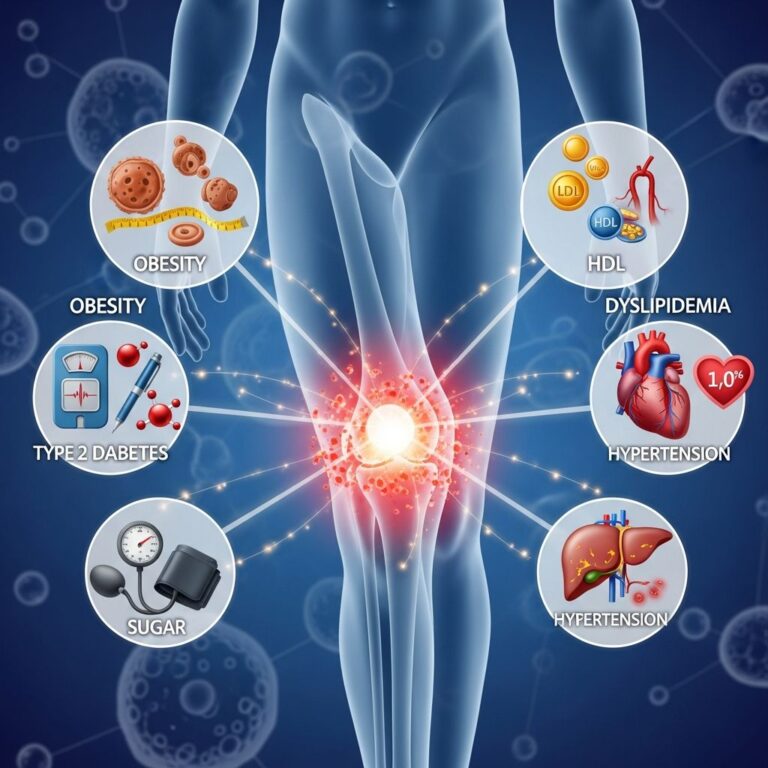
- Other cardiovascular risk factors: Having high blood pressure or high cholesterol levels increases your pre-diabetes risk.
- Polycystic ovary syndrome (PCOS): Women with PCOS who are also overweight have an elevated risk of pre-diabetes.
- History of gestational diabetes: If you developed diabetes during pregnancy (gestational diabetes), your risk of pre-diabetes is substantially higher.
- Dietary factors: Diets high in processed meats and sugary drinks are associated with impaired glucose processing.
- Age and genetics: Family history and genetics play an important role, and risk increases with age.
How Pre-Diabetes Develops
To understand pre-diabetes, it helps to know how your body normally processes glucose. When you eat food, your digestive system breaks it down into glucose that enters your bloodstream. A hormone called insulin, which is secreted from your pancreas, transports this sugar to your body’s cells, allowing it to leave the bloodstream and enter the cells for energy.
In pre-diabetes, this process is disrupted. Your pancreas may fail to produce enough insulin, or your cells become resistant to insulin’s effects. When cells become resistant to insulin, they do not allow as much sugar in as they should. These disruptions lead to a higher amount of glucose remaining in the bloodstream, as glucose fails to enter your cells effectively.
Related Stories



Excess insulin exposure for long periods of time diminishes the response of insulin receptors, which are responsible for opening glucose channels and allowing glucose to enter cells. This decreased function leads to further hyperglycaemia, perpetuating the metabolic disturbance. If left untreated, this metabolic cascade can eventually lead to type 2 diabetes and metabolic syndrome.
Pre-Diabetes Symptoms
One of the most important aspects of pre-diabetes is that people with this condition usually have no symptoms. You are often diagnosed with pre-diabetes incidentally when blood tests taken for another reason reveal elevated blood glucose levels. This asymptomatic nature means many people are living with pre-diabetes without knowing it.
Sometimes your doctor may suggest that a screening blood test should be taken to check your blood glucose because they are concerned that you may have risk factors for pre-diabetes or diabetes.
In rare cases, some individuals may experience symptoms, which can include:
- Increased appetite
- Unexplained weight loss or weight gain
- High BMI
- Weakness or fatigue
- Excessive sweating
- Blurred vision
- Slow healing cuts or bruises
- Recurrent skin infections or gum bleeding
One possible sign that may indicate progression toward diabetes is darkened skin on certain parts of the body, including the neck, armpits, and groin. This condition is sometimes called acanthosis nigricans.
Screening and Diagnosis
Because pre-diabetes typically causes no symptoms, appropriate screening and monitoring is essential, especially in individuals with family history or risk factors. Your doctor may recommend blood tests to check your blood glucose levels if you have risk factors for pre-diabetes.
Diagnosis involves blood tests that measure fasting glucose levels or glucose tolerance after consuming a glucose solution. Your healthcare provider will interpret these results according to established diagnostic criteria to determine whether you have pre-diabetes.
Complications of Pre-Diabetes
The most significant complication of pre-diabetes is progression to type 2 diabetes. The statistics are sobering: 1 to 3 out of every 4 people with pre-diabetes will develop type 2 diabetes. More specifically, up to 6 in every 10 people with pre-diabetes will develop diabetes within ten years if left untreated.
Beyond the risk of developing type 2 diabetes, pre-diabetes also increases your risk of developing other serious health conditions:
- Heart disease
- Stroke (cardiovascular diseases)
- High blood pressure
- Raised cholesterol levels
- Weight issues and obesity
- Kidney damage
If pre-diabetes progresses to type 2 diabetes without intervention, the risk of serious complications increases significantly. These include kidney disease, blindness, amputations, high blood pressure, and high cholesterol. Additionally, adverse effects on large and small blood vessels (arteries of the cardiovascular system, retina, kidneys, and nerves) may occur if treatment is not started or is inadequate.
Treatment and Management of Pre-Diabetes
The good news is that pre-diabetes can often be managed effectively, and progression to type 2 diabetes can be prevented or delayed through lifestyle changes and, in some cases, medication. Early intervention is imperative because treatment initiated at the earliest stages is most effective.
Lifestyle Changes
Lifestyle modifications are the cornerstone of pre-diabetes management and are often the first-line treatment approach. These changes focus on weight management, physical activity, and dietary improvements.
- Weight loss: Losing 5-10% of your body weight can significantly improve insulin sensitivity and blood glucose control.
- Regular physical activity: Aim for at least 150 minutes of moderate-intensity aerobic activity per week, combined with resistance training. Exercise helps your cells use glucose more effectively.
- Healthy diet: Reduce consumption of processed foods, sugary drinks, and processed meats. Focus on whole grains, fruits, vegetables, lean proteins, and healthy fats.
- Blood pressure management: Monitor and manage your blood pressure through lifestyle changes and medication if necessary.
- Cholesterol control: Work to maintain healthy cholesterol levels through diet and exercise.
Medical Management
In addition to lifestyle changes, your healthcare provider may recommend medication to help manage your blood glucose levels and reduce your risk of developing type 2 diabetes. Medications may be considered if lifestyle changes alone are insufficient or if you have additional risk factors.
Can Pre-Diabetes Be Reversed?
One of the most encouraging aspects of pre-diabetes is that it can often be reversed or at least significantly improved with appropriate intervention. Research demonstrates that intensive lifestyle modifications, including weight loss, regular physical activity, and dietary changes, can help restore normal blood glucose levels and prevent progression to type 2 diabetes.
The key to reversing pre-diabetes is consistent adherence to these lifestyle changes over time. Even modest improvements in diet and exercise, combined with weight loss, can have substantial benefits on blood glucose control.
When to Seek Medical Advice
You should speak with your doctor if you have any risk factors for pre-diabetes, particularly if you have a family history of diabetes, are overweight, or lead a sedentary lifestyle. Your healthcare provider can recommend appropriate screening and help you develop a personalized management plan.
If you have been diagnosed with pre-diabetes, regular follow-up appointments with your doctor are important to monitor your blood glucose levels and assess your progress with lifestyle changes.
Frequently Asked Questions (FAQs)
Q: Is pre-diabetes the same as diabetes?
A: No. Pre-diabetes is different from type 2 diabetes. With pre-diabetes, your blood sugar is raised but not high enough to be classified as diabetes. However, having pre-diabetes means you are at significantly increased risk of developing type 2 diabetes.
Q: How is pre-diabetes diagnosed?
A: Pre-diabetes is diagnosed through blood tests that measure your fasting glucose level or glucose tolerance after consuming a glucose solution. Your doctor will use these results to determine whether you have impaired fasting glucose or impaired glucose tolerance.
Q: What is the difference between impaired fasting glucose and impaired glucose tolerance?
A: Impaired fasting glucose (IFG) refers to elevated blood glucose levels after fasting for at least 8 hours. Impaired glucose tolerance (IGT) refers to elevated blood glucose levels 2 hours after consuming a glucose solution during an oral glucose tolerance test. You may have one or both conditions.
Q: Can I prevent pre-diabetes from developing?
A: Yes. If you have risk factors for pre-diabetes, such as being overweight, having a family history of diabetes, or being physically inactive, you can reduce your risk by losing weight, exercising regularly, eating a healthy diet, and managing other cardiovascular risk factors like high blood pressure and high cholesterol.
Q: What should I eat if I have pre-diabetes?
A: Focus on whole grains, fruits, vegetables, lean proteins, and healthy fats. Limit processed foods, sugary drinks, and processed meats. Portion control is also important. Your doctor or a registered dietitian can provide personalized dietary recommendations based on your individual needs.
Q: How often should I have my blood glucose levels checked?
A: If you have been diagnosed with pre-diabetes, your doctor will recommend how often you need follow-up testing. This typically ranges from every 6 months to annually, depending on your individual risk factors and initial test results.
Q: Is exercise really that important for managing pre-diabetes?
A: Yes. Regular physical activity is one of the most effective ways to improve insulin sensitivity and help your body process glucose more effectively. Aim for at least 150 minutes of moderate-intensity aerobic activity per week, combined with resistance training.
Q: Will I definitely develop type 2 diabetes if I have pre-diabetes?
A: Not necessarily. While pre-diabetes does increase your risk of developing type 2 diabetes, many people with pre-diabetes can prevent or delay its development through lifestyle changes such as weight loss, regular exercise, and healthy eating. Early intervention is key.
References
- Prediabetes: Overview — Better Health Channel, State Government of Victoria. 2024. https://www.betterhealth.vic.gov.au/health/conditionsandtreatments/diabetes-pre-diabetes
- Prediabetes — StatPearls, National Center for Biotechnology Information (NCBI), U.S. National Library of Medicine. 2024. https://www.ncbi.nlm.nih.gov/books/NBK459332/
- Pre-Diabetes: Causes, Symptoms, and Treatment — Patient.info. 2024. https://patient.info/diabetes/pre-diabetes-impaired-glucose-tolerance
- Prediabetes: Symptoms and Causes — Mayo Clinic. 2025. https://www.mayoclinic.org/diseases-conditions/prediabetes/symptoms-causes/syc-20355278
- Prediabetes — Kaiser Permanente Health Encyclopedia. 2024. https://healthy.kaiserpermanente.org/health-wellness/health-encyclopedia/he.prediabetes.uz1410
- Can Prediabetes Be Reversed? — Mayo Clinic Health System. 2024. https://www.mayoclinichealthsystem.org/hometown-health/speaking-of-health/ive-been-diagnosed-with-prediabetes-what-does-that-mean
Similar Articles








Read full bio of medha deb