Pre and Post-Workout Nutrition Timing Guide
Master workout nutrition timing to fuel performance and accelerate recovery.
Proper nutrition timing around your workouts is essential for maximizing performance, supporting recovery, and achieving your fitness goals. What you eat and when you eat it can significantly impact your energy levels during exercise, your ability to build and repair muscle, and your overall fitness results. Whether you’re a casual exerciser or a dedicated athlete, understanding the principles of pre and post-workout nutrition will help you optimize your training and see better outcomes.
Understanding Pre-Workout Nutrition
Eating before exercise provides your body with the fuel it needs to perform at its best. The primary goal of pre-workout nutrition is to supply your muscles with readily available energy in the form of carbohydrates while providing some protein for muscle support. Your pre-workout meal should leave you feeling energized without causing digestive discomfort during your session.
The Importance of Pre-Workout Meals
Pre-workout nutrition serves several critical functions. Carbohydrates consumed before exercise are broken down into glucose, which your muscles use as fuel during physical activity. Additionally, eating before a workout can help maintain stable blood sugar levels, prevent excessive fatigue, and improve your ability to concentrate during your training session. Protein in your pre-workout meal helps preserve muscle tissue and provides amino acids that support muscle function.
Timing Your Pre-Workout Meal
The timing of your pre-workout meal depends on the size of the meal and your individual digestion rate. Here’s a breakdown of recommendations based on how long before your workout you eat:
- 2–4 hours before exercise: Consume a substantial balanced meal containing carbohydrates, protein, and a small amount of fat. This should provide approximately 1,000 nutritious calories and allows adequate time for digestion.
- 1–2 hours before exercise: Opt for a smaller meal or snack containing 1–2 grams of carbohydrates per kilogram of body weight.
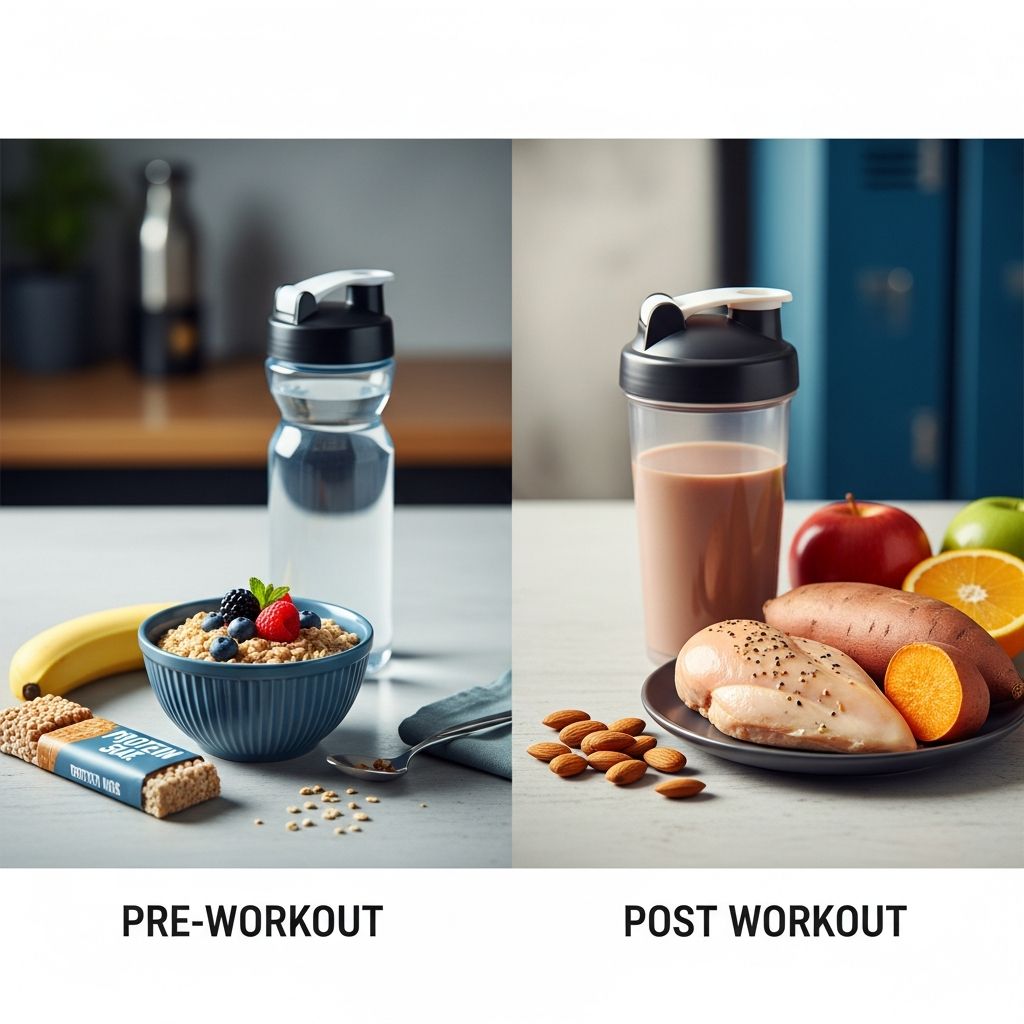
- 30–60 minutes before exercise: Choose easily digestible carbs such as an energy bar, banana, or small snack. If starting in less than 60 minutes, drinks or smoothies are preferred.
What to Eat Before a Workout
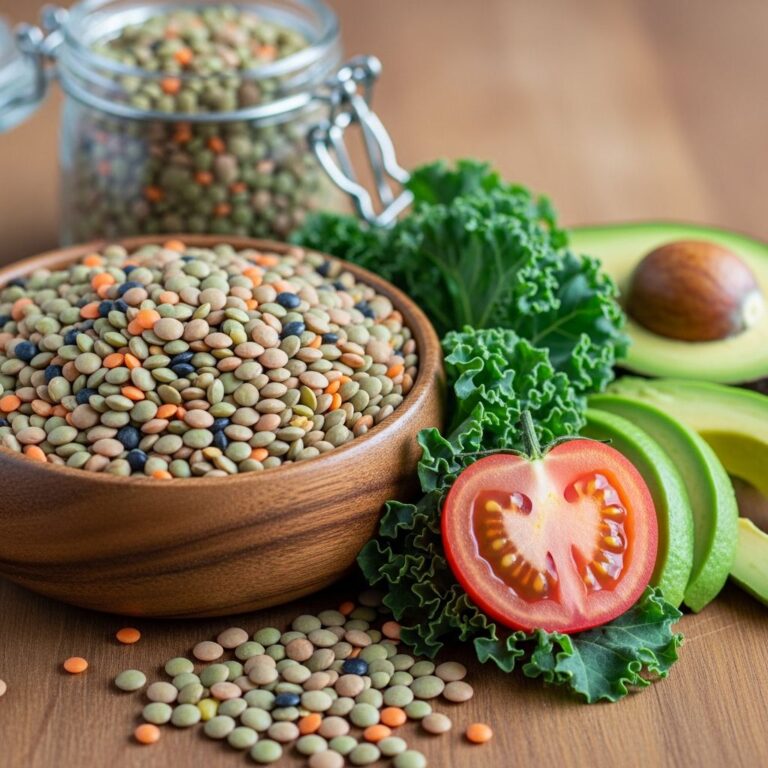
Your pre-workout meal should primarily consist of carbohydrates, as these provide immediate energy for your muscles. Include moderate protein, but keep fats and dietary fiber minimal to avoid gastrointestinal discomfort during exercise.
| Timing | Meal Type | Example Foods |
|---|---|---|
| 2–3 hours before | Balanced meal | Oatmeal with fruit and nut butter; grilled chicken with whole wheat wrap; Greek yogurt with berries and granola |
| 1–2 hours before | Light snack/meal | Toast with peanut butter; banana with almonds; chicken and rice |
| 30–60 minutes before | Quick snack | Banana; energy bar; applesauce; raisins |
Hydration Before Exercise
Proper hydration before exercise is critical to prevent dehydration during your workout. Begin hydrating at least 4 hours before your activity. Drink water consistently throughout the day leading up to your workout. The goal is to start exercise in a well-hydrated state, which optimizes performance and helps maintain cardiovascular stability during training.
Related Stories



Nutrition During Exercise
Short Workouts
For exercise sessions lasting one hour or less, you typically don’t need to consume additional food during the workout. Your pre-workout meal or snack should provide sufficient energy. However, maintaining hydration with small, frequent sips of water is essential.
Extended Workouts
For workouts lasting longer than one hour, particularly high-intensity vigorous exercise or endurance activities, consuming carbohydrates during the session becomes important. The International Society of Sports Nutrition recommends consuming 30–60 grams of carbohydrates per hour in a 6–8% carbohydrate solution (8–16 fluid ounces every 10–15 minutes) during extended exercise.
Good options for mid-workout fueling include:
- Sports drinks with carbohydrates and electrolytes
- Energy gels or chews
- Bananas or other fruits
- Low-fat yogurt or applesauce
Post-Workout Nutrition: Recovery and Repair
What you eat after your workout is just as important as what you eat before. Post-workout nutrition plays a crucial role in replenishing depleted energy stores, repairing muscle tissue, and facilitating recovery so you’re ready for your next training session.
The Recovery Window
Your body is most receptive to nutrient absorption immediately after exercise. Research shows that consuming carbohydrates and protein within 30–60 minutes after your workout optimizes muscle glycogen restoration and stimulates muscle protein synthesis. Some sources recommend fueling within 15–20 minutes post-workout for maximum effectiveness.
During this critical window, your muscles can store carbohydrates and protein as energy and use them to support recovery. The sooner you replenish these nutrients, the faster your muscles can begin repairing and adapting to the training stimulus.
Post-Workout Macronutrient Recommendations
Carbohydrates: To maximize glycogen replacement, consume 1.0–1.5 grams of carbohydrates per kilogram of body weight within 30 minutes of extended exercise. For athletes training multiple times daily or performing endurance activities, carbohydrate timing becomes particularly critical. The Academy of Nutrition and Dietetics recommends a 3:1 carbohydrate-to-protein ratio in your post-workout snack.
Protein: Consuming 15–25 grams of protein within 1 hour after exercise can maximize muscle rebuilding and repair. Recent research indicates that 15–30 grams of protein after resistance exercise may benefit athletes on calorie-restricted diets who want to maintain lean body mass. Ingestion of 6–20 grams of essential amino acids with 30–40 grams of high-glycemic carbohydrates within three hours after exercise significantly stimulates muscle protein synthesis.
Fluids and Sodium: Rehydrate with water or beverages containing electrolytes and sodium to replace fluids lost during exercise. Sip slowly throughout the day following your workout to maintain proper hydration status.
Post-Workout Food Examples
Within 30 minutes (recovery snack):
- Chocolate milk
- Smoothie made with low-fat milk and fruit
- Turkey sandwich on whole-grain bread
- Energy bar with protein
- Hummus and whole-grain pita
2–3 hours after exercise (full meal):
- Grilled salmon with quinoa and roasted vegetables
- Grilled chicken with sweet potatoes
- Protein shake with banana
- Tuna sandwich on whole-grain bread
- Eggs and toast with vegetables
Extended Recovery Nutrition
Recovery doesn’t end at the 30-minute mark. For optimal glycogen restoration, athletes should ideally consume carbohydrate-rich snacks at 2-hour intervals for up to 6 hours following intense exercise. If another intense training session will occur within 24 hours, transition to regular carbohydrate snacks and meals. For athletes completing intense exercise on consecutive days, a carbohydrate intake of 9–10 grams per kilogram of body weight daily is suggested.
Nutrition Timing Based on Workout Type
Strength Training
For strength training sessions, consume a balanced meal 1–3 hours before your workout containing carbs and protein. A pre-workout snack 30 minutes before isn’t required but can help if you feel hungry—try a small carbohydrate and protein combination like cheese and crackers or carrots with hummus.
Post-strength training, prioritize protein to support muscle repair and growth. Examples include grilled chicken with sweet potatoes, a protein shake with banana, or a tuna sandwich.
Cardio Exercise
Before cardio, eat a meal containing easily digestible carbs and moderate protein 1–3 hours beforehand, such as oatmeal with banana or toast with peanut butter. A small carb snack 30–60 minutes before can increase energy while limiting digestive issues.
After cardio, focus on rehydrating and replenishing energy stores with a protein and carb combination like chocolate milk, a fruit smoothie with protein powder, or hummus with whole-grain pita.
Special Considerations for Nutrition Timing
Individual Factors
Several personal factors influence optimal nutrition timing for you specifically:
- Body size
- Age and gender
- Metabolic rate
- Gastric motility (how quickly your stomach empties)
- Type of training
Experiment with different meal timings and foods during training sessions to discover what works best for your body and performance.
Early Morning Workouts
If you exercise early in the morning, aim for 300–400 calories if your lead time is short. A small snack with easily digestible carbs like a banana with toast or a small smoothie can provide energy without feeling too heavy in your stomach.
Appetite Post-Exercise
If you have no appetite immediately after exercise, a recovery beverage may be a better option than solid food. Smoothies, chocolate milk, or sports drinks can provide necessary carbohydrates and protein in a more palatable form when solid foods seem unappealing.
Key Takeaways for Optimal Performance
- Pre-Workout: Fuel up with carbs and some protein 1–4 hours before exercise based on your schedule and digestion.
- Mid-Workout: For sessions over an hour, consider consuming carbs and staying hydrated.
- Post-Workout: Replenish glycogen stores and repair muscles within 30 minutes to an hour after exercising.
- Hydration: Drink water consistently before, during, and after your workouts.
- Macronutrient Balance: Focus on carbohydrates for energy, adequate protein for muscle repair, and moderate fats.
- Personalization: Experiment with timing and food choices during training to find what works best for your body.
Frequently Asked Questions (FAQs)
Q: Can I work out on an empty stomach?
A: While some people exercise fasted, research shows that eating a small meal or snack before working out typically enhances performance, sustains energy levels, and helps preserve muscle tissue. If you choose to fast, keep workouts shorter and lower intensity.
Q: Is the post-workout meal window really that important?
A: The 30–60 minute window post-exercise is optimal for nutrient absorption and muscle recovery. However, consuming carbohydrates and protein within a few hours after exercise still provides significant benefits. The exact timing is less critical than ensuring you consume adequate nutrients throughout the day.
Q: How much should I eat after a workout?
A: A good post-workout snack should contain 15–25 grams of protein and 1.0–1.5 grams of carbohydrates per kilogram of body weight. For a 70 kg (154 lb) person, this would be approximately 15–25g protein and 70–105g carbohydrates.
Q: What if I don’t feel hungry after my workout?
A: If you lack appetite post-exercise, opt for a liquid recovery option like chocolate milk, a fruit smoothie with protein powder, or a sports drink. These provide necessary nutrients in an easier-to-consume format.
Q: Does nutrition timing matter more than total daily intake?
A: For the average fitness enthusiast training once daily, overall daily nutrient intake is typically more important than precise timing. However, strategic timing around workouts can optimize performance and recovery, especially for athletes training multiple times daily or competing in endurance events.
Q: Should I eat differently before strength training versus cardio?
A: Yes, slightly. Before strength training, emphasize protein and carbs for muscle support. Before cardio, prioritize easily digestible carbohydrates for sustained energy. After both, include protein and carbs, but strength training recovery may benefit from slightly higher protein amounts.
Q: How do I hydrate properly during a long workout?
A: Drink small, frequent sips of water throughout your workout rather than large quantities at once. For workouts over an hour, consider a sports drink containing carbohydrates (6–8% solution) and electrolytes consumed every 10–15 minutes.
References
- The Best Time to Eat for Optimal Performance — Texas Health. https://www.texashealth.org/areyouawellbeing/Staying-Fit/The-Best-Time-to-Eat-for-Optimal-Performance
- Nutrient Timing: What to Eat Before and After a Workout — National Academy of Sports Medicine (NASM). https://blog.nasm.org/workout-and-nutrition-timing
- Pre and Post Workout Nutrition — Mather Hospital. https://www.matherhospital.org/weight-loss-matters/pre-and-post-workout-nutrition/
- Food as Fuel Before, During and After Workouts — American Heart Association. https://www.heart.org/en/healthy-living/healthy-eating/eat-smart/nutrition-basics/food-as-fuel-before-during-and-after-workouts
- Nutrition Timing: Does When You Eat Matter for Fitness Results? — Platinum Fitness Gyms. https://www.platinumfitnessgyms.com/nutrition-timing-does-when-you-eat-matter-for-fitness-results/
- What to Eat Before and After a Workout, Based on Your Workout Type — UCLA Health. https://www.uclahealth.org/news/article/what-eat-before-and-after-workout-based-your-workout-type
- International Society of Sports Nutrition Position Stand: Nutrient Timing — International Society of Sports Nutrition. 2008. https://pmc.ncbi.nlm.nih.gov/articles/PMC2575187/
Similar Articles








Read full bio of Sneha Tete