Prebiotics: Understanding Their Role in Gut Health
Discover how prebiotics support your microbiome and promote digestive wellness naturally.
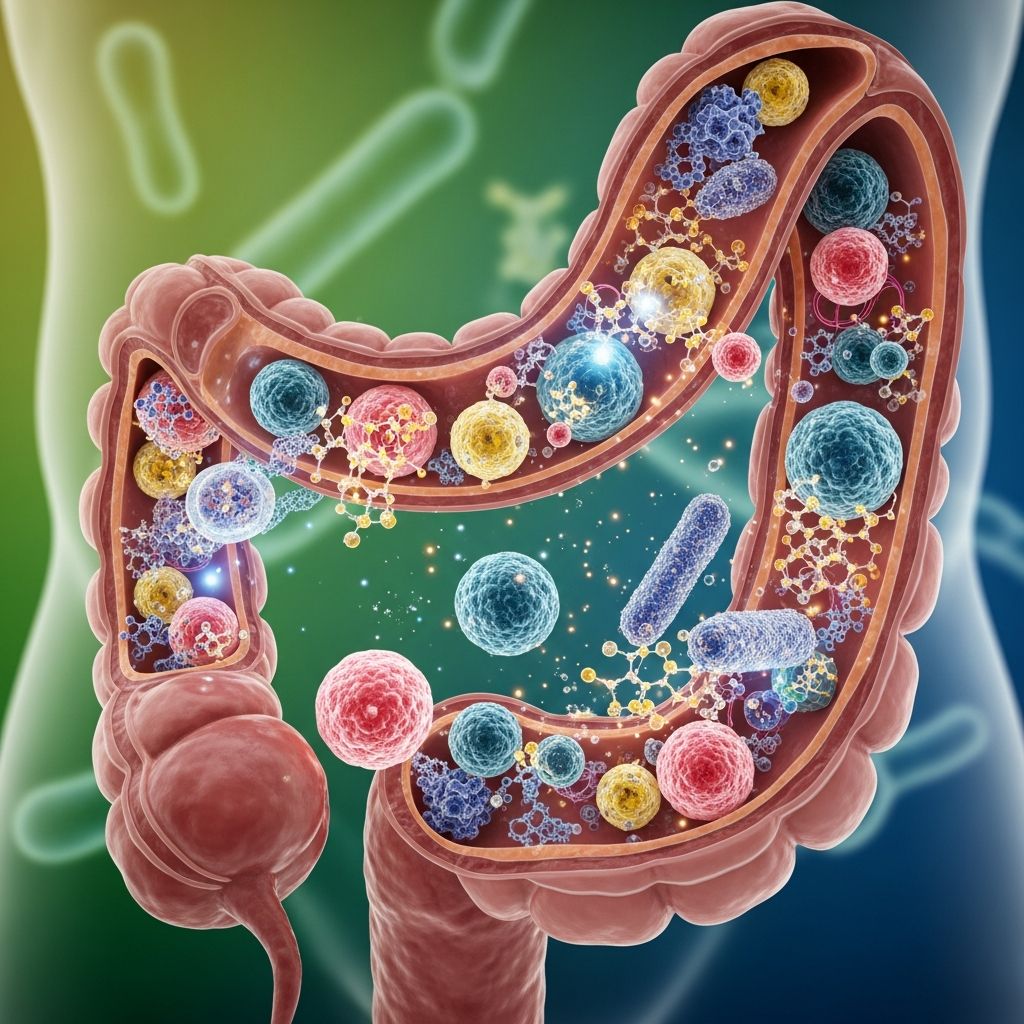
The human gut microbiome has become one of the most studied and discussed aspects of modern nutrition science. Within this complex ecosystem of trillions of microorganisms, prebiotics play a crucial yet often misunderstood role. Unlike probiotics, which are living microorganisms themselves, prebiotics are non-digestible food components that act as fuel for the beneficial bacteria already present in your digestive system. Understanding prebiotics and their function is essential for anyone interested in optimizing their gut health through nutrition.
What Are Prebiotics?
Prebiotics consist of non-digestible fermentable carbohydrates that serve as food sources for probiotics and other beneficial microorganisms in the colon. These specialized compounds pass through the upper digestive tract largely unchanged, resisting digestion by human enzymes until they reach the colon, where they become fuel for beneficial bacteria.
Common types of prebiotics include oligofructose and inulin, which are naturally occurring in many everyday foods. Oligofructose can be found in wheat, onions, bananas, garlic, leeks, and chicory root, while inulin is present in artichokes, asparagus, and various other plant-based foods. These compounds are structurally resistant to human digestive enzymes but are readily fermented by colonic bacteria.
The fermentation process is key to understanding how prebiotics work. When beneficial bacteria ferment prebiotics, they break down these compounds and produce metabolic byproducts that have significant health implications for the host.
How Prebiotics Benefit Your Gut Microbiome
The consumption of prebiotics triggers several beneficial processes in the digestive system:
- Increase beneficial bacteria: The fermentation of prebiotics by gut bacteria helps increase the amount of beneficial bacteria strains in the colon, promoting a more diverse and robust microbial ecosystem.
- Prevent pathogenic growth: By feeding beneficial bacteria preferentially, prebiotics help prevent the growth of potential pathogens that could compromise digestive health.
- Reduce constipation: The fermentation process and increased bacterial biomass can contribute to more regular bowel movements.
- Support immune function: A healthy gut microbiome populated with beneficial bacteria supports overall immune system function through multiple mechanisms.
- Lower blood cholesterol: Certain bacterial metabolites produced during prebiotic fermentation have been shown to help reduce circulating cholesterol levels.
Understanding Short-Chain Fatty Acids
One of the most important outcomes of prebiotic fermentation is the production of short-chain fatty acids (SCFAs), particularly butyrate, propionate, and acetate. These compounds are not merely waste products but rather beneficial metabolites with significant health properties. SCFAs serve as energy sources for colonic cells, regulate pH in the intestines, and provide anti-inflammatory benefits throughout the digestive tract.
Research has demonstrated that certain bacteria, particularly butyrate producers, play essential roles in maintaining gut barrier function and reducing metabolic inflammation. The presence of adequate butyrate-producing bacteria has been associated with improved insulin sensitivity and better metabolic health overall.
Prebiotics vs. Probiotics vs. Synbiotics
While prebiotics and probiotics are related concepts, they serve different functions:
Probiotics are living microorganisms that can be consumed through fermented foods or supplements. These bacteria aim to colonize the gut and provide direct health benefits.
Prebiotics are non-living compounds that feed existing beneficial bacteria, enhancing their growth and activity without introducing new organisms.
Synbiotics are supplements that contain a combination of both probiotics and prebiotics, with the intention that the bacterial strains are fed and thrive in the gut environment. However, at this time there is little quality scientific evidence supporting the use of prebiotic, symbiotic, and postbiotic supplements to improve health.
Postbiotics are the metabolic byproducts created when gut bacteria digest prebiotic fibers, which can include beneficial short-chain fatty acids and vitamin K. These compounds represent the end products of bacterial metabolism and can have therapeutic properties independent of the bacteria that produced them.
Natural Food Sources of Prebiotics
Rather than relying on supplements, a more evidence-based approach involves consuming foods naturally rich in prebiotics. These include:
- Onions and garlic
- Bananas and plantains
- Artichokes and asparagus
- Chicory root
- Leeks
- Wheat and whole grains
- Legumes and beans
- Jerusalem artichokes
A safer natural way to cultivate a healthy gut microbiome is to implement a dietary pattern that includes a variety of fiber-rich fruits, vegetables, whole grains, and legumes that will “feed” favorable gut bugs. This approach provides not only prebiotics but also additional nutrients and fiber that support overall digestive health.
The Role of Fermented Foods
Fermented foods are foods or beverages that are produced with the intentional, controlled growth of microorganisms with the conversion of food components by enzymes. Historically, fermentation was commonly used to preserve foods as it protected the food from contamination by pathogenic bacteria. It also imparts a unique taste and texture to foods created by the specific types of bacteria used. Certain foods like olives are inedible without fermentation that removes bitter compounds.
Fermented foods may benefit the gut microbiome, promote the production of short-chain fatty acids, and support a healthy immune system. Examples include yogurt, kefir, sauerkraut, kimchi, tempeh, and miso. However, it’s important to note that not all fermented foods contain living probiotics, as heat processing can kill the beneficial bacteria.
Prebiotics and Metabolic Health
Recent research has highlighted the connection between prebiotic consumption and metabolic health outcomes. Studies have shown that prebiotics, particularly inulin-type fructans, can lead to reduced body-weight gain and fat deposition and protect against hepatic steatohepatitis in obese and type 2 diabetic models. Additionally, feeding prebiotics has been shown to restore populations of beneficial bacteria like Akkermansia muciniphila, which are decreased in high-fat diet conditions.
The transfer of A. muciniphila to high-fat diet-induced obese mice led to decreased fat mass gain, increased fat oxidation, and restored gut barrier function in the colon. These findings suggest that prebiotics play an important role in maintaining metabolic health and preventing obesity-related complications.
The Issue With Prebiotic Sodas
While consumer interest in gut health has skyrocketed, this has led to the emergence of products like prebiotic sodas, which attempt to capitalize on health trends. There is overwhelming scientific evidence of the harmful health effects of soda and sugary drinks. While soda intake has declined overall, sodas containing prebiotics have surged in popularity, thanks to the inclusion of a fiber called inulin and growing consumer interest in gut health.
However, it is unproven that the small amount of prebiotics in these sodas will truly improve gut health, and drinking more of them daily to potentially achieve gut health also drives up sugar intake. A soda lower in sugar and containing fiber, especially a fiber type that boasts “prebiotics for gut health” is surely attractive to a consumer. However, the modest prebiotic content does not offset the negative health impacts of excess sugar consumption. In fact, a class action lawsuit was filed in 2024 against one of these soda manufacturers due to false health claims.
What Does the Science Say About Prebiotic Supplements?
Due to lack of high-quality evidence and a largely unregulated supplement industry, consumer caution is warranted. The American Gastroenterological Association released practice guidelines in 2020 on probiotic supplements to manage gastrointestinal disorders, and concluded only a few conditions in which they may benefit.
Research has shown some benefit for prebiotics and probiotics in specific conditions including severe diarrhea caused by C. difficile bacterial infections, diarrhea from antibiotic use, infectious diarrhea in children, irritable bowel syndrome, constipation, and ulcerative colitis and Crohn’s disease (particularly in clinical trial settings).
That said, research is ongoing and some people find benefit in taking prebiotic supplements for specific conditions in the short-term. Multi-strain types (more than one bacterial strain in the supplement) have not necessarily been found more effective than single-strain types.
Recommended Approach to Gut Health
Because the safety and effectiveness of prebiotic supplements is unclear, the World Gastroenterology Organisation recommends that if clinicians advise prebiotic supplements to patients, the strains, doses, and length of use should only be that of those used in human trials that were shown to be beneficial.
The most evidence-based and practical approach involves focusing on dietary modifications rather than supplement-based interventions. A diet rich in various fiber sources, whole grains, legumes, fruits, and vegetables naturally provides prebiotics and supports a healthy gut microbiome. This approach is not only more effective but also more sustainable and provides additional nutritional benefits beyond prebiotic content alone.
The Gut-Brain-Immune Axis
Emerging research has revealed that the gut microbiome influences far more than digestive health. The gut bacteria and their metabolic products communicate with the immune system and the central nervous system, affecting inflammation, mood, and even neurological health. Certain bacteria produce compounds that can either promote or inhibit inflammatory responses throughout the body.
By consuming prebiotics and supporting beneficial bacterial populations, individuals may indirectly support these broader physiological systems. However, more research in humans is needed to confirm the mechanisms and clinical relevance of these relationships.
Key Takeaways for Optimal Gut Health
- Prebiotics are non-digestible carbohydrates that feed beneficial gut bacteria and should be obtained primarily through food sources rather than supplements.
- Common prebiotic-rich foods include onions, garlic, bananas, asparagus, artichokes, whole grains, and legumes.
- The fermentation of prebiotics produces beneficial short-chain fatty acids that support digestive and metabolic health.
- While prebiotic-containing sodas may seem appealing, the sugar content negates any potential prebiotic benefits.
- A diverse diet rich in fiber-containing plants is more effective for gut health than prebiotic supplements.
- Fermented foods naturally containing probiotics can complement a prebiotic-rich diet.
- Prebiotic supplements may be beneficial for specific medical conditions but should only be used under professional guidance.
Frequently Asked Questions About Prebiotics
Q: What is the difference between prebiotics and probiotics?
A: Prebiotics are non-digestible food components that feed beneficial bacteria already present in the gut, while probiotics are living microorganisms that can be consumed to add beneficial bacteria to the digestive system. Think of prebiotics as food and probiotics as the eaters.
Q: Can I get enough prebiotics from food alone?
A: Yes, absolutely. A diverse diet that includes fruits, vegetables, whole grains, and legumes provides adequate amounts of prebiotics without the need for supplementation. This approach is more effective and provides additional nutritional benefits.
Q: Are prebiotic supplements necessary for good gut health?
A: For most healthy individuals, prebiotic supplements are not necessary. A fiber-rich diet is sufficient for cultivating a robust gut microbiome. Supplements may only be recommended for specific medical conditions under professional guidance.
Q: Do prebiotic sodas actually improve gut health?
A: No. While these sodas contain inulin and other prebiotics, the amount is minimal and insufficient to offset the negative health effects of high sugar content. They should not be considered a healthy option for gut health.
Q: How long does it take to see benefits from increasing prebiotic intake?
A: Dietary changes affecting the microbiome can show measurable effects within weeks, though some benefits may take longer to manifest. Consistency with a fiber-rich diet is more important than quick results.
Q: Are there any side effects to consuming more prebiotics?
A: When increasing prebiotic intake suddenly, some people may experience temporary bloating, gas, or changes in bowel movements as the microbiota adjusts. Gradual increases and adequate hydration can minimize these effects.
Q: Can prebiotics help with weight management?
A: Research suggests that prebiotics may support healthy weight management by promoting beneficial bacteria populations and improving metabolic health, though they are not a weight loss solution on their own.
Q: What makes a food a prebiotic?
A: A prebiotic is a non-digestible food component that selectively stimulates the growth and activity of beneficial bacteria in the colon. Not all fiber is prebiotic, but all prebiotics are types of fiber.
References
- Probiotics for Gut Health — The Nutrition Source, Harvard T.H. Chan School of Public Health. 2024. https://nutritionsource.hsph.harvard.edu/probiotics/
- Probiotics, Prebiotics, and the Host Microbiome — PubMed Central, National Institutes of Health. 2012. https://pmc.ncbi.nlm.nih.gov/articles/PMC4013291/
- Harvard Scientists Uncover How Gut Bacteria Fuel Inflammation and Depression — SciTechDaily. 2024. https://scitechdaily.com/harvard-scientists-uncover-how-gut-bacteria-fuel-inflammation-and-depression/
Similar Articles







Read full bio of medha deb