Prediabetes Diet: Managing Blood Sugar Through Smart Food Choices
Learn how to manage prediabetes with strategic dietary changes and balanced nutrition habits.
Understanding Prediabetes and Dietary Intervention
Prediabetes is a condition where blood sugar levels are higher than normal but not yet high enough to be classified as type 2 diabetes. The good news is that prediabetes can often be managed and even reversed through strategic dietary changes and lifestyle modifications. When you have prediabetes, your body’s ability to regulate blood glucose becomes less efficient, making it essential to focus on foods and eating patterns that support stable blood sugar levels. Research demonstrates that adopting a prediabetes-focused diet can significantly reduce your A1C levels and lower your risk of progressing to type 2 diabetes.
The Balanced Plate Method: Foundation of Prediabetes Management
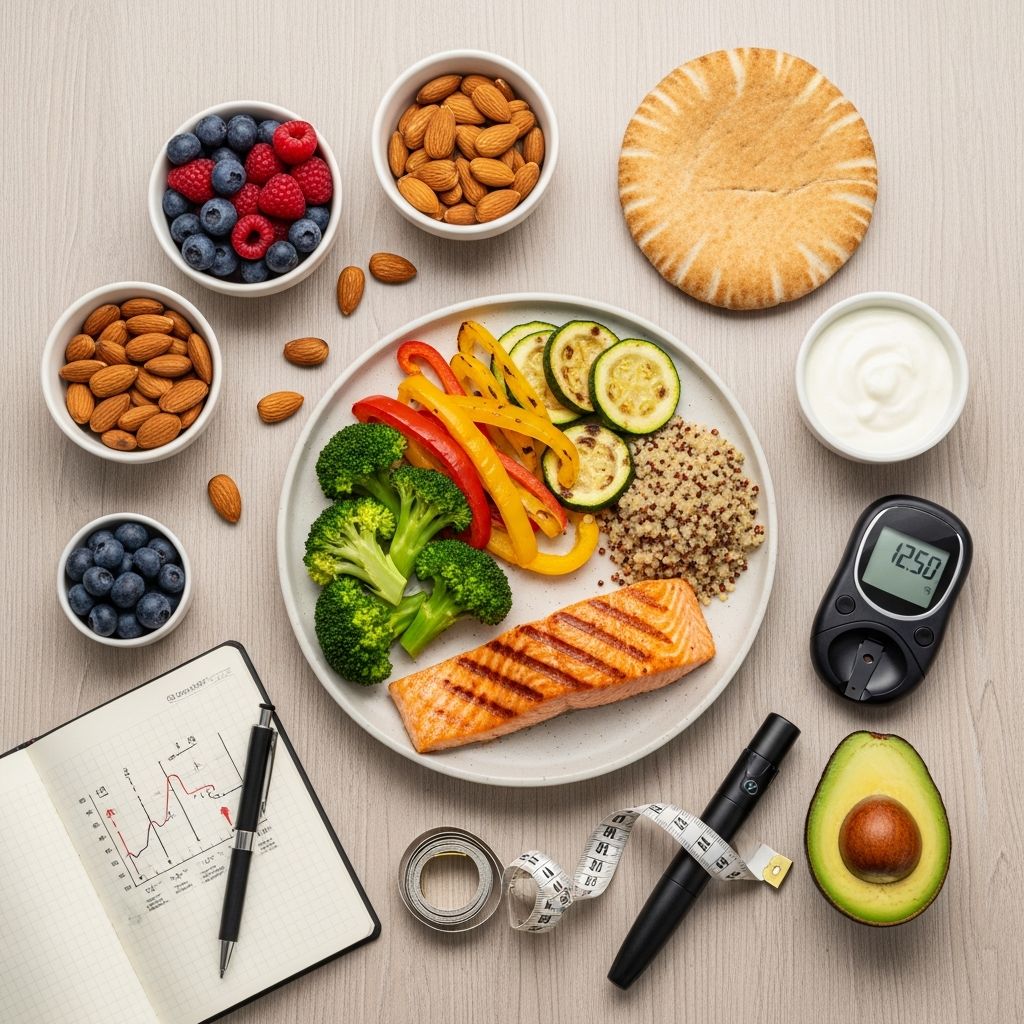
One of the most effective approaches to managing prediabetes is using the balanced plate method, which provides a simple visual framework for meal construction. This method emphasizes portion control and nutritional balance without requiring complex calorie counting or food measurements. According to established guidelines, the ideal plate composition for prediabetes management includes:
- 50% non-starchy vegetables – These provide essential nutrients, fiber, and volume without significantly impacting blood sugar
- 25% lean protein – Protein helps maintain muscle mass and slows carbohydrate absorption
- 25% healthy carbohydrates – Complex carbs provide energy while maintaining stable glucose levels
This balanced approach ensures you receive adequate nutrition while keeping blood sugar levels steady throughout the day.
Essential Foods for Prediabetes Management
Selecting the right foods is fundamental to prediabetes management. Understanding which foods support blood sugar control helps you make informed decisions at every meal.
Non-Starchy Vegetables
Non-starchy vegetables form the foundation of a prediabetes diet and should fill half your plate at lunch and dinner. These nutrient-dense foods are low in calories and carbohydrates while being rich in fiber, vitamins, and minerals. Aim for at least 3-5 servings daily, where one serving equals approximately ½ cup cooked or 1 cup raw. Excellent choices include:
- Leafy greens (spinach, kale, lettuce)
- Cruciferous vegetables (broccoli, cauliflower, Brussels sprouts)
- Colorful peppers (red, yellow, orange, green)
- Carrots, tomatoes, cucumbers, and zucchini
You can choose fresh, frozen, or canned vegetables, though selecting low-sodium or no-sodium options is important to reduce sodium intake.
Lean Protein Sources
Protein plays a crucial role in prediabetes management by promoting satiety and slowing carbohydrate digestion, which helps prevent blood sugar spikes. Incorporate protein with every meal and snack. Recommended sources include:
- Poultry (skinless chicken and turkey)
- Fish and seafood, particularly fatty fish rich in omega-3 fatty acids
- Eggs and egg whites
- Plant-based options (tofu, tempeh, legumes)
- Nuts and seeds in appropriate portions
These protein sources provide sustained energy and support muscle maintenance while helping regulate blood glucose levels.
Healthy Fats
Contrary to outdated dietary advice, healthy fats are essential for managing prediabetes and improving insulin sensitivity. Focus on sources of unsaturated fats such as:
Related Stories



- Avocados and avocado oil
- Extra virgin olive oil
- Nuts and seeds (walnuts, almonds, sunflower seeds, pistachios)
- Fatty fish (salmon, mackerel, sardines)
These fats reduce inflammation and support cardiovascular health, which is particularly important since prediabetes increases cardiovascular disease risk.
Complex Carbohydrates
Carbohydrates remain part of a healthy prediabetes diet, but choosing the right types is essential. Prioritize complex carbohydrates with high fiber content that digest slowly, preventing rapid blood sugar increases. Recommended options include:
- Whole grains (oats, brown rice, quinoa, barley)
- Legumes (beans, lentils, chickpeas)
- Sweet potatoes and starchy vegetables
- Whole grain bread and pasta
Generally, women should aim for 30-45 grams of carbohydrates per meal, while men typically tolerate 45-60 grams, though individual needs may vary.
Fruits and Natural Sweetness
While fruits contain natural sugars, their fiber content, vitamins, and minerals make them valuable components of a prediabetes diet. Aim for 2-3 servings daily, with portion control being essential. Lower-sugar fruit options include:
- Berries (blueberries, strawberries, raspberries)
- Kiwis and melons
- Oranges and grapefruits
- Apples and pears
Pairing fruit with protein sources like Greek yogurt, nuts, or nut butter slows digestion and prevents blood sugar spikes.
Dairy and Calcium Sources
Opt for nonfat or low-fat dairy products to support bone health while limiting saturated fat intake. Include:
- Low-fat or nonfat milk
- Greek yogurt (which provides additional protein)
- Low-fat cheese
- Lactose-free alternatives if you have intolerance
Foods and Beverages to Limit or Avoid
Managing prediabetes also requires awareness of foods that rapidly elevate blood sugar levels. Limiting these items significantly improves blood glucose control:
Refined Carbohydrates and Sugary Foods
Refined carbohydrates lack the fiber found in whole grains and digest rapidly, causing sharp blood sugar spikes. Minimize:
- White bread, pasta, and rice
- Sugary cereals and pastries
- Cookies, cakes, and candy
- Foods with added sugars
Sugary Beverages
Liquid sugar is particularly problematic for blood sugar management because it lacks accompanying nutrients like fiber and protein that slow digestion. Avoid or limit:
- Soda and regular soft drinks
- 100% fruit juice
- Sweetened coffee and tea drinks
- Energy drinks and sports drinks
- Sweetened lemonade and sweet tea
- Alcoholic mixed drinks with added sugars
Water remains the optimal beverage choice for prediabetes management.
Saturated Fats and Processed Foods
Limit saturated fats and highly processed foods, which can worsen insulin resistance and increase cardiovascular disease risk. These include fatty cuts of meat, processed meats, fried foods, and items high in trans fats.
Sample Daily Meal Framework
Understanding how to structure meals using the balanced plate method helps ensure consistency in blood sugar management. Here’s what a sample day of balanced eating might look like:
| Meal | Example Foods | Blood Sugar Benefit |
|---|---|---|
| Breakfast | Vegetable omelet with whole grain toast and berries | Protein and fiber slow carbohydrate absorption |
| Lunch | Grilled chicken breast with quinoa and roasted vegetables | Complete macronutrient balance supports stable glucose |
| Dinner | Baked salmon with Brussels sprouts and sweet potato | Omega-3 fatty acids improve insulin sensitivity |
| Snacks | Apple with almond butter; hummus with vegetable sticks | Healthy fats and protein paired with carbohydrates prevent spikes |
Timing and Frequency of Meals
Beyond food selection, when and how often you eat influences blood sugar management. Eating within 2 hours of waking helps regulate blood glucose throughout the day. Skipping meals or going extended periods without eating often leads to overeating and poor food choices later. Aim for regular, balanced meals and snacks spaced appropriately throughout the day to maintain steady energy levels and prevent blood sugar fluctuations.
Dietary Approaches and Eating Plans
Several established dietary approaches have proven effective for prediabetes management:
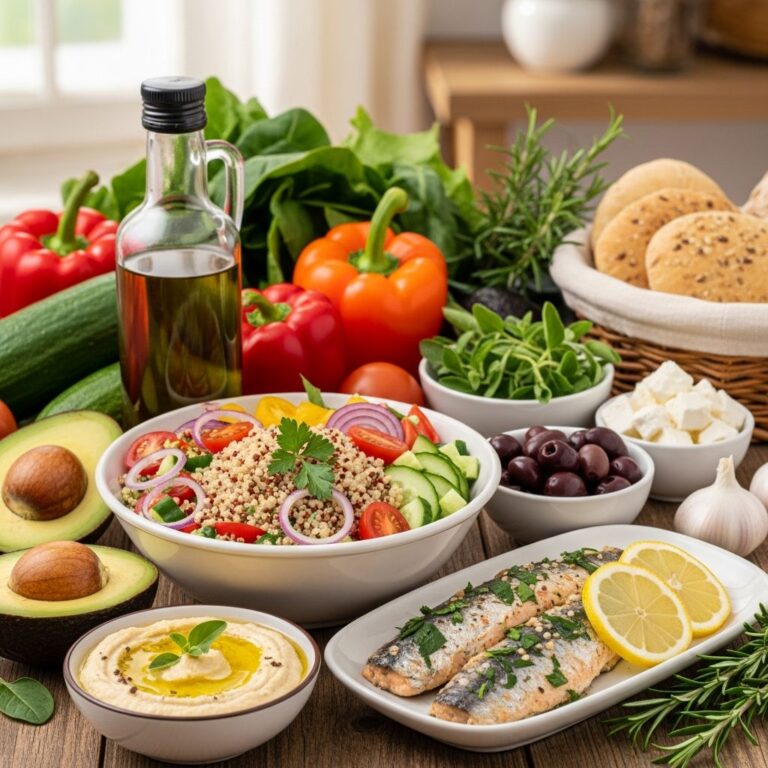
Mediterranean Diet
This approach emphasizes olive oil, fish, vegetables, whole grains, and legumes while limiting red meat and processed foods. It has strong evidence supporting blood sugar control and cardiovascular health benefits.
DASH Diet
The Dietary Approaches to Stop Hypertension (DASH) diet emphasizes fruits, vegetables, whole grains, lean proteins, and low-fat dairy while limiting saturated fats, cholesterol, and sodium. Research demonstrates that DASH diet modifications for diabetes effectively lower blood sugar levels in adults with prediabetes and type 2 diabetes.
Plant-Based and Vegetarian Approaches
Plant-based diets rich in vegetables, legumes, whole grains, and plant proteins support blood sugar management while offering additional cardiovascular benefits.
Practical Implementation Strategies
Successfully managing prediabetes through diet requires practical strategies:
Portion Control
Using the balanced plate method naturally helps control portions without complex calculations. Your healthcare team can help determine appropriate calorie intake based on your individual needs.
Gradual Changes
Implementing dietary changes gradually improves adherence compared to dramatic overnight shifts. Start with one or two modifications and gradually expand your healthier eating patterns.
Professional Support
Working with a registered dietitian nutritionist (RDN) provides personalized guidance tailored to your lifestyle, preferences, and specific health needs. This professional can help translate general dietary guidelines into practical meal plans and strategies.
Consistency Over Perfection
Managing prediabetes is about sustainable habits rather than perfect adherence to rigid rules. Consistency over time produces significant health improvements, so focus on making better choices most of the time rather than achieving perfection.
The Role of Fiber in Prediabetes Management
Dietary fiber deserves special emphasis in prediabetes management. Fiber slows carbohydrate digestion, preventing rapid blood sugar increases while promoting feelings of fullness. Soluble fiber in particular, found in oats, beans, and some vegetables, shows particular benefit for glucose control. Aim to gradually increase fiber intake to 25-30 grams daily from whole food sources rather than supplements.
Monitoring Progress and Adjusting Your Approach
Regular monitoring of blood glucose levels and A1C (a marker of average blood sugar over 2-3 months) helps assess the effectiveness of your dietary approach. Work with your healthcare team to set realistic goals and adjust your eating plan based on progress. Some people successfully reverse prediabetes through diet and lifestyle changes, while others require ongoing dietary management to prevent progression to type 2 diabetes.
Frequently Asked Questions
Q: What is the best breakfast option for someone with prediabetes?
A: The ideal breakfast combines protein, healthy fat, and complex carbohydrates. Excellent options include Greek yogurt with berries and nuts, vegetable omelets with whole grain toast, or steel-cut oatmeal with ground flaxseed and fresh fruit. These combinations provide sustained energy without causing blood sugar spikes.
Q: Can I still eat carbohydrates if I have prediabetes?
A: Yes, absolutely. The key is choosing the right carbohydrates and controlling portions. Focus on complex carbohydrates with high fiber content like whole grains, legumes, and vegetables, which digest slowly and cause less dramatic blood sugar changes. Limit refined carbohydrates and sugary foods. Most women should aim for 30-45 grams of carbohydrates per meal, while men typically tolerate 45-60 grams.
Q: How often should I eat throughout the day?
A: Eat at regular intervals to maintain stable blood sugar levels. It’s particularly important to eat within 2 hours of waking, and then continue with balanced meals and snacks throughout the day. This prevents overeating later and helps maintain consistent energy levels.
Q: Should I use the Glycemic Index to guide food choices?
A: While the Glycemic Index (GI) ranks foods based on their blood sugar impact, experts generally recommend against relying solely on this tool for prediabetes management. Instead, focus on consuming balanced meals and snacks that combine carbohydrates, fats, and protein. This balanced approach is more practical and helps ensure you don’t exclude nutritious foods.
Q: Can artificial sweeteners help manage prediabetes?
A: The effects of artificial sweeteners on prediabetes management remain unclear, and research is ongoing. Consult with your healthcare provider about whether artificial sweeteners are appropriate for your specific situation. Water remains the healthiest beverage choice.
Q: What if I don’t know how to structure my meals properly?
A: Ask your doctor for a referral to a registered dietitian nutritionist (RDN). This trained professional can help you develop simple dietary changes based on your lifestyle, preferences, and specific health needs.
Conclusion: Taking Control Through Strategic Eating
Prediabetes represents an opportunity for intervention before type 2 diabetes develops. By adopting a structured approach to eating that emphasizes non-starchy vegetables, lean proteins, healthy fats, and complex carbohydrates, you can actively stabilize blood sugar levels and potentially reverse your prediabetes diagnosis. The balanced plate method provides a simple, visual framework that removes guesswork from meal planning. Remember that consistency matters more than perfection, and small daily changes accumulate into significant health improvements over time. With proper attention to nutrition, portion sizes, and meal timing, combined with regular physical activity and professional support when needed, you can successfully manage prediabetes and dramatically reduce your risk of developing type 2 diabetes.
References
- Prediabetes Diet Food List: 7-Day Meal Plan for Managing Blood Sugar — Dietitian Live. 2025. https://dietitianlive.com/blog/manage-prediabetes-with-diet-lifestyle-changes/
- Prediabetes Diet — WebMD. 2024. https://www.webmd.com/diabetes/ss/slideshow-prediabetes-diet
- Diabetes and Nutrition — Illinois Department of Financial and Professional Regulation. 2023. https://cms.illinois.gov/benefits/stateemployee/bewell/foodforthought/november23-diabetes-and-nutrition.html
- DASH Diet Modified for Diabetes Lowers Blood Sugar Levels in Clinical Trial of Adults with Type 2 Diabetes — Johns Hopkins Bloomberg School of Public Health. 2025-01-15. https://publichealth.jhu.edu/2025/dash-diet-modified-for-diabetes-lowers-blood-sugar-levels-in-clinical-trial-of-adults-with-type-2-diabetes
- Nutrition: Overview in Diabetes — Johns Hopkins Guides. 2024. https://www.hopkinsguides.com/hopkins/view/Johns_Hopkins_Diabetes_Guide/547103/all/Nutrition:_Overview_in_Diabetes
Similar Articles








Read full bio of Sneha Tete