Prediabetes: What You Need To Know To Reduce Risk
Understand prediabetes: symptoms, causes, diagnosis, risks, and proven strategies to prevent type 2 diabetes progression.
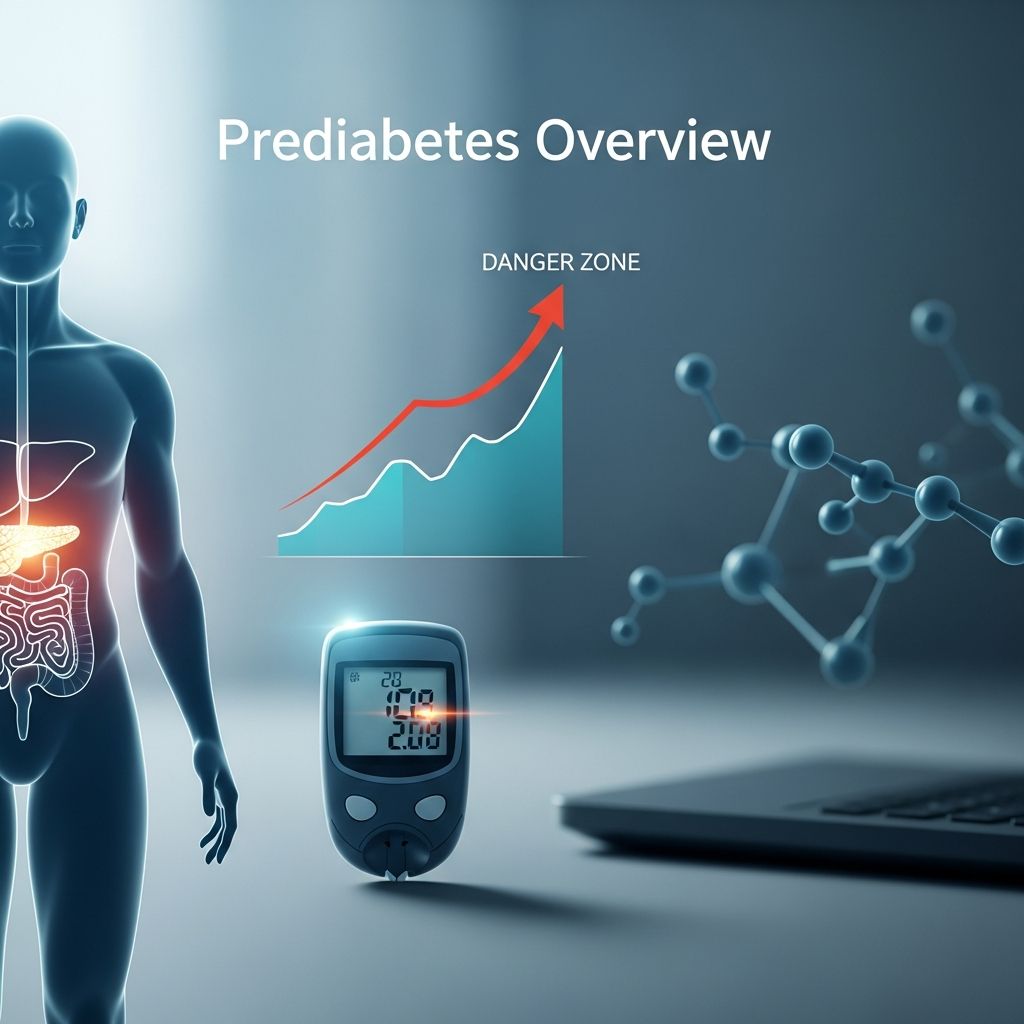
Prediabetes is an intermediate condition where blood sugar levels are higher than normal but not yet at the threshold for type 2 diabetes. This stage affects a significant portion of the population, particularly older adults and those with obesity, serving as a critical warning for potential diabetes development.
What Is Prediabetes?
Prediabetes represents a transitional phase in dysglycemia, bridging normal blood glucose and full-blown diabetes. It is characterized by impaired glucose regulation, where the body struggles to process sugar effectively due to insulin resistance or insufficient insulin production. According to epidemiological data, prediabetes prevalence rises sharply with age and body weight, impacting over 80% of obese individuals in some cohorts. Without intervention, it heightens risks for cardiovascular disease, kidney issues, and progression to type 2 diabetes.
The condition often develops silently, with many unaware until routine screening. However, early detection allows for reversal through lifestyle modifications, preventing long-term complications.
Prediabetes Symptoms
Prediabetes typically presents without noticeable symptoms, earning it the moniker ‘silent condition.’ Most individuals discover it via blood tests during routine checkups. When symptoms do occur, they mirror early diabetes signs and include:
- Increased thirst and frequent urination due to elevated glucose pulling fluid from tissues.
- Fatigue and blurred vision from glucose buildup impairing cell energy access.
- Slow-healing wounds or frequent infections, as high sugar hampers immune function.
- Darkened skin patches (acanthosis nigricans), especially in neck or armpits, indicating insulin resistance.
One in three U.S. adults has prediabetes, yet 90% remain undiagnosed, underscoring the need for proactive screening. Symptoms, if present, should prompt immediate medical evaluation.
Prediabetes Causes
The precise etiology of prediabetes remains multifactorial, involving genetic predisposition and lifestyle factors that disrupt glucose metabolism. Core mechanisms include:
- Insulin resistance: Cells fail to respond adequately to insulin, causing sugar accumulation in blood. Excess abdominal fat exacerbates this.
- Pancreatic dysfunction: The pancreas produces insufficient insulin to compensate for resistance.
Glucose from digested food enters the bloodstream, where insulin facilitates its uptake into cells for energy. In prediabetes, this process falters, leading to hyperglycemia.
Prediabetes Risk Factors
Several modifiable and non-modifiable factors elevate prediabetes risk. Key contributors include:
- Overweight/obesity: Particularly visceral fat; waist >40 inches (men) or >35 inches (women) signals high risk.
- Family history: Parent or sibling with type 2 diabetes doubles odds.
- Age: Prevalence surges after 45, though younger people are increasingly affected.
- Race/ethnicity: Higher in Black, Hispanic, American Indian, and Asian American populations.
- Gestational diabetes: Prior pregnancy diabetes raises maternal and offspring risk.
- Sedentary lifestyle and poor diet: Low physical activity and high processed food intake promote insulin resistance.
Obesity drives over 80% of cases, with prevalence exceeding 50% when using broad diagnostic criteria.
How Prediabetes Is Diagnosed
Related Stories



Diagnosis relies on standardized blood tests assessing glucose control. Common methods and criteria include:
| Test | Prediabetes Range | Diabetes Threshold |
|---|---|---|
| Fasting Plasma Glucose (FPG) | 100–125 mg/dL | ≥126 mg/dL |
| A1C (HbA1c) | 5.7%–6.4% | ≥6.5% |
| Oral Glucose Tolerance Test (OGTT, 2-hour) | 140–199 mg/dL | ≥200 mg/dL |
. These align with ADA guidelines; WHO uses slightly narrower HbA1c (6.0–6.4%). Combined criteria yield 2.5% prevalence, while any one boosts it to 51.3%. A1C offers a 2–3 month average, ideal for non-fasting screening.
Testing is recommended for adults ≥35 or those with risk factors, annually if high-risk.
Prediabetes Treatment
Treatment emphasizes lifestyle overhaul to reverse prediabetes in 14–39% of cases within 1–5 years. Core strategies:
- Weight loss: 5–7% body weight reduction via diet/exercise cuts diabetes risk 58% (DPP study).
- Physical activity: 150 minutes/week moderate aerobic + strength training improves insulin sensitivity.
- Medications: Metformin for high-risk (e.g., BMI ≥35, age <60, gestational history), reducing progression 31%.
Progression isn’t inevitable; many revert to normoglycemia, especially lower-range cases.
Prediabetes Prevention and Reversal
Prevention mirrors treatment: sustainable changes yield best outcomes. Evidence shows:
- Diet: Emphasize whole foods, fiber-rich veggies, lean proteins; limit sugars/refined carbs.
- Exercise: Combines cardio and resistance to enhance glucose uptake.
- Monitoring: Regular A1C/FPG tracks progress.
HbA1c-defined prediabetes carries highest progression risk (RR ~20 vs. normal), but interventions halt it. Meta-analyses confirm lifestyle superior to meds alone.
Prediabetes and Cardiovascular Risks
Beyond diabetes, prediabetes elevates CVD risk. A meta-analysis (1.6M people) found RR 1.13–1.30 for CVD and 1.13–1.32 for mortality vs. normoglycemia. Risks stem from endothelial damage, inflammation, and dyslipidemia. Early intervention mitigates these.
Prediabetes in Special Populations
Youth face rising prediabetes from obesity epidemics. Gestational cases demand postpartum screening. Ethnic disparities highlight need for targeted screening.
Frequently Asked Questions (FAQs)
Can prediabetes be reversed?
Yes, 14–39% regress to normal within 1–5 years via lifestyle changes; lower-range cases fare best.
How common is prediabetes?
Affects 1 in 3 U.S. adults; >80% in obese groups.
What A1C level indicates prediabetes?
5.7%–6.4% (ADA); 6.0%–6.4% (WHO).
Does prediabetes cause symptoms?
Rarely; often asymptomatic, detected via screening.
Can medication prevent diabetes from prediabetes?
Metformin reduces risk 31% in select high-risk patients.
Who should get tested for prediabetes?
Adults ≥35, or younger with risks like obesity/family history.
References
- Pre-Diabetes and What It Means: The Epidemiological Evidence — PMC/NCBI. 2021-04-07. https://pmc.ncbi.nlm.nih.gov/articles/PMC8026645/
- Prediabetes – Symptoms and causes — Mayo Clinic. 2023-10-01. https://www.mayoclinic.org/diseases-conditions/prediabetes/symptoms-causes/syc-20355278
- You’ve been diagnosed with prediabetes. Now what? — UCLA Health. 2024-06-15. https://www.uclahealth.org/news/article/youve-been-diagnosed-with-prediabetes-now-what
Similar Articles








Read full bio of medha deb