Prednisone: Comprehensive Guide To Uses, Dosage, And Risks
Explore prednisone's uses, dosing strategies, potential risks, and best practices for safe administration in treating inflammation and immune conditions.
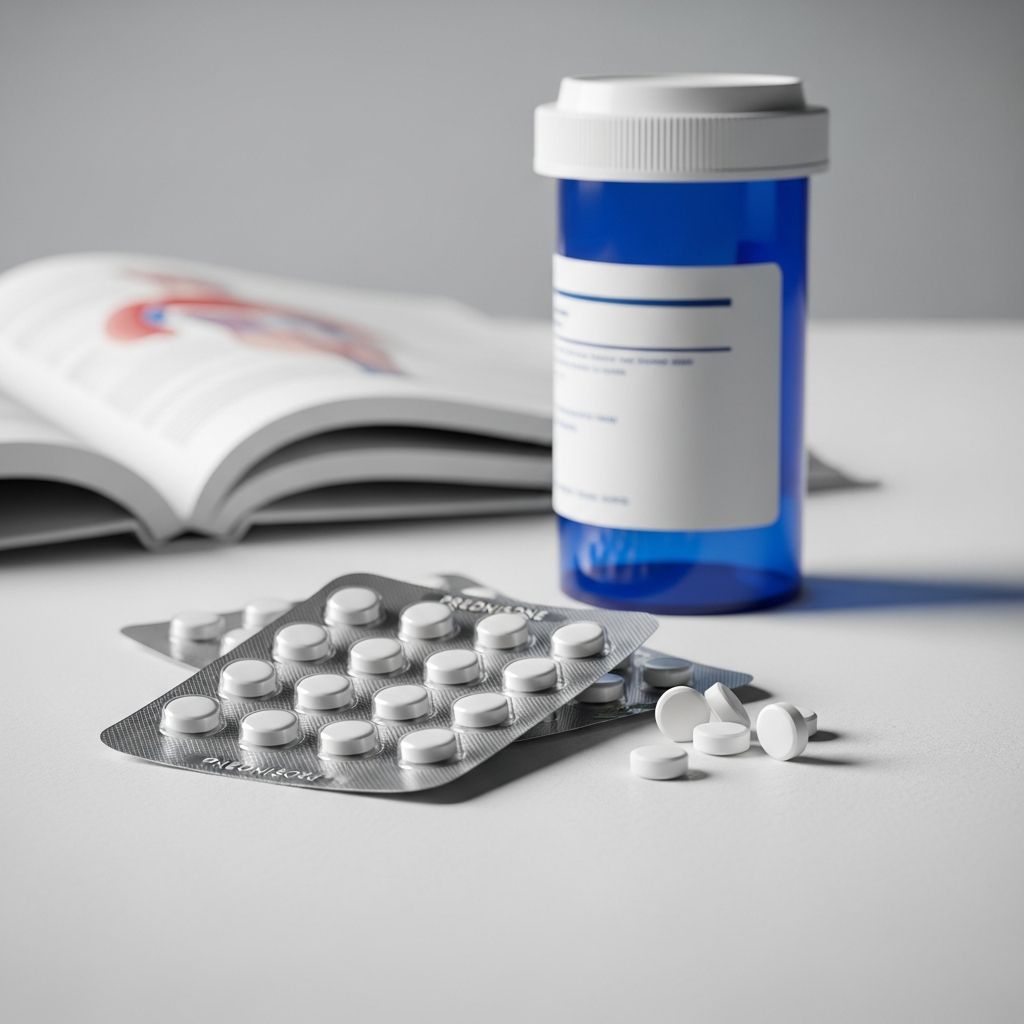
Prednisone serves as a synthetic corticosteroid that mimics the body’s natural hormones to reduce inflammation and suppress overactive immune responses. It is prescribed for a wide array of conditions, from acute allergic reactions to chronic autoimmune disorders.
What is Prednisone and How Does It Work?
Prednisone belongs to the glucocorticoid class of medications, which act by inhibiting the production of inflammatory chemicals and calming the immune system. Once ingested, the liver converts it into its active form, prednisolone, which binds to receptors inside cells to alter gene expression, thereby decreasing swelling, redness, and pain.
This mechanism makes it effective for conditions where the immune system attacks healthy tissues or causes excessive inflammation. Unlike painkillers, prednisone addresses the root inflammatory process rather than just symptoms.
Common Medical Uses of Prednisone
Healthcare providers prescribe prednisone for numerous health issues:
- Allergic reactions: Severe cases like anaphylaxis or widespread hives.
- Autoimmune diseases: Rheumatoid arthritis, lupus, and vasculitis.
- Respiratory conditions: Asthma exacerbations and chronic obstructive pulmonary disease flares.
- Skin disorders: Eczema, psoriasis, and pemphigus.
- Gastrointestinal issues: Ulcerative colitis and Crohn’s disease.
- Endocrine disorders: Adrenal insufficiency to replace missing corticosteroids.
- Other applications: Multiple sclerosis relapses, organ transplant rejection prevention, and certain cancers.
In organ transplants, it helps prevent the body from rejecting the new organ by dampening immune activity.
Available Forms and Dosage Strengths
Prednisone comes in several oral forms to suit different needs:
- Tablets: 1 mg, 2.5 mg, 5 mg, 10 mg, 20 mg, 50 mg.
- Delayed-release tablets: 1 mg, 2 mg, 5 mg.
- Oral solution: 5 mg/5 mL.
- Oral concentrate: 5 mg/mL (30 mL bottle).
- Therapy packs: Pre-packaged for tapering doses.
These options allow precise dosing, especially for children or those requiring gradual adjustments.
Dosage Guidelines for Adults
Adult dosages vary by condition severity and duration of therapy. Initial doses range from 5 mg to 60 mg daily, sometimes up to 100 mg or more in severe cases.
| Condition Type | Typical Initial Dose | Maintenance Dose | Frequency |
|---|---|---|---|
| Acute inflammation/allergies | 20-60 mg/day | 5-20 mg/day | Once daily or divided |
| Chronic arthritis/lupus | 10-40 mg/day | 5-15 mg/day | Once daily |
| Adrenal insufficiency | 5-7.5 mg/day | Same | Once daily in AM |
Higher doses are often split into 2-4 administrations to minimize side effects, while lower ones are taken once in the morning with food.
Dosage for Children and Special Populations
Pediatric dosing is weight-based, typically 0.5 mg/kg/day initially for conditions like nephrotic syndrome, adjustable up to 2 mg/kg/day. For children over 18 months, maintenance might be 0.125-0.25 mg/kg/day.
Adjustments are needed for elderly patients or those with liver issues, starting at lower ends to avoid complications.
Administration Best Practices
To optimize effectiveness and reduce stomach upset:
- Take with food and a full glass of water.
- Morning dosing (before 9 AM) aligns with natural cortisol rhythms.
- For multiple doses, space evenly throughout the day.
- Use antacids between meals if on high doses to protect the stomach lining.
- Do not crush delayed-release tablets; swallow whole.
Follow the prescription label precisely; do not alter without medical advice.
Short-Term vs. Long-Term Therapy
Short-term (days to weeks): Higher doses (20-60 mg/day) for acute issues like asthma flares. Taper if used over 1 week to prevent adrenal suppression.
Related Stories



Long-term (months+): Lower doses (5-20 mg/day) for chronic diseases. Requires monitoring for complications like bone loss.
A tapering schedule gradually reduces the dose over days or weeks, e.g., decreasing by 2.5-5 mg every few days.
Potential Side Effects and Risks
While effective, prednisone can cause:
- Common (short-term): Increased appetite, weight gain, insomnia, mood changes, high blood sugar.
- Serious (long-term): Osteoporosis, hypertension, cataracts, increased infection risk, adrenal crisis upon abrupt stop.
Immunosuppression heightens vulnerability to infections; avoid live vaccines.
Precautions and Contraindications
Inform your doctor if you have:
- Diabetes, hypertension, osteoporosis, or peptic ulcers.
- Active infections (fungal, tuberculosis).
- Pregnancy or breastfeeding (use only if benefits outweigh risks).
Regular check-ups monitor blood pressure, glucose, bone density, and eye health.
Drug Interactions to Watch For
Prednisone interacts with:
- NSAIDs (increased ulcer risk).
- Anticoagulants (altered blood thinning).
- Diabetes meds (may need dose adjustments).
- Live vaccines (avoid during therapy).
Discuss all medications and supplements with your provider.
Stopping Prednisone Safely
Never stop suddenly, especially after 1-2 weeks or high doses, as it can trigger withdrawal: fatigue, joint pain, nausea. Follow a doctor-guided taper.
Lifestyle Tips While on Prednisone
- Calcium/vitamin D supplements and weight-bearing exercise for bone health.
- Low-sodium diet to manage blood pressure.
- Monitor blood sugar if diabetic.
- Report fever, unusual fatigue, or vision changes promptly.
Frequently Asked Questions (FAQs)
Can I drink alcohol while taking prednisone?
Limited alcohol is usually okay but increases stomach irritation risk. Consult your doctor.
How long does prednisone stay in your system?
Effects last 18-36 hours; full clearance takes 2-3 days, but adrenal recovery may take weeks.
Does prednisone cause weight gain?
Yes, due to fluid retention and appetite increase; manageable with diet and exercise.
Is prednisone safe for long-term use?
At low doses with monitoring, yes, but risks accumulate; lowest effective dose preferred.
What if I miss a dose?
Take as soon as remembered unless near next dose; do not double up.
Monitoring and Follow-Up Care
Regular blood tests, bone scans, and eye exams ensure safety. Providers adjust based on response and side effects.
References
- Prednisone Dosage Guide: Typical Dosages, Adjustments, and More — GoodRx. 2023. https://www.goodrx.com/prednisone/prednisone-dosage-guide
- Prednisone: MedlinePlus Drug Information — MedlinePlus (U.S. National Library of Medicine). 2023-10-01. https://medlineplus.gov/druginfo/meds/a601102.html
- How and when to take prednisolone tablets and liquid — NHS. 2023. https://www.nhs.uk/medicines/prednisolone/how-and-when-to-take-prednisolone-tablets-and-liquid/
- Prednisone – StatPearls — NCBI Bookshelf (NIH). 2023-09-02. https://www.ncbi.nlm.nih.gov/books/NBK534809/
- Prednisone (oral route) — Mayo Clinic. 2023. https://www.mayoclinic.org/drugs-supplements/prednisone-oral-route/description/drg-20075269
- Prednisone tablets datasheet — Medsafe (New Zealand). 2022. https://www.medsafe.govt.nz/profs/datasheet/a/apoprednisonetab.pdf
- Prednisone Tablets — Cleveland Clinic. 2023. https://my.clevelandclinic.org/health/drugs/20469-prednisone-tablets
Similar Articles








Read full bio of medha deb