Pregnancy and Heartburn: Causes, Relief, and Prevention
Understanding heartburn during pregnancy: effective relief strategies and prevention tips.

Understanding Heartburn During Pregnancy
Heartburn is a common and uncomfortable symptom experienced by many pregnant women, particularly during the later stages of pregnancy. Also known as acid reflux or gastroesophageal reflux disease (GERD), heartburn occurs when stomach acid backs up into the esophagus, causing a burning sensation in the chest and throat. This condition affects a significant portion of pregnant women and can range from mild to severe, impacting daily comfort and quality of life. Understanding the causes and available treatments can help expectant mothers manage this symptom effectively and safely.
What Causes Heartburn During Pregnancy?
Heartburn during pregnancy develops due to several interconnected physiological changes in the body. The primary cause involves hormonal changes that directly affect the lower esophageal sphincter (LES), a muscle responsible for preventing stomach acid from flowing backward into the esophagus.
Hormonal Factors
During pregnancy, elevated levels of the hormone progesterone cause the lower esophageal sphincter to relax and weaken. This relaxation allows stomach acid to pass more easily into the esophagus, irritating the delicate lining and creating the characteristic burning sensation. Additionally, increased estrogen levels contribute to this valve dysfunction, making heartburn more likely as pregnancy progresses.
Physical Pressure and Positioning
As pregnancy advances, the growing uterus exerts increasing pressure on the stomach and intestines. This mechanical pressure can push stomach contents upward into the esophagus, particularly when a pregnant woman lies down shortly after eating. The displacement of abdominal organs alters the normal digestive process, making it easier for acid reflux to occur. This is why heartburn tends to worsen during the third trimester when the baby is largest.
Digestive Changes
Pregnancy slows down the digestive process, meaning food moves more slowly through the stomach and small intestines than it does in non-pregnant individuals. This delayed gastric emptying can contribute to heartburn symptoms. When food remains in the stomach longer, there is increased opportunity for acid production and subsequent reflux into the esophagus.
When Does Pregnancy Heartburn Occur?
While heartburn can develop at any point during pregnancy, it becomes increasingly common as the pregnancy progresses. The third trimester is particularly notable for heightened heartburn symptoms due to the combination of hormonal effects and the physical pressure from the enlarged uterus. Some women experience occasional heartburn early in pregnancy, but symptoms typically intensify as delivery approaches.
Lifestyle Modifications and Dietary Changes
The most effective approach to managing heartburn during pregnancy involves making strategic changes to daily habits and dietary choices. These modifications address the underlying causes of acid reflux and provide relief without exposing the developing baby to unnecessary medications.
Eating Habits and Meal Frequency
One of the most important dietary changes involves eating pattern modification. Instead of consuming three large meals daily, pregnant women should eat five to six smaller meals distributed throughout the day. This approach reduces the amount of food in the stomach at any given time, decreasing pressure on the lower esophageal sphincter and minimizing acid production. Eating smaller portions allows the digestive system to process food more efficiently without overwhelming stomach capacity.
Related Stories



Foods to Avoid
Certain foods and beverages are known triggers for heartburn and should be minimized or eliminated during pregnancy:
- Spicy foods
- Fatty, greasy, and fried foods
- Citrus fruits and juices
- Tomatoes and tomato-based products
- Chocolate
- Mint
- Carbonated beverages
- Caffeinated drinks including coffee and tea
These trigger foods either increase stomach acid production or relax the lower esophageal sphincter, making acid reflux more likely. Identifying personal trigger foods and eliminating them from the diet can significantly reduce heartburn frequency and severity.
Beneficial Foods and Beverages
Several foods and drinks can help alleviate heartburn symptoms. Yogurt and milk provide a soothing effect on the esophageal lining and can neutralize excess stomach acid. A tablespoon of honey in warm milk has been traditionally recommended for heartburn relief. Water is essential for hydration, but it should be sipped slowly throughout the day rather than consumed in large quantities at once, as gulping water can paradoxically worsen symptoms.
Timing of Meals
When pregnant women eat is as important as what they eat. Eating meals at least three to four hours before bedtime allows adequate time for digestion to occur before lying down. Food consumed close to bedtime sits in the stomach while gravity is working against proper digestion, making acid reflux more likely when horizontal. Late-night snacking should be avoided entirely to prevent nighttime heartburn episodes.
Physical Activity and Body Positioning
Exercise remains important during pregnancy and can help with overall health, though timing and intensity matter for heartburn management. Regular moderate exercise supports digestive health, but pregnant women should avoid exercising immediately after meals, as physical activity combined with a full stomach can trigger heartburn. Waiting at least one to two hours after eating before exercising provides better protection against acid reflux.
Body positioning significantly affects heartburn symptoms. Pregnant women should avoid lying down for at least one hour after eating. When sleeping, propping the head and shoulders up with pillows at a 30-degree angle helps gravity keep stomach acid down. Sleeping on the left side is particularly beneficial, as this positioning promotes better digestion and reduces pressure on the stomach. The head of the bed can be elevated by placing blocks under the bed frame or using a wedge pillow designed for pregnancy.
Clothing and Environmental Factors
Tight-fitting clothing around the abdomen and waist creates additional pressure on the stomach, exacerbating heartburn. Pregnant women should wear loose, comfortable clothing that does not restrict the abdominal area. This simple adjustment can provide noticeable relief for many experiencing heartburn.
Smoking and alcohol consumption should be avoided during pregnancy for multiple reasons, including their negative effects on heartburn. These substances relax the lower esophageal sphincter and increase acid production, worsening reflux symptoms. Additionally, smoking and alcohol use during pregnancy can cause serious health complications for the developing fetus, making avoidance doubly important.
Over-the-Counter and Prescription Treatment Options
When lifestyle modifications alone do not provide adequate heartburn relief, safe medication options are available for pregnant women. However, consultation with a healthcare provider is essential before taking any medication during pregnancy.
Antacids
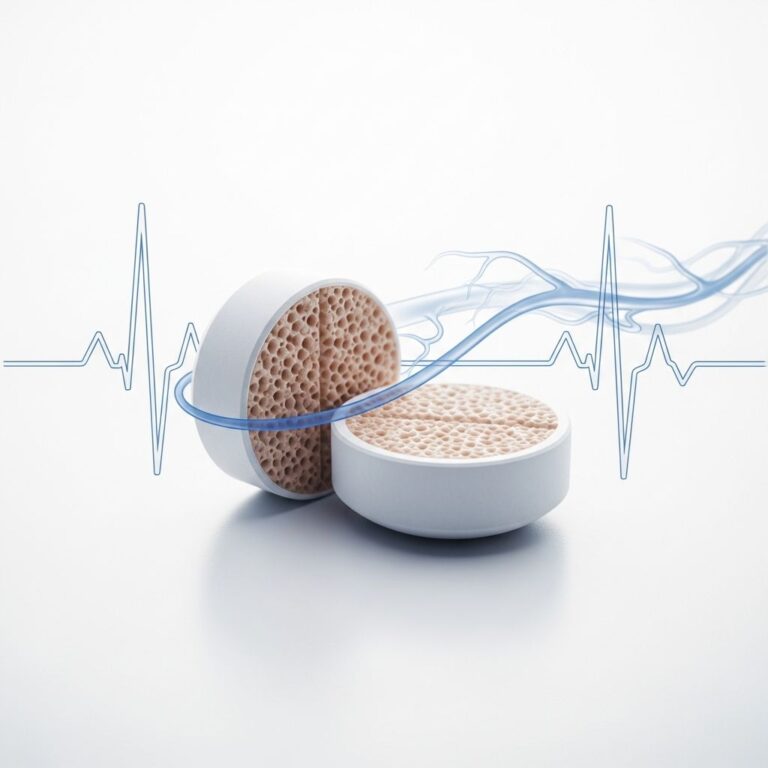
Over-the-counter antacids such as calcium carbonate (Tums) and magnesium hydroxide (Maalox) can provide effective, rapid relief from heartburn symptoms. Calcium-based antacids are particularly preferred during pregnancy because they are generally considered safe and provide additional calcium for bone health. These medications work by neutralizing stomach acid, reducing irritation to the esophageal lining. Antacids should be used on an as-needed basis for symptom relief rather than as a preventive medication.
Prescription Medications
For severe or persistent heartburn unresponsive to lifestyle modifications and over-the-counter antacids, healthcare providers may recommend prescription medications. These should only be used under direct medical supervision. Different medications have varying safety profiles during pregnancy, and the choice depends on individual circumstances and medical history.
Important Medication Considerations
It is crucial to note that many medications have not been thoroughly tested in pregnant women due to ethical concerns about research involving expectant mothers. This means that information about some medications’ safety during pregnancy remains limited. Women should always consult their obstetrician or healthcare provider before taking any medication, including over-the-counter antacids, to ensure the safest option for both mother and baby. Healthcare providers can assess individual risk factors and recommend appropriate treatments based on symptom severity and pregnancy stage.
Frequently Asked Questions
Is heartburn during pregnancy dangerous for my baby?
Heartburn itself does not directly harm the developing baby. The condition affects only the mother’s esophagus and stomach. However, severe symptoms can impact maternal comfort and sleep quality, which is why management is important for overall well-being during pregnancy.
When should I contact my healthcare provider about heartburn?
Contact your healthcare provider if heartburn is severe, persistent despite lifestyle modifications, interferes with eating and hydration, or causes significant discomfort. Your provider can assess whether additional treatment is necessary and rule out other conditions.
Can heartburn during pregnancy predict my baby’s hair growth?
This is a common folk belief without scientific evidence. Heartburn severity is not related to fetal hair growth. The correlation is coincidental, as heartburn increases naturally during pregnancy regardless of fetal characteristics.
Will heartburn continue after pregnancy?
For most women, heartburn resolves completely after delivery as hormone levels normalize and the uterus returns to its pre-pregnancy size. However, women with pre-existing GERD may continue experiencing symptoms postpartum and should discuss long-term management with their healthcare provider.
Are there any natural remedies that are safe during pregnancy?
Several natural approaches are safe and effective, including eating smaller meals, consuming dairy products like yogurt and milk, staying hydrated with small sips of water, elevating the head while sleeping, and wearing loose clothing. Ginger tea and chamomile may help some women, but these should be discussed with a healthcare provider first.
Summary and Recommendations
Heartburn during pregnancy is a manageable condition that affects many expectant mothers, particularly during the third trimester. Understanding the physiological causes—hormonal changes, mechanical pressure, and altered digestion—helps pregnant women recognize why symptoms develop and take appropriate preventive measures.
The most effective management strategy involves implementing lifestyle and dietary modifications as the first line of treatment. Eating smaller, frequent meals; avoiding trigger foods; maintaining proper body positioning; and avoiding late-night eating significantly reduce heartburn frequency and severity. These approaches are safe, have no adverse effects on the developing baby, and often provide substantial relief.
For heartburn not controlled by lifestyle modifications, safe over-the-counter and prescription medications are available. Calcium-based antacids are typically the first medication choice, offering both symptom relief and nutritional benefits. More severe cases may require prescription treatment under healthcare provider supervision.
Throughout pregnancy, maintaining open communication with healthcare providers about heartburn symptoms ensures appropriate management tailored to individual circumstances. With proper strategy and support, expectant mothers can significantly reduce heartburn discomfort and enjoy better quality of life during this important time.
References
- Heartburn During Pregnancy: Causes & Treatment — Cleveland Clinic. 2025. https://my.clevelandclinic.org/health/diseases/12011-heartburn-during-pregnancy
- Heartburn in Pregnancy — National Institutes of Health, National Center for Biotechnology Information. 2014. https://pmc.ncbi.nlm.nih.gov/articles/PMC4562453/
- Indigestion and Heartburn in Pregnancy — National Health Service (NHS). 2024. https://www.nhs.uk/pregnancy/common-symptoms/indigestion-and-heartburn/
- Heartburn During Pregnancy: Causes, Natural Remedies & Future Prevention — Baptist Health. 2025. https://www.baptisthealth.com/blog/mother-and-baby-care/heartburn-during-pregnancy-causes-natural-remedies-future-prevention
- How Can I Deal With Heartburn During Pregnancy? — Kids Health, Nemours Children’s Health. 2024. https://kidshealth.org/en/parents/heartburn.html
- Pregnancy and Heartburn — University of Rochester Medical Center. 2025. https://www.urmc.rochester.edu/encyclopedia/content?ContentTypeID=134&ContentID=10
Similar Articles








Read full bio of Sneha Tete