Pregnancy Constipation: Causes, Relief & Treatment
Managing pregnancy constipation: causes, symptoms, and safe relief strategies for expecting mothers.
Understanding Pregnancy Constipation
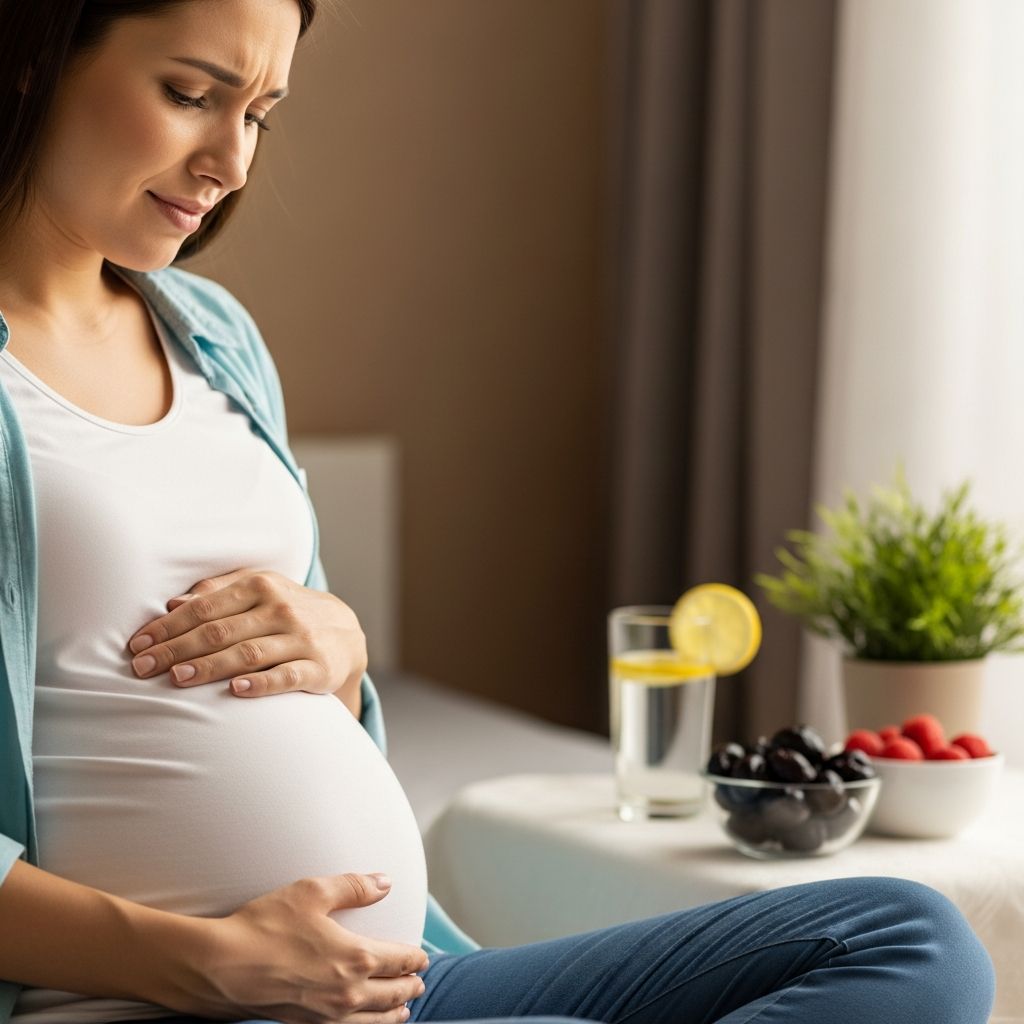
Constipation is an unwelcome but common part of pregnancy that affects many expecting mothers. Between 16 and 39% of pregnant women experience constipation at some point during their pregnancy, making it one of the most frequent digestive complaints during this transformative time. While constipation can be uncomfortable and frustrating, the good news is that it is manageable with simple lifestyle adjustments and, when necessary, medical guidance from your healthcare provider.
The experience of constipation during pregnancy can vary from woman to woman. Some may notice the problem early in their first trimester, while others may not encounter difficulties until later in their pregnancy. Understanding what causes constipation and learning effective relief strategies can help you maintain comfort and confidence throughout your pregnancy journey.
What Causes Constipation During Pregnancy?
Constipation during pregnancy stems from multiple factors working together to slow down your digestive system. Understanding these causes can help you take proactive steps to prevent or manage the condition.
Hormonal Changes
The primary culprit behind pregnancy constipation is the surge in pregnancy hormones, particularly progesterone and relaxin. These hormones begin increasing as early as the second or third month of your first trimester. Progesterone relaxes the muscles throughout your digestive tract, which slows down the movement of food through your system. While this slower digestion may help your body absorb more nutrients for your growing baby, it has the unfortunate side effect of making bowel movements more difficult. Additionally, these hormones relax the lower esophageal sphincter muscle, which is why many pregnant women also experience increased heartburn and acid reflux alongside constipation.
Physical Pressure from the Growing Baby
As your pregnancy progresses, your uterus expands significantly to accommodate your growing baby. By the third trimester, when the fetus is at its heaviest, the baby’s weight places considerable pressure on your bowels and intestines. This physical pressure can obstruct normal bowel function and make constipation more likely. The third trimester is when most women experience their most severe constipation symptoms, precisely when the baby is taking up the most space in the abdominal cavity.
Iron in Prenatal Vitamins
Prenatal vitamins contain iron, which is essential for preventing anemia during pregnancy. However, iron is a known contributor to constipation. While you should not stop taking your prenatal vitamins without consulting your healthcare provider, being aware that iron may be contributing to your constipation can help you understand why you’re experiencing these symptoms and discuss potential solutions with your doctor.
Dehydration and Reduced Activity
Pregnancy often brings fatigue and physical discomfort that may reduce your activity level. Additionally, many pregnant women don’t drink enough water, which can concentrate stool and make it harder to pass. Slowed digestion combined with insufficient hydration creates the perfect environment for constipation to develop.
When Does Pregnancy Constipation Typically Occur?
While constipation can develop at any point during pregnancy, the timing and severity tend to follow a pattern:
First Trimester
In the early months of pregnancy, constipation is usually caused by hormonal changes rather than physical pressure from the baby. You may notice constipation beginning around the second or third month as hormone levels surge. Many women also experience morning sickness during this period, which can affect eating patterns and further complicate digestive health.
Related Stories



Second Trimester
As you move into the second trimester, your uterus begins growing and taking up more space in your abdomen. Morning sickness typically decreases during this period for most women, though constipation and bloating may actually increase. The combination of continued hormonal effects and growing physical pressure begins to affect bowel function more noticeably.
Third Trimester
Most women experience their most significant constipation during the third trimester, when the baby has grown substantially and is placing maximum pressure on the bowels. At this stage, many women report not only increased constipation but also worsening heartburn and acid reflux as the baby takes up more abdominal space.
Postpartum Period
Constipation doesn’t always resolve immediately after delivery. Many women continue experiencing constipation in the immediate postpartum period, particularly after a C-section delivery. Pain medications and iron supplements taken after delivery can contribute to this ongoing constipation. However, most constipation issues resolve within a few weeks after giving birth, though some pelvic floor issues may persist longer.
Recognizing the Symptoms
You can tell you’re experiencing pregnancy constipation when you notice one or more of the following symptoms:
- Difficulty passing stools or incomplete bowel evacuation
- Hard, dry, or lumpy stools
- Fewer than three bowel movements per week
- Straining during bowel movements
- A feeling of blockage in the rectum
- Abdominal discomfort, bloating, or cramping
- A sense that bowel movements are incomplete even after passing stool
The Connection Between Constipation and Hemorrhoids
Constipation during pregnancy significantly increases the risk of developing hemorrhoids—swollen veins that appear as painful lumps around the anus. The relationship between constipation and hemorrhoids is direct: when you strain to have a bowel movement due to constipation, you create increased pressure and irritation in the rectal area. Additionally, the increased circulation and pressure on the rectum from your growing baby can trigger or worsen hemorrhoids.
In some cases, constipation can also lead to anal fissures—small tears in the skin around the anus. Both hemorrhoids and anal fissures are common during pregnancy and typically improve within the first few weeks after delivery. However, taking preventive steps to avoid constipation is the most effective way to prevent these painful complications.
Effective Relief Strategies for Pregnancy Constipation
The good news is that you don’t have to suffer through pregnancy constipation. Several evidence-based strategies can help you find relief and prevent constipation from developing in the first place.
Dietary Approaches
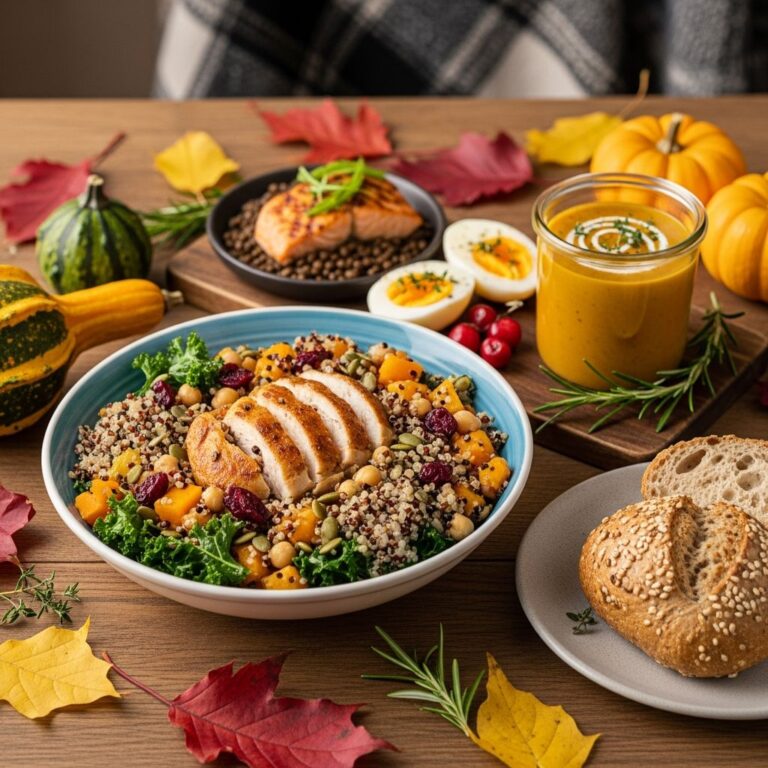
One of the most effective ways to manage constipation is through your diet. Consuming 25 to 30 grams of fiber-rich foods each day can significantly improve bowel function. Include foods such as whole grains, legumes, fruits, vegetables, and nuts in your meals. Gradually increase your fiber intake rather than doing so suddenly, which can cause bloating and gas. When increasing fiber, make sure you’re also increasing your water intake to help the fiber work effectively in your digestive system.
Hydration
Drinking adequate water is crucial for preventing and relieving constipation. Aim to drink 8 to 12 cups of water daily, though some healthcare providers recommend up to 10 to 12 glasses per day. Water keeps stool soft and easier to pass. Proper hydration also supports overall pregnancy health and can help prevent other complications. If plain water becomes monotonous, you can include other fluids such as herbal tea, warm lemon water, or milk, though water should remain your primary hydration source.
Regular Physical Activity
Exercise is beneficial for both pregnancy health and digestive function. Aim for 20 to 30 minutes of moderate physical activity most days of the week, as approved by your healthcare provider. Walking is an excellent low-impact exercise that many pregnant women can continue throughout pregnancy. Light exercise stimulates intestinal muscles and promotes regular bowel movements. Even simple activities like taking short walks or doing prenatal yoga can help maintain digestive health.
Lifestyle Modifications
Several practical changes can help prevent constipation. Take time to respond to the urge to have a bowel movement rather than delaying. Establish a regular bathroom routine, particularly in the morning or after meals when your digestive system is naturally more active. Avoid straining excessively, as this can lead to hemorrhoids and anal fissures. Use a footstool while sitting on the toilet to elevate your feet and change your body position, which can make bowel movements easier and more natural.
Medical Treatments for Pregnancy Constipation
If lifestyle modifications alone don’t provide adequate relief, your healthcare provider can recommend safe medications to help manage constipation during pregnancy.
Laxatives and Fiber Supplements
Not all laxatives are safe during pregnancy, which is why it’s essential to consult your healthcare provider before taking any medication. Your provider can prescribe or recommend laxatives and fiber supplements that have been tested for safety and effectiveness during pregnancy. Some options are considered safer than others, so professional guidance ensures you’re choosing an appropriate solution. Always check with your provider before taking any over-the-counter constipation medications or supplements, and avoid home remedies such as castor oil or mineral oil unless specifically recommended by your doctor.
When to Contact Your Healthcare Provider
While most pregnancy constipation is manageable with lifestyle changes and safe medications, you should reach out to your healthcare provider if you’ve been constipated for longer than a few weeks without improvement. Your provider can evaluate your situation, rule out other potential causes, and recommend appropriate treatments. Don’t hesitate to discuss constipation with your healthcare team—managing your comfort during pregnancy is an important part of prenatal care.
Will Constipation Harm Your Baby?
Many pregnant women worry that constipation could harm their developing baby. It’s important to know that constipation itself will not harm your baby. While the pressure and discomfort of severe constipation might be distressing for you, your baby is safely protected within the amniotic sac and uterus. The straining associated with constipation is uncomfortable for you but poses no direct danger to your pregnancy. Focus on finding relief so you can feel more comfortable rather than worrying about fetal safety.
Constipation After Delivery
Postpartum constipation is extremely common and can result from several factors. Pain medications taken after delivery, iron supplements, dehydration, and fear of pain or injury can all contribute to constipation in the days and weeks following childbirth. Additionally, if you had a C-section delivery, the physical trauma to your abdominal area may affect bowel function temporarily.
To manage postpartum constipation, drink plenty of water, eat high-fiber foods, walk around as soon as it’s safe to do so after delivery, and discuss any concerns with your healthcare provider. Most postpartum constipation resolves quickly, though it’s important to address it to prevent complications such as hemorrhoids from worsening. If you’re breastfeeding, most constipation treatments are compatible with nursing, but always confirm with your healthcare provider.
Frequently Asked Questions
Q: Is constipation a sign of pregnancy?
A: While constipation can occur during pregnancy, it is not a reliable indicator of pregnancy on its own. Constipation has many causes unrelated to pregnancy, and it typically doesn’t appear until the second or third month of pregnancy. If you suspect you’re pregnant, take a pregnancy test or consult your healthcare provider.
Q: Can I use over-the-counter laxatives during pregnancy?
A: Not all over-the-counter laxatives are safe during pregnancy. Before taking any laxative or fiber supplement, always consult your healthcare provider. Your doctor can recommend options that have been tested for safety and effectiveness during pregnancy.
Q: How long does pregnancy constipation typically last?
A: Constipation can occur at any point during pregnancy and may persist into the immediate postpartum period. However, most constipation issues resolve within a few weeks after delivery. Some women continue experiencing constipation up to three months after giving birth.
Q: Can I prevent pregnancy constipation?
A: While you cannot prevent the hormonal changes that contribute to constipation, you can significantly reduce your risk by maintaining a high-fiber diet, drinking adequate water, exercising regularly, and responding promptly to the urge to have a bowel movement.
Q: Does constipation affect nutrient absorption?
A: Slowed digestion during pregnancy may actually increase water absorption in the colon, which contributes to constipation. However, normal prenatal nutrition and appropriate supplements will ensure you and your baby receive necessary nutrients even with slower digestion.
Taking Control of Your Pregnancy Comfort
Pregnancy constipation is undoubtedly uncomfortable, but it is a manageable condition with straightforward solutions. By implementing dietary changes, staying hydrated, exercising regularly, and working with your healthcare provider, you can minimize constipation and focus on enjoying your pregnancy. Remember that your healthcare team is there to support you through all aspects of pregnancy health, including digestive comfort. Don’t suffer in silence—communicate with your provider about your symptoms and work together to find relief strategies that work best for your unique situation.
References
- How Pregnancy Affects Digestive Health — Cleveland Clinic. 2024. https://my.clevelandclinic.org/podcasts/butts-and-guts/how-pregnancy-affects-digestive-health
- Pregnancy Constipation: Pain, Causes, Treatments & Relief — Cleveland Clinic. 2024. https://my.clevelandclinic.org/health/diseases/21895-pregnancy-constipation
- Pregnancy Constipation: Why It Happens and How To Find Relief — Cleveland Clinic Health. 2024. https://health.clevelandclinic.org/pregnancy-constipation-relief
- Changes in Bowel Habits & What They Mean — Cleveland Clinic. 2024. https://my.clevelandclinic.org/health/symptoms/changes-in-bowel-habits
- What To Know About Pooping After Giving Birth — Cleveland Clinic Health. 2024. https://health.clevelandclinic.org/postpartum-poop
- Pregnancy Pains & Discomfort: Types & Relief — Cleveland Clinic. 2024. https://my.clevelandclinic.org/health/articles/pregnancy-pains
- How To Relieve Constipation During Pregnancy — Movicol UK. 2024. https://www.movicol.co.uk/blog/how-to-relieve-constipation-and-stubborn-stools-during-pregnancy/
Similar Articles








Read full bio of medha deb