Pregnancy Pains & Discomfort: Types & Relief
Understand common pregnancy discomforts and discover effective relief strategies for a healthier, more comfortable pregnancy.
Understanding Pregnancy Pains and Discomfort
Pregnancy brings profound changes to your body as it adapts to support new life. During this transformative time, your hormones work to loosen your ligaments, allowing your body to accommodate a growing fetus and preparing your bones to widen during childbirth. While these changes are necessary and natural, they often come with physical discomfort. The combination of hormonal shifts, increased body weight, and structural changes places significant strain on your body, resulting in various types of pain and discomfort that many expectant mothers experience.
Understanding the different types of pregnancy-related pain, their causes, and available relief strategies can help you navigate this period with greater comfort and confidence. Most pregnancy discomforts are temporary and resolve after delivery, but knowing how to manage them effectively makes a significant difference in your quality of life during these nine months.
Common Types of Pregnancy Pain
Back Pain During Pregnancy
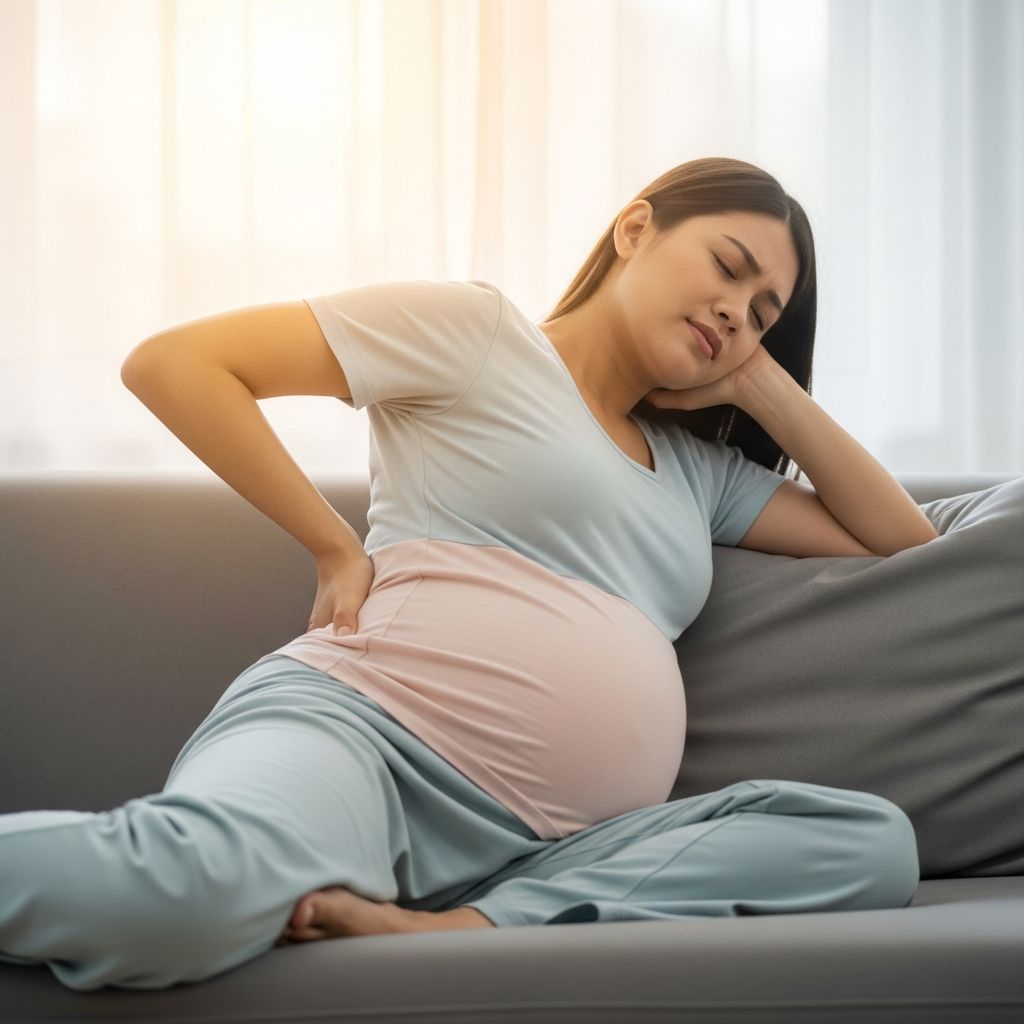
Back pain stands out as one of the most prevalent pregnancy complaints, affecting approximately 40% of pregnant women at some point during their pregnancy. This discomfort can occur at any stage of pregnancy but becomes increasingly common during the second and third trimesters as your body undergoes dramatic changes. The pain can range from mild and manageable to severe and debilitating, significantly impacting your daily activities and quality of life.
Several factors contribute to pregnancy-related back pain. The added weight of your growing fetus places additional stress on your spine and supporting muscles. Hormonal changes cause your ligaments to become more flexible, which while necessary for childbirth, can lead to instability in your spine. Your center of gravity shifts as your abdomen expands, causing you to adjust your posture to maintain balance. This postural compensation often strains your back muscles and joints. If you had previous back pain before pregnancy or in earlier pregnancies, you’re at higher risk for experiencing it again.
The position of your fetus can also influence back pain intensity. If your baby’s head is positioned against your tailbone or lower back, you may experience heightened discomfort. Similarly, if your fetus is larger than average, the increased weight distribution may intensify back pain symptoms.
Round Ligament Pain
Round ligament pain represents another common pregnancy discomfort, particularly during the second trimester. This condition involves sharp pains or cramps in your belly or groin area, typically triggered by sudden movements or changes in position. The round ligaments are structures that support your uterus, and as your uterus expands to accommodate your growing baby, these ligaments stretch and lengthen significantly.
The mechanism behind round ligament pain involves increased tension on these supporting structures. As your uterus grows, the round ligaments must stretch to provide adequate support. While they normally contract and loosen gradually, sudden movements force them to contract and move faster than they’re accustomed to, creating sharp, painful sensations. Women often describe round ligament pain as a stabbing sensation or acute cramping in the lower abdomen or groin area.
Related Stories



Round ligament pain typically begins during weeks 14 through 27 of pregnancy, coinciding with rapid uterine growth. However, it can appear earlier or later depending on individual circumstances. The intensity and frequency vary significantly among pregnant women, with some experiencing occasional sharp twinges and others dealing with more persistent discomfort.
Contractions and Braxton Hicks
As pregnancy progresses, you may experience different types of contractions. Braxton Hicks contractions, often called “practice” contractions, represent your uterus preparing for labor. These tightening sensations typically feel less intense than true labor contractions and may be uncomfortable rather than truly painful for many women.
True labor contractions, by contrast, intensify over time and increase in frequency as labor progresses. Labor contractions cause discomfort or a dull ache in your back and lower abdomen, along with pressure in your pelvis. Many women describe labor contractions as strong menstrual cramps or powerful waves that feel similar to severe diarrhea cramps. The pain from contractions results from your uterine muscles tightening and releasing to move your baby down the birth canal, combined with pressure on your cervix as it dilates and thins in preparation for birth.
When to Seek Medical Attention
While most pregnancy discomforts are normal and manageable, certain symptoms warrant immediate contact with your healthcare provider. You should contact your provider immediately if you experience:
– Severe pain that doesn’t let up with rest or position changes
– Back pain accompanied by vaginal bleeding or loss of fluid
– Abdominal pain with symptoms like bleeding, fever, chills, or vomiting
– Pain when urinating or fever alongside back pain, suggesting possible urinary tract infection
– Less than 36 weeks gestation with painful contractions accompanied by bleeding or back pain, which could indicate preterm labor
– Contractions that follow a regular pattern before 36 weeks of pregnancy
– Pain accompanied by vaginal bleeding or significant pressure sensations
Mild back pain or occasional round ligament pain typically doesn’t require urgent attention but should be mentioned to your healthcare provider at your next prenatal appointment. Your provider can assess whether your pain stems from normal pregnancy changes or requires further investigation.
Effective Relief Strategies
Physical Relief Methods
Several evidence-based approaches can significantly reduce pregnancy-related pain and discomfort. Resting with your feet elevated helps reduce strain on your back and improves circulation. When resting, use pillows to support your lower back and elevate your feet above heart level when possible. This positioning reduces pressure on your spine and can provide substantial relief.
Heat therapy offers another effective relief method for many women. Applying a heating pad to affected areas for 15-20 minutes can soothe sore muscles and reduce cramping. The warmth promotes blood flow and relaxes tense muscles that contribute to pain.
Gentle stretching and appropriate exercise designed for pregnant women can strengthen supporting muscles and improve flexibility. Low-impact activities like prenatal yoga, swimming, or walking provide exercise benefits without excessive strain on your joints and spine. These activities also improve posture, which can significantly reduce back pain.
Supportive Garments
Pregnancy support belts and maternity support garments provide additional relief by stabilizing your abdomen and lower back, reducing strain on your spine and ligaments. These specially designed belts distribute weight more evenly and can dramatically improve comfort during daily activities. Many healthcare providers recommend these as a first-line treatment for pregnancy-related back pain.
Position Changes and Movement
Frequent position changes prevent stiffness and reduce pressure on any single area of your body. Changing how you sit, stand, and sleep throughout the day can minimize pain accumulation. When experiencing round ligament pain, slowing down and avoiding sudden movements prevents sharp contractions of the supporting ligaments.
Pain Relief During Labor
For labor pain specifically, multiple options exist ranging from natural methods to pharmaceutical interventions. Regional anesthesia, including epidural and spinal blocks, represents the most common and effective pain relief during labor, greatly reducing or eliminating pain in the lower body while keeping you alert and awake. These options allow you to remain conscious and involved in your birthing experience while experiencing significant pain reduction.
Other pain relief options include analgesic medications, local anesthesia, and breathing techniques. Your healthcare provider will discuss available options based on your labor progression, medical history, and personal preferences.
Managing Braxton Hicks Contractions
To reduce discomfort during Braxton Hicks contractions, try the following strategies:
– Change your position or activity level
– Take a warm bath or shower
– Practice slow, deep breathing techniques
– Move around gently or try light stretching
– Stay hydrated by drinking water or other fluids
– Rest and relax in a comfortable position
If you’re less than 36 weeks pregnant and experiencing frequent painful contractions accompanied by bleeding or back pain, contact your provider immediately as these may indicate preterm labor requiring medical attention.
Frequently Asked Questions
Q: Is back pain during pregnancy normal?
A: Yes, back pain affects approximately 40% of pregnant women and is considered a normal pregnancy symptom. It typically results from hormonal changes, added weight, and shifts in your center of gravity. Most back pain resolves after delivery.
Q: When does round ligament pain typically occur?
A: Round ligament pain most commonly occurs during the second trimester, from approximately 14 to 27 weeks of pregnancy, when your uterus undergoes rapid growth. However, it can appear earlier or later in pregnancy.
Q: What’s the difference between Braxton Hicks and true labor contractions?
A: Braxton Hicks contractions are irregular, less intense practice contractions that don’t typically increase in frequency or severity. True labor contractions intensify over time, increase in frequency, and follow a regular pattern as labor progresses.
Q: Are heating pads safe during pregnancy?
A: Yes, heating pads are generally safe and effective for relieving pregnancy-related pain. Apply them for 15-20 minutes at a time to affected areas. Ensure the temperature is comfortable and not excessively hot.
Q: Can I exercise to help manage pregnancy pain?
A: Yes, gentle exercise specifically designed for pregnant women can strengthen supporting muscles and reduce pain. Prenatal yoga, swimming, and walking are excellent low-impact options. Always consult your healthcare provider before starting any exercise program.
Q: When should I contact my healthcare provider about pregnancy pain?
A: Contact your provider if you experience severe pain, pain accompanied by bleeding or fever, pain with vaginal discharge, or any concerning symptoms. Mild discomfort can usually wait until your next prenatal appointment.
The Path Forward
Pregnancy brings wonderful joy and anticipation alongside various physical challenges. While pregnancy pains and discomforts can be frustrating and sometimes debilitating, numerous strategies exist to help you manage these symptoms effectively. Most pregnancy-related pain is temporary and resolves naturally after delivery. Working closely with your healthcare provider to identify the cause of your discomfort and implementing appropriate relief strategies can significantly improve your quality of life during pregnancy.
Remember that every pregnancy is unique, and what works for one woman may differ for another. Don’t hesitate to discuss your symptoms with your healthcare provider at prenatal appointments. They may suggest additional treatments or interventions tailored to your specific situation. By staying informed about common pregnancy discomforts and having access to effective relief strategies, you can focus on the exciting aspects of pregnancy while managing physical challenges more comfortably.
References
- Back Pain During Pregnancy — Cleveland Clinic. 2024. https://my.clevelandclinic.org/health/symptoms/back-pain-during-pregnancy
- Round Ligament Pain — Cleveland Clinic. 2024. https://my.clevelandclinic.org/health/symptoms/21642-round-ligament-pain
- Labor Pain Relief: Options & Side Effects — Cleveland Clinic. 2024. https://my.clevelandclinic.org/health/articles/4450-labor-pain-relief
- Contractions: Pregnancy, How They Feel & How Long They Last — Cleveland Clinic. 2024. https://my.clevelandclinic.org/health/symptoms/contractions
- Braxton Hicks Contractions — Cleveland Clinic. 2024. https://my.clevelandclinic.org/health/symptoms/22965-braxton-hicks
Similar Articles








Read full bio of medha deb