Pregnancy and Posture: Supporting Your Body Through Nine Months
Master proper posture during pregnancy to reduce pain, improve comfort, and support healthy development.
Understanding Posture Changes During Pregnancy
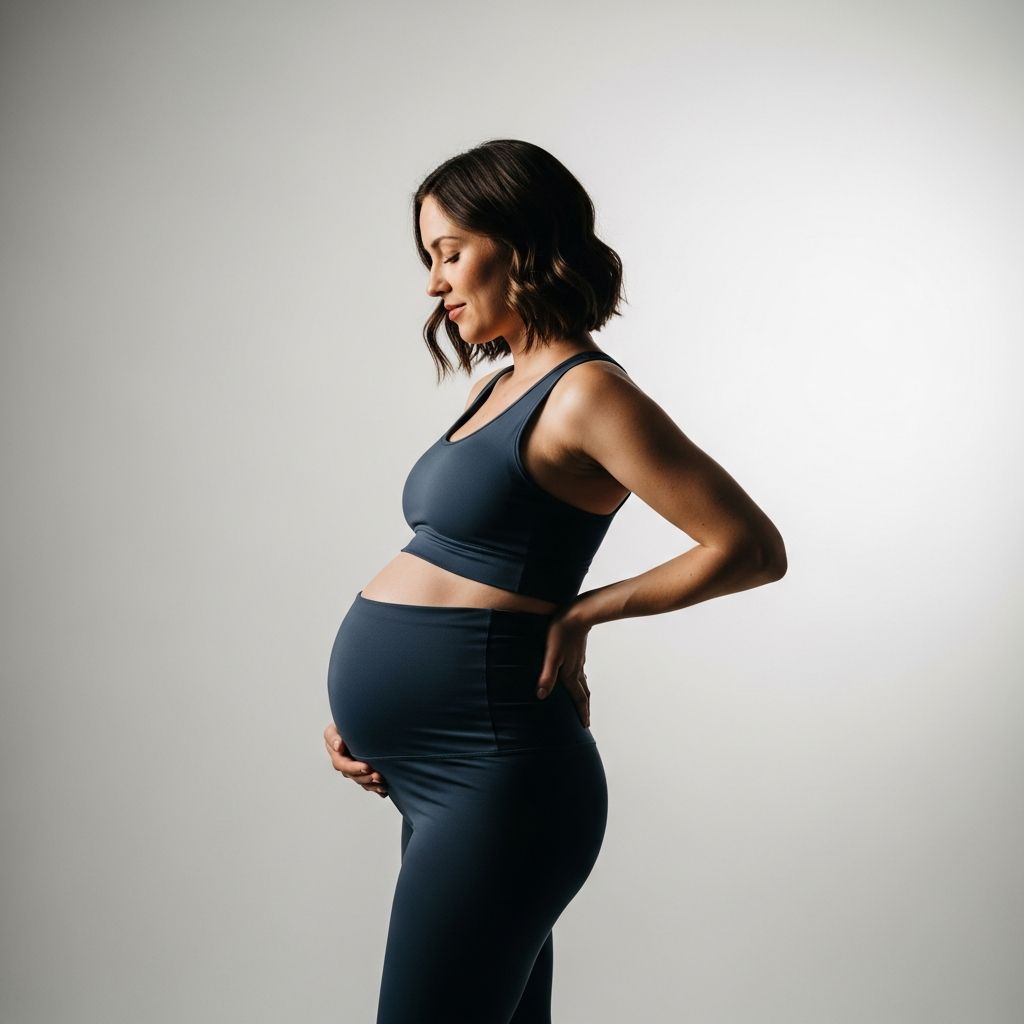
Pregnancy brings significant changes to your body’s structure and function. As your baby grows, your center of gravity shifts forward, placing additional stress on your spine, muscles, and joints. The combination of weight gain, hormonal changes, and postural adjustments creates unique challenges that require conscious attention to posture and body mechanics.
Your body releases hormones like relaxin during pregnancy, which loosens ligaments and connective tissues to prepare for labor. While this is necessary for birth, it can also compromise spinal stability and increase vulnerability to injury. Understanding how these changes affect your posture is the first step toward maintaining comfort and preventing long-term pain.
Poor posture during pregnancy can exacerbate common pregnancy discomforts such as lower back pain, neck strain, and pelvic instability. By maintaining proper alignment throughout your pregnancy, you can significantly reduce these symptoms and support your baby’s healthy development.
The Importance of Proper Posture in Pregnancy
Maintaining proper posture during pregnancy offers numerous benefits for both mother and baby. Good alignment ensures optimal blood flow and oxygen delivery to your growing fetus while reducing strain on your musculoskeletal system.
Key benefits of proper pregnancy posture include:
- Reduced back and neck pain
- Improved circulation and reduced swelling
- Better breathing and oxygen intake
- Enhanced digestive function
- Decreased risk of pelvic floor dysfunction
- Improved balance and reduced fall risk
- Better preparation for labor and delivery
- Faster postpartum recovery
Healthcare providers emphasize that postural awareness is not just about comfort—it directly impacts your health and your baby’s well-being throughout pregnancy.
Standing Posture During Pregnancy
Proper standing posture becomes increasingly important as your pregnancy progresses and your weight distribution changes. Many pregnant women unconsciously arch their lower backs to compensate for their growing abdomen, which creates excessive strain on the lumbar spine.
Guidelines for proper standing posture:
- Keep your feet shoulder-width apart for stability
- Distribute your weight evenly across both feet
- Engage your core muscles gently to support your spine
- Keep your shoulders relaxed and drawn slightly back
- Avoid excessive forward arching of the lower back
- Maintain your head in a neutral position, not jutting forward
- Avoid standing for extended periods; take sitting breaks regularly
When standing for prolonged periods, shift your weight from one foot to the other every few minutes to reduce fatigue. Wearing supportive, flat shoes helps maintain better alignment than heels, which can increase forward lean and back strain.
Related Stories



Sitting Posture and Workspace Ergonomics
Since many pregnant women continue working throughout their pregnancy, proper sitting posture and workspace setup are essential. Poor sitting habits can compress your abdomen, restrict breathing, and create significant back pain.
Optimal sitting posture includes:
- Choosing a firm chair with good back support
- Keeping your back against the chair back
- Positioning your knees at approximately 90-degree angles
- Keeping feet flat on the floor or footrest
- Avoiding crossing your legs, which can restrict circulation
- Maintaining relaxed shoulders
- Keeping your screen at eye level to prevent neck strain
Pregnancy pillows or lumbar support cushions can provide additional comfort when sitting. Stand and walk for at least five minutes every hour to promote circulation and reduce muscle fatigue. As your pregnancy progresses, you may need to angle your torso slightly back to accommodate your belly while maintaining spinal alignment.
Sleeping Positions for Pregnancy Comfort
Sleep quality often declines during pregnancy due to physical discomfort, and posture plays a crucial role in achieving better rest. Healthcare providers recommend sleeping on your side after about 20 weeks of pregnancy, as this position optimizes blood flow to the placenta and supports healthy circulation.
Side sleeping benefits:
- Improves blood flow and oxygen delivery to your baby
- Reduces pressure on major blood vessels
- Alleviates lower back pain
- Promotes better kidney function and reduces swelling
- Helps maintain pelvic alignment
Research has shown that sleeping on either your left or right side is equally safe, though some practitioners prefer left-side sleeping. If you typically sleep on your stomach or back, begin practicing side sleeping during your first trimester so your body can adjust before your belly expands significantly.
When transitioning from one side to another, move slowly to avoid sharp round ligament pain—a sudden stretching sensation on the sides of your abdomen. A full-body pregnancy pillow provides excellent support for side sleeping, cradling your belly, back, and between your knees to maintain proper spinal alignment throughout the night.
Positions to avoid during pregnancy:
- Back sleeping, which can compress major blood vessels and contribute to backaches, shortness of breath, and digestive issues
- Stomach sleeping, which becomes uncomfortable and impossible as your belly grows
If you wake up on your back, simply roll slowly onto your side and resume sleeping. Occasional position changes during sleep are normal and not concerning.
Bending and Lifting Techniques
During pregnancy, your center of gravity shifts, making bending and lifting more challenging and injury-prone. Using improper techniques can strain your back and create injury risk for both you and your baby.
Proper bending technique:
- Bend from your hips and knees, not your waist
- Squat down rather than bending forward at the waist
- Keep your back straight throughout the movement
- Hold objects close to your body when lifting
- Avoid twisting while holding weight
- Ask for help with heavy items; don’t strain yourself
Lifting anything heavier than 25 pounds is generally not recommended during pregnancy, particularly in the third trimester. If you have young children or demanding physical work, discuss appropriate modifications with your healthcare provider.
Managing Common Postural Problems
Lower Back Pain
Lower back pain affects many pregnant women due to increased forward lean and loosened ligaments. Maintaining proper posture, using supportive pillows, and performing prenatal exercises can significantly reduce discomfort. Heat therapy, prenatal massage, and physical therapy may also provide relief.
Neck and Shoulder Tension
Forward head posture and rounded shoulders are common during pregnancy, especially if you spend time at a computer. Consciously keeping your shoulders back and your head aligned over your spine helps prevent neck strain. Gentle stretching and regular position changes are beneficial.
Pelvic Instability
As your body releases relaxin to loosen pelvic ligaments, you may experience pelvic pain or instability. Maintaining proper posture, wearing a maternity support belt, and performing pelvic floor exercises can provide stability and comfort.
Exercises and Stretches for Better Posture
Gentle prenatal exercises strengthen the muscles that support proper posture and reduce pregnancy-related discomfort. Before starting any exercise program, obtain clearance from your healthcare provider.
Beneficial prenatal exercises include:
- Pelvic floor strengthening (Kegel exercises)
- Prenatal yoga, emphasizing alignment and breathing
- Walking, which promotes overall strength and posture awareness
- Swimming or water aerobics, which supports weight and reduces strain
- Modified pilates focusing on core stability
- Shoulder rolls and neck stretches
- Hip flexor stretches
Perform stretches gently and hold each for 15-30 seconds without bouncing. Avoid exercises that require lying flat on your back for extended periods after the first trimester, and always stop if you experience pain, dizziness, or shortness of breath.
Maternity Support Devices
Various support devices can help maintain proper posture and reduce discomfort during pregnancy:
| Device | Purpose | When to Use |
|---|---|---|
| Maternity Support Belt | Provides external support to lower back and pelvis | During standing, walking, or work activities |
| Pregnancy Pillow | Supports proper side-sleeping alignment | During sleep |
| Lumbar Support Cushion | Maintains lower back curve while sitting | At desk or while driving |
| Compression Stockings | Improves circulation and reduces swelling | Throughout the day |
Posture by Trimester
First Trimester (Weeks 1-12)
During the first trimester, your posture changes are minimal, but establishing good habits now will benefit you throughout pregnancy. Focus on body awareness and begin practicing side sleeping if it’s not your natural position.
Second Trimester (Weeks 13-26)
Your belly becomes noticeably larger during the second trimester, requiring increased postural awareness. Consciously avoid excessive lower back arching, maintain good sitting alignment, and increase reliance on support devices as needed. This is an excellent time to start prenatal exercises.
Third Trimester (Weeks 27-40)
The third trimester brings maximum weight gain and forward weight shift. Postural strain peaks during this period, making consistent attention to alignment essential. Increase the use of support devices, reduce standing time, and modify activities as directed by your healthcare provider.
Frequently Asked Questions
Q: When should I start paying attention to posture during pregnancy?
A: Begin focusing on posture from your first trimester. Establishing good habits early makes them easier to maintain as your pregnancy progresses and physical demands increase.
Q: Can poor posture harm my baby?
A: While poor posture itself doesn’t directly harm your baby, it can reduce circulation, impair breathing, and create conditions that may affect fetal well-being. Proper posture optimizes blood flow and oxygen delivery to your baby.
Q: Is it safe to use posture correction devices during pregnancy?
A: Yes, when used appropriately. Maternity support belts and pregnancy pillows are specifically designed for pregnancy and can safely improve comfort and alignment. Discuss any concerns with your healthcare provider.
Q: Will my posture return to normal after pregnancy?
A: Yes, though it may take several weeks to months. Postpartum exercises and continued posture awareness help restore your pre-pregnancy alignment. If persistent pain develops, consult a physical therapist.
Q: What should I do if I experience severe back pain?
A: Inform your healthcare provider immediately. Severe back pain may indicate pregnancy-related conditions like pelvic girdle pain or sciatica that require specialized treatment. Your provider may recommend physical therapy or other interventions.
Q: Can I continue my regular exercise routine while maintaining proper pregnancy posture?
A: With your healthcare provider’s approval, most regular exercises can be modified for pregnancy. Always prioritize proper alignment and stop any activity that causes pain, dizziness, or shortness of breath.
Tips for Success
Maintaining proper posture throughout pregnancy requires consistent effort and self-awareness. Set reminders on your phone to check your posture hourly. Take frequent breaks from sitting or standing, alternating positions every 30-45 minutes. Invest in supportive furniture and devices that make proper alignment more comfortable than improper alignment.
Consider working with a prenatal physical therapist or chiropractor trained in pregnancy care. They can assess your individual postural needs and provide personalized exercises and adjustments. Remember that some postural changes during pregnancy are normal and expected—the goal is to minimize strain and discomfort while supporting your baby’s healthy development.
Give yourself grace during this transformative time. Your body is doing remarkable work, and attending to posture is one meaningful way to support that process. As your pregnancy progresses, continue adapting your postural strategies to meet your changing needs, and don’t hesitate to seek professional guidance when needed.
References
- Pregnancy Sleep Positions: Tips for More Comfort, Less Pain, and Better Sleep — Hinge Health. 2024. https://www.hingehealth.com/resources/articles/pregnancy-sleeping-positions/
- Staying Healthy During Pregnancy — Johns Hopkins Medicine. https://www.hopkinsmedicine.org/health/conditions-and-diseases/staying-healthy-during-pregnancy
- Pregnancy-Related Musculoskeletal Disorders: Analysis and Management — American Academy of Physical Medicine and Rehabilitation. https://www.aapmr.org/
- Clinical Practice Guidelines for Prenatal Care — American College of Obstetricians and Gynecologists (ACOG). https://www.acog.org/
- Effects of Relaxin on Musculoskeletal Adaptations During Pregnancy — National Center for Biotechnology Information. https://www.ncbi.nlm.nih.gov/
Similar Articles








Read full bio of medha deb