Vision Care During Pregnancy: A Complete Guide
Essential strategies for protecting your eye health while expecting
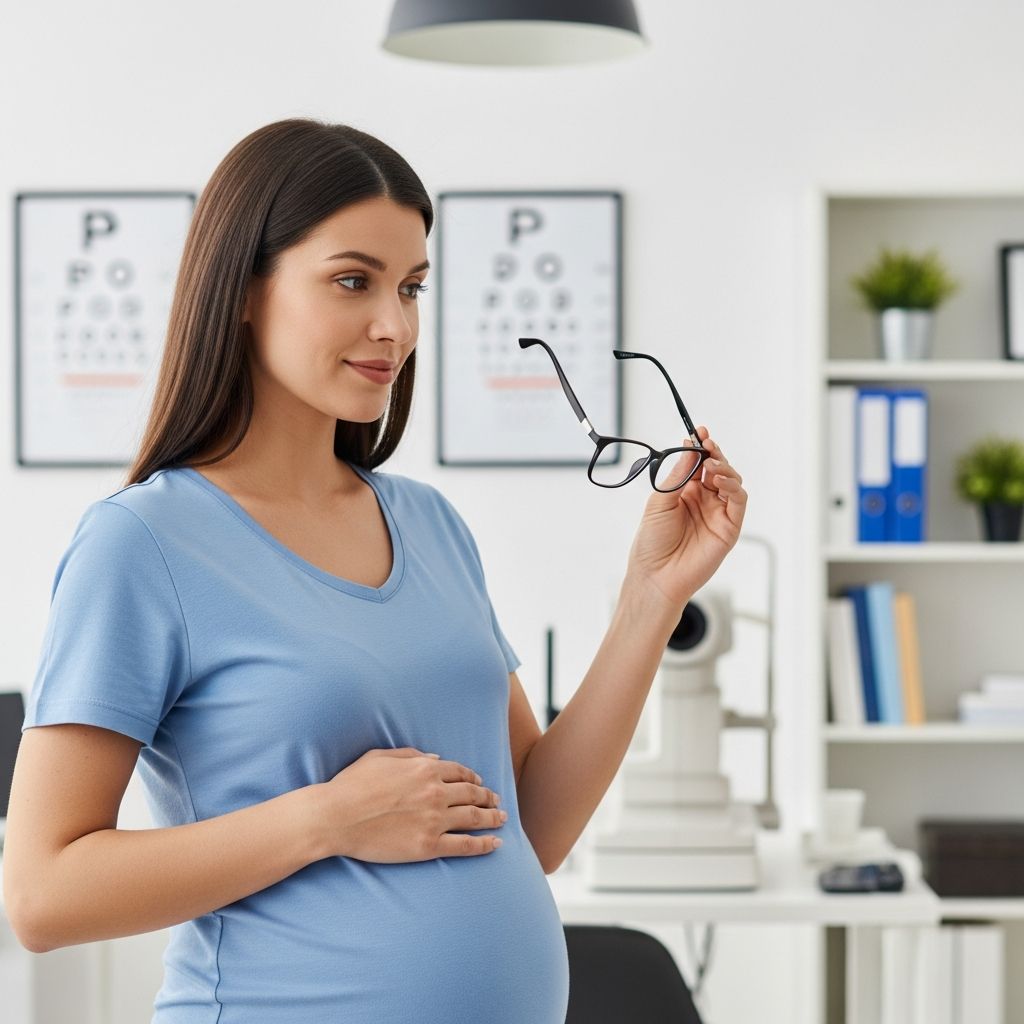
Pregnancy brings profound physical transformations, and many expectant mothers focus on monitoring heart rate, blood pressure, and nutritional intake. However, one crucial aspect of prenatal health that often goes overlooked is eye health and vision changes. The hormonal fluctuations and physiological shifts that occur during gestation can significantly impact vision and ocular comfort, making it essential for pregnant women to understand these changes and implement appropriate care strategies.
Understanding Hormonal Effects on Vision
The human body undergoes remarkable hormonal changes during pregnancy, and the eyes are not immune to these transformations. Fluctuations in estrogen, progesterone, and testosterone levels directly influence tear production, corneal thickness, and lens shape. These hormonal variations can trigger a cascade of visual symptoms that range from mild irritation to noticeable vision alterations.
One of the most significant hormonal effects involves increased progesterone levels, which promotes fluid retention throughout the body. This systemic fluid accumulation extends to ocular tissues, including the cornea and surrounding structures. When the cornea temporarily thickens or changes shape due to fluid retention, it can cause refractive errors that manifest as blurred vision or changes in focus ability. Understanding this mechanism helps expectant mothers recognize that most vision changes during pregnancy are temporary and typically resolve within weeks after delivery.
Common Vision and Eye Conditions During Pregnancy
Pregnant women experience several distinct eye-related conditions that warrant attention and management strategies.
Dry Eye Syndrome and Tear Production Changes
Perhaps the most prevalent complaint among pregnant women is dry eye syndrome. Hormonal fluctuations reduce tear production, leaving many expectant mothers experiencing persistent discomfort. Symptoms include blurred vision, redness, watery eyes—a paradoxical response where the eye produces excess tears in reaction to dryness—and burning or stinging sensations.
This condition becomes particularly troublesome for contact lens wearers, as lens irritation intensifies when tear film is compromised. The combination of decreased tear production and contact lens wear can make extended wear uncomfortable, prompting many women to temporarily switch to spectacle correction during their third trimester.
Vision Refractive Changes
Beyond dry eye symptoms, pregnant women frequently experience shifts in their refractive prescription. These changes can manifest as increased myopia (nearsightedness) or hyperopia (farsightedness), requiring adjustment to vision correction methods. Blurriness, difficulty focusing on distant or near objects, and fluctuating vision clarity characterize these refractive alterations.
Eyelid Puffiness and Swelling
Fluid retention during pregnancy commonly produces noticeable puffiness around the eyes. While aesthetically bothersome for some women, this swelling can occasionally interfere with peripheral vision if particularly severe. Maintaining adequate hydration and limiting sodium intake can help minimize this symptom.
Serious Pregnancy-Related Eye Conditions
While most pregnancy-related eye changes are benign and temporary, some expectant mothers develop more serious conditions requiring close medical monitoring. Pregnancy-induced hypertension and preeclampsia can cause significant ocular complications, including retinal detachment and vision loss, necessitating immediate medical intervention. Women with pre-existing diabetes or those developing gestational diabetes require particular vigilance, as elevated blood sugar levels can trigger or accelerate diabetic retinopathy.
Related Stories



Comprehensive Eye Care Strategies During Pregnancy
Managing vision health during pregnancy requires a multi-faceted approach combining professional care, lifestyle modifications, and symptom management.
Scheduling and Maintaining Regular Eye Examinations
Contrary to misconceptions that pregnant women should postpone medical appointments, comprehensive eye exams during pregnancy are both safe and beneficial. The American Academy of Ophthalmology recommends requesting an eye examination early in pregnancy, even if no significant vision changes have occurred. This baseline assessment establishes a reference point for monitoring any alterations throughout gestation.
During pregnancy eye exams, corneal dilation is completely safe and poses no risk to the developing fetus. Additionally, informing your eye doctor about your pregnancy is critical, particularly if you have pre-existing conditions such as glaucoma, elevated blood pressure, or diabetes. Your eye care professional can then monitor closely for pregnancy-specific complications and adjust management strategies accordingly.
Managing Dry Eye Symptoms Effectively
Addressing dry eye discomfort requires both preventive measures and therapeutic interventions. Several evidence-based strategies can significantly improve symptoms:
- Artificial Tear Products: Over-the-counter lubricating and rewetting eye drops are completely safe during pregnancy and nursing. Selecting preservative-free formulations is advisable, as preservatives may cause additional irritation in sensitive eyes. Consult your obstetrician before introducing any new eye drops to ensure compatibility with your prenatal medications and health status.
- Contact Lens Care Adjustments: If you wear contact lenses, increase cleaning frequency using enzymatic cleaners specifically designed for contact lens care. Contact lens solutions and enzymatic cleaners are safe to use throughout pregnancy. Should dry eyes make lens wear unbearably uncomfortable, temporarily switching to glasses provides immediate relief without compromising vision correction.
- Environmental Humidity Management: Using humidifiers in your home and workplace increases ambient moisture, supporting tear film stability and reducing evaporative dry eye symptoms.
- Screen Time Awareness: Extended screen exposure decreases blinking frequency, exacerbating dry eye symptoms. Implement regular breaks using the 20-20-20 rule: every 20 minutes, look at an object 20 feet away for 20 seconds.
Nutritional Support for Ocular Health
A nutrient-rich prenatal diet substantially supports eye health and may mitigate pregnancy-related vision complications. Key nutrients include:
| Nutrient | Function | Food Sources |
|---|---|---|
| Vitamin A | Supports tear production and corneal health | Sweet potatoes, carrots, spinach, kale |
| Vitamin C | Antioxidant protection; reduces oxidative stress | Citrus fruits, berries, bell peppers, broccoli |
| Vitamin E | Protects against cellular damage | Almonds, sunflower seeds, avocados |
| Omega-3 Fatty Acids | Supports tear quality and retinal function | Fatty fish, walnuts, flaxseeds, chia seeds |
| Zinc | Maintains retinal pigment epithelium | Lean meats, legumes, pumpkin seeds |
Incorporating these nutrient-dense foods throughout pregnancy supports not only maternal eye health but also fetal development, making dietary attention a win-win strategy.
Hydration and Fluid Management
Adequate fluid intake supports multiple physiological functions critical for eye health. Proper hydration maintains tear production, reduces fluid retention that contributes to puffiness, and supports overall pregnancy wellness. Most pregnant women should aim for eight to ten glasses of water daily, adjusted based on activity level and climate. Limiting caffeine and sodium intake helps minimize water retention while supporting tear film stability.
Lifestyle Modifications for Optimal Vision Health
UV Protection and Outdoor Eye Safety
During pregnancy, immune system changes increase susceptibility to UV-related ocular damage and environmental irritation. Wearing quality sunglasses that block 100% of UVA and UVB radiation protects against premature cataracts, pterygium formation, and other UV-induced conditions. Sunglasses should be worn during all outdoor activities, even brief afternoon walks to nearby locations.
Infection Prevention Through Hygiene Practices
Heightened hormonal changes during pregnancy increase vulnerability to ocular infections transmitted through bacterial, viral, or fungal vectors. Implementing rigorous hand hygiene practices significantly reduces infection risk. Key preventive measures include:
- Washing hands thoroughly with soap and water upon returning from outdoor environments
- Avoiding direct eye and face contact with unsanitized hands
- Never sharing eye makeup, contact lenses, or eye care products with others
- Regularly cleansing contact lens cases and replacing solutions according to manufacturer recommendations
- Periodic eye rinsing with cool water to remove potential irritants and pathogens
Cosmetic Product Considerations
Pregnant women prone to eye infections should minimize eye makeup use, as cosmetic products can introduce bacterial contaminants and trigger infections. If makeup application is necessary for special occasions, never borrow products from friends or relatives, as this dramatically increases infection transmission risk. When purchasing eye cosmetics, ensure products are pregnancy-safe and hypoallergenic.
Rest and Sleep Prioritization
Adequate rest allows ocular tissues to recover from daily stresses, reducing eye strain and fatigue. Expectant mothers should prioritize consistent sleep schedules, aiming for seven to nine hours nightly. Creating restful sleep environments—cool, dark, and quiet—promotes better sleep quality and supports ocular health alongside overall pregnancy wellness.
Treatment Considerations and Precautions
Avoiding Elective Vision Procedures
Elective eye surgeries, including LASIK and other refractive procedures, should be postponed until after pregnancy and cessation of breastfeeding. These procedures rely on precise corneal measurements and stable refractive status, conditions not present during pregnancy due to temporary vision changes. Undergoing such surgeries during gestation risks suboptimal surgical outcomes and may necessitate reoperation post-pregnancy when vision stabilizes.
Contact Lens and Eyeglass Considerations
If pre-existing refractive errors require vision correction, both contact lenses and spectacles remain safe options throughout pregnancy. However, temporary vision fluctuations may necessitate prescription adjustments. Rather than purchasing new eyeglasses during pregnancy, consider updating your prescription in the postpartum period once vision has stabilized.
Special Considerations for Women with Diabetes
Pregnant women with pre-existing diabetes or those developing gestational diabetes require enhanced eye health monitoring. Elevated blood glucose levels increase diabetic retinopathy risk, potentially causing vision-threatening complications. Rigorous blood sugar monitoring and control under healthcare provider guidance is essential for maintaining healthy vision during pregnancy.
Frequently Asked Questions
Are eye exams safe during pregnancy?
Yes, comprehensive eye exams are completely safe during pregnancy. Corneal dilation performed during exams poses no risk to the developing fetus.
When will my vision return to normal after pregnancy?
Most pregnancy-related vision changes resolve within weeks after delivery. However, individual recovery timelines vary, and vision may continue stabilizing for several months postpartum.
Can I continue wearing contact lenses throughout pregnancy?
Contact lens wear is safe during pregnancy. However, dry eye symptoms may make lenses uncomfortable, prompting many women to temporarily switch to glasses during later pregnancy.
Are artificial tears safe during pregnancy?
Yes, lubricating eye drops are completely safe for pregnant and nursing women. Choose preservative-free formulations and consult your obstetrician before introducing new products.
Should I avoid eye makeup during pregnancy?
While eye makeup isn’t forbidden, pregnant women prone to infections should minimize use. If you wear makeup, never share products and ensure they are pregnancy-safe and hypoallergenic.
Conclusion
Vision changes during pregnancy are normal, common, and typically temporary phenomena resulting from predictable hormonal and physiological shifts. By understanding these changes, scheduling regular eye examinations, implementing appropriate symptom management strategies, and maintaining healthy lifestyle practices, expectant mothers can navigate pregnancy while preserving optimal ocular health. Most vision complications resolve spontaneously postpartum, though individual recovery experiences vary. Maintaining open communication with both your eye care professional and obstetrician ensures coordinated care that addresses pregnancy-specific ocular needs while protecting maternal and fetal health throughout this transformative life stage.
References
- Caring for Your Eyes During Pregnancy: Top Eye Infection Prevention Tips — Acuity Optical, 2024. https://acuityoptical.com/caring-for-your-eyes-during-pregnancy-top-eye-infection-prevention-tips/
- Pregnancy and Vision: A Guide for Expectant Mothers — Infinity 2020, 2024. https://www.infinity2020.com/pregnancy-and-vision-a-guide-for-expectant-mothers/
- Pregnancy and Eye Health: Essential Guidance for Future Moms — Eye Contact Madison, 2024. https://www.eyecontactmadison.com/pregnancy-and-eye-health-essential-guidance-for-future-moms/
- Pregnancy and Eye Health: Essential Guide for Future Moms — Dr. Gold Eyes, April 2024. https://www.drgoldeyes.com/2024/04/15/pregnancy-and-eye-health-essential-guide-for-future-moms/
- Pregnancy and Your Vision — Prevent Blindness Children’s Vision, 2024. https://childrensvision.preventblindness.org/pregnancy-and-your-vision/
- How Pregnancy Changes Vision and Eye Health — University of Colorado Anschutz, Department of Ophthalmology, 2024. https://news.cuanschutz.edu/ophthalmology/pregnancy-changes-vision-eye-health
- Vision and Eye Health During Pregnancy — VSP, 2024. https://www.vsp.com/eyewear-wellness/ask-eye-doctor/vision-and-eye-health-during-pregnancy
Similar Articles








Read full bio of medha deb