Prehypertension: What It Means And What You Need To Know
Understanding elevated blood pressure and its impact on your long-term health outcomes.
Understanding Prehypertension: A Critical Health Indicator
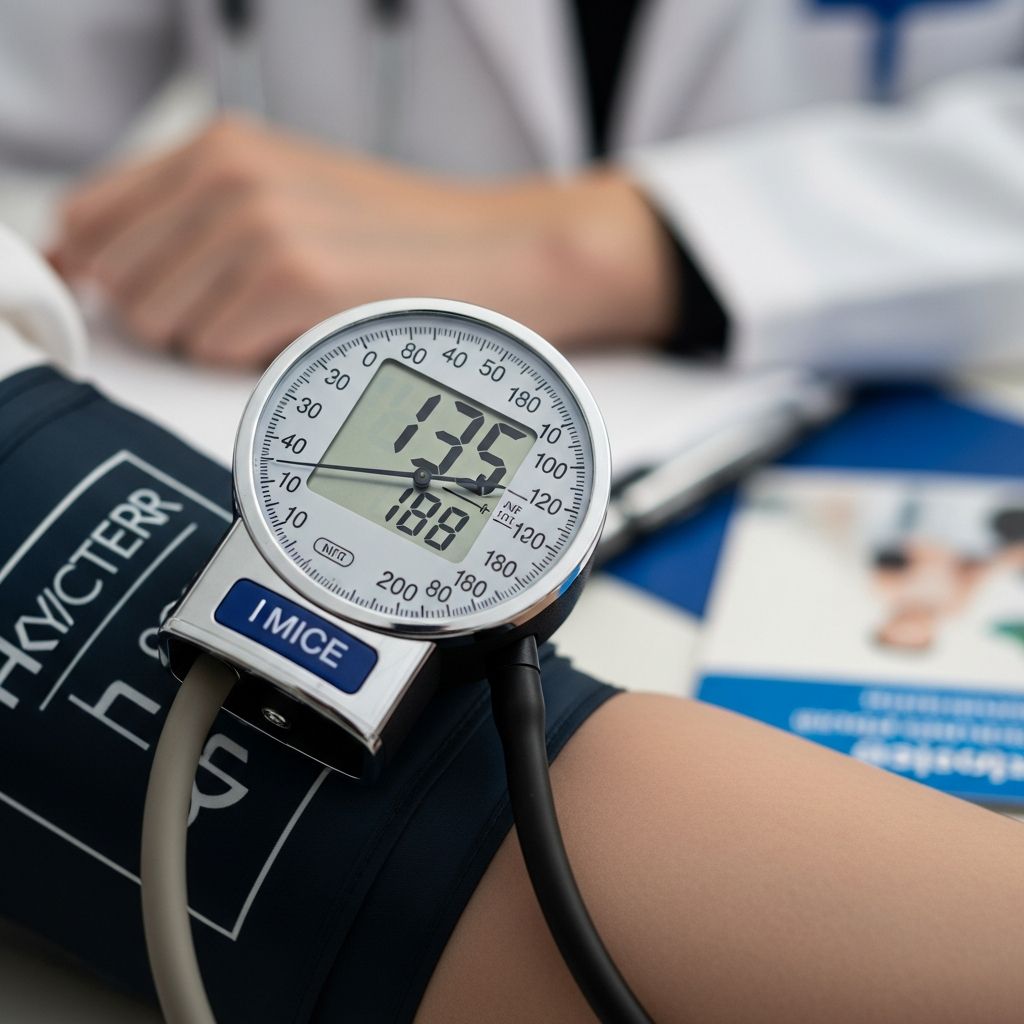
Prehypertension, now commonly referred to as “elevated blood pressure” by the American College of Cardiology and American Heart Association, represents a critical threshold in cardiovascular health that deserves serious attention. This condition occurs when blood pressure readings fall between normal levels and clinically diagnosed hypertension, typically defined as a systolic reading of 120–139 millimeters of mercury (mmHg) or a diastolic reading of 80–89 mmHg. While many individuals with prehypertension may feel perfectly fine and experience no apparent symptoms, this silent condition serves as an important warning signal that cardiovascular risk is escalating. The question of whether prehypertension truly matters has become increasingly important as healthcare providers recognize its role as a gateway stage to more serious hypertensive disease.
What Prehypertension Means for Your Health
Understanding what prehypertension represents requires grasping the fundamental mechanics of blood pressure. Blood pressure measures the force exerted by circulating blood against the walls of blood vessels, particularly arteries. When this force becomes elevated, the delicate tissues lining these vessels experience increased stress and strain. Prehypertension indicates that your cardiovascular system is beginning to work harder than optimal, even though the elevation hasn’t yet reached the diagnostic threshold for hypertension.
The significance of prehypertension lies in its predictive value. Research demonstrates that individuals with elevated blood pressure are substantially more likely to progress to full hypertension within five to ten years without appropriate intervention. This progression is not inevitable, however. Many people with prehypertension can prevent or delay the development of hypertension through lifestyle modifications and behavioral changes. This makes prehypertension a potentially modifiable stage of cardiovascular disease development, offering a critical window for intervention.
Cardiovascular Risks Associated with Prehypertension
Despite the absence of immediate symptoms, prehypertension carries genuine health risks that extend beyond simple progression to hypertension. The elevated pressure continuously stresses arterial walls, promoting the development of atherosclerosis—the buildup of fatty deposits and cholesterol within vessels. This process gradually restricts blood flow and increases cardiovascular strain. Over time, untreated prehypertension significantly increases the risk of several serious conditions:
- Heart attack and acute coronary events
- Ischemic stroke and transient ischemic attacks
- Heart failure and decreased cardiac function
- Chronic kidney disease and renal dysfunction
- Cognitive decline and memory impairment
- Vision problems and retinopathy
Research indicates that even modest elevations in blood pressure contribute meaningfully to cardiovascular event risk across populations. The relationship between blood pressure and cardiovascular disease follows a continuous gradient, meaning that benefits accrue from reductions at any pressure level, not just those reaching formal hypertension thresholds. This underscores that prehypertension definitely matters for long-term health outcomes.
Why Prehypertension Often Goes Undetected
One reason prehypertension frequently remains unaddressed is its asymptomatic nature. Unlike many medical conditions, elevated blood pressure produces no noticeable physical sensations or warning signs in most individuals. People with prehypertension generally feel entirely normal, experience no headaches, dizziness, or chest discomfort, and report no changes in how their bodies function. This silent progression allows the condition to advance unrecognized for years, during which cumulative arterial damage occurs without the individual’s awareness.
Only when blood pressure reaches crisis levels (180/120 mmHg or higher) do symptoms like severe headaches, nosebleeds, or visual disturbances typically appear. This means that routine blood pressure monitoring represents the sole reliable method for detecting prehypertension. Regular screening during healthcare visits, workplace health programs, or home monitoring with validated devices remains essential for identification and early intervention.
Related Stories



Identifying the Causes and Risk Factors
Prehypertension develops through multiple interconnected mechanisms influenced by both modifiable and non-modifiable factors. Understanding these causative elements helps individuals take appropriate preventive action.
Lifestyle and Behavioral Factors
Modifiable lifestyle factors represent the most important contributors to prehypertension development and progression. Physical inactivity stands as a primary culprit, as sedentary behaviors fail to condition the cardiovascular system adequately. Regular exercise strengthens the heart, improving its pumping efficiency and reducing the force necessary for blood circulation. Conversely, sedentary living perpetuates elevated arterial pressure.
Dietary sodium intake plays another critical role. Excess sodium consumption increases blood volume and arterial pressure through osmotic mechanisms. Processed foods, canned soups, packaged meals, and preserved meats typically contain concentrated sodium levels that contribute meaningfully to prehypertension risk. Reducing sodium intake through dietary modification represents one of the most effective interventions.
Substance use significantly impacts blood pressure regulation. Nicotine from smoking and vaping constricts blood vessels through sympathomimetic effects, raising arterial pressure acutely and chronically. Similarly, excessive alcohol consumption impairs vasodilation and elevates blood pressure through multiple mechanisms. Sleep deprivation also contributes substantially, as blood pressure naturally declines during adequate sleep; insufficient sleep prevents this beneficial pressure reduction.
Medical and Genetic Factors
Beyond lifestyle factors, several medical conditions and medications cause secondary hypertension. Kidney disease, thyroid disorders, adrenal gland problems, and obstructive sleep apnea frequently elevate blood pressure. Additionally, certain medications including oral contraceptives, over-the-counter pain relievers containing caffeine, decongestants, and some prescription drugs can raise blood pressure as side effects.
Genetic predisposition influences prehypertension susceptibility considerably. Individuals with family histories of hypertension face substantially elevated risks of developing the condition themselves. Aging naturally tends to increase blood pressure as arterial elasticity diminishes over time, though aging alone doesn’t necessarily cause prehypertension in healthy individuals.
Prevention and Management Strategies
The encouraging news about prehypertension is that it responds remarkably well to lifestyle interventions. Many individuals can normalize blood pressure through behavioral modifications alone, without requiring pharmacological treatment.
Dietary Modifications
The Dietary Approaches to Stop Hypertension (DASH) diet has demonstrated exceptional effectiveness in reducing blood pressure. This eating pattern emphasizes fruits, vegetables, whole grains, lean proteins, and low-fat dairy products while restricting sodium, added sugars, and saturated fats. Research shows the DASH diet can reduce systolic blood pressure by 8–14 mmHg in individuals with elevated readings.
Limiting sodium intake to less than 2,300 mg daily (ideally 1,500 mg) produces measurable blood pressure reductions. Increasing potassium intake through bananas, beans, spinach, and sweet potatoes helps counteract sodium’s blood pressure-raising effects. Reducing caffeine consumption and alcohol intake also contributes to meaningful pressure reductions.
Physical Activity and Exercise
Regular aerobic exercise represents one of the most powerful interventions for lowering blood pressure. Current guidelines recommend at least 150 minutes of moderate-intensity aerobic activity weekly for cardiovascular health. This can be distributed across several sessions of 30–40 minutes. Resistance training performed 2–3 times weekly provides additional cardiovascular benefits. Even modest increases in daily activity—such as walking, gardening, or climbing stairs—contribute to meaningful pressure reductions.
Weight Management
For overweight or obese individuals, losing even 5–10% of body weight produces significant blood pressure reductions. Each kilogram of weight loss associates with approximately 1 mmHg systolic blood pressure reduction. Weight management combines dietary modification with increased physical activity for optimal results.
Stress Management and Sleep
Chronic stress elevates blood pressure through sympathetic nervous system activation. Implementing stress-reduction techniques such as meditation, deep breathing exercises, yoga, or progressive muscle relaxation helps normalize blood pressure responses. Simultaneously, ensuring 7–9 hours of quality sleep nightly proves essential, as sleep deprivation chronically elevates blood pressure and impairs cardiovascular regulation.
Smoking and Substance Cessation
Quitting smoking and vaping immediately benefits blood pressure regulation. Nicotine cessation allows blood vessels to regain normal function and reduces sympathetic nervous system overactivity. Limiting alcohol consumption to no more than one drink daily for women or two for men also supports blood pressure control.
When Medication Becomes Necessary
While lifestyle modifications represent the first-line approach for prehypertension management, some individuals may require pharmacological treatment. Healthcare providers typically consider medication when lifestyle changes prove insufficient after 3–6 months of consistent effort, or when prehypertension coexists with other cardiovascular risk factors such as diabetes, chronic kidney disease, or established coronary artery disease.
Several medication classes effectively treat elevated blood pressure, including ACE inhibitors, angiotensin II receptor blockers, beta-blockers, calcium channel blockers, and diuretics. Individual selection depends on patient-specific factors, comorbidities, and medication tolerability.
Monitoring Blood Pressure Effectively
Accurate blood pressure monitoring enables appropriate management and tracks intervention effectiveness. Healthcare providers recommend obtaining readings on at least two separate occasions before establishing a prehypertension diagnosis. Regular monitoring—either through healthcare office visits or home blood pressure devices—allows detection of improvement from lifestyle modifications or medication adjustments.
Home blood pressure monitoring offers particular advantages, including convenience, reduced “white coat” effects where office settings artificially elevate readings, and longitudinal tracking. Validated automated devices prove more reliable than manual measurements for most users. Maintaining a monitoring log helps identify patterns and trends over time.
The Long-Term Significance of Prehypertension
Evidence increasingly demonstrates that prehypertension predicts future cardiovascular events even when it never progresses to clinical hypertension. This means the importance of prehypertension extends beyond its role as a precursor stage; it represents genuine cardiovascular risk warranting proactive management. Approximately one in five American adults currently has prehypertension, making it an important public health concern.
The cardiovascular damage from prehypertension occurs insidiously over months and years. Persistent elevated pressure promotes atherosclerotic plaque formation, left ventricular hypertrophy, endothelial dysfunction, and arterial stiffening. These pathological changes progress silently while individuals feel completely normal, making early intervention critically important for preventing irreversible damage.
Frequently Asked Questions
Q: Can prehypertension cause any symptoms?
A: No, prehypertension typically causes no noticeable symptoms. This asymptomatic nature makes regular blood pressure screening essential for early detection.
Q: Will prehypertension definitely progress to hypertension?
A: Not necessarily. With consistent lifestyle modifications including dietary changes, regular exercise, weight management, and stress reduction, many individuals prevent or significantly delay progression to hypertension.
Q: How often should I have my blood pressure checked if I have prehypertension?
A: Healthcare providers typically recommend blood pressure checks at least annually for those with prehypertension. More frequent monitoring may be appropriate based on individual risk factors and response to interventions.
Q: Can young people have prehypertension?
A: Yes, prehypertension can develop at any age. Younger individuals with prehypertension benefit particularly from aggressive lifestyle interventions, as early intervention may prevent decades of hypertension-related disease.
Q: Is prehypertension different from hypertension stage 1?
A: Terminology has evolved. Prehypertension is now often called “elevated blood pressure,” while stage 1 hypertension refers to systolic readings of 130–139 or diastolic readings of 80–89. Current guidelines emphasize a continuum of cardiovascular risk rather than distinct categories.
Q: What happens if I ignore prehypertension?
A: Without intervention, prehypertension increases risks for heart attack, stroke, heart failure, kidney disease, and cognitive decline. Early management through lifestyle modifications can prevent or delay these serious conditions.
References
- Prehypertension: What It Means, Measurement, Causes, Treatment — Healthline. 2024. https://www.healthline.com/health/high-blood-pressure-hypertension/prehypertension
- Pre-hypertension: What it is, causes, symptoms & more — Medical News Today. 2024. https://www.medicalnewstoday.com/articles/pre-hypertension
- Prehypertension — National Center for Biotechnology Information (NCBI). https://www.ncbi.nlm.nih.gov/books/NBK538313/
- Prehypertension: Lowering Blood Pressure — Baptist Health. https://www.baptisthealth.com/care-services/conditions-treatments/prehypertension
- Prehypertension: Are You at Risk? — WebMD. https://www.webmd.com/hypertension-high-blood-pressure/prehypertension-are-you-at-risk
- Elevated blood pressure – Symptoms & causes — Mayo Clinic. 2024. https://www.mayoclinic.org/diseases-conditions/prehypertension/symptoms-causes/syc-20376703
Similar Articles








Read full bio of Sneha Tete