Premature Birth: Causes, Symptoms & Complications
Understanding premature birth: risks, causes, and how medical advances support newborn health.

Understanding Premature Birth
Premature birth, also known as preterm birth, occurs when a baby is born before 37 weeks of pregnancy. This condition represents a significant health concern, as the final weeks of pregnancy are crucial for organ development and maturation. The earlier a baby is born, the greater the potential health risks they may face. While advances in medical technology have dramatically improved outcomes for premature infants, understanding the causes, complications, and available treatments remains essential for expectant parents and healthcare providers.
A full-term pregnancy typically lasts 39 weeks or longer, and research demonstrates that infants born after 39 weeks are significantly less likely to require neonatal intensive care. When babies arrive between 37 and 39 weeks, healthcare providers classify this as early term rather than prematurity, though these infants still warrant careful monitoring.
How Premature Birth Develops
Multiple factors can trigger premature labor and delivery. Understanding these causes helps healthcare providers identify at-risk pregnancies and implement appropriate interventions to prolong gestation when possible. Preterm labor occurs when labor begins before 37 weeks of pregnancy, and while it doesn’t always result in premature birth, it significantly increases that risk.
In some clinical situations, healthcare providers may intentionally deliver a baby early due to serious maternal or fetal complications. Conditions such as preeclampsia (elevated blood pressure during pregnancy), placental abruption (premature separation of the placenta), or fetal growth restriction may necessitate early delivery to protect both mother and baby. However, when preterm labor begins spontaneously without medical indication for immediate delivery, physicians often attempt to stop or delay labor progression using various therapeutic approaches.
Why Premature Birth Poses Health Risks
A premature baby hasn’t had sufficient time to fully develop in the uterus. Critical organs—including the brain, lungs, and liver—continue growing and maturing throughout the final weeks of pregnancy. This incomplete development means certain organ systems and body functions may not be adequately prepared to support independent life outside the womb.
The consequences of prematurity vary based on gestational age at birth. Infants born at 34-35 weeks, for instance, have brains that are only approximately two-thirds the size of full-term infants in both structure and maturity. This developmental gap puts these babies at elevated risk for cerebral palsy and developmental delays as they grow. Additionally, late preterm infants—those born between 35 and 37 weeks—experience markedly high rates of serious complications despite their relatively advanced gestational age.
Common Health Complications in Premature Infants
Premature babies face a range of immediate and long-term health challenges. The most prevalent complications include:
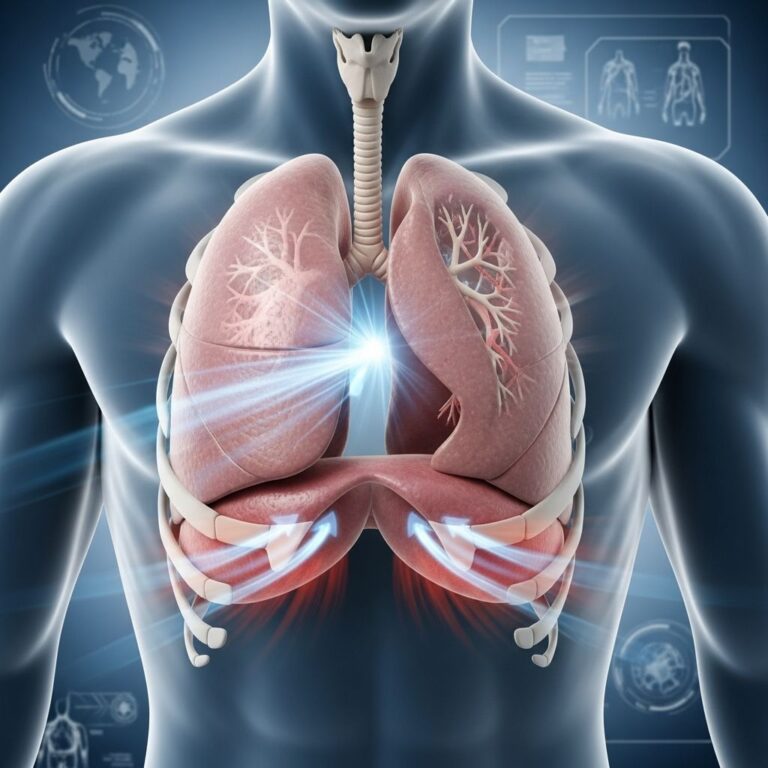
Respiratory Distress: The lungs are among the last organs to mature during pregnancy. Premature infants often lack sufficient surfactant, a substance that helps lungs expand and function properly, leading to breathing difficulties that may require mechanical ventilation support.
Temperature Instability: Premature babies struggle to maintain body temperature due to immature temperature-regulation systems and lower body fat reserves. Late preterm infants face particularly high hypothermia risk. Healthcare providers typically place these infants in controlled thermal environments to maintain core body temperature.
Related Stories



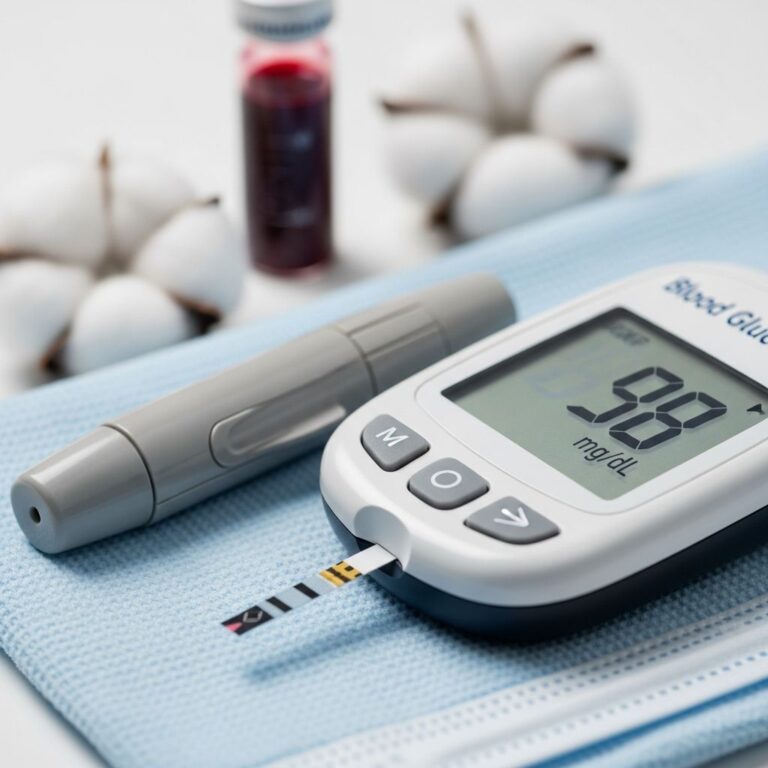
Hypoglycemia: Low blood sugar occurs frequently in premature infants because their metabolic systems haven’t fully developed. Late preterm newborns carry substantially elevated hypoglycemia risk. Regular monitoring and supplemental nutrition prevent dangerous drops in blood glucose levels.
Hyperbilirubinemia and Jaundice: Many premature infants develop jaundice, a yellowing of skin and eyes caused by elevated bilirubin levels. Late preterm infants show markedly increased jaundice incidence. Phototherapy or other interventions may be necessary to reduce bilirubin to safe levels.
Feeding Difficulties: Coordination of sucking, swallowing, and breathing—skills that develop near term—may be impaired in premature infants. These babies often require tube feeding initially, with gradual progression to bottle or breast feeding as their systems mature.
Apnea: Premature infants may experience episodes where breathing temporarily stops (apnea), requiring monitoring and sometimes medication or mechanical support.
Increased Readmission Rates: Studies reveal that late preterm infants face substantially elevated odds of hospital readmission following initial discharge. Follow-up care and parental vigilance are essential during this vulnerable period.
Long-term Developmental Concerns: Beyond immediate complications, premature infants are at higher risk of chronic respiratory, cardiac, renal, and endocrine system disorders extending into later life.
Special Considerations for Late Preterm Infants
Infants born between 35 and 37 weeks—classified as late preterm—comprise approximately 70% of preterm deliveries in the United States. Despite their relatively mature appearance and weight, these infants are sometimes overlooked due to their size similarity to full-term babies. However, those crucial final weeks in utero are essential for critical organ development.
Late preterm infants experience a markedly elevated mortality risk not only during the first month of life but throughout the entire first year compared to full-term infants. This extended vulnerability period underscores the importance of comprehensive monitoring and specialized care protocols for this population.
Hospital protocols typically admit infants born before 35 weeks to special care nurseries automatically. However, late preterm neonates without additional complications may be admitted to standard newborn nurseries but receive intensive observation to detect emerging problems. During hospitalization, lactation consultants address feeding challenges, and multidisciplinary care teams educate parents about potential complications while emphasizing the importance of prompt pediatric follow-up.
Neonatal Intensive Care (NICU) Support
Premature babies often require specialized care in a Neonatal Intensive Care Unit (NICU) before discharge home. After delivery, a neonatologist evaluates the premature infant to determine the appropriate level of care needed. The NICU provides continuous monitoring, advanced life support technologies, and specialized expertise to help premature infants overcome their developmental challenges.
Healthcare systems like Cleveland Clinic operate Level IV NICUs—the highest level of neonatal care—equipped with state-of-the-art technology and extensive staffing. These facilities care for newborns with the most complex medical conditions, employing teams of neonatal specialists, respiratory therapists, nurses, and other professionals dedicated to supporting these vulnerable patients.
Medical Interventions for Preterm Labor
When preterm labor begins, healthcare providers work to stop or slow labor progression whenever medically appropriate. Treatments to prevent premature birth include bed rest, intravenous fluids, and medications designed to relax the uterus and suppress contractions. Additionally, medications can be administered to accelerate fetal lung development if early delivery becomes unavoidable, improving the baby’s respiratory function after birth.
If you experience signs of premature labor before 36 weeks—including four or more uterine contractions or tightening, vaginal bleeding, or fluid leakage—seek immediate medical evaluation. Healthcare providers will monitor your heart rate, check your temperature, place a monitor on your abdomen to assess the baby’s heart rate and uterine contractions, and examine your cervix for dilation. Depending on findings, you may receive labor-stopping medications or, if labor has progressed beyond intervention, proceed with delivery.
Modern Medical Advances Supporting Premature Infants
Significant technological and pharmacological advances have dramatically transformed outcomes for premature babies. Surfactant replacement therapy, mechanical ventilation, continuous positive airway pressure (CPAP), and other respiratory support technologies help premature infants with underdeveloped lungs breathe effectively. Improved nutrition protocols, including specially formulated feeds designed for premature infant physiology, support optimal growth and development.
Thermal management technologies maintain appropriate body temperature, while sophisticated monitoring systems detect complications early, enabling rapid intervention. Kangaroo care—skin-to-skin contact between infant and caregiver—has emerged as a valuable therapeutic practice, promoting thermoregulation, bonding, and developmental well-being.
These advances mean that a premature baby, despite early arrival, can overcome initial obstacles and develop into a healthy, thriving child. Survival and healthy outcomes for even extremely premature infants have improved substantially over recent decades, with continued research promising further enhancements.
Life After Premature Birth
The impact of premature birth extends beyond the neonatal period. Adults with a history of prematurity demonstrate increased vulnerability to various health conditions. Research has identified lifelong changes in eye structure and vascularity among preterm birth survivors, detectable through advanced imaging techniques, and these individuals face elevated risks of glaucoma, retinal tears, and retinal detachment in adulthood.
Long-term follow-up care, developmental monitoring, and age-appropriate health screening help identify and address complications as they emerge. Many premature infants, when provided with appropriate medical care and support, achieve typical developmental milestones and enjoy healthy, productive lives.
Frequently Asked Questions
What exactly is considered premature birth?
Premature or preterm birth occurs when a baby is born before 37 weeks of pregnancy. A full-term pregnancy lasts 39 weeks or longer, and babies born between 37-39 weeks are classified as early term rather than premature.
How serious are the health risks associated with premature birth?
Health risks increase with earlier delivery. Common complications include breathing problems, temperature regulation difficulties, low blood sugar, jaundice, feeding challenges, and developmental delays. The earlier the birth, generally the more serious the potential health risks.
What is a NICU and why do premature babies need it?
A Neonatal Intensive Care Unit (NICU) is a specialized hospital facility equipped with advanced technology and expert staff to care for premature and ill newborns. Premature babies need NICU care because their organ systems haven’t fully developed and require continuous monitoring and specialized medical support. Level IV NICUs provide the highest level of care for the most critically ill newborns.
Can premature labor be stopped?
Yes, premature labor can often be stopped or delayed using medications that relax the uterus, bed rest, and intravenous fluids. These interventions give the fetus additional time to grow and develop in the uterus, improving outcomes. However, if labor has progressed significantly or medical complications necessitate delivery, stopping labor may not be possible or advisable.
What follow-up care is needed after a premature baby comes home?
Premature infants require close pediatric follow-up with the first appointment scheduled before hospital discharge. Healthcare providers monitor growth, developmental progress, and screen for long-term complications. Parents receive education about recognizing warning signs, and late preterm infants face particularly elevated readmission risks requiring vigilant observation.
Do babies born prematurely catch up developmentally?
Many premature infants do catch up developmentally, particularly with appropriate medical care and support. However, those born very early or with significant complications may experience lasting developmental delays or neurological conditions like cerebral palsy. Ongoing developmental monitoring and early intervention services help identify and address delays.
What long-term health issues can result from premature birth?
Premature birth survivors may face chronic respiratory, cardiac, renal, and endocrine system disorders throughout life. Some adults born prematurely have structural eye changes and increased risk of retinal problems requiring specialized surgical management. Regular health screening and preventive care help manage these long-term vulnerabilities.
References
- Best Practices in the Care of Late Preterm Infants — Cleveland Clinic Consult QD. 2024. https://consultqd.clevelandclinic.org/best-practices-in-the-care-of-late-preterm-infants
- Preterm Birth: Premature, Causes, Symptoms & Complications — Cleveland Clinic. 2024. https://my.clevelandclinic.org/health/diseases/21479-premature-birth
- Preterm Labor: Causes, Symptoms, Treatment & Prevention — Cleveland Clinic. 2024. https://my.clevelandclinic.org/health/diseases/4498-premature-labor
- OCT-A Can Reveal Biomarkers of Preterm Birth in Adults — Cleveland Clinic Consult QD. 2024. https://consultqd.clevelandclinic.org/oct-and-oct-a-can-reveal-biomarkers-of-preterm-birth-in-adults
- Pediatric Neonatology (NICU) — Cleveland Clinic Children’s. 2024. https://my.clevelandclinic.org/pediatrics/departments/neonatology
- Long-term Consequences of Prematurity — Cleveland Clinic Journal of Medicine, Vol. 87, No. 12. 2020. https://www.ccjm.org/content/87/12/759
- The Right Touch: The Role of Therapeutic Contact and Skin Protection in Premature Infants — Cleveland Clinic Consult QD. 2024. https://consultqd.clevelandclinic.org/the-right-touch-the-role-of-therapeutic-contact-and-skin-protection-in-premature-infants
Similar Articles








Read full bio of medha deb