Premature Ejjaculation: Causes, Diagnosis & Treatment
Understanding premature ejaculation: comprehensive guide to causes, diagnosis, and effective treatment options.

Understanding Premature Ejaculation
Premature ejaculation (PE) is a type of sexual dysfunction that occurs when a person with a penis has an orgasm and ejaculates sooner than they or their partner would like during sexual activity. It often happens before or shortly after penetration during intercourse. This condition can be a frustrating experience for both you and your sexual partner and may significantly impact the enjoyment of your intimate relationships.
Premature ejaculation is one of the most common sexual dysfunctions in people with a penis, affecting between 30% and 40% of individuals at some point in their lives. Approximately 1 in 5 people between the ages of 18 and 59 report experiencing premature ejaculation. Despite its prevalence, many people find it difficult to discuss this condition with healthcare providers, yet it remains highly treatable with the right approach.
What Constitutes Premature Ejaculation?
Many healthcare providers define premature ejaculation as ejaculating within one minute of beginning intercourse. However, the exact timing for premature ejaculation varies considerably among individuals and couples. Most healthcare organizations consider ejaculation “premature” when it occurs consistently earlier than desired by either partner.
The International Society for Sexual Medicine (ISSM) describes three key components that characterize premature ejaculation:
- The time between penetration and ejaculation is shorter than desired
- The individual feels unable to control when ejaculation occurs
- There are feelings of distress associated with the condition
It’s important to note that the desired timeframe for sexual activity varies significantly from couple to couple. Some partners may be satisfied with two minutes of penetration, while others may prefer five minutes or more. As long as both partners feel satisfied with their sexual experience, there is no “right” or “wrong” duration.
Types of Premature Ejaculation
Healthcare providers recognize several distinct types of premature ejaculation based on when symptoms began and how they present:
Lifelong PE
Lifelong premature ejaculation occurs when a man ejaculates within the first two minutes of penetrative sex, has trouble controlling ejaculation, and experiences distress. This condition has been present since his first sexual experience with intercourse.
Acquired PE
Acquired premature ejaculation develops after a man has had some sexual experience. Previously, ejaculatory control was not a problem, but now he ejaculates before he wishes to, has trouble controlling ejaculation, and experiences distress related to the condition.
Other Variations
Additional types include ante portas ejaculation (ejaculation before penetration starts), natural variable PE (early ejaculations that occur inconsistently), and subjective PE (where men believe they ejaculate earlier than others, though the timing may be within five minutes or more).
What Causes Premature Ejaculation?
Premature ejaculation typically stems from a combination of emotional, psychological, and physical factors. Understanding the underlying cause is essential for determining the most effective treatment approach.
Related Stories



Psychological and Emotional Causes
Anxiety and psychological factors are the most common causes of premature ejaculation. These include:
- Performance anxiety and nervousness about sexual function
- Stress from work, finances, or personal relationships
- Depression and other mood disorders
- Relationship problems or communication difficulties
- Past sexual trauma or negative experiences
- Low self-esteem or body image concerns
Many cases of premature ejaculation improve significantly when these underlying emotional concerns are addressed through counseling or behavioral therapy.
Physical and Chemical Causes
Physical and chemical factors that may contribute to premature ejaculation include:
- Extra sensitive penile skin, which is a common physical cause
- Prostate problems, including inflammation or infection
- Thyroid disorders affecting hormone balance
- Hormonal imbalances or chemical imbalances in the body
- Use of recreational drugs or excessive alcohol consumption
- Underlying erectile dysfunction
It’s important to note that premature ejaculation isn’t typically due to an underlying penile disorder, disease, infection, or problem with your reproductive organs. In most cases, everything is working as it should, and the problem originates from stress, nervousness, and anxiety rather than physical pathology.
Diagnosis of Premature Ejaculation
Diagnosing premature ejaculation begins with a thorough conversation between you and your healthcare provider about your sexual history and concerns. Your provider will ask questions about when the problem started, how frequently it occurs, whether it happens with all partners or in specific situations, and how much distress it causes you.
Only your healthcare provider can make an accurate diagnosis of premature ejaculation. They will assess whether the condition meets the clinical criteria and determine whether any underlying health conditions may be contributing factors.
Testing and Evaluation
Lab tests are usually not necessary unless your healthcare provider suspects that an underlying health condition is contributing to the problem. If your provider suspects conditions such as thyroid disorders, hormonal imbalances, or prostate problems, they may order appropriate blood tests or imaging studies. However, most cases of premature ejaculation can be diagnosed through clinical assessment alone.
Your provider will also want to determine if you have erectile dysfunction, as there is a connection between these two conditions. If both conditions are present, treating the erectile dysfunction first may help improve premature ejaculation symptoms.
Treatment Options for Premature Ejaculation
There are many different treatment options for premature ejaculation depending on the underlying cause. Most causes are initially treated with behavioral therapy and counseling to address emotional concerns, performance anxiety, or stressors that may be contributing. You can try more than one treatment approach simultaneously, and in fact, combinational therapy may be more effective than any single treatment alone.
Behavioral Therapy and Techniques
Behavioral techniques have been the mainstay of premature ejaculation treatment and include strategies to decrease sensory input or help you gain better control over ejaculation.
The Start-Stop Technique: During sexual intercourse, stop any sexual action if you feel ejaculation coming. This will help lower your excitement level and delay ejaculation. Once you feel that you are no longer close to ejaculation, you can resume sexual activity. This technique requires communication with your partner and practice over time.
The Pause-Squeeze Technique: When you feel that you are about to ejaculate, pause all sexual activities. You or your partner can then gently squeeze the end of your penis to prevent ejaculation. Concentrate the squeeze on the part of the penis where the head meets the shaft. This technique is similar to the start-stop method but adds a physical component that may be more effective for some individuals.
Counseling and Psychological Support
Counseling can be highly effective in addressing the emotional and psychological factors contributing to premature ejaculation. A therapist or counselor can help you:
- Reduce performance anxiety and nervousness
- Address relationship problems or communication issues
- Work through past sexual trauma or negative experiences
- Develop coping strategies for stress management
- Improve overall sexual communication with your partner
Many healthcare organizations recommend counseling as a first-line treatment, particularly when psychological factors are identified as the primary cause.
Medications
Several medication options may help treat premature ejaculation when behavioral therapy and counseling alone are insufficient.
Antidepressants: Your provider might prescribe tricyclic antidepressants such as clomipramine (Anafranil®) or selective serotonin reuptake inhibitors (SSRIs). These medications can help delay ejaculation as a secondary effect and have been shown to improve premature ejaculation symptoms in many individuals.
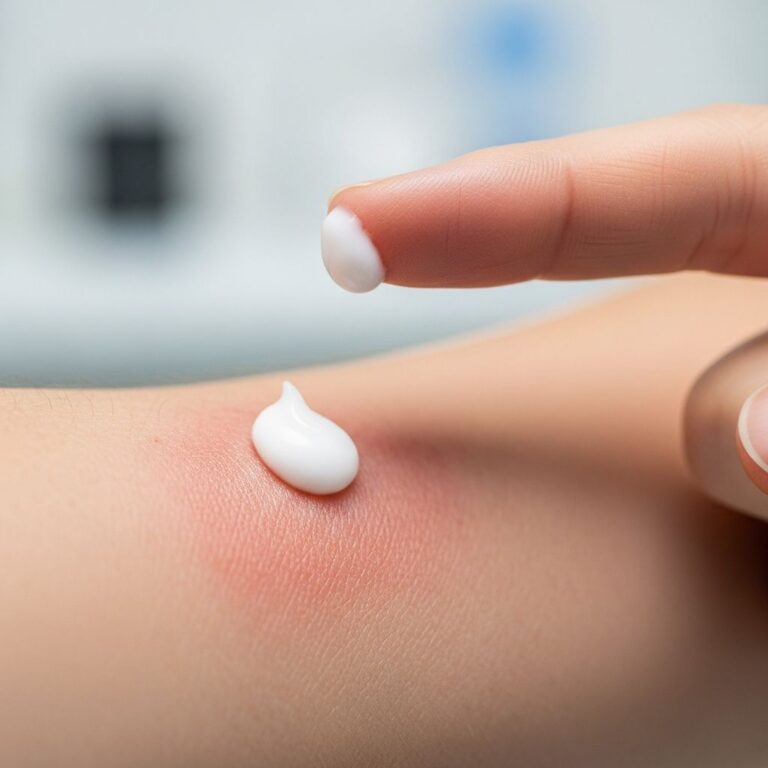
Anesthetic Creams and Sprays: Anesthetic (numbing) creams and sprays that you apply to the head and shaft of your penis are another potential first-line medication option to delay ejaculation. Your penis absorbs the anesthetic cream or spray in about 10 to 30 minutes. It causes you to experience less sensitivity in your penis, which can help delay orgasm. It is important to wash your penis before sex to prevent numbness to your partner’s genitals.
Erectile Dysfunction Medications: Erectile dysfunction medications, which include sildenafil (Viagra®), tadalafil (Cialis®), vardenafil (Levitra®), and avanafil (Stendra®), may help treat premature ejaculation, particularly in people with underlying erectile dysfunction. These phosphodiesterase type 5 inhibitors can improve erectile function and may indirectly help with ejaculatory control.
Other Medications: In certain cases, your provider may prescribe tramadol, an opiate medication, though this is typically reserved for cases that haven’t responded to other treatments.
Important Considerations About Treatment
While drinking alcoholic beverages can delay orgasm temporarily, it is not a recommended treatment for premature ejaculation. Alcohol can have negative effects on overall health and sexual function over time, and relying on alcohol as a treatment is not advisable.
Getting to the root cause of premature ejaculation is the first step in finding the best treatment. Sometimes, treating the underlying cause—like depression, hormonal disorders, or relationship problems—can be all you need to stop ejaculating early. This is why thorough evaluation by a healthcare provider is so important.
When to Seek Medical Help
Premature ejaculation is often easily treated with a few simple steps, so it’s important to see your provider if you’re experiencing this condition. Although it may feel uncomfortable to talk about sexual problems, know that your healthcare providers want you and your partner to have a satisfying sex life. Your healthcare providers can come up with an individualized plan to treat your premature ejaculation based on your specific situation and needs.
Remember that premature ejaculation is a common problem, and you are not alone in experiencing it. Millions of people worldwide deal with this condition, and effective treatments are available. Taking the first step to discuss this with a healthcare provider is an important part of addressing the issue and improving your sexual health and quality of life.
Frequently Asked Questions
Q: How common is premature ejaculation?
A: Premature ejaculation affects between 30% and 40% of people with a penis, making it the most common type of sexual dysfunction in this population. Approximately 1 in 5 people between the ages of 18 and 59 report experiencing premature ejaculation at some point in their lives.
Q: Is premature ejaculation caused by a physical problem with my penis?
A: Premature ejaculation typically isn’t caused by an underlying penile disorder, disease, infection, or problem with your reproductive organs. In most cases, everything is working as it should, and the problem comes from psychological factors like stress, nervousness, and anxiety, though some physical factors like penile sensitivity or prostate issues can contribute.
Q: Can premature ejaculation be treated?
A: Yes, premature ejaculation is highly treatable. Treatment options include behavioral therapy, counseling, medications (including antidepressants and topical anesthetics), and techniques like the start-stop or pause-squeeze methods. The best approach depends on the underlying cause and may involve combining multiple treatment strategies.
Q: Should I be embarrassed to discuss premature ejaculation with my doctor?
A: No, premature ejaculation is a common condition that healthcare providers encounter regularly. Your providers want you and your partner to have a satisfying sex life and are equipped to help you address this issue confidently and professionally.
Q: Is there a connection between premature ejaculation and erectile dysfunction?
A: Yes, there is a connection between these two conditions. Your urologist will want to determine if you have erectile dysfunction and, if so, may treat that first, as this can sometimes improve premature ejaculation symptoms.
Q: How do the start-stop and pause-squeeze techniques work?
A: The start-stop technique involves pausing sexual activity when you feel ejaculation approaching to lower your excitement level. The pause-squeeze technique is similar but adds a gentle squeeze at the base of the penis where the head meets the shaft. Both techniques require practice and communication with your partner.
References
- Premature Ejaculation: Causes, Diagnosis & Treatment — Cleveland Clinic. 2025. https://my.clevelandclinic.org/health/diseases/15627-premature-ejaculation
- Identifying and Treating Premature Ejaculation: Importance of the Sexual History — Cleveland Clinic Journal of Medicine, Vol. 74, No. 5. 2007. https://www.ccjm.org/content/74/5_suppl_3/S47
- Premature Ejaculation — Center for Advanced Urology. 2025. https://www.centerforadvancedurology.com/patient-education/premature-ejaculation/
- Ejaculation: How It Works, Complications & Disorders — Cleveland Clinic. 2025. https://my.clevelandclinic.org/health/articles/24973-ejaculation
- Premature Ejaculation in Older Men: Causes and Treatment Options — Men’s Health Clinic. 2025. https://menshealthclinic.com/au/resource/premature-ejaculation-in-older-men-causes-and-treatment-options/
Similar Articles








Read full bio of medha deb