Premenstrual Syndrome: Comprehensive Guide To Relief
Understand PMS symptoms, underlying causes, and proven strategies for effective relief and better menstrual cycle management.
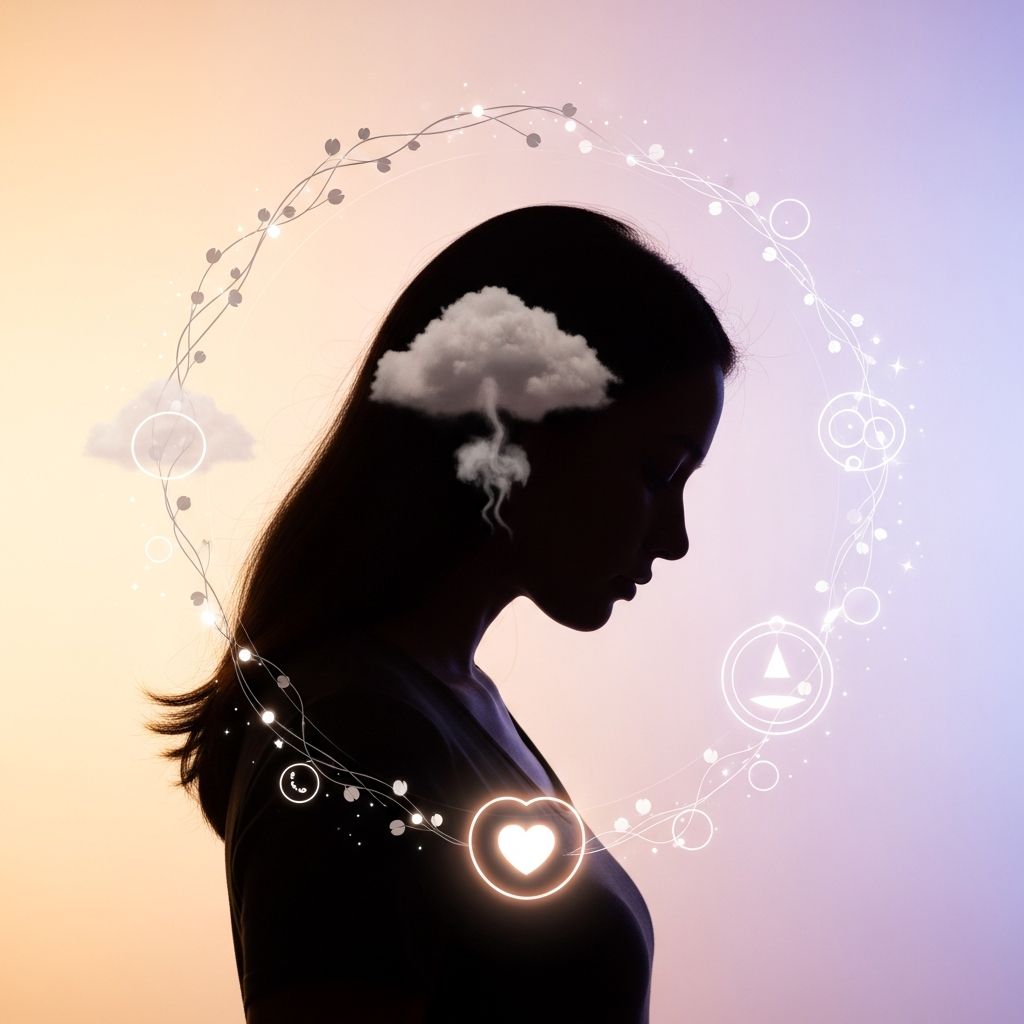
Premenstrual syndrome affects a significant number of menstruating individuals, manifesting through a range of physical and emotional disruptions in the days leading up to menstruation. These symptoms typically resolve once the period begins, but their intensity can vary widely, impacting daily life for many.
Recognizing the Signs of PMS
The hallmark of premenstrual syndrome lies in its predictable timing, emerging during the luteal phase of the menstrual cycle—after ovulation and before menstruation. Common indicators include emotional volatility such as irritability, anxiety, tearfulness, and low mood, alongside physical complaints like bloating, breast tenderness, headaches, and fatigue.
- Emotional symptoms: Mood swings, heightened sensitivity, and feelings of overwhelm often dominate, with some experiencing depressive episodes.
- Physical symptoms: Abdominal cramps, back pain, food cravings, and sleep disturbances frequently accompany the emotional shifts.
- Severity spectrum: While mild cases may cause minor inconveniences, severe manifestations can interfere with work, relationships, and overall well-being.
Tracking symptoms over several cycles using a journal or app helps confirm PMS, distinguishing it from other conditions with overlapping features.
Hormonal and Neurochemical Factors Behind PMS
Fluctuations in estrogen and progesterone drive many PMS experiences, influencing brain chemistry and stress responses. Progesterone’s metabolite, allopregnanolone, modulates GABA receptors, but sensitivity variations may lead to impaired adaptation, exacerbating symptoms.
Serotonin dysregulation plays a key role, with studies showing increased serotonin uptake premenstrually in affected individuals, correlating with worsened mood. Stress axis alterations, including hypothalamic-pituitary-adrenal (HPA) suppression by neurosteroids, further contribute to vulnerability.
| Factor | Role in PMS | Evidence |
|---|---|---|
| Hormonal fluctuations | Estrogen and progesterone shifts affect CNS adaptation | Prevented by ovulation suppression |
| Serotonin changes | Increased transporter activity premenstrually worsens depression | SSRIs alleviate by boosting synaptic serotonin |
| Allopregnanolone | GABA enhancement but maladaptation in sensitive individuals | Linked to anxiety and mood symptoms |
These mechanisms explain why symptoms cluster cyclically, with genetic and environmental factors influencing susceptibility.
Lifestyle Strategies for Symptom Management
Non-pharmacological approaches form the foundation of PMS care, offering accessible relief without side effects. Regular aerobic exercise, aiming for 30 minutes most days, reduces bloating and elevates mood via endorphin release.
- Dietary tweaks: Limit salt, caffeine, sugar, and alcohol in the luteal phase to curb bloating and irritability; prioritize complex carbs, fruits, and vegetables.
- Sleep hygiene: Consistent 7-9 hours nightly combats fatigue and emotional instability.
- Stress reduction: Techniques like yoga, meditation, or deep breathing mitigate HPA axis overactivity.
Supplements show promise: Calcium (1,200 mg daily) eases both physical and mood issues, while magnesium may target cramps. Always consult a provider before starting.
Medical Interventions for Persistent Symptoms
When lifestyle measures fall short, targeted therapies address root causes. Nonsteroidal anti-inflammatory drugs (NSAIDs) like ibuprofen provide quick relief for pain, cramps, and headaches, though long-term use requires monitoring for gastrointestinal risks.
Hormonal contraceptives suppress ovulation, stabilizing hormone levels and alleviating physical symptoms in many, though emotional effects vary—trial of types may be needed.
Antidepressants as First-Line for Mood Dominance
Selective serotonin reuptake inhibitors (SSRIs) excel for emotional symptoms, recommended by guidelines for moderate-to-severe cases. Intermittent dosing (luteal phase only) matches the cyclic nature, with 60-90% response rates versus 30-40% placebo.
Related Stories



- Fluoxetine (10-20 mg): Pilot trials report over 40% emotional symptom reduction in 70% of users.
- Other options: Sertraline or paroxetine, tailored to tolerance.
For premenstrual dysphoric disorder (PMDD)—a severe PMS variant affecting a minority—SSRIs remain cornerstone, often with rapid onset.
Advanced Hormonal and Alternative Options
GnRH agonists or progestogen additions induce a stable hormonal milieu but mimic menopause, necessitating add-back therapy to prevent bone loss. Estrogen patches/gels, paired with progestogen, improve symptoms but require contraception.
Diuretics tackle bloating; anti-anxiety agents offer as-needed support. Cognitive behavioral therapy (CBT) equips coping skills, proven effective alongside meds.
Differentiating PMS from Related Conditions
PMS mimics perimenopause, thyroid issues, depression, or endometriosis. PMDD, distinguished by profound mood disruption, warrants specialized care.
- Red flags: Symptoms persisting post-period, irregular cycles, or severe pain signal further evaluation.
- Comorbidities: Migraines, seizures, or asthma may intensify premenstrually.
Professional assessment via symptom diaries and exams ensures accurate diagnosis.
Long-Term Outlook and Prevention
PMS often lessens post-pregnancy or menopause, but proactive management sustains quality of life. Combined lifestyle-pharmacological plans yield best outcomes, personalized via monitoring.
Education empowers: Sharing experiences reduces isolation, while routine check-ins track progress.
Frequently Asked Questions
Can PMS be prevented entirely?
No universal prevention exists, but lifestyle consistency and early intervention minimize occurrences.
Is PMS the same as PMDD?
PMDD represents severe PMS with marked mood impairment; SSRIs treat both effectively.
How long do PMS symptoms last?
Typically 5-11 days luteal phase, resolving at menstruation onset.
Are supplements safe for PMS?
Calcium and magnesium aid many; consult providers to avoid interactions.
Does birth control always help PMS?
It reduces physical symptoms for most but may worsen mood in some—experimentation key.
This guide synthesizes evidence-based insights for informed PMS navigation, emphasizing individualized care.
References
- Premenstrual syndrome: new insights into etiology and review of treatment — PMC/NCBI. 2024. https://pmc.ncbi.nlm.nih.gov/articles/PMC11075635/
- Premenstrual Syndrome — MedlinePlus/U.S. Dept. of Health and Human Services. 2023-10-12. https://medlineplus.gov/premenstrualsyndrome.html
- Premenstrual Syndrome (PMS) — ACOG (American College of Obstetricians and Gynecologists). 2023. https://www.acog.org/womens-health/faqs/premenstrual-syndrome
- Premenstrual Syndrome (PMS): Symptoms & Treatment — Cleveland Clinic. 2023-08-07. https://my.clevelandclinic.org/health/diseases/24288-pms-premenstrual-syndrome
- Premenstrual Syndrome (PMS) — Children’s Hospital of Philadelphia. 2023. https://www.chop.edu/conditions-diseases/premenstrual-syndrome-pms
- Managing premenstrual syndrome (PMS) — RCOG (Royal College of Obstetricians and Gynaecologists). 2022-11. https://www.rcog.org.uk/for-the-public/browse-our-patient-information/managing-premenstrual-syndrome-pms/
Similar Articles








Read full bio of medha deb