Premenstrual Syndrome (PMS): Symptoms & Treatment
Understanding PMS: Recognize symptoms and discover effective treatment options for relief.
What Is Premenstrual Syndrome (PMS)?
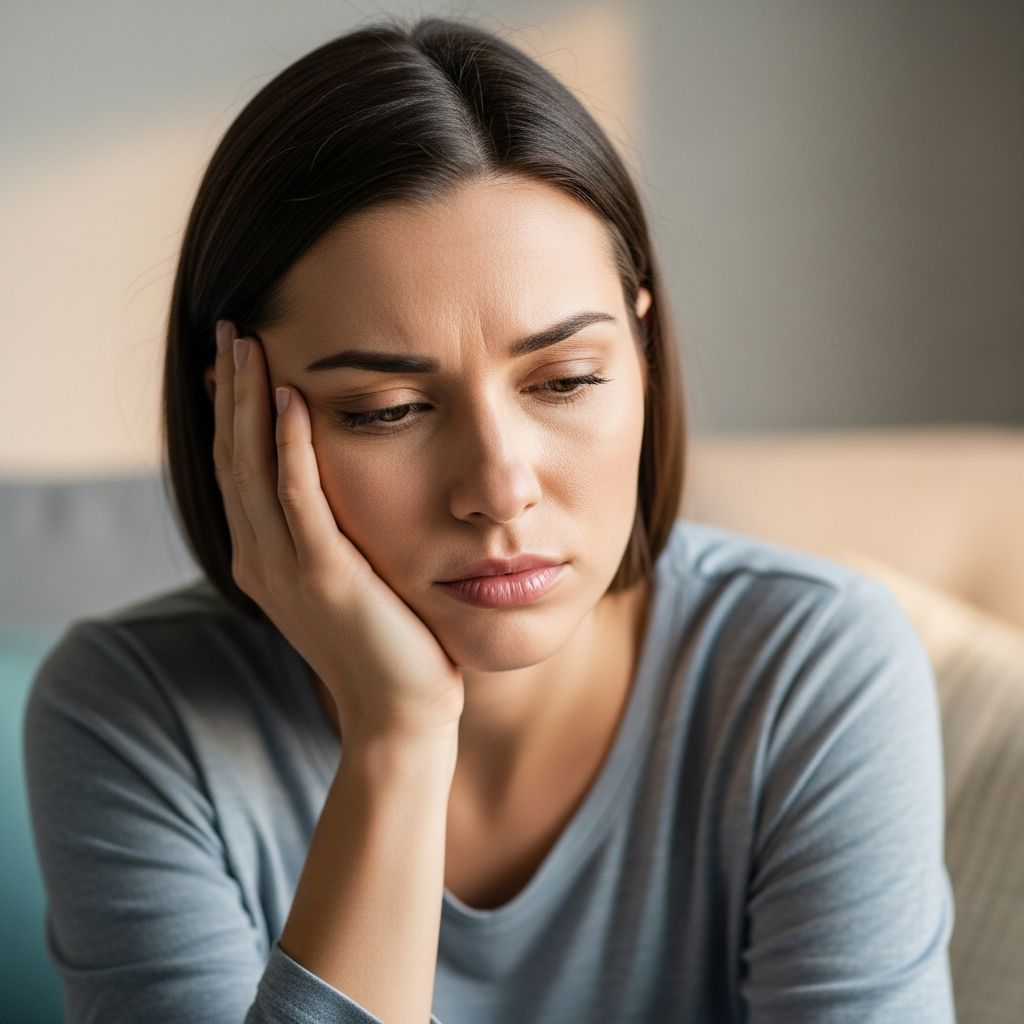
Premenstrual syndrome, or PMS, is a combination of symptoms that arrive before your period. Your symptoms may be physical (like bloating or sore breasts), emotional (like irritability or sadness) or a combination of both. Either way, PMS symptoms can disrupt your life. Lifestyle modifications and over-the-counter medications can often relieve PMS symptoms.
Premenstrual syndrome describes physical and emotional symptoms that begin a week or two before your period. Most people who menstruate have at least one or more symptoms of PMS. These symptoms usually tip you off that your period is coming soon. Once you get your period, symptoms of PMS usually go away. These symptoms will often reoccur around the same time each menstrual cycle.
PMS is a recurrent disorder that occurs during the luteal phase of the menstrual cycle, characterized by irritability, anxiety, emotional lability, depression, edema, breast pain, and headaches, occurring during the 5 days before and usually ending a few hours after onset of menses.
Physical Symptoms of PMS
The physical manifestations of premenstrual syndrome vary considerably among individuals. Common physical symptoms include:
- Bloating and water retention
- Breast tenderness and swelling
- Headaches and migraines
- Muscle or joint pain
- Fatigue and low energy
- Changes in appetite
- Acne or skin breakouts
- Constipation or diarrhea
- Food cravings
These physical symptoms typically begin in the second half of the menstrual cycle and resolve shortly after menstruation begins. The severity of physical symptoms can range from mild discomfort to significant interference with daily activities.
Emotional and Behavioral Symptoms
Beyond physical manifestations, PMS commonly presents with emotional and behavioral changes. Women frequently report:
- Irritability and mood swings
- Anxiety and nervousness
- Sadness or depressed mood
- Difficulty concentrating
- Changes in sleep patterns
- Social withdrawal
- Increased emotional sensitivity
- Tension or feeling overwhelmed
These emotional symptoms can significantly impact relationships, work performance, and overall quality of life. The emotional component of PMS is often as debilitating as the physical symptoms, yet it may be overlooked or minimized in medical consultations.
Understanding the Menstrual Cycle and PMS Timing
PMS symptoms are closely tied to the menstrual cycle’s hormonal fluctuations. The menstrual cycle consists of distinct phases, with PMS occurring during the luteal phase. This phase begins after ovulation and continues until menstruation starts. During this time, levels of estrogen and progesterone hormones fluctuate, which may trigger symptoms. Additionally, serotonin, a brain chemical that regulates mood, hunger and sleep, may also play a role, as serotonin levels change throughout your menstrual cycle.
Symptoms typically begin 5 to 14 days before your period starts and resolve within hours to a few days after menstruation begins. Understanding this timing is crucial for proper diagnosis and management, as it helps distinguish PMS from other medical conditions.
Related Stories



Diagnosing Premenstrual Syndrome
Your healthcare provider diagnoses PMS based on your symptoms. They’ll ask you about what symptoms you have, when you have them and how they impact your life. To receive a PMS diagnosis, your symptoms must occur in a cyclical pattern, beginning in the luteal phase and resolving with menstruation.
Your provider may ask you to track your symptoms through one or two menstrual cycles to establish a clear pattern. This prospective symptom recording helps confirm that symptoms follow the menstrual cycle rather than occurring randomly throughout the month.
Questions your provider may ask include:
- When do your symptoms typically start and end?
- How severe are your symptoms on a scale of 1 to 10?
- How do your symptoms affect your work, relationships, and daily activities?
- What medications are you currently taking?
- Do you have a family history of PMS or mood disorders?
- Have you noticed any triggers that worsen your symptoms?
Your provider may also ask about your medical history and medications you’re taking to rule out factors other than PMS that may be causing your symptoms. They may ask about your biological family’s medical history, too, as many conditions run in families. Your provider will rule out causes like thyroid disorders, hormonal imbalances, depression, and anxiety disorders that could mimic or contribute to PMS symptoms.
PMS vs. PMDD: Understanding the Difference
Premenstrual dysphoric disorder (PMDD) is a severe and potentially debilitating form of PMS. It’s much less common than PMS, affecting about 3% of people who menstruate. With PMDD, you experience PMS symptoms but with much more intensity, especially when it comes to emotional responses and your mood.
PMDD is a more serious form of premenstrual syndrome (PMS). It causes physical and emotional symptoms every menstrual cycle in the week or two before your period. With PMDD, you might have PMS symptoms along with extreme irritability, anxiety or depression. These symptoms improve within a few days after your period starts, but they can be severe enough to interfere with your life.
Although PMS and PMDD both have physical and emotional symptoms, PMDD causes extreme mood shifts that can disrupt daily life and damage relationships. You’re more likely to experience anger, severe depression and anxiety with PMDD than with PMS.
Key Diagnostic Criteria for PMDD
For PMDD to be diagnosed, women must have ≥ 5 of the following symptoms for most of the week before menses, and symptoms must become minimal or absent during the week after menstruation. Symptoms must include ≥ 1 of the following mood-related symptoms:
- Difficulty concentrating
- Low energy or fatigue
- Marked changes in appetite, overeating, or specific food cravings
- Insomnia or hyperinsomnia
- Feelings of being overwhelmed or out of control
- Physical symptoms associated with PMS (eg, breast tenderness, edema)
Additionally, the symptom pattern must have occurred for most of the previous 12 months, and symptoms must be severe enough to interfere with daily activities and function.
Treatment Options for PMS
Treatment for premenstrual syndrome typically begins with lifestyle modifications and over-the-counter medications. When these initial approaches prove insufficient, healthcare providers may recommend prescription medications. A comprehensive treatment approach often combines multiple strategies tailored to individual symptoms and needs.
Lifestyle Changes and Self-Care
Many women find significant relief through lifestyle modifications alone. These evidence-based approaches include:
- Regular exercise: Physical activity helps regulate neurotransmitters and hormones while improving mood and reducing water retention
- Dietary adjustments: Increasing calcium, magnesium, and vitamin B6 intake; reducing caffeine, salt, and sugar consumption
- Stress management: Practices such as meditation, yoga, and deep breathing can help manage emotional symptoms
- Sleep optimization: Maintaining consistent sleep schedules and ensuring adequate rest supports hormonal regulation
- Social support: Connecting with friends, family, or support groups provides emotional validation and practical assistance
Over-the-Counter Medications
Common over-the-counter pain relievers can effectively reduce physical symptoms. Ibuprofen and naproxen sodium are particularly effective for alleviating headaches, muscle aches, and cramps associated with PMS. These nonsteroidal anti-inflammatory drugs (NSAIDs) work by reducing inflammation and pain signals.
Prescription Medications
When lifestyle changes and over-the-counter medications are insufficient, healthcare providers may recommend prescription options:
- Selective serotonin reuptake inhibitors (SSRIs): These antidepressants help regulate serotonin levels and are particularly effective for emotional and mood-related symptoms. SSRIs can be taken continuously or only during the luteal phase.
- Hormonal birth control: Hormonal birth control methods, such as birth control pills, patches, or rings, can help regulate hormone fluctuations and reduce symptom severity.
- Diuretics: Water pills may be prescribed for women experiencing significant bloating and water retention
- Anxiolytics: Anti-anxiety medications may be considered for severe anxiety symptoms
Cognitive Behavioral Therapy and Counseling
Psychological interventions can provide significant benefits for managing PMS. Cognitive behavioral therapy helps identify negative thought patterns and develop coping strategies. Counseling provides a space to discuss emotional concerns and develop personalized management techniques. These approaches work particularly well when combined with medical treatments.
Complementary and Alternative Approaches
Some women explore complementary therapies alongside conventional treatments. While some alternative approaches show promise, it’s important to discuss these options with your healthcare provider to ensure they complement your overall treatment plan and don’t interact with medications.
Common complementary approaches include:
- Herbal supplements (chasteberry, evening primrose oil)
- Acupuncture
- Nutritional supplementation
- Mind-body practices
Always consult with your healthcare provider before starting any new supplement or alternative therapy, as some may interact with medications or have unintended side effects.
When to Seek Medical Help
While PMS is common and often manageable with self-care measures, certain situations warrant professional medical evaluation. You should contact your healthcare provider if:
- Your symptoms are severe and interfere with daily functioning
- Your symptoms don’t follow a clear menstrual cycle pattern
- Your symptoms persist despite lifestyle modifications
- You experience suicidal thoughts or severe depression
- Your symptoms change significantly from month to month
- You develop new symptoms not previously experienced
If you’re experiencing suicidal thoughts and live in the U.S., call or text the Suicide and Crisis Lifeline at 988. This national network of local crisis centers provides 24/7 free and confidential support.
Impact of PMS on Quality of Life
Premenstrual syndrome can significantly impact various aspects of life. Many women report disruptions in work productivity, academic performance, and personal relationships during their symptomatic cycle phases. The emotional symptoms can strain interpersonal connections, while physical symptoms may limit participation in preferred activities. Understanding that PMS is a real medical condition—not simply a character flaw or oversensitivity—helps foster self-compassion and encourages seeking appropriate treatment.
Frequently Asked Questions
Q: How common is PMS?
A: Most people who menstruate experience at least one or more symptoms of PMS. Estimates suggest that approximately 90% of menstruating women experience some form of premenstrual symptom, though the severity varies widely.
Q: Can PMS be cured?
A: While PMS cannot be cured, symptoms can be effectively managed through lifestyle changes, medications, and other therapeutic approaches. With proper treatment, most women experience significant symptom relief.
Q: Is PMS the same as PMDD?
A: No, PMDD is a severe form of PMS affecting about 3% of menstruating individuals. PMDD causes more intense emotional and behavioral symptoms that significantly interfere with daily functioning, whereas PMS symptoms are typically more manageable.
Q: Can diet affect PMS symptoms?
A: Yes, diet significantly impacts PMS symptoms. Increasing intake of calcium, magnesium, and vitamin B6 while reducing caffeine, salt, and sugar can help reduce symptom severity.
Q: What should I track to help my doctor diagnose PMS?
A: Track when symptoms start and end, their severity, which specific symptoms occur, and how they affect your daily life. Recording symptoms for one to two menstrual cycles helps establish the pattern necessary for diagnosis.
Q: Are there any hormonal factors that influence PMS?
A: Yes, fluctuating levels of estrogen and progesterone after ovulation and before menstruation may trigger symptoms. Additionally, serotonin levels change throughout the menstrual cycle and may contribute to emotional symptoms.
Q: Can exercise help with PMS?
A: Yes, regular physical activity is one of the most effective lifestyle modifications for managing PMS. Exercise helps regulate neurotransmitters and hormones while improving mood and reducing water retention.
References
- Premenstrual Syndrome (PMS) – Gynecology and Obstetrics — Merck Manuals Professional Version. 2024. https://www.merckmanuals.com/professional/gynecology-and-obstetrics/abnormal-uterine-bleeding/premenstrual-syndrome-pms
- Premenstrual Dysphoric Disorder (PMDD): Causes & Treatment — Cleveland Clinic. 2024. https://my.clevelandclinic.org/health/diseases/9132-premenstrual-dysphoric-disorder-pmdd
- Premenstrual dysphoric disorder: a review for the treating practitioner — PubMed Central. 2004. https://pubmed.ncbi.nlm.nih.gov/15117171/
- Premenstrual Syndrome (PMS): Symptoms & Treatment — Cleveland Clinic. 2024. https://my.clevelandclinic.org/health/diseases/24288-pms-premenstrual-syndrome
- Premenstrual syndrome (PMS) — Women’s Health.gov. U.S. Department of Health & Human Services. 2024. https://womenshealth.gov/menstrual-cycle/premenstrual-syndrome
- Premenstrual dysphoric disorder: Different from PMS? — Mayo Clinic. 2024. https://www.mayoclinic.org/diseases-conditions/premenstrual-syndrome/expert-answers/pmdd/faq-20058315
- Premenstrual dysphoric disorder: A review for the treating practitioner — Cleveland Clinic Journal of Medicine. 2004. https://www.ccjm.org/content/71/4/303
Similar Articles








Read full bio of Sneha Tete