Presbycusis: Understanding Age-Related Hearing Loss
Comprehensive guide to presbycusis: causes, symptoms, diagnosis, and effective management strategies.
Understanding Presbycusis: Age-Related Hearing Loss
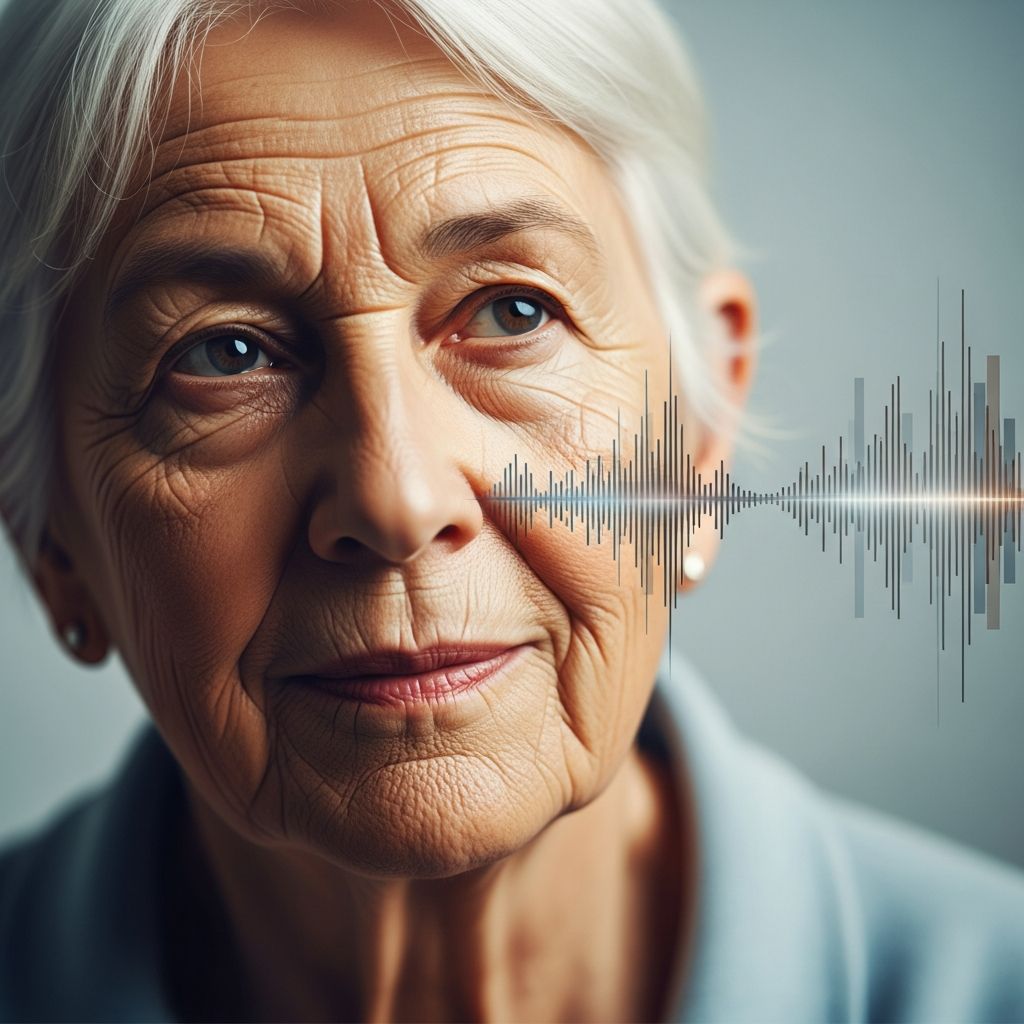
Presbycusis is the gradual loss of hearing that occurs as people age, representing one of the most common conditions associated with aging. This progressive hearing loss affects millions of individuals worldwide and develops slowly over time, often going unnoticed in its early stages. Unlike sudden hearing loss caused by trauma or acute illness, presbycusis emerges gradually as the auditory system ages, making it one of the most prevalent age-related disorders affecting quality of life and communication abilities.
What Causes Presbycusis?
Presbycusis is a multifactorial condition with multiple contributing causes. While aging itself is the primary factor, several interconnected mechanisms lead to age-related hearing loss. Understanding these causes helps individuals recognize risk factors and take preventive measures.
Age-Related Changes in the Auditory System
The most common location for presbycusis-related changes occurs within the inner ear. The tiny hair cells in the cochlea that are responsible for detecting sound gradually deteriorate or die over time. These sensory cells do not regenerate, leading to permanent hearing loss. Additionally, the stria vascularis, which supplies blood to the inner ear, undergoes age-related changes that can reduce oxygen and nutrient delivery to critical auditory structures.
Damage to Hair Cells
Hair cells in the inner ear are essential for converting sound waves into nerve signals that the brain can interpret. As people age, these cells gradually deteriorate. This degeneration is irreversible since hair cells do not regenerate once damaged or destroyed, resulting in permanent sensorineural hearing loss.
Nerve Pathway Degeneration
Beyond hair cell damage, the auditory nerve fibers that transmit signals from the cochlea to the brain may also deteriorate with age. The spiral ganglion neurons, which help carry sound signals to the brain, undergo age-related changes that reduce their effectiveness. This neural degradation affects the brain’s ability to process and interpret sounds, particularly in complex listening environments.
Reduced Blood Circulation
Blood circulation to the inner ear can decrease with age, limiting the supply of oxygen and nutrients to critical auditory structures. This reduced blood flow accelerates hearing loss and compounds the effects of other age-related changes in the auditory system.
Risk Factors Contributing to Presbycusis
While aging is inevitable, several modifiable and non-modifiable risk factors can accelerate the development of presbycusis or increase its severity:
- Genetic factors: Family history of hearing loss increases susceptibility to presbycusis. Differences in mitochondrial DNA expression related to oxidative stress have been identified in patients with presbycusis.
- Noise exposure: Prolonged exposure to loud noises through occupational settings, recreational activities, or environmental noise pollution can accelerate hearing loss significantly.
- Medications: Certain medications are ototoxic, meaning they damage hearing. These include aspirin, certain antibiotics, loop diuretics, aminoglycosides, and some chemotherapeutic agents.
- Environmental toxins: Chemical exposures such as toluene, styrene, lead, carbon monoxide, and mercury can contribute to hearing loss.
- Underlying health conditions: Diseases including heart disease, diabetes, and hypertension increase the risk of presbycusis.
- Hormonal factors: Use of progestin and combination hormone replacement therapy in postmenopausal women is associated with increased incidence of hearing loss.
- Smoking: Tobacco use has been linked to accelerated hearing loss.
Types of Presbycusis
Presbycusis can be categorized into several types based on which structures of the auditory system are primarily affected. Most individuals experience a combination of these types:
Sensory Presbycusis
This type involves degeneration of sensory hair cells in the cochlea. It primarily leads to loss of hearing in high frequencies, but maintains the clarity of sound, allowing relatively good speech understanding. Sensory presbycusis responds well to hearing aids and is considered the most treatable form.
Neural Presbycusis
Neural presbycusis occurs when auditory nerve fibers that transmit signals from the cochlea to the brain deteriorate. This type primarily causes difficulties in speech understanding and clarity, particularly in noisy environments. While hearing aids may help, they are often less beneficial than in sensory presbycusis.
Related Stories



Mechanical (Cochlear Conductive) Presbycusis
This type involves stiffening of the basilar membrane in the cochlea, affecting how sound vibrations are transmitted to hair cells. It leads to broad loss of hearing sensitivity, primarily affecting high frequencies.
Strial Presbycusis
This form results from changes in the stria vascularis, the tissue responsible for maintaining the inner ear’s chemical environment. Strial presbycusis affects the entire range of frequencies relatively equally.
Symptoms of Presbycusis
The hallmark characteristic of presbycusis is the impaired ability to understand high-frequency components of speech, particularly voiceless consonants such as p, k, f, s, and ch. Common symptoms include:
- Difficulty hearing conversations, especially in noisy environments
- Trouble hearing high-pitched sounds
- Perception that others are mumbling
- Need to turn up the volume on television or radio
- Difficulty understanding phone conversations
- Tinnitus (ringing in the ears)
- Reduced ability to hear certain warning sounds
Symptoms develop gradually over time, and many people do not immediately recognize they are experiencing hearing loss. Friends and family members often notice the hearing loss before the affected individual does.
Diagnosis of Presbycusis
Diagnosing presbycusis involves several testing methods to assess the degree and pattern of hearing loss:
Audiological Testing
A comprehensive hearing evaluation by an audiologist is the standard diagnostic approach. Testing may include pure-tone audiometry, which measures the ability to hear different frequencies and volumes, and speech discrimination testing to assess the ability to understand words at various volumes.
Medical Evaluation
Your doctor will conduct a thorough medical history and physical examination, considering factors such as age, overall health, medical history, medication use, and noise exposure history. This evaluation helps rule out other causes of hearing loss and identify contributing factors.
Tympanometry
This test measures how well the eardrum and middle ear bones are working, helping to determine if hearing loss is conductive or sensorineural in nature.
Complications of Untreated Presbycusis
Beyond communication difficulties, untreated presbycusis can lead to significant health consequences. Research demonstrates that hearing loss is associated with increased risk of developing anxiety disorder, depression, and cognitive decline. Addressing presbycusis promptly is important for maintaining overall health and quality of life, as hearing loss has been identified as a reversible factor contributing to cognitive decline and dementia.
Treatment Options for Presbycusis
While there is no cure for presbycusis, several effective treatment options can manage the condition and improve quality of life. Your doctor will determine the best treatment plan based on age, overall health, medical history, extent of hearing loss, and tolerance for various therapies.
Hearing Aids
Hearing aids are the mainstay of treatment for presbycusis and have been shown to have a significantly positive effect on quality of life and communication. These devices amplify sounds, making it easier to hear and understand speech. Modern hearing aids feature advanced technologies including noise reduction, directional microphones, and smartphone connectivity. Hearing aids are customizable to suit individual needs and specific hearing loss patterns. However, they do not repair normal hearing but simply amplify sounds. Devices can be expensive, and coverage varies by insurance plan.
Assistive Listening Devices
Beyond hearing aids, various assistive devices can improve hearing in specific situations. These include amplified telephones, television listening systems, personal amplifiers, and alerting devices for doorbells and alarms. Sound therapy may also be recommended to help retrain the brain to process sound more efficiently, improving clarity of speech and environmental sounds.
Communication Strategies
Learning and implementing communication techniques can significantly improve understanding. Speech reading (using visual cues to determine what is being said), combined with clear communication practices where speakers face the listener and speak clearly, enhances comprehension in daily interactions.
Noise Protection and Management
Avoiding loud noises and reducing noise exposure prevents further damage to hearing. When exposure to loud environments is unavoidable, using ear plugs or special fluid-filled earmuffs provides protection and prevents acceleration of hearing loss.
Cochlear Implants
For severe cases of presbycusis where hearing aids provide insufficient benefit, cochlear implants may be considered. These sophisticated devices bypass damaged parts of the ear and directly stimulate the auditory nerve, allowing sound signals to reach the brain.
Regular Monitoring
Regular check-ups with an audiologist are crucial for monitoring the progression of hearing loss and adjusting treatment plans accordingly. Periodic hearing tests help track changes and ensure that interventions remain optimized for individual needs.
Frequently Asked Questions About Presbycusis
Q: At what age does presbycusis typically develop?
A: Presbycusis can begin developing in middle age, though it becomes more noticeable and common after age 60. However, the onset and progression vary significantly among individuals based on genetics, lifestyle, and environmental factors.
Q: Is presbycusis preventable?
A: While aging itself cannot be prevented, some risk factors can be modified. Protecting ears from excessive noise, avoiding ototoxic medications when possible, managing chronic diseases, not smoking, and maintaining cardiovascular health may help slow presbycusis development.
Q: Can presbycusis be cured?
A: No, presbycusis cannot be cured or reversed. However, its effects can be effectively managed through hearing aids, assistive devices, and communication strategies that significantly improve quality of life.
Q: How effective are hearing aids for presbycusis?
A: Hearing aids are highly effective for managing presbycusis, particularly for sensory types. They significantly improve communication ability and quality of life, though effectiveness varies based on the type of presbycusis and individual factors.
Q: Should I see a specialist for presbycusis?
A: Yes, an audiologist can provide comprehensive hearing evaluation and fitting of appropriate devices. Your primary care physician can also monitor overall health and identify any underlying conditions contributing to hearing loss.
Q: Can hearing aids help in all types of presbycusis?
A: Hearing aids are most beneficial for sensory presbycusis but may have limitations in neural presbycusis. Your audiologist can determine the best approach based on your specific type of hearing loss.
References
- Presbycusis — Columbia University Department of Otolaryngology. 2024. https://www.columbiadoctors.org/specialties/ear-nose-throat/conditions/presbycusis
- Presbycusis – StatPearls — National Center for Biotechnology Information (NCBI), U.S. National Library of Medicine. 2023. https://www.ncbi.nlm.nih.gov/books/NBK559220/
- Presbycusis (Age-Related Hearing Loss) — Cleveland Clinic. 2024. https://my.clevelandclinic.org/health/diseases/5840-age-related-hearing-loss
- Hearing loss – Symptoms and causes — Mayo Clinic. 2024. https://www.mayoclinic.org/diseases-conditions/hearing-loss/symptoms-causes/syc-20373072
- Understanding Presbycusis Symptoms and Treatment Options — ODYO Hearing. 2024. https://ca.odyo.com/en/presbycusis
- Age-Related Hearing Loss: Symptoms, Causes, and Treatment Options — Audibel. 2024. https://www.audibel.com/hearing-loss-treatment/age-related-hearing-loss/
- Presbycusis (age related hearing loss) — Specsavers. 2024. https://www.specsavers.co.uk/ear-health/presbycusis
Similar Articles








Read full bio of medha deb