Decoding Your Prescription: A Guide to Medication Labels
Learn to read and understand every element on your prescription bottle label
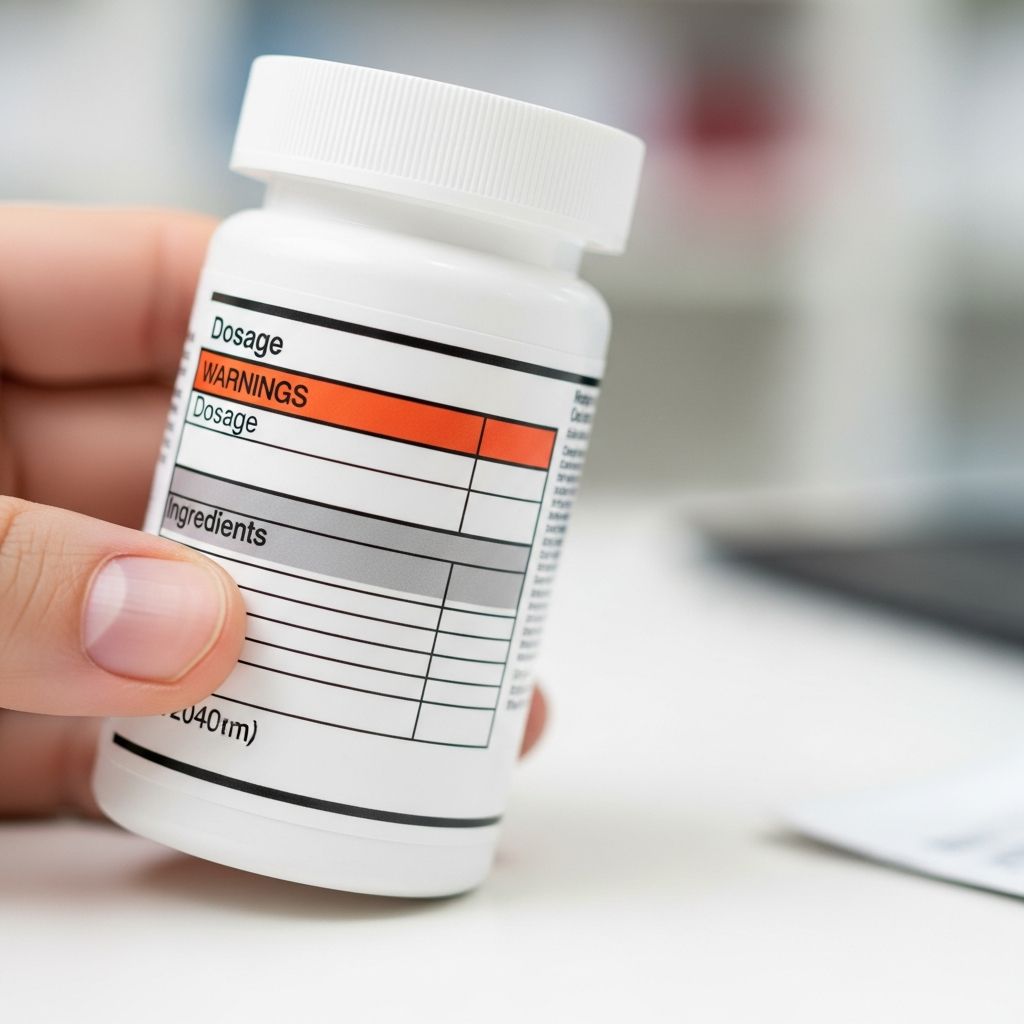
When you walk out of the pharmacy with a new prescription, the small label wrapped around your bottle might seem cryptic at first glance. However, this label is far more than decorative—it’s a personalized instruction manual designed specifically for your medication use. Understanding what’s printed on that label is one of the most important steps toward taking your medications safely and effectively. This guide breaks down each component of a prescription label so you can confidently manage your medications at home.
Why Prescription Labels Matter for Your Health
Your prescription label serves as a critical communication tool between your healthcare provider, your pharmacist, and you. It contains specific information tailored to your unique medical situation and treatment plan. By taking time to read and understand your prescription label, you’re actively participating in your own healthcare safety. Studies show that medication errors—which can range from taking the wrong dose to missing important warnings—are often preventable when patients carefully review their prescription labels before use.
The consequences of misunderstanding your prescription label can be serious, from ineffective treatment to harmful drug interactions or adverse reactions. This is why pharmacists spend years in training to ensure accurate labeling, and why you should spend a few minutes understanding what yours says.
The Patient Identity Section
The very first thing you should check on any prescription label is the patient name. This simple verification step prevents one of the most common pharmacy mistakes: dispensing the wrong medication to the wrong person. Even if you filled this prescription yourself, verify that your name is spelled correctly.
If you’re picking up medication for a family member or dependent, ensure their name is on the label, not yours. This becomes particularly important in households where multiple people may have similar prescriptions. Never assume a bottle is yours based on appearance alone—always check the name first.
Identifying Your Medication Correctly
Your prescription label lists your medication in two ways: by its generic name and its brand name. The generic name is the medication’s chemical designation—the name used by medical professionals and regulatory agencies. The brand name is the trademarked name given by the pharmaceutical manufacturer.
Understanding both names is valuable for several reasons. You might refill your prescription at a different pharmacy that carries a different brand, or your insurance might require a generic version. By knowing both names, you’ll recognize that these different-looking bottles contain the same medication.
The strength or dosage is equally critical. This tells you the amount of active medication in each dose—for example, 250 milligrams, 10 milliliters, or 5 micrograms. Pay close attention to the unit of measurement, as different medications use different measurements. Taking a medication at the wrong strength can significantly impact your treatment’s effectiveness or safety.
Deciphering Dosage Instructions
The dosage section tells you how much medication to take and how often to take it. This section uses specific terminology that’s important to understand precisely:
- Once daily: Take one dose at the same time each day. Consistency matters for medications that require stable levels in your bloodstream.
- Twice daily: Take two doses, typically spaced roughly 12 hours apart. Morning and evening is the standard approach unless your doctor specifies otherwise.
- Three times daily: Distribute three doses throughout your waking hours, typically 6-8 hours apart.
- Every 4-6 hours: Take the medication at intervals specified, which might mean setting alarms if you need to maintain consistent coverage throughout the day.
- As needed: Take this medication only when you experience the symptom it’s designed to treat. This typically applies to pain relievers, antihistamines, or other symptom-management medications.
Related Stories



Special Instructions and Important Conditions
Beyond the basic frequency, your label may include crucial instructions about how to take your medication. These modifiers significantly impact how well your medication works:
Food interactions: Some medications should be taken with food to prevent stomach upset, while others require an empty stomach for proper absorption. “With food” means during a meal, while “on an empty stomach” typically means one hour before eating or two hours after eating.
Water or liquid requirements: Certain medications need to be taken with a full glass of water to help them travel to your stomach properly or to prevent them from becoming stuck in your throat.
Positioning requirements: Some medications should be taken while sitting or standing upright for a certain period. This prevents the medication from flowing back into your esophagus.
If your label includes any of these special instructions, they’re there for your safety and the medication’s effectiveness. Don’t view them as optional suggestions—they’re essential to how the medication works.
Understanding Warnings and Precautions
Your prescription label includes warnings for important reasons. These cautions alert you to potential side effects, drug interactions, or situations where you shouldn’t take the medication.
Common warnings include:
- May cause drowsiness—avoid driving or operating machinery
- Do not take with alcohol—serious interactions can occur
- May increase sun sensitivity—use sunscreen and protective clothing
- Can cause dizziness—rise slowly from sitting or lying positions
- May interact with other medications—inform healthcare providers about all drugs you take
These warnings aren’t meant to frighten you but to help you use the medication responsibly. If a warning concerns you, contact your pharmacist or healthcare provider before taking the medication. They might adjust your dose, change the timing, or suggest alternatives.
Refill Information and Expiration Details
Your prescription label displays how many refills remain on your current prescription. This number tells you how many additional times you can obtain the same medication without requesting a new prescription from your doctor.
If your label shows “0 refills,” this doesn’t mean you should stop taking your medication immediately—it means your next dose will require a new prescription from your healthcare provider. Contact your doctor or healthcare provider with enough advance notice to avoid running out of medication.
The expiration or fill date shows when the prescription was dispensed. Most medications remain stable and safe for one year from the fill date, though some have shorter timeframes. Check your label for a specific expiration date. Expired medications may lose potency or, in rare cases, become unsafe. Never use expired medications without consulting your pharmacist.
Prescriber and Pharmacy Contact Information
Your label includes your prescriber’s name and the pharmacy’s contact information. The prescriber’s name helps you confirm this is the correct medication for your condition. The pharmacy phone number lets you quickly ask questions about your medication without waiting for an appointment.
The prescription number (Rx number) is your reference code for this specific prescription. You’ll need this number when requesting refills, particularly through automated refill systems or when calling your pharmacy from a distance. Keep this number handy for quick phone refills.
Lot Numbers and NDC Codes
Prescription labels include a lot number and National Drug Code (NDC), which are primarily for pharmacy and regulatory purposes. However, these details become important if a medication recall occurs. Lot numbers identify which batch of medication you received, allowing you to determine whether your specific bottle is affected by any safety issues.
The NDC is a unique identifier for your specific medication, strength, and form. In rare cases of severe side effects or quality concerns, having this information helps healthcare professionals and manufacturers investigate what happened.
Practical Tips for Medication Label Management
Create a personal medication list by writing down the information from each prescription label. Include the medication name, strength, dosage schedule, and any special instructions. Keep this list with you during medical appointments so healthcare providers can see all medications you’re taking—including over-the-counter drugs and supplements.
Set phone reminders or smartphone alarms for medications requiring multiple daily doses. This is especially important for antibiotics, where consistent timing ensures the medication stays at therapeutic levels in your body. Many pharmacy apps also send refill reminders automatically.
Take photos of your medication labels for your personal records. In emergencies, you can quickly share this information with emergency responders, and you’ll have documentation of what you were prescribed.
When to Ask Questions
Your pharmacist is an expert resource about medications. Don’t hesitate to ask questions if any part of your label seems unclear. Questions to ask include:
- What is this medication treating?
- Are there side effects I should watch for?
- How do I know if this medication is working?
- What should I do if I miss a dose?
- Will this medication interact with my other drugs or supplements?
- Should I avoid specific foods or activities while taking this?
- What should I do with the medication when I finish the bottle?
Frequently Asked Questions About Prescription Labels
Q: Can I take someone else’s medication if we have the same condition?
A: No. Prescription medications are tailored to individual patients based on their health status, other medications, allergies, and specific medical circumstances. Even identical conditions may require different treatments for different people.
Q: What does “may cause drowsiness” mean?
A: This warning indicates you might feel tired or have reduced alertness. You should avoid driving, operating machinery, or doing anything requiring focus until you know how the medication affects you.
Q: My medication says to take it twice daily, but I keep forgetting. Can I take it once daily in a double dose?
A: No. Your doctor prescribed the medication with specific dosing for safety and effectiveness reasons. If remembering twice-daily dosing is difficult, speak with your pharmacist about alternative formulations that might work once daily.
Q: What should I do if I take the wrong dose?
A: Contact your pharmacist or poison control immediately. They can assess whether the error is serious and provide specific guidance based on what happened.
Q: Is generic medication information on my label different from brand-name information?
A: The medication itself is identical, but the label might look different. The generic name, strength, and dosage instructions remain the same regardless of brand.
References
- Understand Your Medication Label — Express Scripts® Pharmacy. 2024. https://www.express-scripts.com/pharmacy/blog/understand-your-medication-label
- How To Read A Prescription Label Without Feeling Like You Need A Medical Degree — RxParkway. 2024. https://rxparkway.com/blog/parkway-pharmacy/how-to-read-a-prescription-label-without-feeling-like-you-need-a-medical-degree/
- Prescription Medication Labels: How to Read — Cleveland Clinic. 2024. https://my.clevelandclinic.org/health/drugs/15212-prescription-medication-labels-how-to-read
- How to Read Your Prescription Label — PANS (Pediatric Autoimmune Neuropsychiatric Disorders Associated with Streptococcal Infections). 2024. https://pans.ns.ca/wp-content/uploads/2025/12/How-to-Read-Rx-Label.pdf
- Decoding Drug Labels: 10 Essential Tips for Medication Safety — SmithRx. 2024. https://smithrx.com/blog/decoding-drug-labels-10-essential-tips-for-medication-safety
- How to Read Children’s Medication Labels: A Simple Guide for Parents — Nest Health. 2024. https://www.nesthealth.com/blog/how-to-read-childrens-medication-labels
Similar Articles








Read full bio of medha deb