Prescription Medications and Weight Changes
Understand how common medications affect body weight and what you can do about it.
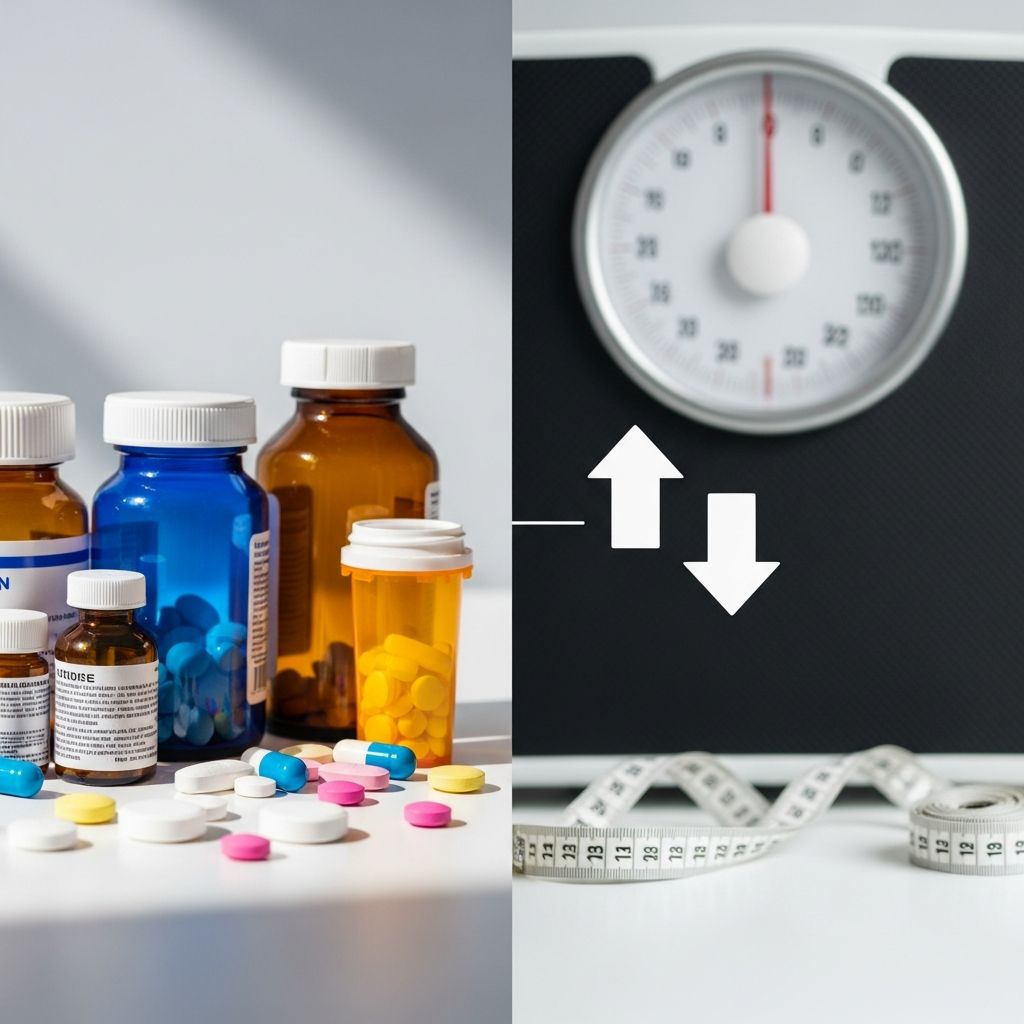
Weight gain represents one of the most frustrating and often overlooked side effects of prescription medications. Unlike sudden dizziness or nausea that patients immediately recognize as drug-related, weight changes develop gradually and may go unnoticed until significant pounds have accumulated. This insidious nature of medication-induced weight gain can lead patients to blame themselves for poor diet or lack of exercise, when the actual culprit lies in their prescription bottle. Understanding which medications carry this risk and why they affect body composition is essential for anyone managing chronic health conditions.
The Hidden Impact of Pharmaceuticals on Body Weight
Many patients taking prescription medications experience weight gain that seems disproportionate to their lifestyle choices. A person eating sensibly and exercising regularly may still gain five to ten pounds within months of starting certain medications. This phenomenon occurs because prescription drugs can fundamentally alter how the body processes calories, regulates hunger signals, and stores fat. The impact extends beyond cosmetic concerns—medication-induced weight gain increases the risk of developing serious health complications including Type 2 diabetes, cardiovascular disease, and metabolic syndrome.
Healthcare providers must balance treating the underlying condition against the potential metabolic consequences. A medication that effectively manages depression, seizures, or heart arrhythmias may simultaneously trigger unwanted weight accumulation, creating a complex clinical dilemma where the cure potentially complicates recovery.
Antidepressants and Mood-Related Medications
Among the most commonly prescribed medications that affect body weight, antidepressants occupy a prominent position. The relationship between antidepressants and weight change is nuanced, as different classes produce varying metabolic effects.
Selective Serotonin Reuptake Inhibitors (SSRIs)
SSRIs represent the most frequently prescribed antidepressant class. These medications increase serotonin levels in the brain to improve mood, but serotonin also plays a critical role in appetite regulation and metabolic processes. By elevating serotonin, SSRIs can interfere with the brain’s appetite-suppressing mechanisms, leading to increased hunger and subsequent weight gain. Common SSRIs associated with weight changes include paroxetine (Paxil), sertraline (Zoloft), and citalopram (Celexa).
Other Antidepressant Types
Tricyclic antidepressants (TCAs) such as amitriptyline and nortriptyline consistently produce significant weight gain in patients. Mirtazapine, another commonly prescribed antidepressant, also carries substantial weight gain risk. These medications alter multiple metabolic pathways simultaneously, making weight management particularly challenging for affected patients.
However, not all antidepressants produce equal effects. Bupropion (Wellbutrin) may actually result in weight loss, offering an alternative for patients concerned about weight gain. Healthcare providers can discuss medication switches with patients experiencing unwanted weight changes, as alternative antidepressants with neutral or beneficial metabolic profiles exist.
Diabetes Medications and Glucose Management
The irony of diabetes treatment presents itself clearly when examining antidiabetic medications. Patients taking these drugs to control blood sugar and prevent complications may experience weight gain that worsens insulin resistance and increases cardiovascular risk.
Insulin and Insulin-Stimulating Agents
Insulin itself causes weight gain by promoting cellular glucose absorption and fat storage. When cells take in more glucose from the bloodstream, they convert excess sugar into fat tissue. Sulfonylureas like glipizide trigger the pancreas to release additional insulin, resulting in four to five pounds of average weight gain. Glinides such as repaglinide function similarly, stimulating insulin release and contributing to weight accumulation.
Related Stories



Insulin Sensitizers
Glitazones (thiazolidinediones) like pioglitazone (Actos) improve insulin sensitivity but paradoxically cause weight gain through fluid retention and increased fat storage. Diabetes medications collectively produce approximately five to ten pounds of weight gain, though individual variation exists.
Antipsychotic Medications and Metabolic Effects
Antipsychotic drugs used to treat schizophrenia, bipolar disorder, and severe depression produce among the most significant medication-induced weight gains. These powerful psychiatric medications profoundly affect multiple metabolic systems beyond their primary neurological effects.
Clozapine (Clozaril) and olanzapine (Zyprexa) are notorious for producing substantial weight accumulation in many patients. Risperidone (Risperdal), while producing somewhat less weight gain than clozapine or olanzapine, still carries considerable metabolic risk. These antipsychotics increase appetite, elevate cholesterol levels, and impair the body’s ability to break down blood glucose efficiently, creating conditions favorable for Type 2 diabetes development.
Anticonvulsants and Neurological Medications
Anticonvulsant medications prescribed for seizure disorders, bipolar disorder, migraine prevention, and nerve pain management can trigger weight gain in susceptible individuals. Gabapentin (Neurontin) and pregabalin (Lyrica) are frequently associated with weight accumulation. Carbamazepine (Tegretol, Equetro) and valproate similarly increase body weight in many patients. The mechanisms underlying anticonvulsant-induced weight gain remain incompletely understood, though appetite stimulation and metabolic alterations appear central to the effect.
Beta-Blockers and Cardiovascular Medications
Beta-blockers, medications prescribed for heart failure, hypertension, and abnormal heart rhythms, produce moderate weight gain primarily during initial months of treatment. Atenolol (Tenormin), metoprolol (Lopressor, Toprol XL), and propranolol show the highest association with weight changes.
These medications likely slow metabolic rate and reduce exercise capacity, both contributing to weight accumulation. The weight gain typically plateaus after the initial treatment phase as the body adjusts to the medication. Not all beta-blockers produce equal weight effects, allowing for potential medication adjustments if weight gain becomes problematic.
Corticosteroids and Inflammatory Conditions
Prednisone and other corticosteroids prescribed for autoimmune conditions, inflammatory disorders, and allergic reactions cause significant weight gain through multiple mechanisms. These medications mimic cortisol, a hormone that stimulates appetite and alters fat and sugar metabolism. Corticosteroids also promote fluid retention, contributing to rapid weight accumulation independent of increased fat storage.
Long-term corticosteroid use produces the most substantial weight gains, with prednisone alone accounting for 1.7 to 5.8 kilograms of weight gain. Patients requiring extended corticosteroid therapy face considerable metabolic challenges and should work closely with healthcare providers to minimize both the drug dose and resulting weight consequences.
Additional Medication Categories Affecting Weight
Antihistamines and Allergy Medications
First-generation antihistamines like diphenhydramine (Benadryl) cause drowsiness that reduces physical activity and may increase appetite, leading to weight gain. Cyproheptadine and hydroxyzine (Vistaril) similarly stimulate hunger and reduce energy expenditure. Second-generation antihistamines generally produce fewer weight effects.
Hormonal Contraceptives
While most hormonal birth control methods produce minimal weight change, the birth control injection Depo-Provera (medroxyprogesterone) causes substantial weight gain, with studies documenting average gains exceeding twenty pounds after eighteen months of use. Clinical trials found nearly 38% of women gained more than ten pounds after two years of use.
Understanding the Biological Mechanisms
Medication-induced weight gain results from several interconnected biological processes. Some drugs directly increase appetite by affecting neurotransmitter systems regulating hunger and satiety. Others slow metabolic rate, reducing calorie expenditure at rest. Many medications impair the body’s ability to process blood glucose efficiently, promoting fat storage. Some cause fluid retention that registers as weight gain on the scale even when fat accumulation is minimal. Understanding these mechanisms helps patients recognize that weight changes reflect drug physiology rather than personal failure.
Practical Management Strategies
Medication Adjustments
The first consideration involves discussing medication options with your healthcare provider. For many conditions, alternative medications with neutral or beneficial metabolic profiles exist. Switching from a weight-gain-prone antidepressant to bupropion, for example, might eliminate weight concerns while maintaining psychiatric benefits. However, medication changes require careful clinical judgment and should never be undertaken without professional guidance.
Lifestyle Interventions
Diet and exercise modifications help mitigate medication-induced weight gain. Focus on nutrient-dense, lower-calorie foods while maintaining adequate nutrition. Regular physical activity becomes especially important, as many weight-gain-causing medications also reduce exercise capacity. Even modest increases in activity—daily walks, strength training, or swimming—can offset medication effects.
Monitoring and Communication
Regular weight monitoring allows early detection of medication-induced changes. Discussing weight concerns with healthcare providers opens conversations about management strategies before significant gain accumulates. Honesty about lifestyle factors versus medication effects helps providers distinguish between the two causes.
Long-Term Health Consequences
Medication-induced weight gain carries serious implications beyond appearance or comfort. Excess weight increases risks for Type 2 diabetes, cardiovascular disease, stroke, and metabolic syndrome. For patients already managing heart disease or diabetes, additional weight gain can substantially worsen their primary condition, creating a paradoxical situation where disease treatment worsens disease outcomes.
These long-term health risks sometimes lead patients to discontinue medications without medical guidance, sacrificing psychiatric or medical benefits to prevent or reverse weight gain. This medication nonadherence creates dangerous situations where untreated conditions progress or become unstable.
Frequently Asked Questions
How quickly do medications cause weight gain?
Weight gain timing varies by medication. Beta-blockers typically cause changes within the first few months, after which the effect plateaus. Antipsychotics and corticosteroids can produce noticeable weight gain within weeks. Antidepressants may take months before significant weight changes become apparent.
Can weight gain from medication be reversed?
Some medication-induced weight gain reverses after discontinuing the drug, though this depends on medication type and duration of use. In many cases, the weight remains unless active weight management efforts are undertaken. Never discontinue medications without professional guidance, even if weight gain occurs.
Are there medications that cause weight loss instead?
Some medications, particularly bupropion among antidepressants, may result in weight loss or neutral weight effects. However, medication selection should prioritize treating your condition effectively rather than pursuing weight loss as a primary goal.
Should I avoid medications that cause weight gain?
Avoiding necessary medications due to weight gain concerns creates serious health risks. If weight gain occurs, discuss alternatives with your healthcare provider rather than self-managing medication decisions. The benefits of treating your underlying condition typically outweigh weight-related side effects.
References
- Medications That Cause Weight Gain and Alternatives in Patients with Serious Mental Illness — National Center for Biotechnology Information (NCBI). 2018. https://pmc.ncbi.nlm.nih.gov/articles/PMC6109660/
- Could Your Medication Be Causing Weight Gain? 8 Medications That Can Cause Weight Gain — GoodRx. https://www.goodrx.com/drugs/side-effects/could-your-medication-be-causing-weight-gain
- 8 Medications That Cause Weight Gain and How to Avoid It — AARP. https://www.aarp.org/health/drugs-supplements/medication-weight-gain/
- Batsis Discusses Five Common Medications That Can Cause Weight Gain — University of North Carolina School of Medicine. https://www.med.unc.edu/medicine/news/batsis-discusses-five-common-medications-that-can-cause-weight-gain/
- Antidepressants and Weight Gain: What Causes It? — Mayo Clinic. https://www.mayoclinic.org/diseases-conditions/depression/expert-answers/antidepressants-and-weight-gain/faq-20058127
- Prescription Medications and Weight Gain — The George Washington University School of Public Health and Health Services. https://stop.publichealth.gwu.edu/LFD-mar23
Similar Articles








Read full bio of medha deb