Prescription Weight Loss Drugs: Expert Guide For 2025
Explore FDA-approved prescription medications for effective weight management, their mechanisms, benefits, risks, and lifestyle integration strategies.
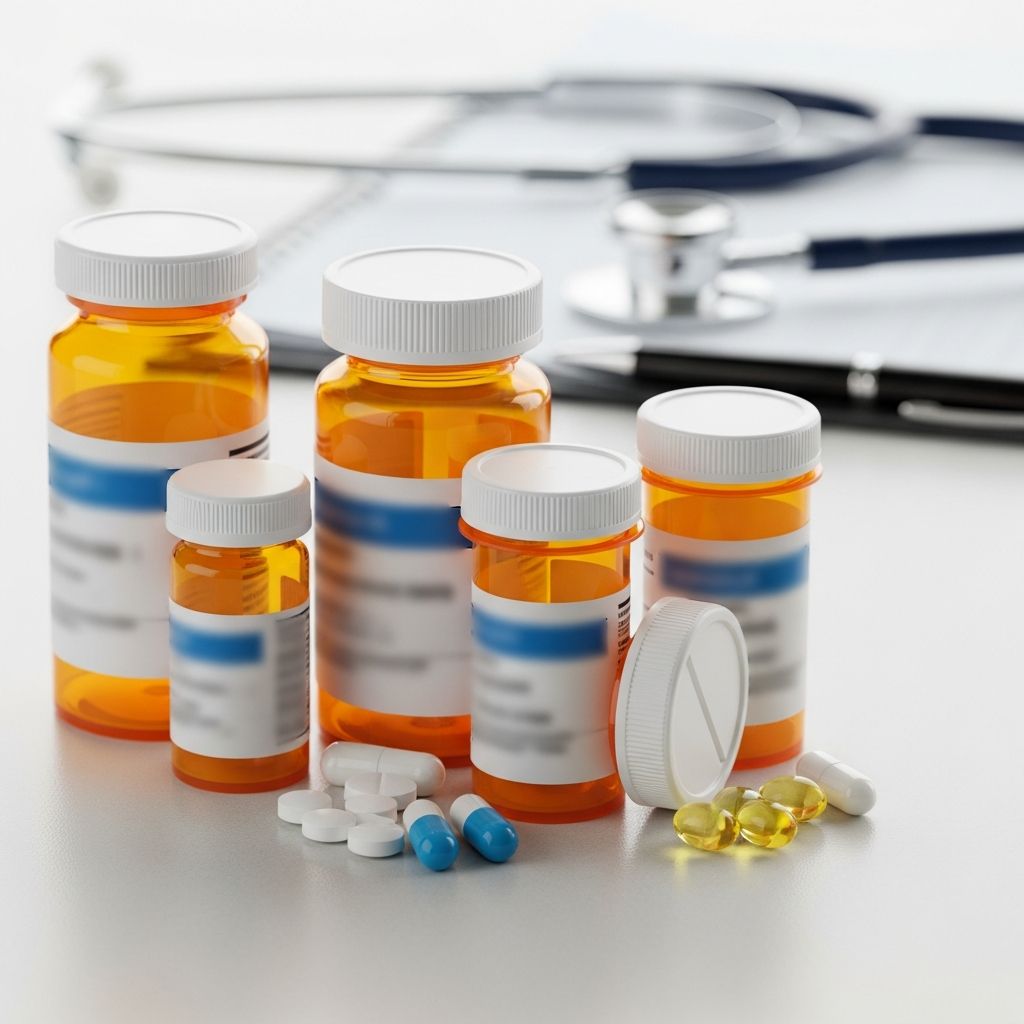
Prescription weight loss drugs offer a medically supervised path to managing obesity when combined with diet and exercise. These FDA-approved options target appetite, fat absorption, or metabolism to help adults achieve 5% to 20% body weight reduction.
Understanding Obesity and Medical Interventions
Obesity affects millions, increasing risks for diabetes, heart disease, and joint issues. Lifestyle changes alone often fall short, prompting the need for pharmacological support. The National Institute of Diabetes and Digestive and Kidney Diseases (NIDDK) notes that prescription medications, paired with behavioral modifications, enable 3% to 12% greater weight loss over a year compared to lifestyle alone.
These drugs are typically for individuals with a BMI of 30+ or 27+ with weight-related conditions like hypertension. They work best as part of a comprehensive plan, not standalone solutions.
Top Categories of Weight Loss Medications
Prescription drugs fall into key classes: GLP-1 receptor agonists, which mimic gut hormones to curb hunger; combination appetite suppressants; and fat absorption blockers. Each class addresses obesity differently, with varying efficacy and side effects.
- GLP-1 Agonists: Mimic incretin hormones to slow gastric emptying and signal fullness.
- Combination Therapies: Blend stimulants and anticonvulsants to reduce cravings.
- Lipase Inhibitors: Prevent dietary fat breakdown in the gut.
Leading GLP-1 Agonist Medications
GLP-1 drugs dominate due to superior results. They originated for type 2 diabetes but excel in weight management by boosting insulin, lowering glucagon, and promoting satiety.
| Drug | Active Ingredient | Dosage Form | Avg. Weight Loss |
|---|---|---|---|
| Wegovy | Semaglutide | Weekly injection | 15% of body weight |
| Zepbound | Tirzepatide (GLP-1/GIP) | Weekly injection | 15-20% of body weight |
| Saxenda | Liraglutide | Daily injection | Up to 10% |
Wegovy (semaglutide): Clinical trials show users losing 14-17% of starting weight over 15 months with diet and exercise. It’s highly effective for sustained loss.
Zepbound (tirzepatide): Dual-action on GLP-1 and GIP receptors yields top results, outperforming semaglutide in some studies with 15-20% loss. FDA-approved in 2023 for obesity.
Saxenda (liraglutide): Daily dosing promotes fullness but less weight loss than weekly options.
Combination Appetite Suppressants
These pair drugs to tackle hunger and cravings without injections.
- Qsymia (phentermine-topiramate): Phentermine suppresses appetite; topiramate enhances satiety. Studies report 70% of users losing 5%+ body weight in a year, 50% achieving 10%. Controlled substance due to phentermine.
- Contrave (naltrexone-bupropion): Targets brain reward centers. Over 40% lose 5%+, 20% lose 10% in a year. Suited for emotional eaters.
Fat Absorption Blockers
Orlistat (Xenical): Inhibits lipase enzymes, reducing fat uptake by 30%. Leads to 5-10% loss in 55% of users after a year. OTC Alli is lower-dose. Best with low-fat diets to minimize GI issues.
Short-Term Options Like Phentermine
Phentermine, a stimulant, aids 3-5% loss short-term (<12 weeks). Similar drugs (benzphetamine, diethylpropion) are less common, all controlled for misuse risk.
Expected Results and Timelines
Most loss occurs in the first 6 months. NIDDK data: 5-10% reduction improves blood sugar, pressure, and triglycerides. Mayo Clinic confirms drugs plus lifestyle outperform placebo.
- GLP-1s: 10-20% over 1-2 years.
- Combinations: 5-10%.
- Orlistat: Milder, steady loss.
Individual factors like adherence, exercise, and genetics influence outcomes.
Related Stories



Common Side Effects and Safety Concerns
All drugs carry risks; monitoring is essential.
| Drug Class | Common Side Effects | Serious Risks |
|---|---|---|
| GLP-1 Agonists | Nausea, vomiting, diarrhea | Pancreatitis, gallbladder issues |
| Qsymia/Contrave | Insomnia, dry mouth, constipation | Heart rate increase, mood changes |
| Orlistat | Gas, oily stools, urgency | Vitamin deficiencies |
GLP-1s slow stomach emptying, causing GI distress initially. Cleveland Clinic advises gradual dosing. Avoid in pregnancy, thyroid cancer history, or pancreatitis.
Who Qualifies for These Treatments?
FDA guidelines: BMI ≥30, or ≥27 with comorbidities. Not for cosmetic use. Children 12+ may qualify for some. Consult providers to rule out contraindications like substance history for controlled drugs.
Integrating Drugs with Lifestyle Changes
Drugs amplify diet/exercise. UC Davis emphasizes nutrition and activity for maximal effect.
- Calorie-controlled, nutrient-dense meals.
- 150+ minutes weekly aerobic exercise.
- Behavioral therapy for habits.
Post-loss maintenance requires ongoing use or transition strategies.
Cost, Access, and Insurance Coverage
GLP-1s cost $1,000+/month without coverage; generics rare. Phentermine is affordable. Insurance often covers for qualifying BMI/comorbidities.
Future Directions in Weight Management
Ongoing research explores oral GLP-1s, adolescent use, and combos for binge eating or PCOS. Cardiovascular benefits emerge, with semaglutide reducing events by 20%.
Frequently Asked Questions
Are weight loss drugs safe long-term?
Approved for extended use with monitoring. GLP-1s show sustained safety in trials up to 2 years.
How much weight can I expect to lose?
5-20% varies by drug and adherence. Combine with lifestyle for best results.
Do they cause muscle loss?
Some fat/muscle loss occurs; resistance training preserves muscle.
What if I stop the medication?
Weight regain possible without sustained habits. Taper under guidance.
Can I use them with other diets?
Yes, but low-fat for orlistat; balanced for others.
Consulting Healthcare Providers
Personalized assessment is crucial. Discuss history, goals, and alternatives. Regular check-ins track progress and adjust.
References
- 5 Weight-Loss Pills That Work: Which Is the Best? — GoodRx. 2024. https://www.goodrx.com/conditions/weight-loss/best-pills
- Can weight loss medications really help you lose weight? — UC Davis Health. 2024-08. https://health.ucdavis.edu/blog/cultivating-health/can-weight-loss-medications-help-you-lose-weight/2024/08
- Prescription weight-loss drugs — Mayo Clinic. 2024. https://www.mayoclinic.org/healthy-lifestyle/weight-loss/in-depth/weight-loss-drugs/art-20044832
- Prescription Medications to Treat Overweight & Obesity — NIDDK (NIH). 2024. https://www.niddk.nih.gov/health-information/weight-management/prescription-medications-treat-overweight-obesity
- The pros, cons, and unknowns of popular weight-loss drugs — Johns Hopkins University Hub. 2024-01-11. https://hub.jhu.edu/2024/01/11/ozempic-wegovy-weight-loss-drugs-pros-cons/
- Weight Loss Medications: How They Work & Types — Cleveland Clinic. 2024. https://my.clevelandclinic.org/health/treatments/weight-loss-medications
Similar Articles








Read full bio of medha deb