Preserve Your Muscle Mass: A Complete Health Guide
Maintain strength and independence: Proven strategies to preserve muscle mass as you age.

Muscle mass is one of the most critical yet often overlooked components of health. While many people associate strong muscles with athletic achievement or physical appearance, the reality is far more profound. Maintaining adequate muscle mass is fundamental to overall health, longevity, functional independence, and quality of life. As we age, the natural decline in muscle mass—a condition called sarcopenia—can significantly impact our ability to perform everyday activities, maintain metabolic health, and live independently. This comprehensive guide explores why preserving muscle mass matters and provides evidence-based strategies for maintaining and building muscle throughout your life.
Why Muscle Mass Matters
The Metabolic Foundation
Muscle tissue is metabolically active, meaning it consumes calories even at rest. Unlike fat tissue, which is relatively dormant, muscle continuously burns energy to maintain itself. This phenomenon is measured by your resting metabolic rate (RMR)—the number of calories your body burns when you’re not exercising. The more muscle mass you possess, the higher your RMR, making weight management and metabolic health significantly easier. This metabolic advantage becomes increasingly important as you age, when natural decreases in muscle mass can slow your metabolism and make maintaining a healthy weight more challenging.
Functional Strength and Mobility
Beyond metabolism, muscle is absolutely essential for performing the activities you rely on daily. Walking, climbing stairs, carrying groceries, rising from a chair, and maintaining balance all depend on adequate muscle strength and function. As muscle deteriorates with age, these seemingly simple tasks can become increasingly difficult or even impossible. This decline in functional ability can lead to loss of independence, reduced quality of life, and significantly increased risk of falls and fractures—injuries that can have devastating consequences for older adults.
Prevention of Chronic Disease
Muscle mass plays a crucial protective role in preventing chronic diseases. Muscle tissue is responsible for glucose metabolism and helps regulate blood sugar levels by absorbing glucose for energy production. Greater muscle mass correlates with improved insulin sensitivity, which dramatically reduces the risk of developing type 2 diabetes. Additionally, strong muscles support cardiovascular health by improving circulation and reducing blood pressure. Research demonstrates that resistance training enhances heart health by lowering LDL cholesterol and increasing HDL cholesterol, both critical factors in reducing heart disease risk.
Mental Health and Cognitive Function
The benefits of muscle mass extend beyond physical health. Resistance training stimulates the release of endorphins—natural neurochemicals that improve mood and reduce stress. Strength training has been linked to reduced symptoms of anxiety and depression, contributing to better overall mental well-being. More remarkably, maintaining muscle mass has been associated with better cognitive function. Studies suggest that individuals who engage in regular strength training have a lower risk of cognitive decline and dementia, suggesting muscle health directly influences brain health.
Longevity and Frailty Prevention
Muscle mass is a strong predictor of longevity. Research demonstrates that people with greater muscle mass tend to live longer, healthier lives. In fact, muscle strength is a better predictor of mortality than body mass index (BMI), suggesting you should prioritize muscle maintenance over weight loss alone. Muscle mass also plays a crucial role in preventing frailty—a condition characterized by weakness, fatigue, and reduced physical activity that significantly increases hospitalization risk. By preserving muscle through regular resistance training and proper nutrition, you can maintain independence and quality of life well into older age.
Age-Related Muscle Loss: Understanding Sarcopenia
Related Stories



Sarcopenia, the age-related decline in muscle mass and strength, is a natural but preventable consequence of aging. Typically, people begin losing muscle at a rate of 1 to 2 percent annually, starting around age 35. Without intervention, this gradual decline can result in significant functional impairment by older age. However, the good news is that sarcopenia is not inevitable. Research shows that physically fit individuals who become sedentary can lose as much as 25 percent of their muscle strength in as little as two weeks—but this muscle can be regained through proper training and nutrition.
Building and Maintaining Muscle Mass: Key Strategies
Make Strength Training Your Priority
Resistance training is the single most effective way to build and maintain muscle mass at any age. Strength training includes multiple modalities:
- Weightlifting using dumbbells, barbells, or machines
- Bodyweight exercises such as push-ups, squats, lunges, and planks
- Resistance bands providing variable resistance throughout movements
- Functional exercises that mimic everyday movements and activities
For optimal results, aim for at least two to three 45-minute resistance training sessions per week, focusing on all major muscle groups including the legs, chest, back, shoulders, and arms. This frequency allows adequate recovery time while providing sufficient stimulus for muscle protein synthesis and growth. Older adults should pay particular attention to lower body strength, which is critical for maintaining balance and preventing falls.
Ensure Adequate Protein Intake
Protein is the fundamental building block of muscle tissue. When you engage in resistance training, you create micro-tears in muscle fibers. Protein provides the amino acids necessary for repairing these tears and building new muscle tissue. Most experts recommend consuming 1.0 to 1.2 grams of protein per kilogram of body weight daily, particularly if you’re engaged in regular strength training. Excellent protein sources include:
- Lean meats (chicken, turkey, lean beef)
- Fish and seafood rich in omega-3 fatty acids
- Eggs and dairy products
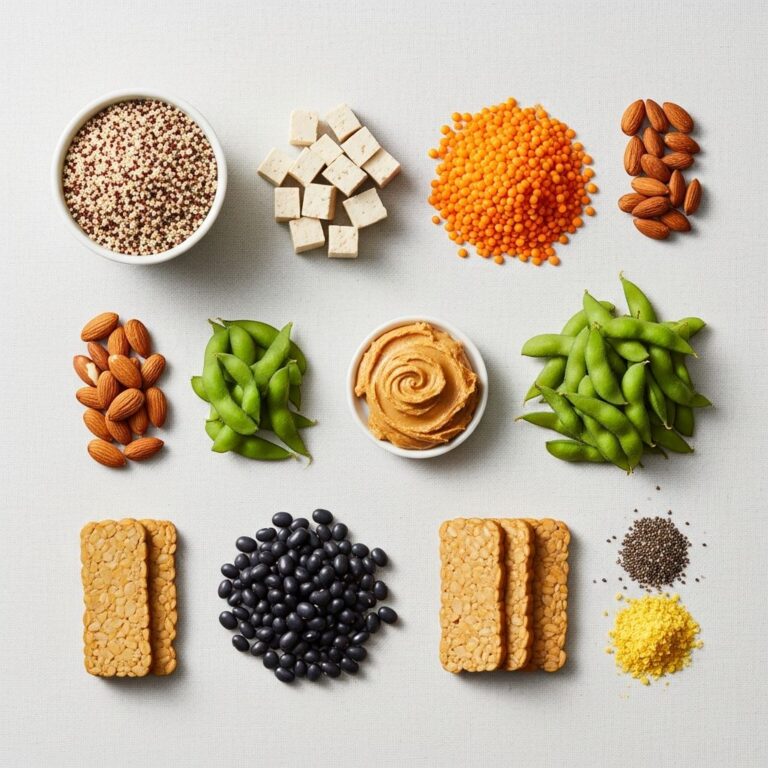
- Plant-based options (legumes, tofu, tempeh, nuts, seeds)
- Greek yogurt and cottage cheese
Distributing protein intake throughout the day—consuming 20 to 40 grams per meal—maximizes muscle protein synthesis more effectively than consuming all protein in one sitting.
Focus on Balanced Nutrition
While protein is critical, maintaining muscle requires a well-balanced diet rich in all essential nutrients. Complex carbohydrates provide energy for intense resistance training sessions, while healthy fats support hormone production and inflammation management. Micronutrients play equally important roles:
- Vitamin D supports muscle function and bone health; aim for 600-800 IU daily
- Calcium is essential for muscle contraction and bone density
- Magnesium supports muscle relaxation and energy production
- Antioxidants (vitamins C and E, selenium) help reduce exercise-induced inflammation
- Iron is necessary for oxygen transport to muscles during exercise
Working with a registered dietitian can help you develop a personalized nutrition plan that supports your muscle maintenance and overall health goals.
Get Regular Physical Activity
Beyond structured resistance training sessions, staying active throughout the day significantly contributes to muscle mass maintenance. Daily activities and recreational pursuits including walking, swimming, cycling, sports, gardening, and dancing all contribute to overall muscle health and cardiovascular fitness. Studies show that previously sedentary older adults experienced the greatest benefits with fewer than 20 minutes of physical activity per week, and experienced the biggest reduction in disability risk by adding at least 48 minutes of weekly activity. The key is consistency—regular movement throughout your week supports muscle preservation and functional independence.
Prioritize Sufficient Rest and Recovery
Muscle growth occurs during rest, not during the workout itself. When you resistance train, you stimulate muscle protein synthesis, but actual growth happens when you’re recovering. Getting adequate sleep is critical for muscle repair and development. Aim for 7 to 9 hours of quality sleep per night, as sleep deprivation impairs muscle recovery and can increase muscle breakdown. Additionally, allow adequate recovery time between resistance training sessions targeting the same muscle groups—typically 48 hours between sessions targeting identical muscles allows optimal recovery while preventing overtraining.
Special Considerations for Older Adults
Older adults face unique challenges in preserving muscle mass but can benefit tremendously from appropriate exercise. If you have chronic conditions, consult with your healthcare provider to understand how your condition affects your ability to exercise safely. Many chronic conditions don’t preclude exercise but may require modifications to your training program. Starting slowly, progressing gradually, and listening to your body are essential principles for long-term success and injury prevention.
Recovery from Inactivity and Injury
If you’ve experienced an extended period of inactivity due to injury or illness, don’t lose hope. While you can rapidly lose muscle during inactivity, you can also regain it through consistent training and proper nutrition. The process of rebuilding muscle after deconditioning typically takes longer than the initial loss, but regaining strength is absolutely achievable at any age. Starting with gentle, progressive resistance exercises and gradually increasing intensity and volume will safely restore your muscle mass and functional capacity.
Comparison of Muscle-Building Strategies
| Strategy | Effectiveness | Time Commitment | Cost | Best For |
|---|---|---|---|---|
| Weightlifting | Very High | 45-60 min, 2-3x/week | Moderate to High | Significant muscle gain |
| Bodyweight Exercises | High | 20-30 min, 3-4x/week | Free | Beginners, home workouts |
| Resistance Bands | High | 30-45 min, 2-3x/week | Low | Joint-friendly, portable |
| Daily Activity | Moderate | 30+ min daily | Free | Maintenance, general health |
Frequently Asked Questions
Q: How much muscle mass do we typically lose with age?
A: Most people lose approximately 1 to 2 percent of muscle mass annually starting around age 35, though this rate can accelerate after age 65. However, regular resistance training can significantly slow or even reverse this decline.
Q: How quickly can I regain muscle after a period of inactivity?
A: Muscle loss can occur rapidly—as much as 25 percent in just two weeks of inactivity—but regaining muscle typically takes longer than losing it. With consistent training and proper nutrition, you can begin seeing strength improvements within 2-4 weeks.
Q: Is it ever too late to start building muscle?
A: No. Research demonstrates that people of all ages, even in their 80s and 90s, can build and maintain muscle through appropriate resistance training combined with adequate protein intake.
Q: How much protein do I need daily?
A: Generally, aim for 1.0 to 1.2 grams per kilogram of body weight daily, particularly if engaging in regular resistance training. For example, a 150-pound (68 kg) person would need approximately 68-82 grams of protein daily.
Q: Can I maintain muscle with just cardiovascular exercise?
A: Cardiovascular exercise is excellent for heart health but doesn’t provide sufficient stimulus for building or maintaining muscle mass. Resistance training is essential for muscle preservation, though combining both types of exercise provides optimal health benefits.
Q: What role does sleep play in muscle recovery?
A: Sleep is critical—muscle growth occurs during rest, not during the workout itself. Inadequate sleep impairs muscle recovery and increases muscle breakdown. Aim for 7-9 hours of quality sleep nightly.
Conclusion
Muscle mass is far more than a fitness goal—it’s a critical component of health, healthspan, and overall wellbeing. From boosting metabolism and preventing chronic disease to enhancing mental health and extending lifespan, the benefits of maintaining muscle mass are undeniable and scientifically proven. Age-related muscle loss is not inevitable; through incorporating resistance training, proper nutrition, adequate sleep, and an active lifestyle into your routine, you can build and preserve muscle for a healthier, stronger future. Whether you’re in your 30s working to establish good habits, in your 60s seeking to prevent decline, or recovering from injury at any age, now is the time to prioritize muscle health. By taking action today, you’re investing in independence, vitality, and quality of life for decades to come.
References
- Why Muscle Mass Matters and How to Keep It — Massachusetts General Hospital. 2025-05-08. https://www.massgeneral.org/news/article/why-muscle-mass-matters-and-how-to-keep-it
- Muscle Mass Can Decline 25% In As Little As 2 Weeks — But We Can Get It Back — UC Berkeley Retirement Center. 2022-07. https://retirement.berkeley.edu/publications/muscle-mass-can-decline-25-little-2-weeks-we-can-get-it-back
- Physical Activity Guidelines for Americans — U.S. Department of Health and Human Services. 2019. https://health.gov/sites/default/files/2019-09/Physical_Activity_Guidelines_2nd_edition.pdf
- Muscle Loss in Older Adults and What to Do About It — Tufts University. 2021-02-09. https://now.tufts.edu/2021/02/09/muscle-loss-older-adults-and-what-do-about-it
Similar Articles








Read full bio of medha deb