Pressure Urticaria: Causes, Symptoms & Management
Understanding delayed pressure urticaria: recognition, diagnosis, and effective treatment strategies.
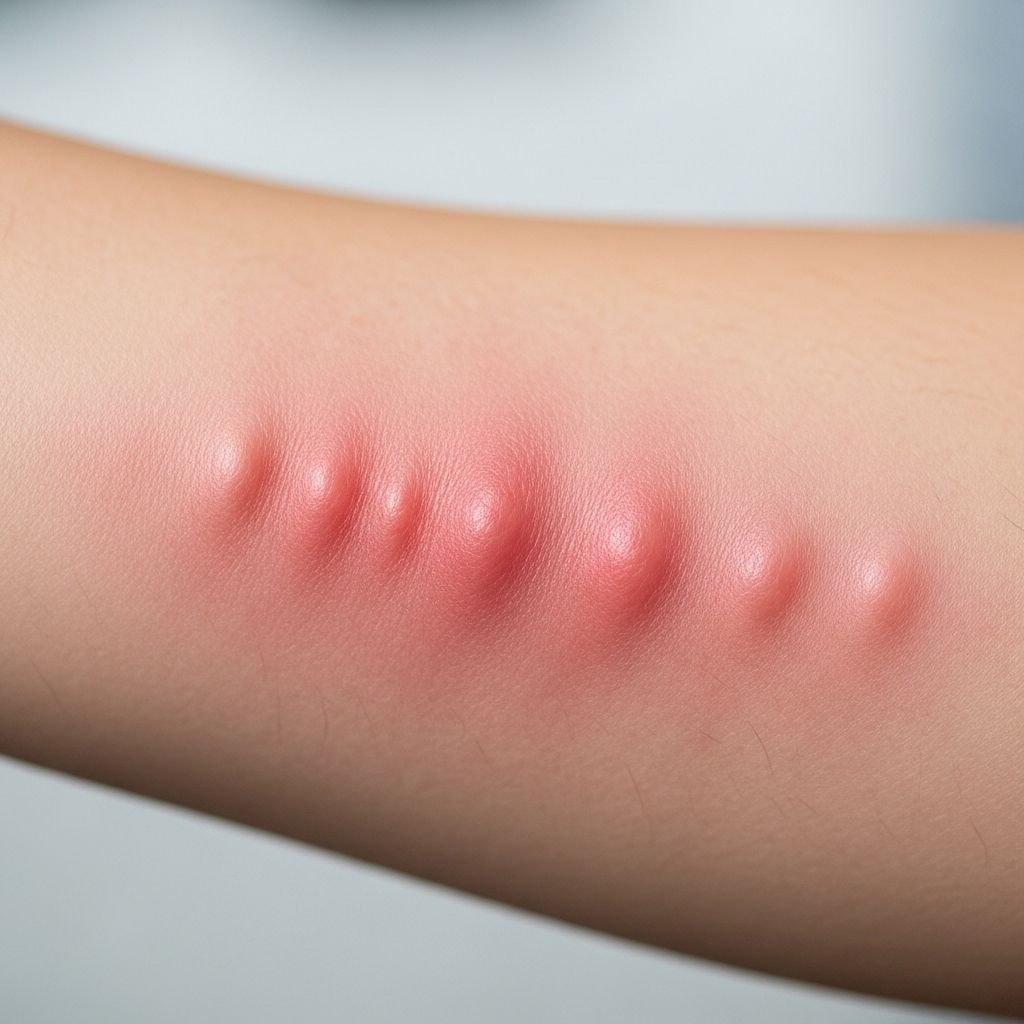
Pressure Urticaria: Understanding Delayed Pressure Hives
Pressure urticaria, also known as delayed-pressure urticaria (DPU), is a form of chronic inducible urticaria characterized by the development of painful swelling and hives that emerge hours after sustained pressure is applied to the skin. Unlike typical hives that appear immediately upon exposure, pressure urticaria represents a distinctive delayed inflammatory response that develops slowly within deeper skin layers. This condition is classified as part of chronic inducible urticaria, a category of hives triggered by specific physical or environmental factors that persist for more than six weeks.
The condition can significantly impact quality of life, particularly for individuals whose occupations or daily activities involve physical labor, prolonged standing, or carrying heavy objects. Understanding the mechanisms, symptoms, and management strategies is essential for patients and healthcare providers seeking to effectively control this challenging dermatological condition.
What Is Pressure Urticaria?
Pressure urticaria is a type of physical hives that manifests exclusively in response to mechanical stimuli rather than allergens. The defining characteristic of this condition is the significant delay between pressure application and symptom manifestation. While most conventional hives develop within minutes of exposure, pressure urticaria symptoms typically emerge four to eight hours after the triggering pressure is removed.
The condition can be disabling, as it has a greater impact on quality of life compared to many other types of chronic urticaria. Patients experience limitations in everyday activities such as prolonged walking, standing, or manual labor. The unpredictable nature of symptom onset makes this condition particularly challenging to manage, as individuals may not immediately associate their hives with activities from earlier in the day.
Symptoms of Pressure Urticaria
The clinical presentation of pressure urticaria varies among individuals, but several characteristic features distinguish this condition:
- Deep, painful swelling at sites where pressure was applied
- Delayed onset of symptoms occurring four to eight hours after pressure exposure
- Redness or discoloration on different skin tones
- Burning sensations in affected areas
- Welts or weals that typically persist for eight to seventy-two hours
- Itching in the hive areas
- Systemic symptoms including fatigue, fever, malaise, chills, headache, and general joint aches
The most commonly affected body areas include the hands, feet, trunk, buttocks, legs, and face. Notably, approximately 60% of individuals with pressure urticaria also experience chronic urticaria, indicating potential overlap between these conditions.
Types of Pressure Urticaria
Pressure urticaria is classified into two distinct types based on the timing of symptom onset:
Immediate Pressure Urticaria
Immediate pressure urticaria occurs when hives appear on the skin within minutes of pressure application, typically within five to seven minutes. This form develops rapidly as a direct response to the applied force.
Delayed Pressure Urticaria (DPU)
Delayed pressure urticaria represents the more common presentation, with symptoms appearing four to eight hours after pressure exposure. This delayed inflammatory response distinguishes DPU from other forms of physical urticaria and requires a different diagnostic approach.
Causes and Pathophysiology
The exact cause of pressure urticaria remains unclear, though research suggests it is likely an autoimmune disease. Rather than resulting from a single allergen, pressure urticaria develops through a mechanical trigger that initiates an inflammatory cascade within the skin’s deeper layers.
Related Stories



Cellular Mechanisms
The pathophysiological process involves several key cellular events:
- Mast cell activation: Under the skin’s surface, specialized cells called mast cells activate after repeated or prolonged force
- Histamine release: Activated mast cells release histamine and other inflammatory mediators, including IL-6 and TNF-alpha
- Immune cell infiltration: Extra immune cells such as neutrophils and eosinophils migrate into the affected area
- Progressive inflammation: The accumulation of these immune cells and chemical mediators causes increasing swelling and pain
Common Triggering Factors
Common causes of pressure urticaria include:
- Wearing constrictive or tight clothing
- Carrying heavy objects or shopping bags
- Prolonged sitting on hard surfaces
- Wearing tight shoes or restrictive footwear
- Body weight pressing down on surfaces during prolonged sitting or lying
- Activities involving sustained pressure during exercise
Certain factors can significantly worsen reactions, including heat, friction, nonsteroidal anti-inflammatory drugs (NSAIDs) such as aspirin, and menstruation. The delayed pattern of inflammation—which ramps up slowly, peaks later, and settles over many hours—is the defining characteristic of delayed-pressure urticaria.
Diagnosis of Pressure Urticaria
The diagnosis of delayed pressure urticaria is made clinically through patient history and observation of characteristic symptoms. A careful assessment of pressure triggers and symptom timing helps establish the condition.
Diagnostic Confirmation
Diagnosis can be confirmed through a standardized pressure stimulus test, where measured pressure is applied to the skin in a controlled setting. A delayed weal appearing after this stimulus confirms the diagnosis, though this test can be painful. In immediate pressure urticaria, a weal will appear within minutes of the stimulus.
Laboratory Findings
While diagnostic testing, a blood count may reveal an increased white cell count and erythrocyte sedimentation rate (ESR), though results are often normal. These nonspecific findings do not change management but may support the diagnostic impression in some cases.
Treatment and Management
Treatment for pressure urticaria focuses on avoiding pressure triggers when possible and managing symptoms with appropriate medications. Because the condition often does not respond well to antihistamines alone, a combination approach is typically necessary.
First-Line Therapies
Second-generation antihistamines are recommended as first-line therapy for delayed pressure urticaria. However, DPU is often resistant to antihistamines, requiring additional therapeutic interventions.
Advanced Medication Options
For patients who do not respond adequately to antihistamines, doctors typically prescribe a combination of antihistamines and leukotriene receptor antagonists. These drugs block chemicals that contribute to inflammation and swelling. Additional treatment options include:
- Omalizumab: A medication that targets IgE and affects immune cell function, showing particular benefit in antihistamine-resistant cases
- Dapsone: An antibiotic with anti-inflammatory properties
- Sulfasalazine: An anti-inflammatory medication
- Anti-TNF medications: Drugs that block proteins causing inflammation
- Theophylline: A bronchodilator medication that relaxes airway muscles
Symptomatic Management
Patients can also manage symptoms through several non-pharmacological approaches:
- Applying ice or cold washcloths to affected areas to soothe symptoms
- Taking corticosteroids in appropriate cases
- Using topical treatments for localized relief
Lifestyle Modifications and Prevention
While pressure urticaria cannot be entirely prevented, individuals can take significant steps to reduce the frequency and severity of reactions.
Avoidance Strategies
Effective prevention involves identifying and avoiding specific pressure triggers:
- Avoiding tight clothing and choosing loose-fitting garments
- Limiting prolonged periods of standing or sitting
- Avoiding carrying heavy objects when possible
- Taking regular breaks during activities that may trigger symptoms
- Using cushioned seating and supportive footwear
Symptom Tracking
People with pressure urticaria should identify their specific pressure triggers by keeping a detailed symptom diary. This record helps patients and healthcare providers understand individual trigger patterns and refine avoidance strategies.
Activity Planning
Individuals should plan daily activities to minimize sustained pressure exposure and allow adequate rest time between activities that may trigger symptoms. This proactive approach can significantly reduce symptom frequency and severity.
Medication Adherence
It is crucial for individuals to take prescribed medications consistently and work closely with their healthcare provider to develop a personalized prevention and management plan. Regular follow-up ensures that treatments remain effective and can be adjusted as necessary.
Prognosis and Long-Term Outlook
The outlook for individuals with pressure urticaria varies considerably. For many people, pressure urticaria is a chronic condition that can persist intermittently for several years. The condition can significantly impact quality of life, particularly for individuals whose work or daily activities involve physical labor or sustained pressure.
However, with appropriate treatment and management strategies, most people can effectively manage their symptoms. The key to improved outcomes involves early diagnosis, comprehensive understanding of individual triggers, and consistent adherence to both avoidance strategies and prescribed medications.
Frequently Asked Questions
Q: How long do pressure urticaria symptoms typically last?
A: Welts from pressure urticaria typically last between eight to seventy-two hours, with symptoms gradually subsiding over this period. The duration may vary depending on the severity of the trigger and individual immune response.
Q: Can pressure urticaria be completely cured?
A: While pressure urticaria cannot be completely cured, it can be effectively managed through trigger avoidance and appropriate medications. For many people, symptoms improve significantly with proper treatment strategies.
Q: What is the difference between immediate and delayed pressure urticaria?
A: Immediate pressure urticaria causes hives to appear within five to seven minutes of pressure application, while delayed pressure urticaria symptoms emerge four to eight hours after pressure exposure. The delayed form is more common and requires different management approaches.
Q: Are antihistamines effective for pressure urticaria?
A: Second-generation antihistamines are recommended as first-line therapy. However, pressure urticaria is often resistant to antihistamines alone, requiring combination therapy with additional medications such as leukotriene receptor antagonists or omalizumab.
Q: How is pressure urticaria diagnosed?
A: Diagnosis is made clinically through patient history and characteristic symptom presentation. Confirmation involves a standardized pressure stimulus test in which measured pressure is applied to the skin, and a delayed weal indicates positive diagnosis.
Q: Can exercise trigger pressure urticaria?
A: Yes, wearing constrictive clothing during exercise can trigger pressure urticaria, though this differs from exercise-induced urticaria. Loose-fitting clothing during physical activity can help reduce symptom onset.
Q: What should I do if I experience a severe reaction?
A: For severe reactions, contact a healthcare provider immediately. In some cases, epinephrine injections may be necessary. If symptoms do not improve within five to fifteen minutes, a second injection may be required.
References
- Pressure urticaria: Symptoms, treatment, and more — Medical News Today. 2024. https://www.medicalnewstoday.com/articles/pressure-urticaria
- Pressure Urticaria: An Uncommon Condition — Revival Research. https://revivalresearch.org/blogs/pressure-urticaria/
- Delayed pressure urticaria – DermNet — DermNet. https://dermnetnz.org/topics/pressure-urticaria
- Chronic Urticaria: Causes, Symptoms, Diagnosis, & Treatment — Allergy and Asthma Network. https://allergyasthmanetwork.org/chronic-urticaria/cu-causes-symptoms-diagnosis-treatment/
Similar Articles








Read full bio of medha deb