Pretibial Myxoedema: Causes, Symptoms & Treatment
Comprehensive guide to pretibial myxoedema: understanding this rare skin condition linked to thyroid disease.
Pretibial Myxoedema: A Comprehensive Overview
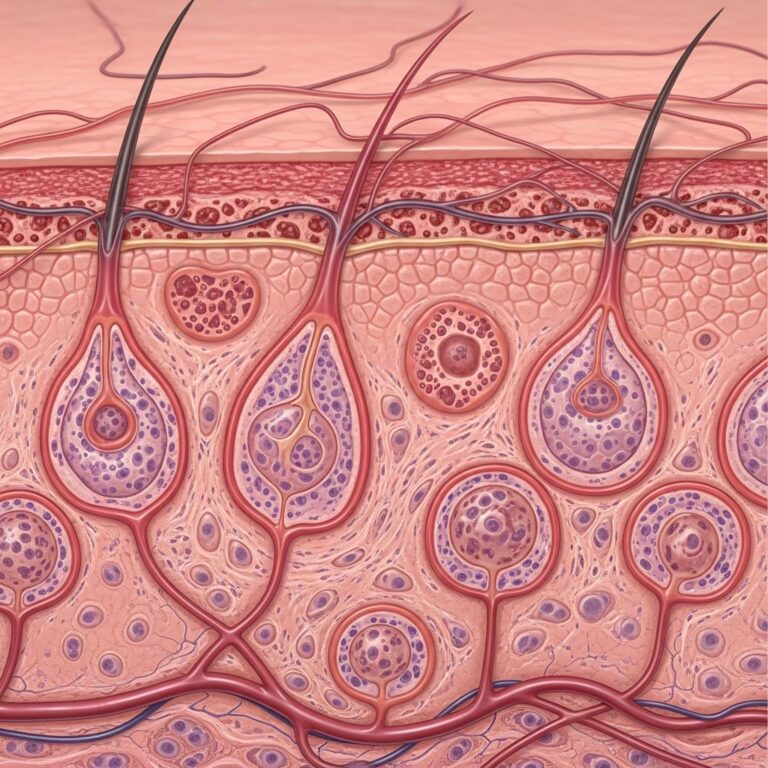
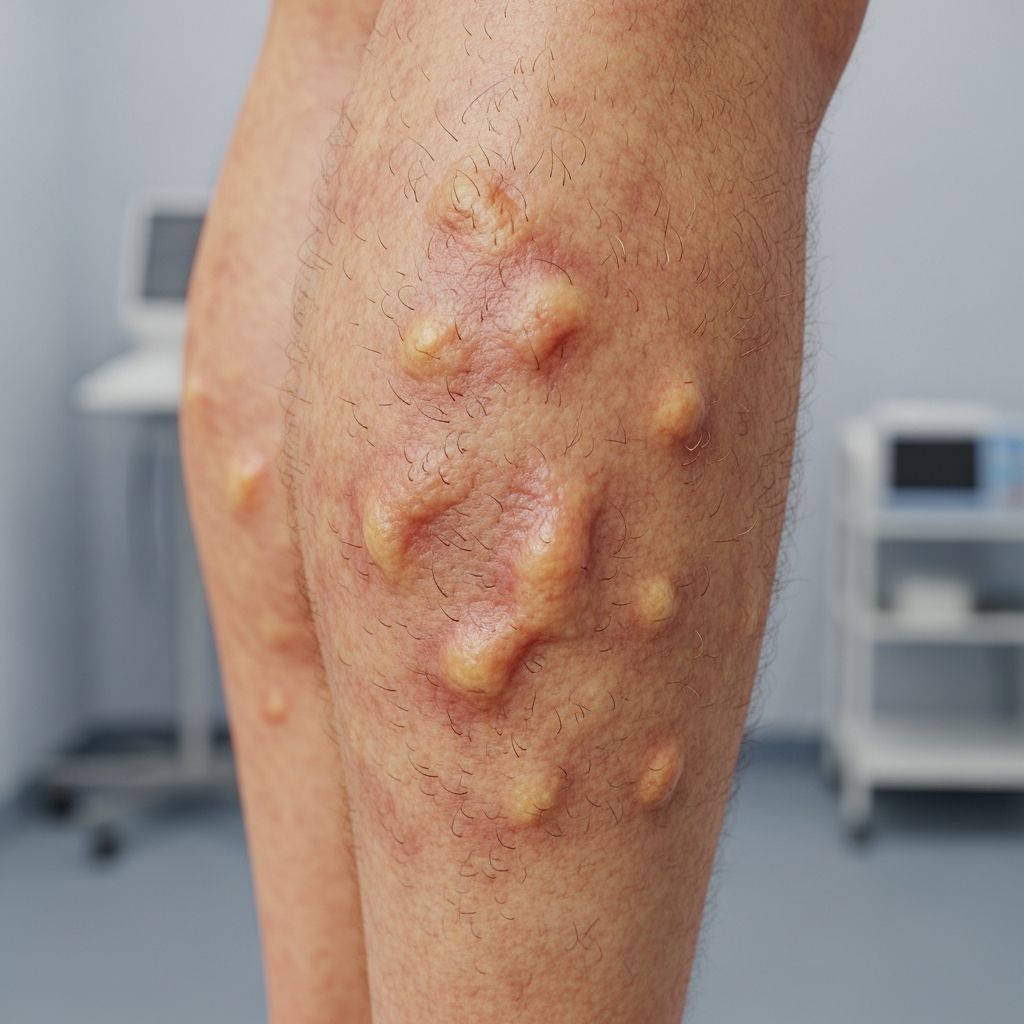
Pretibial myxoedema is a form of diffuse mucinosis characterized by the accumulation of excess glycosaminoglycans in the dermis and subcutis of the skin. Glycosaminoglycans, also called mucopolysaccharides, are complex carbohydrates that are essential for tissue hydration and lubrication. The primary glycosaminoglycan involved in pretibial myxoedema is hyaluronic acid, which is produced by cells called fibroblasts. This condition typically manifests as localized swelling and thickening of the skin in the pretibial region, which is the front part of the lower leg.
Pretibial myxoedema represents a distinctive autoimmune manifestation that requires understanding of its underlying pathophysiology, clinical presentation, and management strategies. Despite being a relatively rare condition, it carries significant clinical implications as a marker of systemic thyroid disease, particularly Graves’ disease. The condition varies widely in severity, from mild asymptomatic cases to severe presentations with significant cosmetic and functional concerns.
Introduction to Pretibial Myxoedema
Pretibial myxoedema, also known as localized myxoedema or thyroid dermopathy, is an autoimmune skin manifestation most commonly associated with Graves’ disease. The condition occurs in approximately 0.5 to 4.3 percent of individuals with hyperthyroidism due to Graves’ disease. While often appearing in patients with known Graves’ disease, pretibial myxoedema can occasionally occur in other thyroid conditions, including Hashimoto’s thyroiditis, though this is considerably rarer.
The condition represents one of several extrathyroidal manifestations of Graves’ disease, alongside eye disease (ophthalmopathy) and other systemic features. Understanding pretibial myxoedema is essential for dermatologists, endocrinologists, and primary care physicians, as its recognition and proper management can improve patient outcomes and quality of life.
Causes and Pathophysiology
Autoimmune Mechanisms
Pretibial myxoedema is nearly always associated with Graves disease, an autoimmune disorder affecting the thyroid gland. In Graves’ disease, the immune system produces antibodies directed against the TSH receptor (TSH-R) that activate this receptor, often causing increased circulating thyroid hormone levels, a condition known as hyperthyroidism or thyrotoxicosis.
The development of pretibial myxoedema is likely due to a combination of factors rather than a single causative mechanism. The exact pathophysiological mechanisms linking thyroid autoimmunity to dermal glycosaminoglycan accumulation remain incompletely understood, but involve aberrant immune responses that extend beyond the thyroid gland itself. Genetic predisposition plays a significant role, as individuals with a family history of autoimmune diseases are at higher risk of developing pretibial myxoedema.
Environmental and Infectious Factors
While pretibial myxoedema is primarily linked to thyroid dysfunction, certain environmental factors may exacerbate the condition. Exposure to specific toxins or infections that affect the thyroid gland could potentially contribute to disease development. However, specific infectious agents directly causing pretibial myxoedema have not been conclusively identified. Environmental triggers appear to act in conjunction with underlying genetic susceptibility and autoimmune predisposition rather than as independent causes.
Demographics and Risk Factors
Pretibial myxoedema can affect individuals of any age, though it is most commonly observed in adults. The condition occurs in both males and females, though some studies suggest a potential female predominance, consistent with the general female predominance of autoimmune thyroid diseases.
Related Stories



Key risk factors include:
- Family history of autoimmune thyroid disease
- Presence of Graves’ disease or history of hyperthyroidism
- Genetic predisposition to autoimmune conditions
- Presence of TSH receptor antibodies
- Concurrent thyroid eye disease
Clinical Features and Presentation
Characteristic Symptoms
Pretibial myxoedema presents with distinctive clinical features affecting the pretibial area of the lower legs. The primary symptoms include:
- Swelling (Edema): Noticeable swelling in the pretibial area, often described as a “puffy” appearance, which may be pitting or non-pitting.
- Thickened Skin: The skin may feel thick and rubbery to the touch, with a characteristic leathery texture.
- Waxy Appearance: The affected skin often displays a distinctive waxy or shiny appearance.
- Erythema: Reddening of the affected skin area may be present.
- Itching and Discomfort: Some patients experience itching or discomfort in the pretibial area, though many cases are asymptomatic.
Disease Severity and Presentation Patterns
Pretibial myxoedema exhibits variable clinical presentation, ranging from mild asymptomatic cases to severe manifestations. Mild cases may present with subtle skin changes that patients discover incidentally or during physical examination. Moderate cases involve noticeable swelling and skin thickening with possible cosmetic concerns. Severe cases can progress to significant edema and elephantiasis (marked enlargement and thickening of the skin), which may substantially impact mobility and quality of life.
In many instances, pretibial myxoedema is often asymptomatic and mild, potentially requiring no treatment at all. The bilateral presentation is common, with symmetric involvement of both pretibial regions, though unilateral or asymmetric presentations can occur.
Diagnosis
Clinical Evaluation
Diagnosis of pretibial myxoedema involves a comprehensive clinical approach. The diagnostic process includes:
- Detailed patient history documenting symptom onset, progression, and associated systemic symptoms
- Thorough physical examination of the affected pretibial areas, assessing swelling characteristics, skin texture, and appearance
- Assessment for concurrent thyroid eye disease or other Graves’ disease manifestations
- Evaluation of medical history for known thyroid disease or hyperthyroid symptoms
Laboratory Testing
Thyroid function testing is essential for confirming the underlying thyroid disorder:
- Thyroid Function Tests: Measurement of TSH, free thyroxine (FT4), and free triiodothyronine (FT3) to assess thyroid status
- Antibody Testing: Detection of TSH receptor antibodies (TRAb) to confirm Graves’ disease diagnosis
- Thyroid Peroxidase Antibodies: May be elevated in autoimmune thyroid disease
Histopathological Examination
While clinical diagnosis is usually sufficient, specific histopathology may be confirmed as a diagnostic aid for pretibial lesions through skin biopsy. Histological examination reveals characteristic accumulation of hyaluronic acid and other glycosaminoglycans in the dermis and subcutaneous tissues. However, health facilities may lack access to this diagnostic technique, making clinical and laboratory findings the primary diagnostic approach in most settings.
Treatment Options
Conservative and Lifestyle Management
Many patients with pretibial myxoedema do not require active treatment, particularly those with mild asymptomatic disease. Key management strategies include:
- Minimisation of Risk Factors: Avoiding factors that may exacerbate the condition
- Adequate Thyroid Control: Optimal management of the underlying Graves’ disease
- Protective Clothing: Using appropriate clothing to cover lesions and provide comfort
- Leg Elevation: Reducing edema through elevation of affected limbs
Medical Treatments for Underlying Thyroid Disease
The management of pretibial myxoedema primarily focuses on treating the underlying thyroid condition. Treatment options for Graves’ disease include:
- Antithyroid Medications: Drugs such as methimazole or propylthiouracil can help reduce thyroid hormone production in cases of hyperthyroidism.
- Radioactive Iodine Therapy: This treatment destroys overactive thyroid cells, leading to a reduction in hormone production.
- Thyroidectomy: In some cases, surgical removal of the thyroid gland may be necessary.
Topical Corticosteroid Therapy
Topical corticosteroids are the most commonly employed treatment for pretibial myxoedema when symptomatic intervention is needed. Key features include:
- Application Under Occlusive Dressing: In mildly severe symptomatic cases and when there is cosmetic concern, topical corticosteroids applied under occlusive dressing are beneficial.
- Potency Range: Topical corticosteroids are offered in a range of potencies, from low-potency steroids including fluocinolone acetonide to high-potency steroids, such as clobetasol propionate.
- Long-Term Management: Pretibial myxoedema often requires long-term topical glucocorticoid administration for sustained improvement.
- Treatment Efficacy: Topical corticosteroids were the most commonly used treatment (53.9%) in clinical practice, with many patients experiencing significant improvement.
Advanced Treatment Modalities
For more severe cases or those refractory to initial therapy, several advanced treatment options are available:
- Systemic Immunomodulation: In more severe cases, systemic immunomodulation may be necessary, though conclusive evidence for long-term efficacy is lacking.
- Intralesional Corticosteroid Injections: Direct injection of corticosteroids into affected tissues can be effective for localized treatment.
- Intravenous Glucocorticoids: Success with intravenous glucocorticoids followed by oral glucocorticoids has been documented in case reports.
- Octreotide: Reports indicate that injections of octreotide, an insulin-like growth factor 1 antagonist, are beneficial in refractory cases.
- Intralesional Hyaluronidase: Cases of pretibial myxoedema successfully treated with intralesional hyaluronidase have been reported.
- Compressive Therapy: Local compressive therapy may provide added benefit when significant edema and elephantiasis are present.
- Additional Therapies: Adjunctive treatments such as radiotherapy, surgery, gamma globulin, and pentoxifylline have shown varying degrees of success in small studies.
Treatments Not Recommended
Surgical excision is generally not advised despite the success of some case studies, as the high rate of dermopathy recurrence makes this approach impractical for most patients.
Long-Term Outcomes and Prognosis
The prognosis for pretibial myxoedema is generally quite good. Long-term follow-up data reveal encouraging outcomes:
- After 25 years of follow-up, 58% of severe cases treated with local therapy and 70% of milder untreated cases experienced partial or full remission.
- Most patients with asymptomatic pretibial myxoedema do not require treatment or follow-up.
- Long-term remission appears to be more a function of initial disease severity than a result of treatment received.
It remains challenging to assess the definitive long-term effectiveness of specific treatments—such as topical corticosteroids and compressive dressings—from current studies because they have not been directly compared with non-therapy groups of patients with severe dermopathy. The natural history of the condition suggests that spontaneous improvement or remission occurs in a substantial proportion of patients, independent of treatment.
Frequently Asked Questions
Q: What exactly is pretibial myxoedema?
A: Pretibial myxoedema is a skin condition involving accumulation of glycosaminoglycans, particularly hyaluronic acid, in the dermis and subcutis of the pretibial area (front of the lower leg), resulting in swelling, thickening, and a waxy appearance of the skin.
Q: What causes pretibial myxoedema?
A: Pretibial myxoedema is primarily caused by autoimmune thyroid disease, particularly Graves’ disease, which results from antibodies to the TSH receptor. Genetic predisposition and autoimmune factors play significant roles in its development.
Q: How common is pretibial myxoedema?
A: Pretibial myxoedema is a rare condition, occurring in approximately 0.5 to 4.3 percent of individuals with hyperthyroidism due to Graves’ disease.
Q: What are the main symptoms of pretibial myxoedema?
A: Symptoms include noticeable swelling in the pretibial area, thickened skin with a rubbery texture, waxy appearance, reddening, and sometimes itching or discomfort. Many cases are asymptomatic.
Q: How is pretibial myxoedema diagnosed?
A: Diagnosis involves clinical examination of the pretibial area, thyroid function tests (TSH, FT4, FT3), and TSH receptor antibody testing. Skin biopsy may confirm diagnosis histologically, though it is not always necessary.
Q: What is the best treatment for pretibial myxoedema?
A: Treatment depends on severity. Mild asymptomatic cases often require no treatment. Topical corticosteroids under occlusive dressing are the most common treatment for symptomatic cases. More severe cases may require systemic immunomodulation, intralesional injections, or other advanced therapies.
Q: Can pretibial myxoedema be cured?
A: While not always curable, pretibial myxoedema has a good prognosis. Many patients experience spontaneous partial or complete remission, especially with appropriate management of the underlying thyroid disease.
Q: Is treatment always necessary?
A: No. Many patients with mild asymptomatic pretibial myxoedema do not require treatment. Treatment is primarily indicated when symptoms are bothersome or significant cosmetic concerns exist.
Q: Can pretibial myxoedema recur after treatment?
A: Yes, there is a documented high rate of dermopathy recurrence following treatment, which is why surgical excision is generally not recommended despite occasional success in individual cases.
References
- Pretibial Myxedema – Causes, Symptoms, Diagnosis, and Treatment — Apollo Hospitals. https://www.apollohospitals.com/diseases-and-conditions/pretibial-myxedema
- Pretibial myxedema: pathophysiology and treatment options — PubMed/National Institutes of Health. https://pubmed.ncbi.nlm.nih.gov/16252929/
- Pretibial myxedema in Grave’s disease: A case report and treatment approach — PubMed Central. https://pmc.ncbi.nlm.nih.gov/articles/PMC10883341/
- Pretibial Myxedema in a Euthyroid Patient — Journal of Clinical and Aesthetic Dermatology. https://jcadonline.com/pretibial-myxedema-in-a-euthyroid-patient/
- Pretibial myxoedema — DermNet New Zealand. https://dermnetnz.org/topics/pretibial-myxoedema
- Dermopathy of Graves’ Disease (Pretibial Myxedema): Long-Term Treatment and Outcomes — Journal of Clinical Endocrinology & Metabolism, Oxford Academic. https://academic.oup.com/jcem/article/87/2/438/2846476
Similar Articles








Read full bio of Sneha Tete