How to Prevent Arthritis: Key Steps for Joint Health
Discover proven lifestyle strategies to reduce arthritis risk and maintain healthy joints.
What Can You Do to Help Prevent Arthritis?
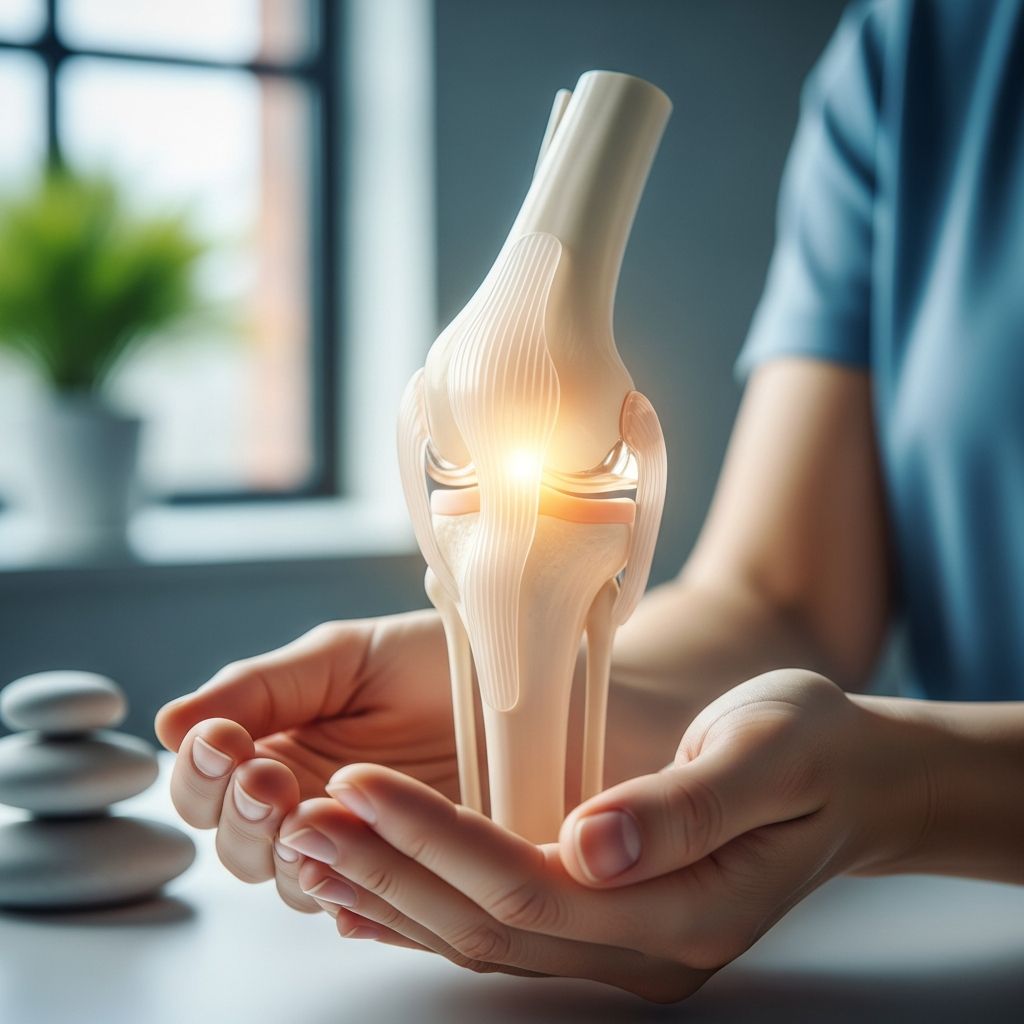
Arthritis can affect people of any age, but your best chances of avoiding arthritis develop when you are healthy, mobile, and pain-free. While there is no guaranteed way to prevent arthritis entirely, you do have significant control over your joint health through lifestyle choices and preventive measures. Understanding which factors you can modify and which are beyond your control is the first step toward protecting your joints for the long term.
Can You Prevent Arthritis?
The straightforward answer is that there is no sure way to prevent arthritis, but you can lead a lifestyle that substantially reduces your chances of developing the condition and delays the onset of certain types. This is an important distinction: while some risk factors are non-modifiable and cannot be changed, many others are entirely within your control.
Arthritis cannot always be avoided because some risk factors are determined by genetics and biology. For instance, women have a higher chance of developing arthritis compared to men, and having a family history of the condition means you are more genetically prone to getting it. These are factors you cannot change about yourself.
However, arthritis prevention should focus on what you can control—the daily habits and behaviours in your lifestyle that you can modify to reduce your odds or delay the onset of arthritis. If you have healthy joints now, taking good care of them through joint-friendly practices can help protect against future pain and immobility.
Healthy Lifestyle Habits to Help Prevent Arthritis
The following evidence-based lifestyle modifications can significantly reduce your arthritis risk and support long-term joint health.
Maintain a Healthy Weight
One of the most impactful preventive measures is maintaining a healthy weight. Osteoarthritis (OA) generally develops in people over 50 years of age, but obesity is the main preventable contributor to OA, and it can cause younger people to experience arthritis symptoms such as joint pain and stiffness. This occurs because carrying excess body weight places additional pressure and stress on your joints, particularly weight-bearing joints like the knees, hips, and lower back.
Beyond the mechanical stress, an increase in fat cells promotes inflammation throughout the body, which can contribute to arthritic changes. Extra weight worsens arthritis symptoms and increases pain, making weight management an essential component of arthritis prevention. Gradual, lasting healthy changes are the most effective approach to weight management; even a modest weight loss can make quite a difference in reducing joint stress.
Exercise Regularly
Regular exercise is one of the most effective preventive strategies and is also a common treatment for types of arthritis, including rheumatoid arthritis (RA). Low-impact exercise limits wear and tear on your joints while helping to keep them strong, along with the bones and muscles surrounding and supporting them.
If you have healthy joints, staying active now can help preserve joint function and prevent future problems. Effective low-impact exercises include:
- Walking
- Swimming and water aerobics
- Cycling
- Rowing
- Using elliptical trainers
- Stretching and range-of-motion exercises
- Yoga
Swimming is particularly ideal for most joints because it supports your body weight while allowing movement through a full range of motion. A physical or occupational therapist can help you create an exercise program tailored to your needs, focusing on stretching, range-of-motion exercises, and gradual strength training. The key is consistency; any regular exercise is better than none, and even managing a regular walk can provide substantial benefits.
Related Stories



Follow a Healthy Diet
The benefits of a healthy diet extend to arthritis prevention, and diet plays a particularly important role in preventing gout, a form of arthritis. Gout is caused by an excess of uric acid in your bloodstream, and the foods you consume can directly contribute to uric acid levels.
Foods rich in purines—such as offal, game, and marmite—as well as sweetened foods and drinks can produce excessive uric acid. To protect your joints and prevent arthritis, follow these dietary guidelines:
- Eat a variation of the main food groups
- Get most of your sugar from whole fruits rather than processed sources
- Limit highly processed foods
- Focus on anti-inflammatory foods like fatty fish, fruits, vegetables, and nuts
- Avoid high-purine foods if you have gout risk factors
A balanced, whole-food-based diet supports not only joint health but also your general health and arthritis prevention overall.
Quit Smoking
Smoking is the most significant lifestyle change you can make to reduce your chance of developing rheumatoid arthritis (RA). RA is a form of arthritis that causes inflammation in your joints because your immune system mistakenly attacks your own healthy tissues.
Smoking triggers inflammation and may cause your body to produce anti-CCP antibodies—a protein specific to the development of RA. Additionally, toxins in cigarette smoke can damage connective tissues, which can increase arthritis pain. Research has also shown that electronic cigarettes (e-cigarettes) may similarly harm connective tissues. If you smoke, quitting is one of the most powerful steps you can take for your long-term joint health.
Protect Against Sports Injuries
Although sports injuries are accidental events, preventing them is crucial for long-term joint health. One of the main causes of osteoarthritis in people under 50 years is prior sports joint injuries, such as ACL (anterior cruciate ligament) and meniscus tears in the knee.
To reduce your injury risk, take these precautions:
- Always warm up before playing sports or engaging in intense physical activity
- Wear proper safety equipment, such as supportive footwear
- Use protective gear like knee pads when appropriate for your activity
- Follow proper technique and form to avoid undue stress on joints
- Build strength and flexibility gradually to support joint stability
Preventing initial joint damage through these protective measures can help you avoid arthritis development later in life.
Daily Joint Care Practices
Beyond the major lifestyle changes, mindfulness in everyday routines supports long-term joint health. Be mindful of your joints in all activities, whether sitting, standing, or moving.
Keep your joints flexible by doing gentle daily stretches to move your joints through their full range of motion. Maintain good posture in your daily activities; a physical therapist can teach you proper ways to sit, stand, and move to minimize joint stress. Know your limits by balancing activity and rest appropriately, avoiding overuse that could damage healthy joints.
Arthritis Prevention by Type
Preventing Osteoarthritis
Osteoarthritis prevention focuses heavily on weight management and regular exercise. Since OA is primarily a wear-and-tear condition, reducing pressure on joints through weight loss and strengthening the supporting muscles through exercise are the most effective preventive strategies. Swimming stands out as an excellent choice for maintaining joint health without excessive impact.
Preventing Rheumatoid Arthritis
For RA prevention, smoking cessation is paramount, followed by maintaining a healthy weight and engaging in regular joint-protecting exercise. These self-management strategies are just as important for RA as they are for osteoarthritis, though people with RA may also benefit from specific medical treatments if the condition develops.
Preventing Reactive Arthritis
If you have had one episode of reactive arthritis (arthritis that develops following an infection elsewhere in the body), you should take particular care to protect against sexually transmitted diseases and food poisoning, which may trigger a further episode.
Key Takeaways for Joint Health
While you cannot change your genetic predisposition or sex, you have substantial control over your arthritis risk through:
- Maintaining a healthy weight to reduce joint stress and inflammation
- Exercising regularly with low-impact activities that strengthen supporting muscles
- Following a healthy, balanced diet that limits inflammatory foods
- Quitting smoking to reduce inflammation and joint damage
- Protecting your joints from sports injuries through proper technique and safety equipment
- Practicing good posture and daily joint care habits
These measures work together synergistically to protect your joints, maintain mobility, and help you avoid arthritis or delay its onset significantly.
Frequently Asked Questions
Q: Is arthritis completely preventable?
A: No, arthritis cannot always be completely prevented because some risk factors like genetics and sex are not modifiable. However, you can substantially reduce your risk and delay onset through lifestyle modifications including weight management, regular exercise, healthy diet, and avoiding smoking.
Q: What is the single most important thing I can do to prevent arthritis?
A: Maintaining a healthy weight is arguably the most important preventive measure, as excess weight places direct stress on joints and promotes inflammation. However, combining weight management with regular low-impact exercise creates the most powerful prevention strategy.
Q: Can I still develop arthritis if I follow all these prevention strategies?
A: Yes, it is still possible to develop arthritis despite following prevention strategies, particularly if you have a strong family history or genetic predisposition. However, these lifestyle modifications significantly reduce your overall risk and can delay onset by years or even decades.
Q: Is swimming better than other exercises for arthritis prevention?
A: Swimming is ideal for most joints because it supports your body weight while allowing full range-of-motion movement. However, other low-impact exercises like walking, cycling, and yoga are also excellent choices. The best exercise is the one you’ll do consistently.
Q: How much weight loss is needed to reduce arthritis risk?
A: Even modest weight loss can make a significant difference in reducing joint stress and arthritis risk. Gradual, lasting healthy changes are most effective; consult your healthcare provider about achievable weight management goals for your situation.
Q: Can diet alone prevent arthritis?
A: While diet is important—particularly for preventing gout—it works best in combination with other preventive measures. A healthy diet supports joint health but should be paired with weight management, regular exercise, and other lifestyle modifications for optimal arthritis prevention.
References
- What can you do to help prevent arthritis? — Patient.info. 2025-11-26. https://patient.info/features/bones-joints-muscles/what-can-you-do-to-help-prevent-arthritis
- Arthritis pain: Do’s and don’ts — Mayo Clinic. https://www.mayoclinic.org/diseases-conditions/arthritis/in-depth/arthritis/art-20046440
- Reactive Arthritis: Symptoms, Treatment, and Causes — Patient.info. https://patient.info/bones-joints-muscles/arthritis/reactive-arthritis
- What’s the difference between osteoarthritis and rheumatoid arthritis? — Patient.info. https://patient.info/features/bones-joints-muscles/whats-the-difference-between-osteoarthritis-and-rheumatoid-arthritis
- Arthritis: Symptoms, Causes, Types, Treatment & Prevention — Cleveland Clinic. https://my.clevelandclinic.org/health/diseases/12061-arthritis
- Osteoarthritis: Causes, Symptoms, and Treatment — Patient.info. https://patient.info/bones-joints-muscles/arthritis/osteoarthritis
- Rheumatoid Arthritis: Symptoms, Treatment, & Medications — Patient.info. https://patient.info/bones-joints-muscles/rheumatoid-arthritis-leaflet
Similar Articles








Read full bio of medha deb