Prevent Eye Infections: Expert Tips For Everyday Protection
Essential strategies to shield your eyes from harmful infections and maintain clear vision through daily habits.
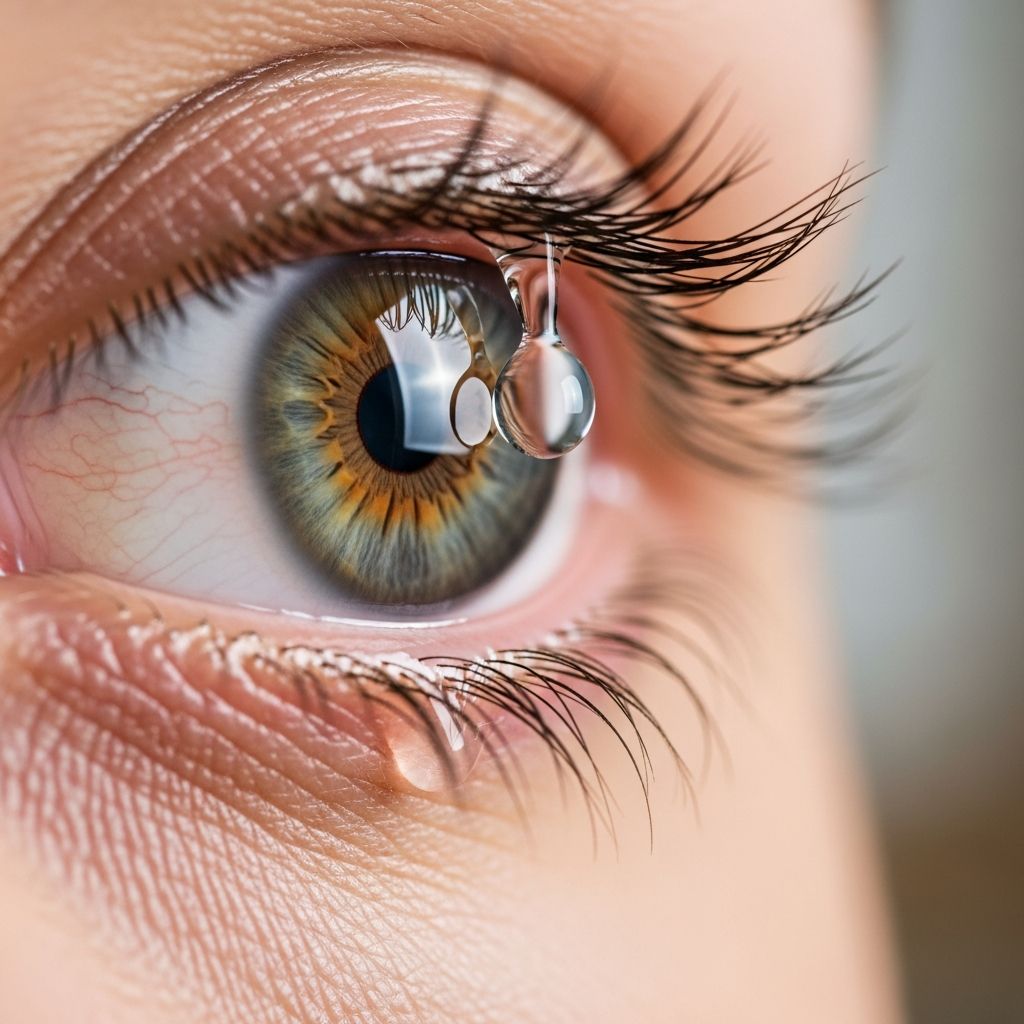
Your eyes are vital windows to the world, but they face constant threats from bacteria, viruses, and fungi lurking in everyday environments. Simple actions like thorough handwashing and proper contact lens care can drastically lower infection risks. This guide explores common eye threats, recognition signs, and proven defenses to keep your vision sharp and healthy.
Why Eye Infections Happen
Eye infections occur when harmful microbes invade delicate ocular tissues. Bacteria often trigger conditions through poor hygiene, while viruses spread via close contact. Fungi thrive in moist settings like pools or unclean lenses. Contact lens wearers face heightened vulnerability due to reduced oxygen flow and germ buildup on lenses.
Compromised eye surfaces from scratches or dryness create entry points for pathogens. Chronic issues like diabetes weaken defenses, amplifying risks. Understanding these triggers empowers proactive protection.
Common Types of Eye Infections
Several infections plague eyes frequently, each with unique traits. Here’s a breakdown:
- Conjunctivitis (Pink Eye): Inflames the conjunctiva, causing redness, itchiness, and discharge. Highly contagious via hand-to-eye transfer or shared items.
- Keratitis: Targets the cornea, often from bacterial or fungal invasion, especially in lens users. Symptoms include pain, blurred vision, and light sensitivity.
- Blepharitis and Styes: Eyelid inflammations from clogged glands or bacteria. Styes form painful lumps; blepharitis leads to crusting and irritation.
- Uveitis: Deeper inflammation inside the eye, stemming from infections or autoimmune factors. It demands urgent care to prevent vision loss.
| Infection Type | Main Causes | Key Symptoms |
|---|---|---|
| Conjunctivitis | Bacteria, viruses, allergens | Redness, discharge, itching |
| Keratitis | Contact lenses, injury | Pain, light sensitivity, vision blur |
| Blepharitis/Stye | Bacterial buildup, poor hygiene | Swelling, crusting, tenderness |
| Uveitis | Infection, immune response | Eye pain, floaters, redness |
Recognizing Early Warning Signs
Spotting symptoms promptly prevents escalation. Persistent redness, unusual discharge, or gritty sensations signal trouble. Severe pain, vision changes, or light intolerance warrant immediate professional attention.
Children often spread pink eye in schools, so monitor outbreaks closely. Injuries exposing the cornea heighten fungal risks, particularly from plant matter. Track changes during allergy seasons or after water exposure.
Core Prevention Habits for Daily Life
Consistent routines form the strongest shield. Start with these fundamentals:
- Wash hands for at least 20 seconds with soap before touching eyes or lenses.
- Resist rubbing eyes, even if itchy—use clean tissues instead.
- Swap towels, pillowcases, and washcloths daily in hot water.
Avoid tobacco, as it impairs healing and boosts susceptibility. Hydrate and eat nutrient-rich foods supporting immune function.
Contact Lens Users: Special Safeguards
Lenses demand meticulous care to avert disasters like microbial keratitis. Always wash hands prior to handling. Clean lenses per instructions, never rinse with tap water harboring acanthamoeba.
- Replace cases quarterly; discard disposables post-infection.
- Avoid overnight wear unless approved; give eyes nightly breaks.
- Skip lenses during swimming—goggles are essential.
Related Stories



Follow replacement schedules religiously. Annual exams catch issues early.
Makeup and Personal Items: Hidden Dangers
Eye cosmetics breed bacteria if mishandled. Never share brushes or products. Remove makeup nightly; replace every 3-4 months or post-infection.
Discard expired items. Clean applicators regularly to curb fungal growth. Personal towels and pillows stay exclusive—launder frequently.
Environmental and Activity Protections
Outdoors and recreation pose threats. Wear UV-blocking sunglasses and safety goggles for sports. Steer clear of moldy areas; maintain dry indoor spaces.
Public pools teem with germs—goggles prevent entry. Manage dry eye or diabetes to bolster natural barriers.
Responding to Active Infections
If infection strikes, act swiftly to contain it. Isolate: avoid sharing items, stay pool-free. Clean discharge with fresh washcloths; discard cottons.
Handwash post-handling linens. Pause lenses until cleared by a doctor; trash infected disposables. Antibiotics target bacteria; viruses resolve naturally.
Long-Term Eye Wellness Strategies
Beyond prevention, routine checkups ensure resilience. Annual comprehensive exams detect vulnerabilities. Monitor vision shifts; report promptly.
Lifestyle counts: balanced diets, hydration, and smoking cessation aid recovery. For high-risk groups, tailored plans from providers optimize safety.
FAQs on Eye Infection Prevention
Can I wear contacts if my eyes feel irritated?
No—remove immediately and consult an eye doctor to rule out infection.
How often should I replace my contact lens case?
Every three months, or sooner if infected.
Is pink eye always contagious?
Bacterial and viral forms spread easily; allergic types do not.
What if I get an eye injury?
Seek care fast—clean gently but avoid self-treatment.
Does swimming without goggles risk infection?
Yes—water carries bacteria and parasites.
Building an Infection-Proof Routine
Integrate these habits seamlessly. Morning handwashes, nightly cleanups, and weekly case checks build defenses. Educate family on non-sharing rules, especially kids.
Technology aids: reminders for lens schedules, apps tracking hygiene. Prioritize eyes—they deserve unwavering vigilance for lifelong clarity.
References
- Eye Infections: Common Types, Causes, Symptoms & Treatment — All About Vision. 2023. https://www.allaboutvision.com/conditions/infections-allergies/eye-infections/
- Understanding Eye Infections: A Complete Guide to Prevention — ReFocus Eye Doctors. 2024-05-15. https://cheshire.refocuseyedoctors.com/article/understanding-eye-infections-what-you-need-to-know/
- 10 Tips for Avoiding Eye Infections — Smart Eye Care NYC. 2023-08-10. https://www.smarteyecare.nyc/blog/10-tips-for-avoiding-eye-infections
- How to Prevent Pink Eye — Centers for Disease Control and Prevention (CDC). 2024-02-01. https://www.cdc.gov/conjunctivitis/prevention/index.html
- Eye Infections: A Clear Guide to Symptoms & Treatment — Paterson Eye Doctor. 2023. https://patersoneyedoctor.com/article/eye-infections-a-clear-guide-to-symptoms-treatment/
- The 5 Most Common Eye Infections – How To Avoid Them — Focus Clinics. 2024. https://www.focusclinics.com/blog/most-common-eye-infections/
Similar Articles








Read full bio of Sneha Tete