How to Prevent and Treat Chafing: Expert Tips
Learn what causes chafing and discover proven prevention and treatment strategies from dermatologists.
What Is Chafing?
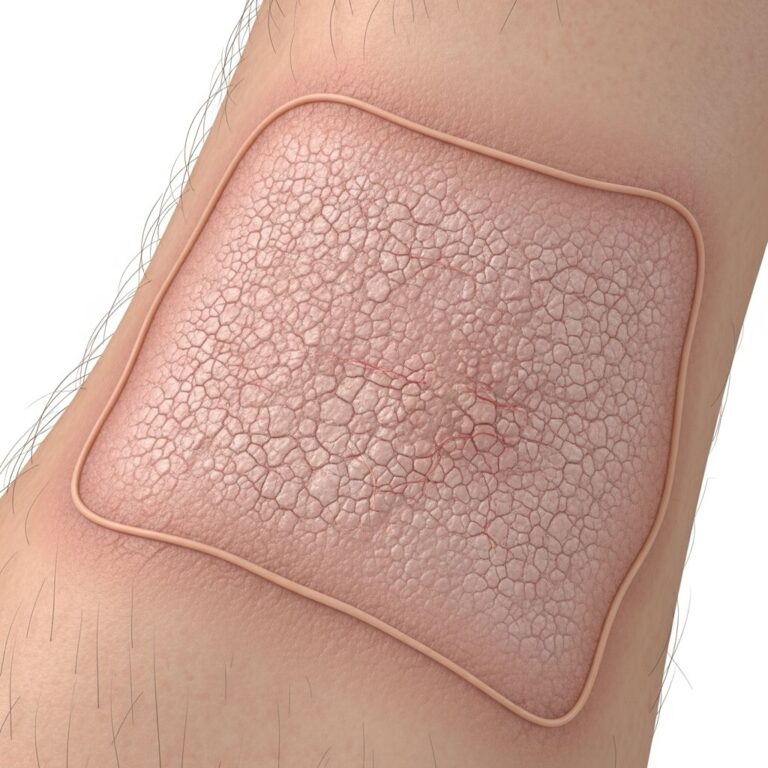
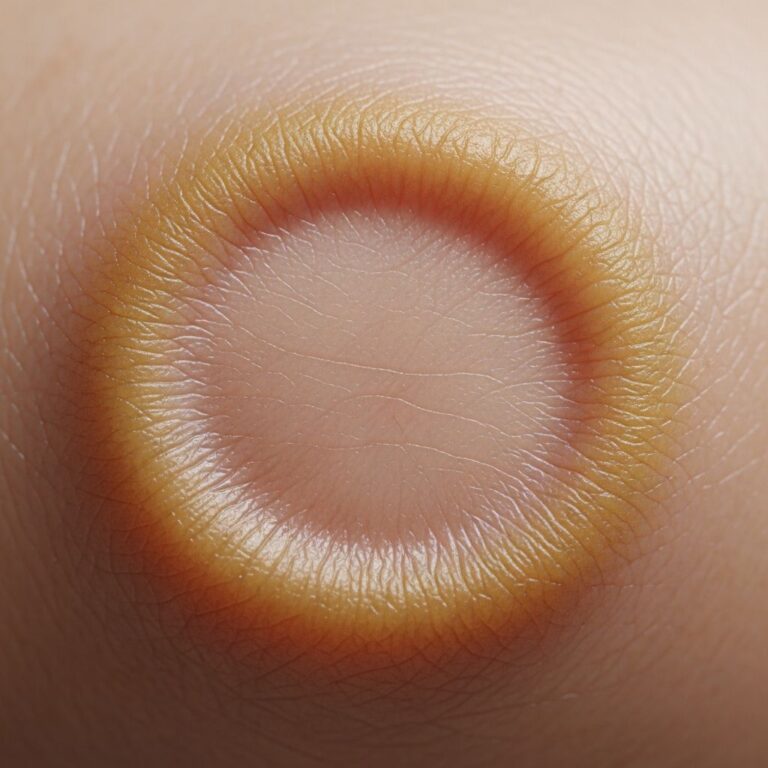
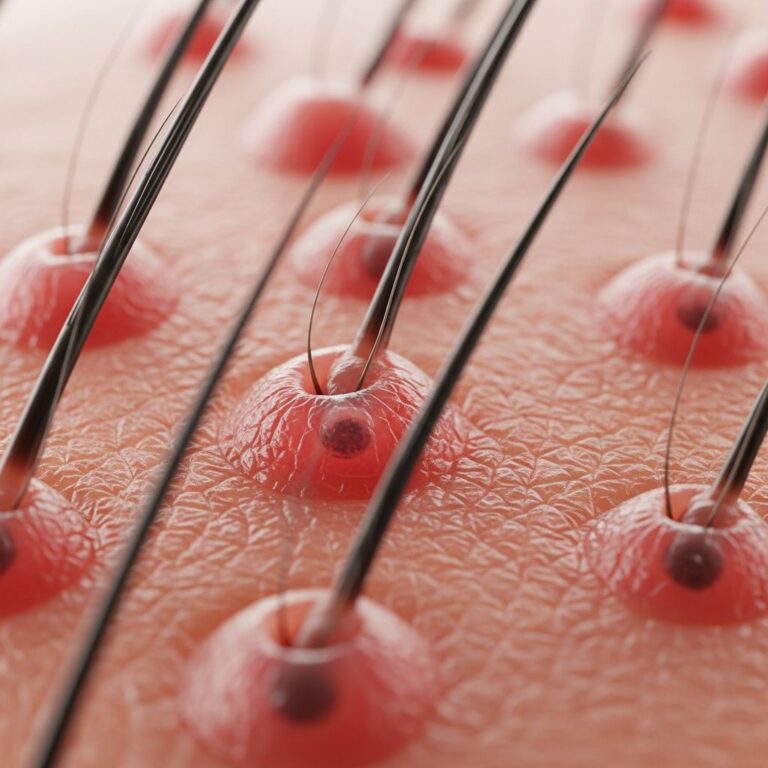
Chafing is a common skin irritation caused by friction, moisture, and irritating fabric rubbing against your skin. The repetitive motion damages the outer layer of skin, leading to inflammation and a distinctive red rash. When chafing occurs, your skin may burn, sting, and itch, with symptoms ranging from mild redness to more severe swelling, bleeding, or crusting in extreme cases.
While chafing commonly affects the inner thighs and buttocks, it can develop anywhere on the body where conditions favor friction and moisture. Areas particularly vulnerable include the nipples, groin, feet, armpits, and under the arms or breasts. The condition is especially prevalent among runners, cyclists, and other endurance athletes who combine repetitive movements with perspiration.
Common Causes of Chafing
Understanding what triggers chafing is essential for prevention. Multiple factors can contribute to this uncomfortable skin condition:
- Friction from repetitive motion: Any activity involving repeated rubbing of skin against skin or clothing can cause chafing.
- Excessive moisture and sweat: Sweat is a major contributor to chafing. It increases friction, softens the skin barrier, and its acidity and saltiness enhance irritation. This is why chafing is often more common during summer months and after sweaty activities.
- Ill-fitting clothing: Garments that don’t fit properly, including sleeves, bra straps, and waistbands, can repeatedly rub on skin in irritating ways. Similarly, uncomfortable seams or tags may trigger chafing.
- Coarse or irritating fabrics: Certain materials are more likely to cause chafing than others. Fabrics that don’t wick moisture away from the skin increase friction and irritation.
- Endurance sports: Activities like biking and running, which combine sweat production with prolonged repetitive motion, are common chafing triggers.
- Other lifestyle factors: Being overweight, nursing (breastfeeding), prolonged diaper use, wearing skirts in hot weather, and walking long distances can all lead to chafing.
The combination of friction, moisture, and heat creates what dermatologists call “the perfect storm” for chafing. This is why the condition is so prevalent among athletes and during warm, humid weather.
How to Prevent Chafing
Prevention is the best treatment for chafing. By implementing simple strategies into your daily routine and before activities that trigger the condition, you can significantly reduce your risk.
Choose the Right Clothing
Proper clothing selection is fundamental to chafing prevention. Wear moisture-wicking fabrics such as those made from spandex, polyester, or nylon, which pull sweat away from your skin. Alternatively, 100% cotton fabric can be gentler on your skin than coarse materials. Ensure that all clothing fits properly—avoid items that are too tight or too loose, as both can cause friction. Pay special attention to the fit of shoes, shirts across your chest, and pants at the waistline.
Additionally, avoid clothing with uncomfortable seams or tags that may chafe your skin. For specific areas prone to chafing, you can use soft bandages to create a protective “second skin,” which is especially helpful on feet, inner thighs, and nipples.
Manage Moisture and Sweat
Keeping your skin dry is crucial for preventing chafing. Change out of sweaty gear as soon as possible after exercise or activity. Wet clothing increases friction, and dried sweat mixed with debris can further irritate your skin. If you know you’re prone to chafing, consider using protective ointments containing petrolatum or zinc oxide before engaging in activities that typically trigger the problem.
Related Stories



Activity-Specific Prevention
Select appropriate clothing for the specific activity you’re doing. For runners, athletic tights can help reduce friction, while cyclists benefit from specialized cycling shorts. If chafing is unavoidable due to your typical lifestyle or exercise routine, implement protective measures while engaging in those activities.
How to Treat Chafing
If chafing develops despite prevention efforts, prompt treatment is essential to prevent complications and accelerate healing.
Immediate Steps
The first action is to stop the activity causing the irritation. Continuing movements that trigger chafing worsens the problem and can potentially cause long-term skin damage, including scars or discoloration. Once you’ve halted the activity, gently pat the affected skin dry and remove any irritating clothing.
Topical Treatments
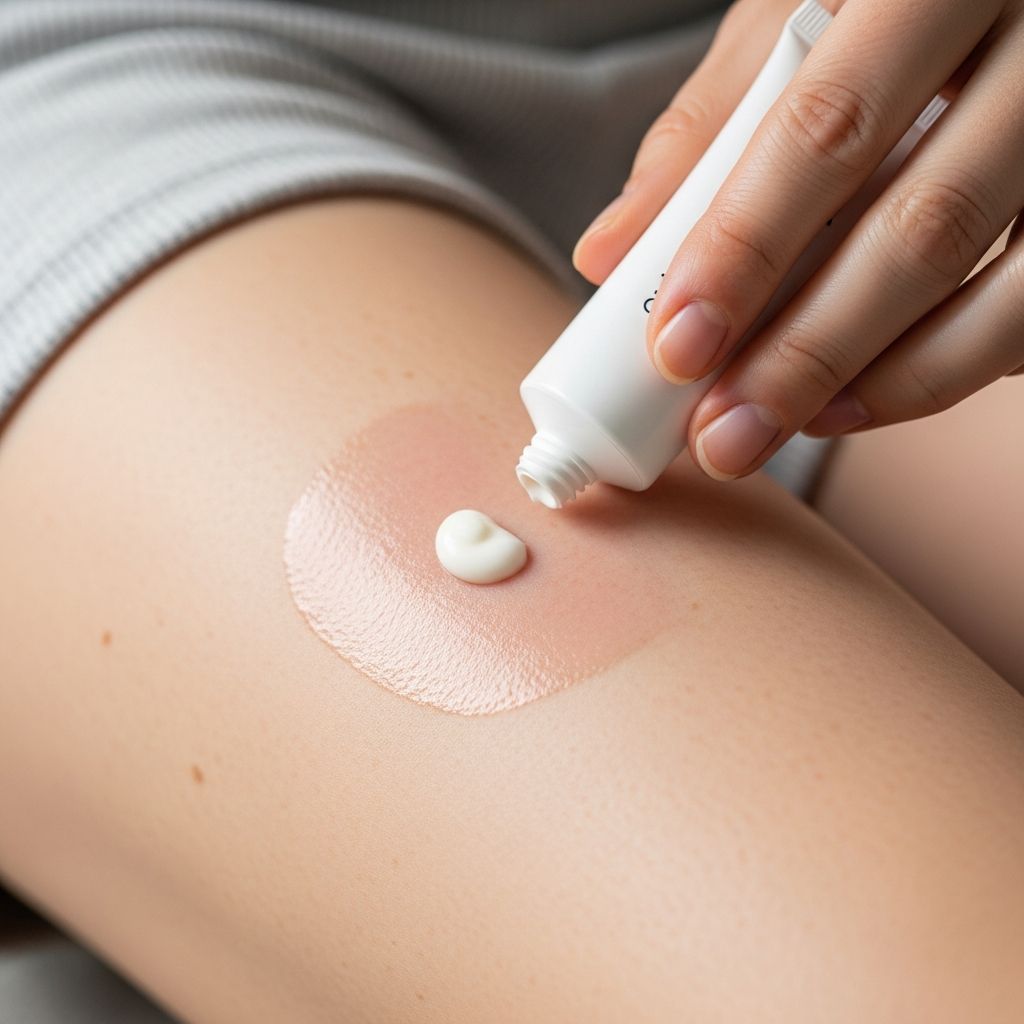
Begin treatment by gently washing the affected area with mild soap. After patting the skin dry, apply a thick layer of ointment containing petrolatum or zinc oxide to repair and protect the skin. These ingredients create a protective barrier while your skin heals.
For soothing irritation, dermatologists recommend applying aloe vera gel, coconut oil, or over-the-counter antibiotic cream. Additionally, hydrocortisone cream (1% strength) applied twice daily for a few days can calm inflammation. Fragrance-free products that repel moisture are preferable, as scented items may cause additional irritation.
Clothing and Exposure During Healing
While your skin heals, wear loose-fitting, breathable clothing to minimize additional friction. If there is abrasion or blistering on the skin surface, petroleum jelly can be applied between cleanings until the skin heals over. Getting fresh air on the affected area also aids healing.
Recovery Timeline and When to Seek Medical Care
Mild chafing symptoms will usually improve within a few days if you remove the irritating stimulus. However, if symptoms don’t improve with at-home treatments within this timeframe, consult a dermatologist.
Seek medical attention immediately if you notice any of these warning signs:
- The rash spreads beyond the initial area
- The skin begins to ooze or discharge
- Pain or swelling increases
- You develop a fever
- Bleeding, discoloration, swelling, or crusting appears
These symptoms may indicate an infection requiring professional medical treatment. Your doctor may prescribe an antibiotic or antifungal cream, oral medication, or a stronger steroid ointment for severe inflammation. A dermatologist can also provide tailored prevention methods based on your lifestyle and activities that contribute to chafing.
Understanding Complications
Chafing disrupts the skin’s protective barrier against germs and infection. While mild redness and chapped skin are manageable at home, more severe chafing can lead to lasting complications. Chronic chafing may result in scarring and skin discoloration if left untreated.
The breaks in the skin caused by chafing create an entry point for bacteria or germs, potentially leading to infections. This is why proper treatment and monitoring are essential, especially for severe cases.
Key Prevention Strategies Summary
| Prevention Method | How It Helps | When to Use |
|---|---|---|
| Moisture-wicking clothing | Pulls sweat away from skin, reducing friction and moisture | During exercise and hot weather |
| Proper-fitting clothes | Eliminates excess rubbing from loose or tight garments | All activities |
| 100% cotton fabric | Gentle on skin with natural breathability | Daily wear |
| Protective ointments | Creates barrier against friction and moisture | Before known chafing-prone activities |
| Soft bandages/tape | Provides protective layer on vulnerable areas | On feet, inner thighs, nipples |
| Quick clothing changes | Removes moisture and reduces ongoing friction | After sweaty activities |
Frequently Asked Questions About Chafing
Q: How long does it take for chafing to heal?
A: Mild chafing typically heals within a couple of days if you remove the irritating stimulus. More severe cases may take longer, and complications like infections can extend healing time.
Q: Can chafing lead to permanent scarring?
A: Yes, chronic chafing that goes untreated can lead to scarring and skin discoloration. This is why prompt treatment and prevention are important.
Q: What’s the best ointment for chafing?
A: Ointments containing petrolatum or zinc oxide are most effective for protecting and repairing chafed skin. Aloe vera gel and coconut oil are also recommended for soothing irritation.
Q: Is chafing contagious?
A: Chafing itself is not contagious, but if it becomes infected, the infection could potentially spread through direct contact. This is why keeping the area clean and treating it promptly is important.
Q: Can I prevent chafing completely?
A: While complete prevention may be difficult if you regularly participate in chafing-prone activities, you can significantly reduce its severity and frequency through proper clothing, moisture management, and protective measures.
Q: Should I cover chafed skin or expose it to air?
A: During the day, you can apply petroleum jelly and cover the area if needed for protection. However, letting the area get fresh air while you sleep helps it heal faster.
References
- How to Stop Chafing — Time Magazine. 2025. https://time.com/7300908/how-to-stop-chafing/
- Chafing: Treatment, Prevention, and Causes — Healthline, Medically reviewed by Stacy Sampson, D.O. 2019. https://www.healthline.com/health/chafing
- Chafing — MedlinePlus Medical Encyclopedia, National Library of Medicine. https://medlineplus.gov/ency/article/002034.htm
Similar Articles








Read full bio of medha deb