Preventing Cross-Contact At Home: 6 Essential Strategies
Essential strategies to prevent cross-contact with allergens and gluten in your kitchen for safer home cooking.
Many households today include individuals with food allergies, celiac disease, or sensitivities to ingredients like gluten, peanuts, or dairy. Preventing
cross-contact
—the unintended transfer of allergenic proteins or gluten particles from one food or surface to another—is crucial for safe home cooking. Unlikecross-contamination
, which involves harmful bacteria and can be eliminated by proper cooking temperatures, cross-contact with allergens persists even after cooking because heat does not destroy allergenic proteins.This guide provides detailed, actionable strategies across all stages of food handling: shopping, storage, preparation, cooking, cleaning, and serving. By implementing these practices, you can create a safer kitchen environment, reducing the risk of allergic reactions or gluten exposure.
Smart Shopping Strategies
Cross-contact can begin before food reaches your kitchen, especially in shared shopping environments. Vigilance starts at the grocery store to minimize risks from the outset.
- Separate carts and bags: When shopping for others or mixed households, store potentially problematic foods in plastic produce bags. Use a second cart if possible, and keep items separate through checkout until home storage.
- Avoid high-risk areas: Steer clear of bulk bins, hot/cold salad bars, and deli counters, where shared scoops, tongs, or airborne particles increase cross-contact chances.
- Read labels religiously: Check ingredient lists every time, as manufacturers may change recipes without notice. Look for allergen warnings and ‘may contain’ statements.
- Opt for sealed packaging: Choose pre-packaged items over open displays to reduce handling exposure.
These steps ensure allergens or gluten don’t hitch a ride home unintentionally, setting the foundation for a safe pantry.
Set Up a Storage System
Proper organization in pantries, refrigerators, and freezers prevents drips, crumbs, or mixing. Designate zones to keep safe foods isolated.
- Dedicated shelves: Reserve top shelves for allergen-free or gluten-free items to avoid crumbs falling from above. Place containing foods on lower shelves.
- Clear labeling: Use color-coded stickers—green for ‘safe’ and red for ‘not safe’—on all items. This helps children, visitors, and babysitters identify options quickly.
- Squeeze bottles for condiments: Transfer peanut butter, jelly, or sour cream into squeeze bottles to eliminate double-dipping with utensils.
- Sealed containers: Store allergens in airtight, labeled containers. For freezers, double-wrap to prevent odor and particle transfer.
- Avoid look-alikes: Don’t store similar items like soy milk and cow’s milk side-by-side; use special containers for safe versions.
Regularly clean storage areas to remove residue, and educate household members on the system to maintain compliance.
Conscious Cooking is Key to Preventing Cross-Contact
Preparation is where most cross-contact occurs. Sequence matters: always handle safe foods first.
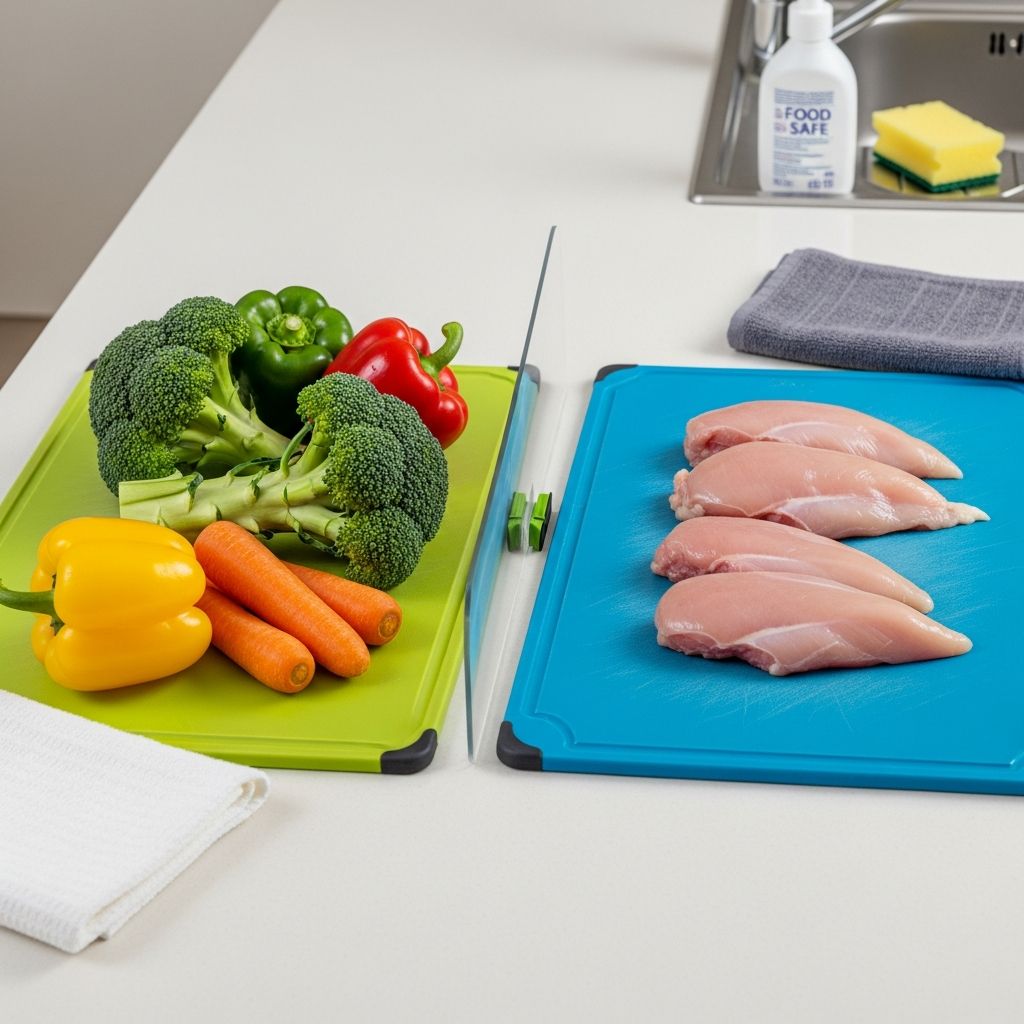
- Separate tools and appliances: Use dedicated cutting boards, utensils, pots, strainers, rolling pins, whisks, and pizza cutters for safe foods. Color-code for easy identification (e.g., blue for gluten-free).
- Prep order: Cook allergen- or gluten-free dishes before others. Clean surfaces and equipment thoroughly between uses.
- Dedicated spaces: If feasible, assign a counter area exclusively for safe food prep.
- Appliance checks: Inspect toasters, blenders, and grills—use toaster bags or foil liners for safe toasting. Clean griddles fully before safe cooking.
- Hand hygiene: Wash hands with soap for 20 seconds after handling allergens, before touching safe foods.
Related Stories



Change gloves and aprons when switching tasks. Teach family the ‘no double-dipping’ rule for jars.
Wash and Wash Again
Thorough cleaning eliminates residue that causes cross-contact. Hot, soapy water or dishwashers are essential.
- Hands and PPE: Scrub hands for 20 seconds; swap gloves/aprons between allergen handling.
- Utensils and dishes: Wash with hot, soapy water or dishwasher-rinse immediately after use.
- Surfaces and appliances: Wipe crumbs with a dry towel first, then wash or sanitize counters, stoves, and large items.
- Full clean routine: Sterilize everything that touches food—boards, sinks, etc. Limit eating to kitchen/dining areas for easier cleanup.
For shared homes, this routine becomes habit to protect sensitive individuals.
Consider Cross-Contact Through Service
Serving amplifies risks if not managed. Prioritize safe dishes.
- Serve safe first: Plate allergen-free meals before others; carry separately. For family-style, let allergic guests self-serve first.
- Avoid DIY bars: Skip make-your-own sundaes, salads, or toppings to prevent mixing.
- Separate serving tools: Use distinct plates, utensils, and serving spoons.
- Communicate: Label dishes clearly. If cross-contact is suspected, inform guests and remake safely.
- Table setup: Keep safe foods covered and distant from allergens to avoid splatter.
Double-check packaged sides for hidden allergens before serving.
Additional Tips for Shared Households
Beyond basics, foster awareness and habits.
- Have ‘the talk’ with family about risks and rules.
- Limit allergens to kitchen zones.
- For guests, provide instruction cards listing allergens.
Frequently Asked Questions (FAQs)
What is the difference between cross-contamination and cross-contact?
Cross-contamination transfers bacteria, killed by cooking. Cross-contact transfers allergens/gluten, unaffected by heat.
Do I need separate kitchens?
No, but dedicated tools, zones, and routines suffice in shared spaces.
How often should I clean for prevention?
After every use involving allergens; daily for high-traffic areas.
Are toaster bags effective?
Yes, they barrier crumbs in shared toasters.
What if cross-contact happens during serving?
Notify immediately and prepare a fresh safe dish.
Implementing these strategies transforms your kitchen into an allergy-aware haven. Consistency protects health, allowing worry-free meals.
References
- Preventing Cross-Contact at Home — Academy of Nutrition and Dietetics. 2023. https://www.eatright.org/food/home-food-safety/wash-and-separate-foods/preventing-cross-contact-at-home
- Avoiding Cross-Contamination at Home — The Difference Baker. 2024. https://thedifferencebaker.com/blogs/resources/avoiding-cross-contamination-at-home
- Avoiding Cross-Contact In Your Kitchen — Kids With Food Allergies. 2024-07-01. https://kidswithfoodallergies.org/living-with-food-allergies/choosing-safe-foods/prevent-allergic-reactions-in-your-kitchen/
- 7 Tips for Avoiding Gluten Cross-Contact at Home — Gluten Intolerance Group. 2021-01-08. https://gluten.org/2021/01/08/cross-contact/
- Avoiding Cross-Contact Allergen Contamination — Food Allergy Awareness & Care. 2024. https://www.foodallergyawareness.org/food-allergy-and-anaphylaxis/cross-contact/cross-contact/
- Avoiding Cross-Contact — Food Allergy Research & Education (FARE). 2024. https://www.foodallergy.org/resources/avoiding-cross-contact
Similar Articles








Read full bio of medha deb