Preventing DVT When You Travel: Essential Tips To Stay Safe
Essential strategies to minimize deep vein thrombosis risk during air, car, bus, or train travel for safer journeys.
Deep vein thrombosis (DVT) is a blood clot that forms in a deep vein, most often in the legs, and can lead to serious complications like pulmonary embolism if it travels to the lungs. Long periods of immobility during travel, especially flights over 4 hours, increase this risk by slowing blood flow in the legs.
What is DVT?
DVT occurs when a blood clot develops in a deep vein, typically in the calf or thigh. Immobility causes blood to pool in the lower limbs, promoting clot formation. While rare in low-risk travelers, the risk rises with travel duration, starting notably after 4 hours of sitting. Symptoms may include leg pain, swelling, redness, or warmth, but many cases are asymptomatic until complications arise.
Risks extend beyond air travel to cars, buses, and trains, where prolonged sitting similarly impairs circulation. Studies confirm a dose-response relationship: longer immobility heightens VTE (venous thromboembolism, encompassing DVT and pulmonary embolism) incidence.
Who is at increased risk of DVT?
Not all travelers face equal risk. Low-risk individuals (no additional factors) rarely need prophylaxis, but certain conditions amplify danger:
- Previous DVT or VTE history.
- Recent major surgery (within 1 month).
- Active cancer or chemotherapy.
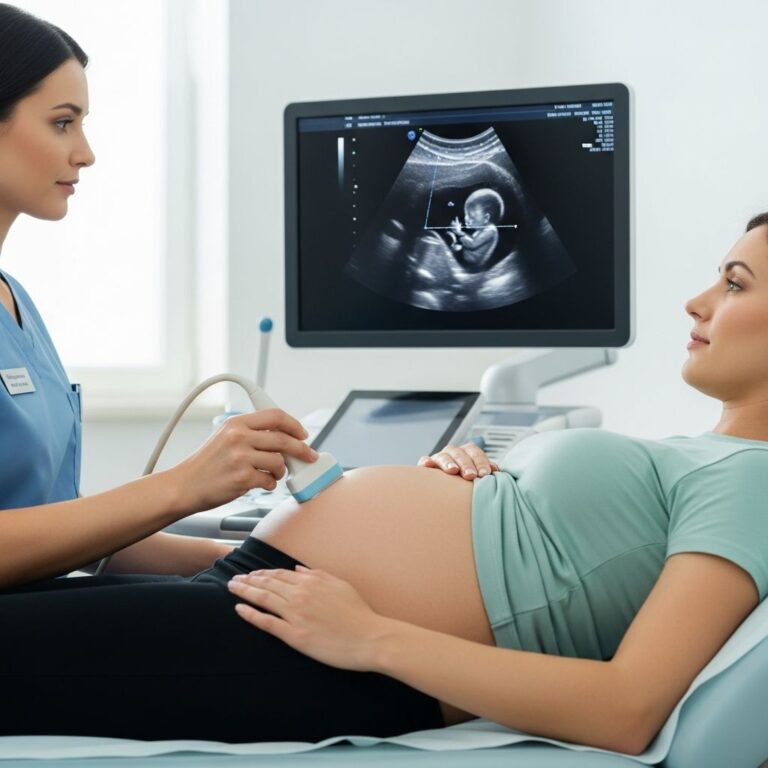
- Pregnancy or postpartum period.
- Hormone replacement therapy or oral contraceptives.
- Obesity (BMI over 30).
- Age over 60.
- Multiple risk factors combined (e.g., obesity plus smoking).
- Thrombophilia or clotting disorders.
Guidelines from the American Society of Hematology (ASH) define ‘substantially increased risk’ as recent surgery, prior VTE, active malignancy, or ≥2 factors like pregnancy and hormone use. For these, travel >4 hours warrants targeted prevention.
How much does travel increase the risk of DVT?
Air travel elevates VTE risk, with evidence showing a dose effect from 4 hours onward. One systematic review found flights ≥4 hours linked to higher odds, though absolute risk remains low (about 1 in 4,600 for 4-hour flights, rising with duration). Overland travel poses similar threats due to immobility.
Post-travel risk persists for weeks, as clots can form up to 2 weeks after immobility. Flights of 8-10 hours or more carry the greatest danger. Dehydration, cabin pressure, and low humidity exacerbate this.
General measures to prevent DVT
All travelers can reduce risk through simple, evidence-based steps. Guidelines universally recommend these for everyone, regardless of baseline risk:
- Stay mobile: Walk every 1-2 hours. On planes, stroll the aisle; in cars, stop hourly for a short walk.
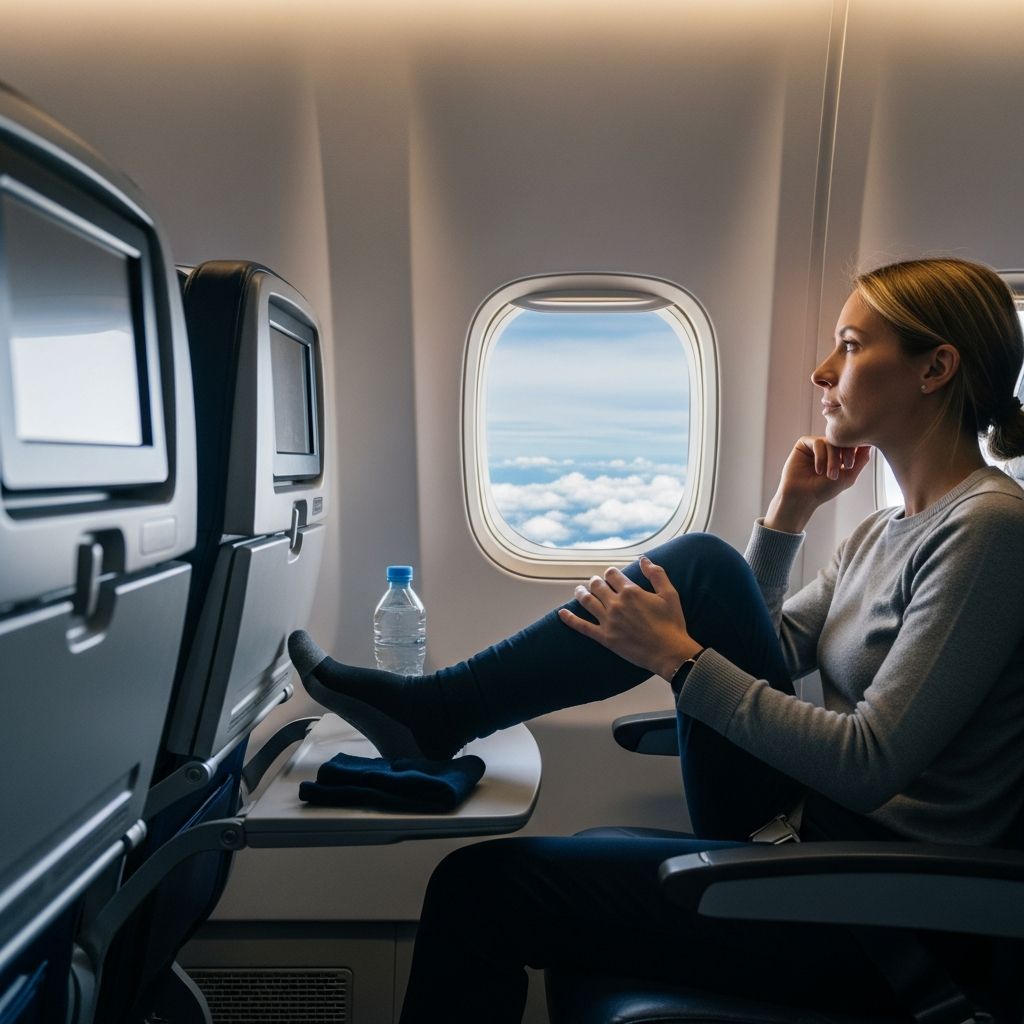
- Exercise legs in seat: Perform calf raises, ankle circles, or knee lifts every 20-30 minutes to boost circulation.
- Hydrate well: Drink plenty of water; avoid alcohol and caffeine, which dehydrate.
- Avoid tight clothing: Loose attire prevents restricted blood flow.
- Select aisle seats: Easier access for movement.
These measures are low-risk and effective for maintaining mobility, a key prophylaxis per British Society of Hematology and ACCP guidelines.
Related Stories



Travel by plane
Air travel’s unique factors—low oxygen, dryness, and seating—heighten DVT risk. For flights >4 hours:
- Arrive early to avoid rushed seating.
- Stand during takeoff/landing if safe.
- Use in-flight exercises: Raise toes/heels alternately, or march in place.
- Consider premium economy for more legroom.
Avoid crossing legs or slouching. Pre-hydrate and continue post-flight.
Travel by car, bus or train
Overland journeys mimic plane risks. Prevention mirrors general advice:
- Stop every 1-2 hours to walk 5-10 minutes.
- Shift positions frequently; use pedals for calf pumps if driving.
- For buses/trains, stand in aisles or visit ends.
- Share driving to rotate movement.
Long bus/train rides (>4 hours) warrant the same vigilance as flights.
Graduated compression (elastic) stockings
**Graduated compression stockings (GCS)** apply 15-30 mmHg pressure at the ankle, decreasing upward, to prevent blood pooling. Evidence supports their efficacy: one meta-analysis showed OR 0.1 for VTE reduction on flights (95% CI 0.04-0.25).
Recommendations:
- Use for high-risk travelers on trips >4-6 hours.
- Below-knee, properly fitted (not too tight/loose).
- Wear from boarding to post-disembarkation.
- Not routinely for low-risk.
| Risk Level | GCS Recommendation | Source |
|---|---|---|
| Low (no factors, <6h) | Not needed | ACCP, ASH |
| High (≥1 factor, >4h) | Recommended (15-30 mmHg) | ASH, ACCP |
| Highest (multiple/severe) | Strongly advised + consider pharma | BSH |
Buy from pharmacies; get fitted if possible. They also reduce swelling for comfort.
Medication to prevent DVT
Pharmacologic prophylaxis (e.g., low-molecular-weight heparin/LMWH, aspirin) is reserved for highest-risk cases due to bleeding risks and low-quality evidence for travel.
- ASH: Suggests GCS or LMWH for substantially increased risk >4h; aspirin if neither feasible.
- ACCP: Against routine anticoagulants; prefers GCS.
- BSH: Anticoagulants over antiplatelets for very high risk.
Consult a doctor weeks before travel if you have recent surgery, cancer, or prior VTE. Do not self-medicate.
Further reading
- Deep vein thrombosis
- Pulmonary embolism
- Anticoagulants and ‘blood thinners’
- Warfarin, dabigatran, rivaroxaban, and apixaban
FAQs
Should I wear compression stockings on every flight?
No, only if high-risk (>4h travel with factors like prior DVT). Low-risk travelers don’t need them.
How long after travel does DVT risk last?
Risk can persist 2 weeks; monitor for symptoms.
Are short flights safe?
Yes, <4h poses minimal added risk for low-risk people.
Can I use aspirin for prevention?
Not routinely; guidelines prefer GCS or LMWH for high-risk.
What if pregnant?
Pregnancy increases risk; discuss GCS or LMWH with your doctor.
References
- Travel-Associated Venous Thromboembolism — PMC – NIH. 2022-05-19. https://pmc.ncbi.nlm.nih.gov/articles/PMC9149067/
- Air Travel and Venous Thromboembolism — The Blood Project. 2023. https://www.thebloodproject.com/air-travel-and-venous-thromboembolism/
- Preventing Deep Vein Thrombosis From Travel — MyHealth Alberta. 2024. https://myhealth.alberta.ca/Health/pages/conditions.aspx?hwid=abk8826
- How to Avoid Blood Clots When Flying: Advice from a Vascular Surgeon — Columbia Surgery. 2019-02-27. https://columbiasurgery.org/news/2019/02/27/how-avoid-blood-clots-when-flying-advice-vascular-surgeon
- Clots and Travel — Hematology.org (American Society of Hematology). 2023. https://www.hematology.org/education/patients/blood-clots/travel
Similar Articles








Read full bio of medha deb