Preventing Eczema In Babies: Evidence-Based Guide For Parents
Discover proven strategies and emerging research to lower your baby's risk of developing eczema through diet, skincare, and environment.
Eczema, also known as atopic dermatitis, affects up to 20% of infants worldwide, causing itchy, inflamed skin that can disrupt sleep and comfort. While not fully curable, research shows certain interventions may significantly reduce its onset, especially in high-risk babies with family histories of allergies. This guide draws from systematic reviews and clinical studies to outline actionable steps focusing on nutrition, skin protection, and lifestyle adjustments.
Understanding Eczema Risk in Newborns
Eczema often emerges in the first few months of life, linked to genetic factors like filaggrin mutations that impair the skin barrier, allowing moisture loss and irritant entry. Infants at
high risk
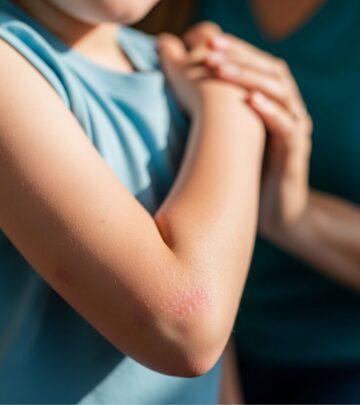
—those with parents or siblings having eczema, asthma, or hay fever—face up to a 50% chance of developing it. Early signs include dry, red patches on cheeks, elbows, or knees. Preventing flare-ups starts prenatally, emphasizing barrier enhancement over allergen avoidance alone.- Genetic predisposition: Filaggrin defects precede inflammation, making skin vulnerable from birth.
- Environmental triggers: Dry air, harsh soaps, and allergens exacerbate risks.
- High-risk indicators: Family atopy history doubles incidence rates.
Nutritional Strategies During Pregnancy and Infancy
Maternal diet and infant feeding profoundly influence eczema development. Studies highlight protective roles for specific nutrients and feeding practices.
Prenatal Nutrition for Maternal Health
Expecting mothers consuming diets rich in fruits, vegetables, fish, and vitamin D may lower their baby’s eczema risk. A review of 42 studies found such diets associated with reduced atopic dermatitis incidence. Probiotics taken during pregnancy slightly decrease odds, particularly in high-risk groups.
| Nutrient | Food Sources | Potential Benefit |
|---|---|---|
| Vitamin D | Fish, fortified dairy | Supports immune modulation |
| Omega-3 Fatty Acids | Fatty fish | May reduce inflammation |
| Fruits & Vegetables | Berries, leafy greens | Antioxidant protection |
Breastfeeding: The Gold Standard for Protection
Exclusive breastfeeding for at least 4-6 months cuts eczema risk by up to 60% in high-risk infants compared to early solid introductions. Observational data show risk ratios as low as 0.40 for prolonged breastfeeding versus mixed feeding at 3-6 months. The American Academy of Dermatology endorses this, noting additional benefits like immune support. Avoid solids before 4 months to maximize gains.
Formula Options for Non-Breastfed Infants
For bottle-fed babies, hydrolyzed protein formulas break down allergens, potentially preventing sensitization, though evidence is mixed for broad populations. Soy formulas show limited efficacy. Consult pediatricians before switching.
Strengthening the Skin Barrier from Day One
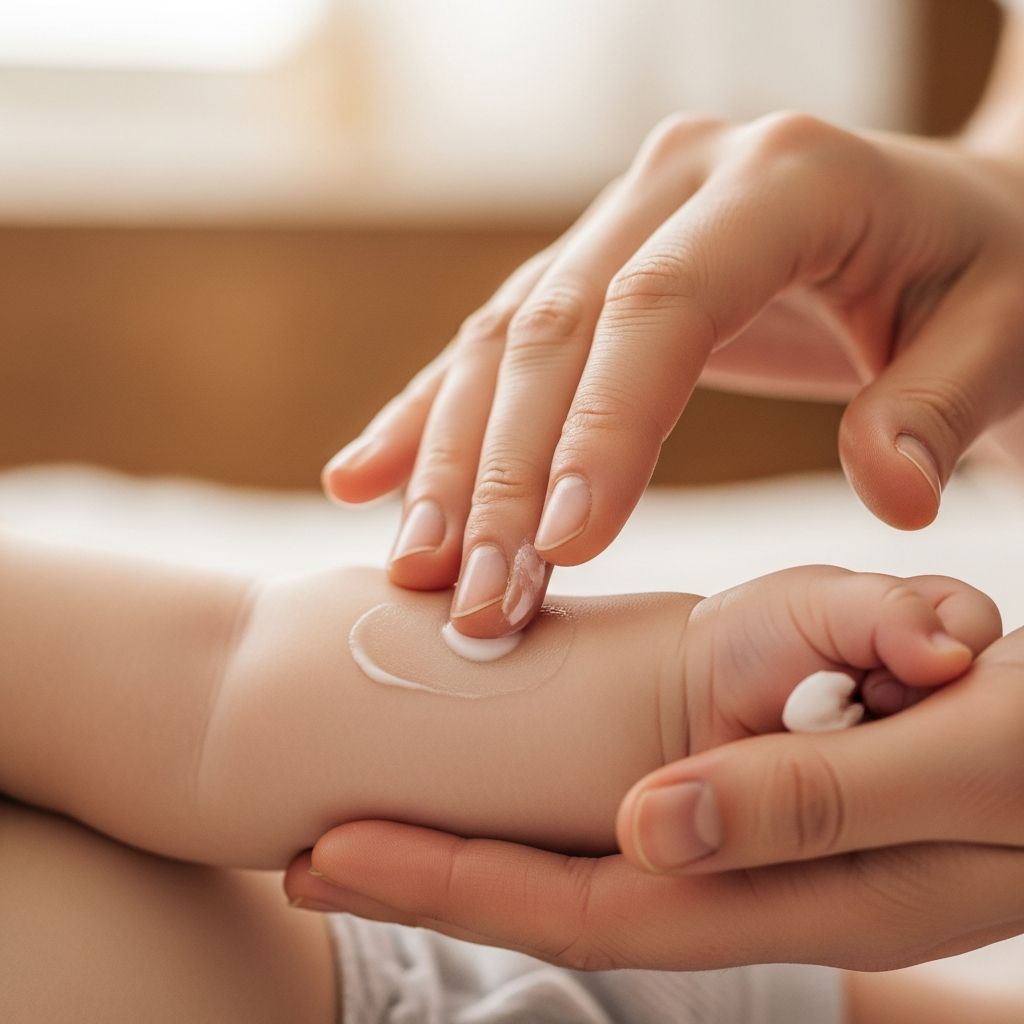
Daily emollient use from birth targets the root cause: defective skin barriers. Trials demonstrate 50% risk reduction when moisturizers are applied regularly versus standard care. High-risk newborns often present with dry skin at birth, making early intervention key.
- Apply thick, fragrance-free ointments like petrolatum twice daily, post-bath.
- Focus on folds and extremities to lock in moisture.
- Ongoing trials confirm barrier enhancement prevents IgE sensitization.
Probiotics and Prebiotics: Gut-Skin Connection
Modulating the gut microbiome offers promise. Prebiotics reduced eczema by 58% in high-risk infants (RR 0.42). Probiotic combinations—given to mothers late-pregnancy and infants postpartum—show benefits for at-risk families, though optimal strains remain under study. Supermarket varieties lack supporting data.
Related Stories



Avoid routine use without allergy history; evidence is strongest for multi-strain formulas.
Daily Skincare Routines to Minimize Irritation
Gentle care prevents flares. Bathe infants 2-3 times weekly in lukewarm water for 5-10 minutes using fragrance-free cleansers only on dirty areas. Pat dry, then moisturize within 3 minutes.
- Use soap substitutes over bubbly products.
- Clip nails short or use mittens to curb scratching.
- Opt for cotton clothing; avoid wool and synthetics.
Creating an Eczema-Friendly Home Environment
Environmental controls reduce triggers like dust mites and pollutants.
- Wash bedding weekly at 60°C.
- Damp dust surfaces; limit soft toys.
- Maintain cool, ventilated rooms; keep pets out of bedrooms.
- Use washable mats over carpets.
Avoid grass during pollen season and chlorine pools. Simple detergents prevent residue buildup.
Monitoring and Early Intervention
Track skin daily. If redness persists, consult dermatologists for prescribed emollients. Wean solids at 6 months per UK guidelines, continuing breastfeeding. Balanced maternal diets avoid unnecessary restrictions unless advised by dietitians.
Frequently Asked Questions (FAQs)
Can all babies be prevented from getting eczema?
No, but high-risk infants benefit most from combined strategies like breastfeeding and emollients, reducing incidence by 40-60%.
Is daily bathing safe for eczema-prone babies?
Limit to every other day with lukewarm water and no soap; focus on moisturizing.
Do probiotics work for every family?
Best for those with allergy histories; specific strains matter.
What if my baby shows early signs?
Start barrier creams immediately and see a doctor to rule out infections.
Does diet during pregnancy really help?
Yes, nutrient-rich diets lower risks per multiple studies.
Long-Term Outlook and Research Horizons
While no single method guarantees prevention, integrating breastfeeding, emollients, and probiotics yields synergistic effects. Future studies explore advanced barrier therapies and personalized microbiome interventions. Parents play a pivotal role—consistent routines yield lasting skin health.
References
- Overview of Reviews: The prevention of eczema in infants and… — PMC (National Library of Medicine). 2012. https://pmc.ncbi.nlm.nih.gov/articles/PMC3399595/
- Reducing the risk of your new born baby developing eczema — Nottingham Eczema. 2022-06. http://www.nottinghameczema.org.uk/documents/reducing-the-riskjune22v4.pdf
- Can anything prevent my child from getting eczema? — American Academy of Dermatology (AAD). Accessed 2026. https://www.aad.org/public/diseases/eczema/childhood/atopic-dermatitis-child-get
- How to Treat & Control Eczema Rashes in Children — American Academy of Pediatrics (AAP). Accessed 2026. https://www.healthychildren.org/English/health-issues/conditions/skin/Pages/How-to-Treat-and-Control-Eczema-Rashes-in-Children.aspx
- Eczema — Seattle Children’s Hospital. Accessed 2026. https://www.seattlechildrens.org/conditions/a-z/eczema/
Similar Articles








Read full bio of medha deb