Preventing Eczema Inflammation: Daily Tips For Calmer Skin
Discover practical strategies to minimize eczema flare-ups and maintain calm skin through everyday habits and smart choices.
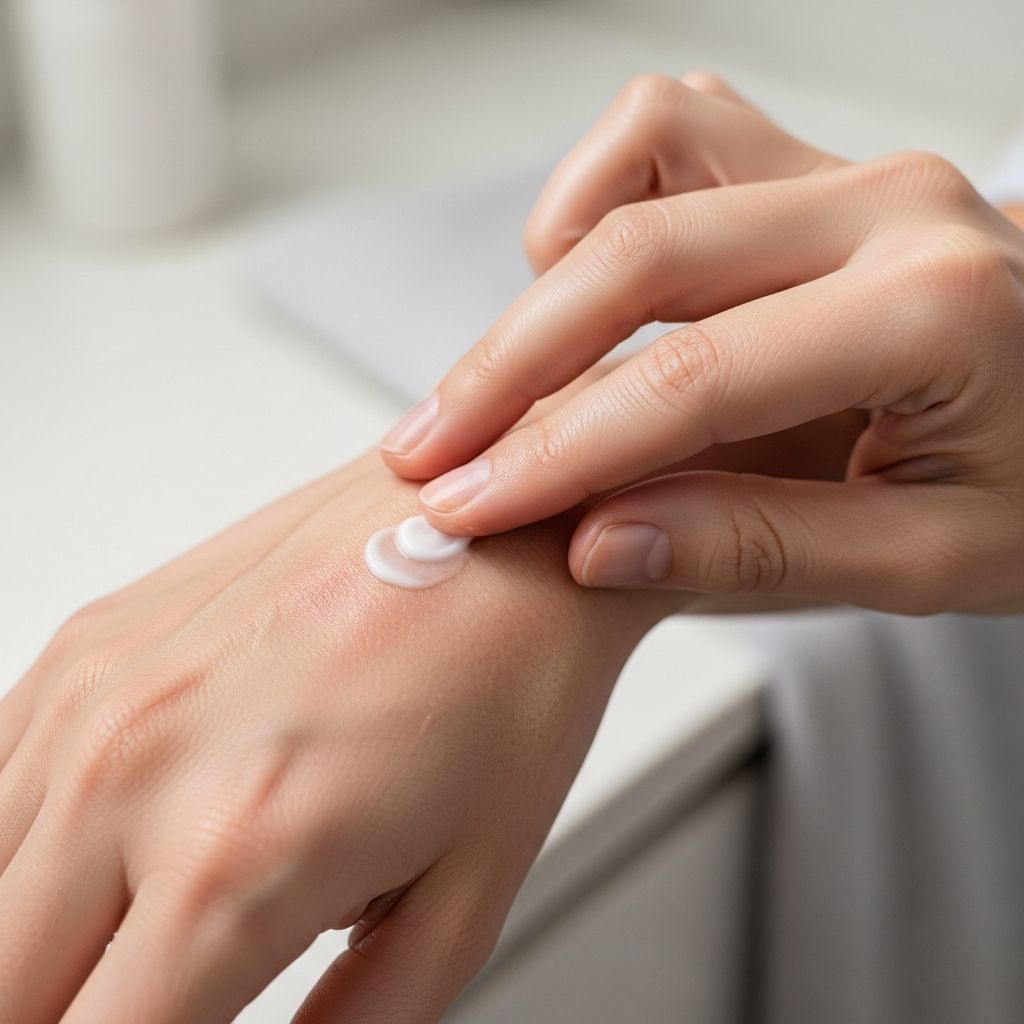
Eczema, also known as atopic dermatitis, involves chronic skin inflammation triggered by a mix of genetic, environmental, and immune factors. A compromised skin barrier heightens sensitivity to irritants, allergens, and bacteria, leading to itchy, red flares.Proactive steps like moisturizing routines, trigger identification, and lifestyle adjustments can significantly reduce inflammation frequency.
Understanding Eczema Triggers
Triggers vary but commonly include allergens, irritants, and environmental stressors that disrupt the skin’s protective layer. Genetic predispositions play a role, often alongside family history of allergies or asthma. Identifying personal triggers through a symptom journal—tracking flares against diet, activities, and exposures—empowers better management.
- Allergens: Pet dander, dust mites, pollen, mold, and certain foods like dairy or nuts provoke immune responses.
- Irritants: Harsh soaps, fragrances, detergents, and synthetic fabrics strip natural oils.
- Environmental: Dry air, pollution, temperature swings, and sweat exacerbate dryness and irritation.
- Lifestyle: Stress hormones like cortisol weaken barrier function, while obesity or excessive sweating can worsen symptoms.
Building a Strong Skin Barrier
The skin barrier acts as a shield against moisture loss and invaders. When weakened, it allows bacteria like Staphylococcus aureus to thrive, fueling inflammation. Daily care restores this barrier.
| Barrier Support Strategy | Benefits | Recommended Products |
|---|---|---|
| Daily Moisturizing | Locks in hydration, reduces dryness | Fragrance-free creams, ointments, petroleum jelly |
| Gentle Cleansing | Preserves oils without stripping | Hypoallergenic, soap-free washes |
| Post-Bath Application | Seals damp skin for max absorption | Thick emollients within 3 minutes |
Apply moisturizer at least twice daily, especially after bathing in lukewarm water. Avoid hot showers, which dry skin further.
Optimizing Your Home Environment
Indoor conditions heavily influence eczema. Low humidity dries skin, while dust and dander accumulate in carpets or bedding.
- Use a humidifier to maintain 40-60% humidity, particularly in winter or dry climates.
- Wash bedding weekly in hot water to kill dust mites; encase mattresses in allergen-proof covers.
- Ventilate spaces to reduce mold; avoid feather pillows or stuffed toys.
- Minimize air pollutants by using HEPA filters and steering clear of smoke.
For pet owners, keep animals out of bedrooms and groom them regularly to cut dander exposure.
Clothing and Fabric Choices
Fabrics contact skin constantly, so selections matter. Rough wool or tight synthetics chafe and trap heat, promoting sweat-induced flares.
- Opt for loose, breathable cotton or bamboo blends that wick moisture.
- Wash new clothes before wearing to remove dyes and chemicals.
- Layer clothing to prevent overheating; choose seamless undergarments.
During hot weather, lightweight options reduce sweating; in cold, protect skin without constriction.
Dietary Approaches to Calm Inflammation
While not all eczema links to food, allergens like eggs, soy, or gluten can trigger flares in sensitive individuals. An anti-inflammatory diet emphasizes omega-3s from fish, antioxidants from berries, and probiotics for gut health.
- Test for allergies via a specialist; eliminate suspects temporarily.
- Hydrate well and limit processed foods high in sugar or trans fats.
- Incorporate anti-inflammatory foods: leafy greens, nuts (if tolerated), and fatty fish.
Related Stories



Consult an allergist for children with severe cases, as early intervention prevents chronic issues.
Mastering Stress Reduction Techniques
Stress elevates cortisol, impairing skin repair and intensifying itch-scratch cycles. Integrating relaxation builds resilience.
- Practice mindfulness or yoga 10-20 minutes daily to lower inflammation markers.
- Ensure 7-9 hours of sleep; use consistent routines to regulate hormones.
- Engage in hobbies or light exercise like walking, avoiding sweat buildup.
Journaling flares alongside stress levels reveals patterns, guiding targeted coping.
Cleaning Products and Personal Care
Household cleaners and personal products often harbor irritants. Fragranced items disrupt the barrier most.
- Select unscented, dye-free detergents and soaps labeled for sensitive skin.
- Wipe surfaces with microfiber cloths dampened in water, skipping chemical sprays.
- Use natural alternatives like vinegar for laundry rinses if tolerated.
Patch-test new products on unaffected areas for 48 hours.
Weather and Seasonal Adaptations
Climate shifts challenge skin: cold dries, heat sweats.
| Season | Key Challenges | Prevention Tips |
|---|---|---|
| Winter | Dry air, low humidity | Humidify indoors, moisturize more, cover exposed skin |
| Summer | Sweat, humidity | Wear breathables, shower post-sweat, use fans |
| Transitions | Temperature swings | Layer gradually, avoid AC/heat extremes |
Exercise Without Triggering Flares
Physical activity boosts well-being but sweat irritates. Modify routines for safety.
- Choose low-sweat options: swimming in chlorinated pools (rinse after), yoga.
- Shower immediately post-exercise with lukewarm water and moisturize.
- Wear moisture-wicking athletic wear; stay hydrated.
Monitoring for Infections
Eczema skin invites bacteria via scratches, risking pus, swelling, or fever. Clean gently and seek care for worsening signs.
Frequently Asked Questions
Can eczema be prevented entirely?
No, as it’s chronic, but triggers management greatly reduces flares.
Is eczema contagious?
No, it’s not infectious; stems from genetics and environment.
How often should I moisturize?
At least twice daily, more during flares or dry weather.
Do food allergies always cause eczema?
Not always; testing identifies if relevant.
What’s the best moisturizer?
Fragrance-free ointments like petroleum jelly suit most.
Creating Your Personalized Plan
Combine strategies: track triggers, adhere to routines, consult dermatologists for prescriptions like corticosteroids if needed. Consistency yields calmer skin and better life quality.
References
- Eczema (Atopic Dermatitis) Overview — Pfizer. 2023. https://www.pfizer.com/disease-and-conditions/eczema
- What Causes Eczema & Can We Cure It? — Rodgers Dermatology. 2024-01-15. https://rodgersderm.com/blog/what-causes-eczema-and-can-we-cure-it/
- Common Causes of Eczema and How to Prevent It? — Allergy and Asthma Center. 2023-11-20. https://www.allergyinatlanta.com/eczema-causes
- Atopic dermatitis (eczema) – Symptoms and causes — Mayo Clinic. 2025-02-10. https://www.mayoclinic.org/diseases-conditions/atopic-dermatitis-eczema/symptoms-causes/syc-20353273
- Eczema: What It Is, Symptoms, Causes, Types & Treatment — Cleveland Clinic. 2024. https://my.clevelandclinic.org/health/diseases/9998-eczema
Similar Articles








Read full bio of medha deb