Glaucoma Vision Loss: Essential Strategies To Protect Sight
Discover practical strategies to safeguard your eyesight from glaucoma through early detection, lifestyle changes, and effective treatments.

Glaucoma represents a leading cause of irreversible blindness worldwide, primarily due to progressive damage to the optic nerve often linked to elevated intraocular pressure. While the disease itself cannot be entirely prevented, proactive measures significantly reduce the risk of substantial vision impairment. Early identification through comprehensive eye evaluations allows for interventions that slow progression and preserve sight. This article outlines actionable steps, from understanding risks to adopting supportive lifestyles and accessing timely treatments.
Understanding the Nature of Glaucoma
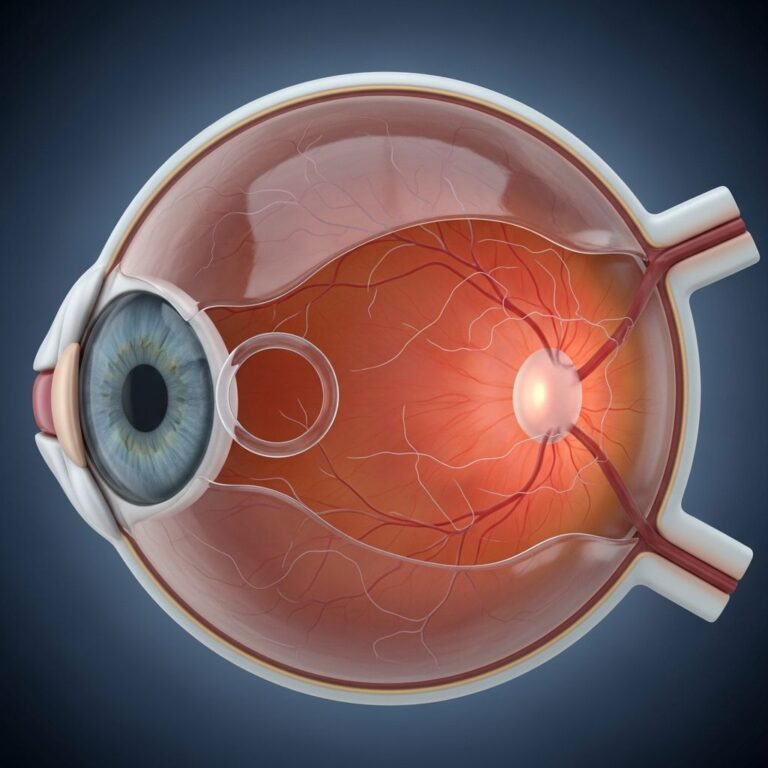
Glaucoma encompasses a group of disorders characterized by optic nerve deterioration, frequently resulting in peripheral vision loss that advances unnoticed until later stages. The most common type, primary open-angle glaucoma, develops gradually without early warning signs, making routine screening indispensable. Central vision may remain intact initially, but untreated advancement can lead to total sight loss in affected eyes.
Key physiological factors include heightened intraocular pressure (IOP), which compresses the optic nerve, though some cases occur with normal pressure levels. Fluid dynamics within the eye, particularly drainage inefficiencies, contribute to this pressure buildup. Awareness of these mechanisms underscores the value of preventive vigilance.
Identifying Who Is at Risk
Certain demographics and conditions elevate glaucoma susceptibility. Individuals over 40, particularly those aged 60 and beyond, face increased odds. Family history doubles or triples risk, especially among first-degree relatives. Ethnic backgrounds play a role: African Americans, Hispanics, and Asians experience higher incidence and severity.
- Age: Risk escalates after 35-40 years, with annual checks recommended for high-risk groups.
- Family History: Genetic predisposition necessitates proactive monitoring.
- Ethnicity: Higher prevalence in Black, Hispanic, and Asian populations.
- Medical Conditions: Diabetes, hypertension, migraines, and poor circulation heighten vulnerability.
- Eye Traits: Thin corneas or thinning optic nerves signal potential issues.
- Other Factors: Long-term steroid use or prior eye injuries.
Recognizing these markers prompts earlier and more frequent evaluations, potentially averting severe outcomes.
The Critical Role of Regular Eye Examinations
Comprehensive dilated eye exams stand as the cornerstone of glaucoma defense, detecting subtle optic nerve changes and IOP elevations before symptoms emerge. High-risk individuals should undergo testing every 1-2 years post-35, while others benefit from biennial checks. Medicare supports annual glaucoma screenings for at-risk groups, facilitating access.
During exams, professionals assess optic nerve appearance, measure IOP, evaluate visual fields, and inspect drainage angles via slit-lamp technology. These non-invasive procedures identify issues early, when interventions prove most effective. Skipping exams forfeits this opportunity, as glaucoma’s silent progression evades self-detection.
| Risk Level | Recommended Exam Frequency | Key Tests Included |
|---|---|---|
| High Risk (e.g., family history, age 60+) | Every 1 year | Dilated exam, IOP, visual field, optic nerve imaging |
| Moderate Risk (e.g., age 40-60) | Every 1-2 years | Comprehensive dilated check, tonometry |
| Low Risk | Every 2 years | Basic screening with dilation |
This structured approach ensures timely intervention, safeguarding peripheral and central vision.
Lifestyle Modifications to Support Eye Health
Related Stories



While not curative, targeted habits lower IOP and bolster overall ocular resilience. Moderate aerobic activities like walking or jogging, performed three or more times weekly, demonstrate IOP-reducing effects, though benefits require consistency. Avoid inversions in yoga, such as headstands, which transiently spike pressure.
Nutrient-rich diets, emphasizing leafy greens, antioxidants (vitamins C, E, A), zinc, copper, and selenium, promote eye vitality without directly halting glaucoma. A balanced regimen supports systemic health, indirectly benefiting eyes. Protective eyewear during sports or projects prevents traumatic glaucoma from injuries.
- Exercise Routines: Brisk walking, cycling; consult physicians pre-start.
- Dietary Focus: Spinach, kale, nuts, fish for omega-3s.
- Eye Protection: Safety goggles for high-risk activities.
- Avoid Triggers: Steroid overuse, excessive caffeine if sensitive.
These adjustments complement medical care, enhancing long-term prognosis.
Treatment Options to Halt Progression
Upon diagnosis, therapies target IOP reduction to avert further optic nerve damage. Prescription eye drops, the initial line, enhance fluid outflow or diminish production, often sufficing for control. Oral medications serve as adjuncts if drops falter.
Laser procedures, like selective laser trabeculoplasty, offer office-based IOP lowering with minimal downtime, sometimes reducing drop reliance. Surgical interventions, including minimally invasive glaucoma surgery (MIGS) or trabeculectomy, address refractory cases. Procedures like ABiC can coincide with cataract surgery. Lifelong adherence prevents blindness.
Monitor side effects and attend follow-ups to refine regimens.
Vision Rehabilitation for Established Loss
When vision declines despite treatment, rehabilitation restores functionality. Programs tailor strategies: enhanced lighting, high-contrast aids, mobility training, and assistive tech promote independence. Comprehensive care integrates these with medical management.
Common Misconceptions About Glaucoma
- Myth: Glaucoma always causes pain. Fact: Most forms are asymptomatic early.
- Myth: Only elderly suffer. Fact: Risks begin at 40.
- Myth: Glasses prevent it. Fact: Exams, not correction, detect it.
Frequently Asked Questions (FAQs)
What is the first sign of glaucoma?
Typically none early; peripheral blind spots may appear later.
Can diet alone prevent glaucoma?
No, but leafy greens may lower risk; combine with exams.
How often should I get eye exams?
High-risk: yearly; others: every 1-2 years.
Is glaucoma curable?
Not reversible, but manageable to prevent further loss.
Does exercise help glaucoma?
Yes, moderate cardio lowers IOP temporarily.
Building a Proactive Eye Care Plan
Partner with ophthalmologists or optometrists for personalized plans. Track family history, adhere to meds, and integrate habits. Educate relatives to extend protection. Early action transforms glaucoma from a sight thief to a manageable condition.
References
- Rosdahl Highlights Strategies to Reduce Vision Loss From Glaucoma — Duke Eye Center. 2023. https://dukeeyecenter.duke.edu/news/rosdahl-highlights-strategies-reduce-vision-loss-glaucoma
- Glaucoma Prevention – Protecting Your Eyes — Glaucoma Research Foundation. 2024. https://glaucoma.org/understanding-glaucoma/prevention
- 6 Things To Know About Glaucoma + Preventing Vision Loss — Tufts Medicine. 2023. https://www.tuftsmedicine.org/about-us/news/6-things-know-about-glaucoma-preventing-vision-loss
- Preserving sight after glaucoma – Mayo Clinic Health System — Mayo Clinic Health System. 2024. https://www.mayoclinichealthsystem.org/hometown-health/speaking-of-health/dont-be-fooled-by-glaucoma-the-silent-sight-thief
- About Glaucoma | Vision and Eye Health – CDC — Centers for Disease Control and Prevention (CDC). 2025. https://www.cdc.gov/vision-health/about-eye-disorders/glaucoma.html
- Glaucoma – Diagnosis and treatment – Mayo Clinic — Mayo Clinic. 2025. https://www.mayoclinic.org/diseases-conditions/glaucoma/diagnosis-treatment/drc-20372846
Similar Articles








Read full bio of medha deb