Preventing Hand Rashes: Dermatologist-Backed Practical Tips
Discover proven strategies to shield your hands from irritating rashes and maintain healthy skin year-round.
Hand rashes affect millions, often stemming from everyday exposures like chemicals, water, or cold air, leading to discomfort, itching, and cracking skin.
Proactive measures
such as using protective gear and consistent moisturizing can significantly reduce risks, as recommended by board-certified dermatologists.Understanding the Roots of Hand Rashes
Hand rashes commonly manifest as dry, scaly, red, or blistered skin, frequently linked to
eczema
or irritant contact dermatitis. These conditions arise from repeated exposure to harsh substances in household chores, work environments, or even personal items like rings or foods. Allergic reactions can develop suddenly after years of tolerance, targeting ingredients in soaps, detergents, garlic, citrus, or fish for those in food handling roles.Cold weather exacerbates dryness, stripping natural oils and creating entry points for irritants. Unlike facial skin, hands endure constant friction and moisture loss, making them prone to chronic issues if unprotected.
Key Prevention Strategies for Daily Protection
Implementing simple habits transforms hand care. Dermatologists emphasize barrier protection and hydration as cornerstones.
- Choose the right gloves for every task: Opt for task-specific gloves to block irritants like dyes, detergents, or soil. Cotton-lined for wet work, heavy-duty for chemicals—replace any with holes and avoid wearing damp ones.
- Shield from winter chill: Insulated gloves or mittens prevent moisture evaporation in cold air, a major rash trigger.
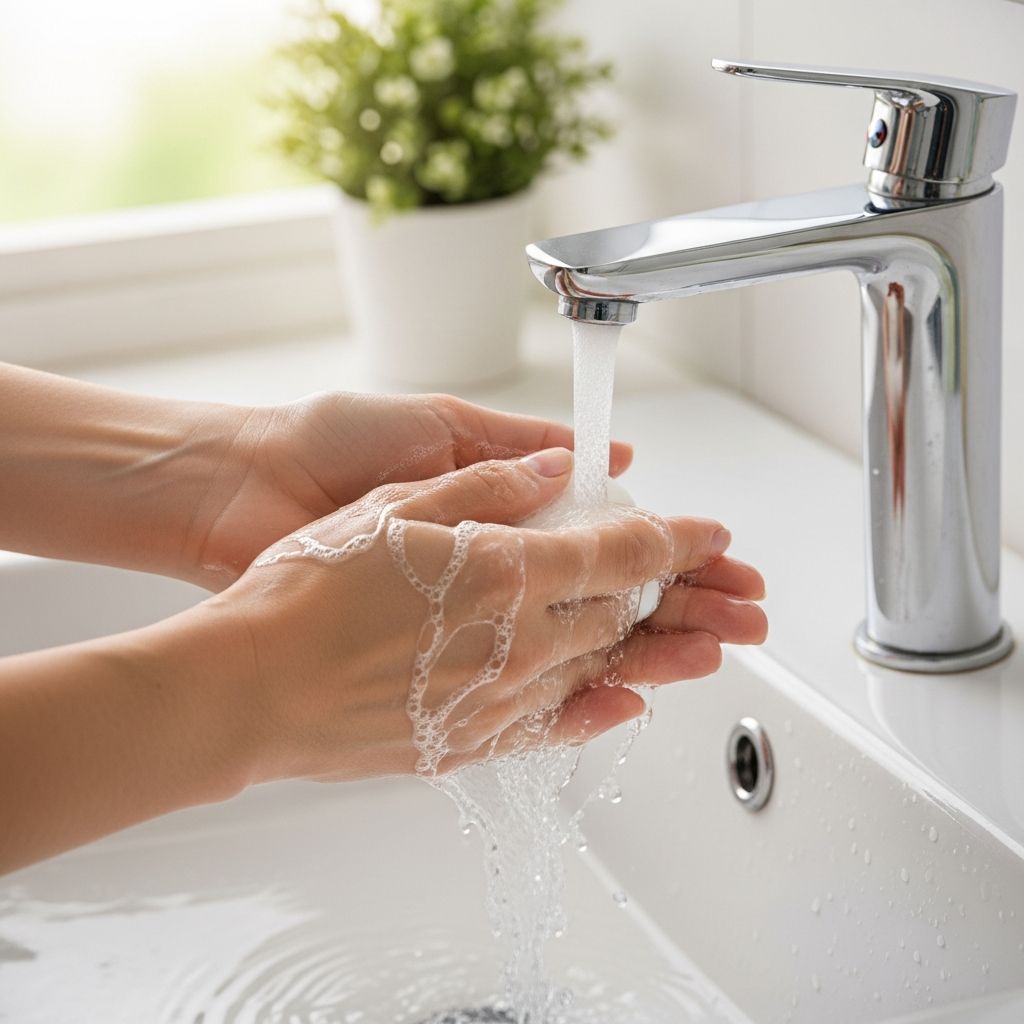
- Gentle cleansing routines: Use lukewarm water with fragrance-free, moisturizing cleansers or beauty bars; reserve antibacterial soaps for necessities to preserve skin oils.
- Lock in moisture relentlessly: Apply thick creams with glycerin or petrolatum right after washing, multiple times daily, and overnight for optimal repair.
Optimizing Your Moisturizing Routine
Moisturizers act as the first line of defense, replenishing lipids disrupted by washing or environment. Petroleum jelly excels for barrier formation, while glycerin-based formulas draw in hydration. Dermatologists advise generous application post every water contact, including showers, to combat transepidermal water loss.
| Moisturizer Type | Best For | Key Ingredients | Example Use Cases |
|---|---|---|---|
| Petrolatum-based | Overnight repair | Petroleum jelly | Bedtime application |
| Glycerin creams | Daily hydration | Glycerin, ceramides | Post-wash |
| Oil-based lotions | Extra dry skin | Lanolin, shea butter | Winter protection |
| Fragrance-free | Sensitive skin | Hyaluronic acid | Allergy-prone |
Consistency yields results: studies show frequent emollient use reduces eczema flares by up to 50% in at-risk individuals.
Navigating Allergens and Irritants in Your Environment
Identify hidden culprits through observation or professional patch testing. Rings trap soaps, leading to localized reactions—remove before washing. Workplace exposures, like solvents for mechanics or water for hairdressers, demand tailored glove strategies; daily replacement prevents inner contamination.
For food workers, proteins in garlic or fish can sensitize skin over time. Minimize bare-hand contact and rinse immediately after exposure.
Workplace Adaptations for High-Risk Professions
Jobs involving frequent wetting or chemicals heighten risks, but dermatologists offer solutions. A patient immersing hands in solvents saw near-complete resolution by switching to daily fresh gloves and proper donning techniques. Short work breaks or modified duties allow healing without career disruption.
Related Stories



- Consult for glove liners to wick moisture.
- Schedule hand washes with emollients nearby.
- Advocate for skin-safe alternatives in your workplace.
When to Seek Professional Help
Self-care suffices for mild cases, but persistent rashes warrant a dermatologist visit. They differentiate eczema from allergies via patch tests and prescribe topicals like corticosteroids if needed. Early intervention prevents thickening, cracking, or infection.
Treatment ladders start with OTC petrolatum, escalating to medicated creams. Severe cases may require time off exposure sources.
Lifestyle Tweaks for Long-Term Skin Health
Beyond basics, trim nails to curb scratching, apply cool compresses for acute itch, and incorporate oatmeal soaks for soothing. Sun protection via gloves or SPF lotions prevents worsening. A holistic approach—diet rich in omega-3s, stress management—supports barrier function indirectly.
FAQs on Hand Rash Prevention
What causes most hand rashes?
Irritants like water, soaps, and cold air top the list, alongside eczema and allergies.
Can I prevent rashes without gloves?
Gloves are ideal, but frequent moisturizing and gentle washes help if impractical.
How often should I moisturize?
After every wash and at least 4-5 times daily; overnight for best results.
Are all moisturizers equal?
No—prioritize thick, ointment-like ones with petrolatum or glycerin over thin lotions.
When does a rash need a doctor?
If it persists, spreads, or includes pus/bleeding—seek prompt evaluation.
Building a Rash-Free Routine
Integrate prevention into habits: glove up for chores, moisturize proactively, and monitor for triggers. Hands endure daily battles; arm them with knowledge and tools for resilience. Track progress weekly, adjusting based on skin response. With diligence, most achieve clear, supple skin.
References
- Don’t Let Hand Rashes Ruin Your Winter — Upstate Dermatology. 2017-12. https://upstatederm.com/2017/12/dont-let-hand-rashes-ruin-your-winter/
- How to prevent and treat hand rashes — American Academy of Dermatology (YouTube). 2017-02-14. https://www.youtube.com/watch?v=pmHNo_ISS_A
- Hand Rashes — Foothill Dermatology. N/A. https://www.foothillderm.com/blog/hand-rashes
- Hand Rashes: Causes, Tips, Prevention, & Treatment — Pine Belt Dermatology. N/A. https://www.pinebeltderm.com/hand-rashes-causes-tips-prevention-treatment
- Dry, scaly, and painful hands could be hand eczema — American Academy of Dermatology. N/A. https://www.aad.org/public/diseases/eczema/types/hand-eczema
- Contact dermatitis – Diagnosis and treatment — Mayo Clinic. N/A. https://www.mayoclinic.org/diseases-conditions/contact-dermatitis/diagnosis-treatment/drc-20352748
Similar Articles








Read full bio of medha deb